
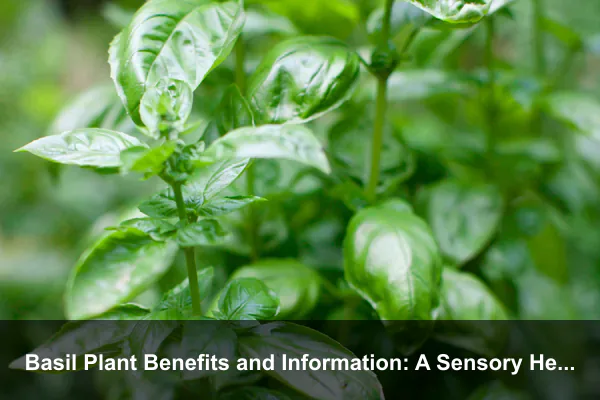
Basil plant benefits and information are often discussed through recipes, leaf harvests, and basic herb care, but basil can also be understood as a sensory plant that makes a home garden more useful, observant, and enjoyable. Its bright aroma, soft leaves, quick growth, and familiar flavor make it one of the easiest herbs to connect with daily life, whether you grow it in a patio pot, raised bed, balcony planter, or sunny kitchen doorway.
This guide takes a distinct angle: basil as a sensory herb garden plant. Instead of focusing only on cooking value, it explores how basil supports smell, taste, touch, garden observation, beginner learning, and practical outdoor comfort. You will still find essential care details, safety notes, and useful plant facts, but the goal is to help you use basil as more than a garnish. With the right placement and routine, one small basil plant can become a living reminder to slow down, notice plant signals, and bring fresh herbal value into everyday spaces.
Basil Plant Benefits and Information Through a Sensory Garden Lens
Basil, commonly known by the botanical name Ocimum basilicum, is an aromatic herb in the mint family. It is usually grown as a warm-season annual, although in frost-free tropical and subtropical climates it may continue growing much longer. The plant is valued for tender leaves, aromatic oils, fast growth, and a branching habit that responds well to regular pinching.
For many gardeners, basil is one of the first herbs that feels rewarding because its benefits are immediate. You can brush the leaves and smell them, pinch a stem and watch new side shoots form, or add a few fresh leaves to food without needing complicated processing. That instant feedback makes basil especially useful for beginners, families, small-space gardeners, and anyone building a more mindful plant routine.
Why Basil Works Well in a Sensory Garden
A sensory garden is designed around what people can notice directly: fragrance, texture, color, movement, flavor, sound, and seasonal change. Basil fits this concept naturally. Its leaves release scent when touched gently, its stems show visible growth after pruning, and its different types can offer notes of clove, citrus, anise, spice, or sweetness. This makes basil a practical plant for people who want a garden that feels alive and interactive rather than purely decorative.
Core Basil Plant Facts
- Plant type: Warm-season culinary and aromatic herb.
- Best light: Full sun to very bright light, ideally 6 or more hours outdoors.
- Soil preference: Loose, fertile, well-draining soil with steady moisture.
- Main use: Fresh leaves for cooking, sensory gardens, containers, and edible landscapes.
- Growth habit: Branching stems that become fuller with regular pinching.
- Common challenge: Stress from cold, soggy soil, drought, poor airflow, or delayed pruning.
Basil Benefits Beyond the Plate
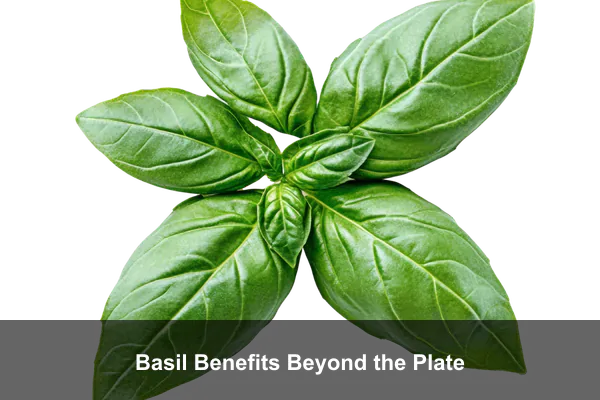
The most obvious basil benefit is fresh flavor, but a basil plant offers several broader advantages in a home garden. It can help create a more engaging outdoor routine, support low-cost culinary habits, and add aromatic interest to areas where people sit, cook, or walk. These benefits are practical rather than exaggerated, which is important because herbs should not be presented as miracle cures.
Fresh Flavor With Less Reliance on Heavy Seasoning
Fresh basil brings brightness to meals through aroma as much as taste. A few leaves can make tomatoes, grilled vegetables, soups, eggs, rice dishes, salads, and pasta feel more complete. For people trying to make everyday meals more interesting, basil can reduce the need for overly rich sauces or excessive seasoning simply by adding a clean herbal note.
The benefit is strongest when basil is used fresh and added near the end of cooking. High heat can dull its aroma, so torn or sliced leaves are often best stirred in just before serving. This is not only a kitchen tip; it is also a reason to grow basil close to where you cook or eat. A plant near a patio table or kitchen door invites quick, fresh use.
Aroma That Encourages Garden Interaction
Basil’s fragrance is one of its most valuable non-food qualities. The scent is released when leaves are brushed, pinched, or warmed by the sun. In a small garden, this makes basil useful near seating areas, path edges, outdoor sinks, or container groupings. The plant rewards gentle contact, helping people notice the garden more often.
This aromatic quality is also helpful for habit-building. A quick morning check of basil can become a simple ritual: touch the soil, smell the leaves, look for new shoots, and remove any damaged foliage. This kind of routine is small, but it improves care consistency and strengthens plant awareness.
Beginner-Friendly Botanical Learning
Basil demonstrates basic plant principles clearly. When you pinch above a leaf node, the plant often sends out two new shoots. When it lacks light, the stems stretch. When soil stays too wet, leaves may yellow. When the plant dries too far, it wilts dramatically but may recover after watering. These visible responses make basil an excellent living teaching plant.
For children or new gardeners, basil can explain concepts such as nodes, branching, transpiration, flowering, pollination, and seed formation without needing a large garden. The plant grows quickly enough to keep learning interesting, but not so quickly that it becomes unmanageable in a pot.
Designing a Sensory Basil Garden That Feels Useful Every Day
A sensory basil garden does not need to be large. The best design is often a small, reachable arrangement that fits your daily path. Basil should be placed where its scent, color, and flavor are easy to enjoy, not hidden in a far corner that you rarely visit. This is especially important for busy households, renters, and balcony gardeners who need plants to earn their space.
Choose a High-Contact Location
Place basil where you naturally pass by it. Good locations include a sunny patio step, a balcony rail planter, a raised bed edge, a kitchen garden strip, or a container near an outdoor dining area. The more visible the plant is, the easier it is to notice watering needs, pest activity, and harvest opportunities.
Avoid placing basil in a cramped area where it will be brushed too roughly or shaded by taller plants. Gentle contact is useful, but broken stems and compacted soil are not. Give the plant enough room for airflow and branching.
Create a Simple Sensory Layout
For a small sensory herb setup, use basil as the aromatic center and surround it with plants that offer contrast. For example, basil can sit near parsley for leaf-shape contrast, chives for upright texture, calendula for color, or thyme for a lower-growing edge. The goal is not to crowd the pot, but to make each plant easier to observe.
- Place basil at hand height so leaves can be smelled and harvested comfortably.
- Use a container at least 8 to 12 inches deep for stable root growth.
- Leave space around the plant so air can move through the stems.
- Add a nearby seat or work surface if you want the garden to support relaxed observation.
- Keep scissors or small pruners nearby to make clean harvesting easy.
Make It Accessible for Different Users
Basil is useful in accessible gardening because it can grow in raised containers, tabletop planters, vertical pockets, and railing boxes. A plant does not need to be at ground level to thrive. In fact, raising basil can make it easier for older adults, children, or people with limited mobility to smell, pinch, and inspect the leaves.
For a family garden, consider labeling plants with simple sensory words such as sweet, spicy, lemony, or purple. These labels help people engage with the plant through observation rather than memorization. Basil becomes part of daily learning instead of just another pot of greenery.
Care Information for Strong, Aromatic Basil
Healthy basil is usually more aromatic, more attractive, and more productive. The plant is not difficult, but it does have clear preferences. Warmth, sunlight, drainage, steady moisture, and regular pinching are the foundation of successful basil care.
Light and Warmth
Basil grows best in bright conditions. Outdoors, aim for full sun, especially in mild climates. In very hot regions, a little afternoon shade can prevent stress, but too much shade leads to long stems, fewer leaves, and weaker aroma. Indoors, basil needs the brightest window available or a suitable grow light because ordinary room light is rarely enough for dense growth.
Temperature matters too. Basil dislikes cold soil and chilly nights. Plant it outside only after the weather has warmed reliably. If you buy a young basil plant early in the season, harden it off gradually before placing it in full outdoor exposure. Sudden sun, wind, or temperature changes can shock tender nursery growth.
Soil, Containers, and Water
Basil roots need oxygen as much as moisture. Use a loose potting mix for containers and make sure excess water can drain freely. In garden beds, improve heavy soil with compost and avoid planting basil where water stands after rain. A pot with drainage holes is not optional; without drainage, basil can decline quickly.
Water when the top layer of soil begins to feel dry, then water deeply enough that moisture reaches the root zone. Shallow sprinkling encourages weak roots, while constant sogginess encourages disease. In hot weather, container basil may need water daily, but the correct rhythm depends on pot size, sun, wind, and soil mix.
Pinching for Shape and Aroma
Pinching is one of the most important basil care habits. When the plant has several sets of true leaves, pinch just above a node to encourage branching. This creates a fuller plant with more harvest points. Waiting too long can lead to tall, sparse stems that are less stable and less attractive in a sensory garden.
- Pinch small amounts often instead of removing most of the plant at once.
- Use clean fingers or scissors to avoid crushing stems.
- Remove damaged, yellowing, or crowded leaves to improve airflow.
- Do not strip all large leaves, because the plant needs them for energy.
- Watch for flower buds if your goal is continued leaf production.
Choosing Basil Types for Scent, Color, and Learning
Different basil types can make a sensory garden more interesting. While sweet basil is the classic choice, other forms offer distinct colors, aromas, and culinary personalities. Choosing more than one type can help gardeners compare leaf shape, fragrance, growth habit, and taste in a hands-on way.
Sweet Basil for Familiar Freshness
Sweet basil is the standard for many home gardens. It has soft green leaves, a familiar aroma, and broad kitchen use. For beginners, it is often the easiest place to start because recipes and care advice are widely available. In a sensory garden, sweet basil works well as the reference plant for comparing other basil types.
Lemon and Lime Basil for Citrus Notes
Citrus-scented basil types are useful when you want a brighter aroma. Lemon basil and lime basil can be especially engaging in a family garden because the scent difference is easy to notice. They pair well with vegetables, fruit salads, light soups, and herbal drinks, but they are also valuable simply as fragrance plants near a seating area.
Thai Basil for Spice and Structure
Thai basil often has a slightly firmer structure, purple-tinged stems, and a warm anise-like scent. It can be a strong visual and aromatic contrast to sweet basil. In sensory planting, it teaches that one plant group can contain very different flavor profiles and growth forms.
Purple Basil for Visual Contrast
Purple basil adds color to herb gardens and containers. Its dark leaves can make green herbs easier to appreciate by contrast. However, purple types may grow a little differently from classic sweet basil, so observe their vigor and adjust placement if needed. In mixed containers, purple basil is especially useful where the garden needs visual depth without relying on flowers.
Safe and Responsible Basil Use at Home
Basil is widely used as a culinary herb, but safe use still matters. Fresh leaves should be washed before eating, especially if the plant grows outdoors where dust, soil splash, insects, or pets may contact it. Avoid using pesticides on basil unless the product is clearly labeled for edible herbs and the instructions are followed exactly.
Use Basil as Food, Not as a Medical Treatment
Basil contains natural plant compounds and has a long history of use in food traditions, but it should not be treated as a replacement for medical care. Eating normal culinary amounts is different from using concentrated extracts, essential oils, or supplements. People who are pregnant, nursing, taking medication, preparing for surgery, or managing a health condition should be cautious with concentrated herbal products and seek professional guidance when needed.
Pet and Household Awareness
Culinary basil is generally considered a household-friendly herb, but pets should not be encouraged to chew large amounts of any plant. Keep containers stable, avoid chemical residues, and place basil where fallen soil or spilled water will not create slipping hazards. If a pet has a sensitive stomach or unusual symptoms after eating plants, contact a veterinarian.
Clean Harvesting Habits
Harvest basil with clean hands or clean scissors. Pick healthy leaves, avoid leaves with obvious disease or heavy insect damage, and rinse before use. If you grow basil as a sensory plant where many people touch it, treat edible harvests with extra care. A plant can be both interactive and edible, but kitchen hygiene should guide how leaves are collected for meals.
Reading Basil as a Living Garden Indicator
One of the underrated basil plant benefits is how clearly it communicates. Basil reacts quickly to stress, which makes it a useful indicator plant in a small garden. Instead of seeing every problem as failure, use changes in the plant as information about light, water, airflow, soil, and temperature.
Wilting Leaves
Wilting often points to water stress, but the cause can be either dry soil or root trouble from overly wet soil. Before watering automatically, touch the soil. If it is dry, water deeply. If it is wet and the plant is wilting, improve drainage and airflow, and check whether roots are struggling.
Pale or Yellow Leaves
Yellowing can come from old leaves, overwatering, low fertility, compacted roots, or poor light. Remove a few tired lower leaves and observe the new growth. If new leaves are pale, the plant may need better light or a gentle feeding routine. Avoid heavy fertilizer that pushes weak, watery growth.
Leggy Growth
Long spaces between leaf nodes usually mean the plant is reaching for light or has not been pinched enough. Move it to a brighter location if possible and begin shaping it gradually. Do not cut a weak plant too severely all at once; rebuild fullness over several pruning cycles.
Leaf Holes and Chewing Marks
Small holes may indicate insects, slugs, or occasional chewing by garden visitors. Inspect the undersides of leaves and the soil surface. In a sensory garden, use low-disruption responses first: hand-pick pests, improve spacing, remove damaged leaves, and avoid leaving old debris around the base of the plant.
Simple Basil Projects for a More Useful Home Garden
Basil becomes more valuable when it is connected to small, repeatable activities. These projects do not require special equipment, and they help turn basil from a passive plant into part of a daily routine.
Create a Basil Scent Comparison
If you grow two or more basil types, compare their scent in the morning, afternoon, and after watering. Notice whether warmth changes the aroma. Write down simple words rather than technical descriptions. This helps beginners build confidence in plant observation.
Build a Patio Harvest Bowl Habit
Keep a small bowl near the door and harvest only what you will use that day. This prevents waste and keeps the plant productive. A few leaves can be added to sandwiches, grain bowls, soups, omelets, roasted vegetables, or fresh tomato dishes.
Make a Weekly Plant Check
Choose one day each week for a more careful basil inspection. Look at stem tips, leaf color, soil moisture, pot drainage, and surrounding weeds. A weekly check helps prevent small issues from becoming major problems and teaches the gardener to respond based on evidence.
Use Basil in a Calm Outdoor Corner
A container of basil near a chair, balcony table, or reading spot can make the space feel more grounded. The plant does not need to dominate the design. Its value comes from being reachable, fragrant, and useful. Pair it with a comfortable seat, adequate light, and a simple watering routine.
Common Questions About Basil Plant Benefits and Information
Is basil better indoors or outdoors?
Basil usually grows stronger outdoors because it receives more direct light and airflow. However, indoor basil can work well near a very bright window or under a grow light. If your goal is dense growth and strong aroma, prioritize light above almost everything else.
How often should basil be harvested?
Harvest small amounts regularly once the plant is established. Frequent light pinching encourages branching and helps prevent the plant from becoming tall and sparse. Avoid removing more than the plant can quickly replace.
Can basil be grown in small spaces?
Yes. Basil is one of the best herbs for small spaces because it grows well in containers, responds to pruning, and provides fresh value from a modest footprint. A single healthy pot can be enough for regular household use.
Does basil need flowers to be beneficial?
No. Basil is beneficial as a leafy culinary and sensory plant before it flowers. Flowers can support garden interest and pollinator visits, but leaf-focused growers often pinch flower buds to keep the plant producing tender foliage longer.
Conclusion
Basil plant benefits and information become more meaningful when the plant is viewed as part of a sensory, practical, and beginner-friendly garden. Basil offers fresh flavor, inviting aroma, visible growth lessons, and daily interaction in a compact form. It can support better cooking habits, more attentive gardening, and more useful outdoor spaces without requiring a large yard or advanced skills.
For the best results, give basil warmth, bright light, well-draining soil, steady moisture, and regular pinching. Place it where you will see, smell, and use it often. When grown this way, basil becomes more than a kitchen herb. It becomes a living tool for observation, comfort, learning, and everyday herbal value.
