
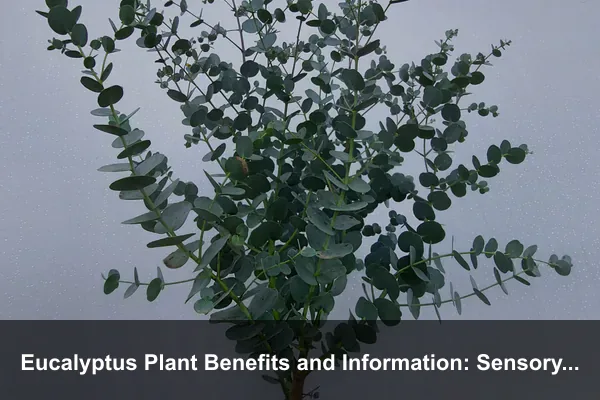
Eucalyptus is often described as a fresh-smelling plant, but that simple label misses what makes it valuable. Its blue-green leaves, upright form, oil-rich foliage, and strong response to sun and wind can turn an ordinary garden corner into a more sensory, practical, and memorable space. For readers looking for Eucalyptus plant benefits and information, the best starting point is not the idea that eucalyptus is a cure-all. It is more useful to understand how the plant works, where it belongs, and how to enjoy its fragrance responsibly.
This guide takes a unique angle: eucalyptus as a plant for scent mapping, outdoor comfort, and mindful garden planning. Instead of repeating general claims about cut foliage, fire risk, or basic harvesting, it focuses on how eucalyptus can shape daily routines through aroma, texture, shade, learning, and safer use. In the broader manfaat tanaman context, eucalyptus is a good example of a plant whose benefits are strongest when beauty, function, and caution are considered together.
A Unique Angle: Eucalyptus as a Scent Map, Not a Cure-All
Many people meet eucalyptus through essential oil, shower bundles, chest rubs, or florist stems. Those products can make the plant feel familiar, but the living plant deserves a more grounded view. Eucalyptus is a genus of trees and shrubs in the myrtle family, and different species vary widely in mature size, leaf color, bark texture, cold tolerance, and oil profile.
A scent map is a simple design idea: place aromatic plants where people naturally brush past, pause, sit, or breathe fresh air. With eucalyptus, this can mean growing a compact potted plant near a bright patio, training young foliage beside a path, or planting a suitable species where wind can carry a light scent without overwhelming a seating area.
The Real Benefit Is Context
Eucalyptus does not need to be turned into oil to be useful. The living plant can add a clean fragrance after rain, a calm visual rhythm through evergreen foliage, and a strong vertical accent in sunny spaces. Its value changes depending on climate, site size, household safety needs, and how closely the plant is maintained.
Why This Approach Is Different
Many eucalyptus articles focus on medicinal uses, cut stems, or broad garden value. This article centers on sensory design and responsible enjoyment. That matters because eucalyptus is powerful. A plant with strong aromatic compounds can be beautiful and useful, but concentrated oil, careless planting, and pet access can create avoidable risks.
Core Eucalyptus Plant Benefits for Homes and Gardens
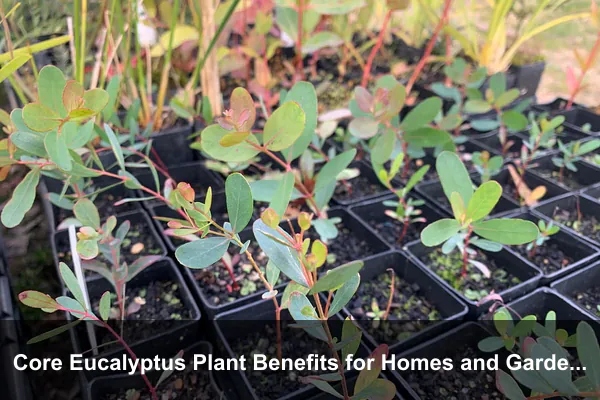
Eucalyptus benefits are best understood in layers. Some are visual, some are practical, and some are emotional. The strongest benefits come from matching the plant to the right location instead of expecting one eucalyptus to solve every garden or wellness goal.
- Aromatic foliage: The leaves release a crisp scent when warmed by sun, moved by wind, or gently brushed.
- Evergreen structure: Many eucalyptus species keep foliage year-round, giving the garden shape when seasonal plants fade.
- Fast visual impact: Young plants often grow quickly in suitable climates, which can help new gardens feel established sooner.
- Low-input potential: Once established in an appropriate site, many species handle lean soil and dry spells better than thirsty ornamental plants.
- Sensory learning: The plant helps families notice leaf shape, scent, bark, juvenile foliage, and the difference between fresh leaves and processed oils.
These benefits should be balanced with mature size, local climate, local invasive concerns, and safety around children and pets. Eucalyptus is not automatically a beginner plant in every region, but it can be rewarding when grown with clear boundaries.
Aroma Without Overuse
The scent of eucalyptus comes from volatile compounds stored in the leaves. You do not need to crush large amounts of foliage or diffuse oil to appreciate it. A light touch, warm air, or a sunny path can release enough aroma for everyday enjoyment. This is the safest and most natural way to experience the plant.
Visual Calm and Strong Lines
Many eucalyptus species have rounded juvenile leaves, narrow adult leaves, or silvery foliage that contrasts well with darker greens. In design terms, eucalyptus can soften hard paving, add height behind herbs, or create a quiet backdrop for flowering plants. Its color works especially well with white, blue, purple, terracotta, and natural wood.
Eucalyptus Information: Species, Scent, and Growth Habits
The name eucalyptus covers hundreds of species, so exact care and size depend on the plant you buy. Some species become tall trees, while others are maintained as coppiced shrubs for decorative juvenile foliage. Before planting, read the nursery label and check mature height, cold tolerance, and whether the plant is suitable for your region.
Botanical references such as Kew Plants of the World Online are useful for understanding plant identity, while gardening references such as the RHS eucalyptus growing guide help clarify practical growing needs. In general, eucalyptus prefers open sun, good air movement, and well-drained soil.
Juvenile Leaves vs. Adult Leaves
One of the most interesting eucalyptus facts is that young foliage can look different from mature foliage. Florist-style round leaves are often juvenile leaves, while older trees may produce longer, narrower leaves higher in the canopy. This is why pruning style affects appearance. A coppiced or regularly pruned plant may keep more rounded young growth, while an unpruned tree develops a more natural tree form.
Oil-Rich Does Not Mean Safe for Every Use
The same aromatic strength that makes eucalyptus appealing also requires care. Fresh leaves, dried leaves, and especially essential oil should be kept away from children who may chew them and from pets that may investigate plant material. Eucalyptus should not be treated as an edible herb like basil or mint.
Choosing Eucalyptus for the Right Space
The best eucalyptus is not always the most fragrant one. The best choice is the plant that fits your climate, space, safety needs, and maintenance style. A small balcony, windy courtyard, suburban garden, and open rural landscape all call for different decisions.
For Patios and Small Gardens
Choose a young plant that can be maintained in a large container for a period of time, and accept that it may not stay small forever. Containers help control growth, improve placement flexibility, and make it easier to move the plant away from pets or high-traffic areas. However, potted eucalyptus needs attentive watering because containers dry faster than garden soil.
For Larger Outdoor Sites
If you have room for a tree, think beyond the first two years. Ask how tall the species can become, how wide the crown may spread, and how far it should stand from walls, pipes, paving, and neighboring properties. A plant that looks graceful in a nursery pot can become a major landscape feature.
For Scent-Mapping Locations
- Place eucalyptus where people pass briefly rather than where they sit for hours.
- Use wind direction to carry scent gently across a path or entrance.
- Keep it away from pet play areas and children’s digging spaces.
- Pair it with non-aromatic plants nearby so the scent does not feel heavy.
- Prune lightly and consistently if you want fresh juvenile foliage.
Care Guide for Healthy Aromatic Foliage
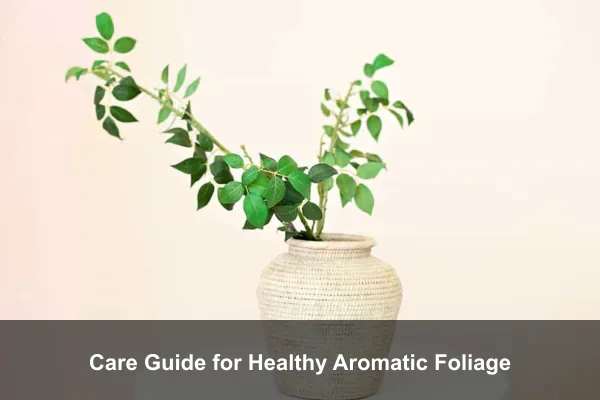
Healthy eucalyptus foliage starts with the basics: sun, drainage, space, and steady establishment. Aromatic plants often smell strongest when grown in bright light, but stressed plants can drop leaves, brown at the edges, or become weak. The goal is not to force fragrance. The goal is to grow a resilient plant.
Light
Most eucalyptus plants need full sun, ideally at least six hours of direct light each day. Indoors, eucalyptus is often disappointing unless the room is exceptionally bright. A sunny outdoor patio, greenhouse, or protected balcony usually works better than a dim room.
Soil and Drainage
Well-drained soil is essential. Heavy, soggy soil can damage roots, especially in containers. Use a pot with drainage holes, avoid decorative outer pots that trap water, and choose a gritty or free-draining mix. In the ground, improve drainage before planting rather than trying to rescue the plant later.
Watering
Young eucalyptus plants need regular water while establishing. Once roots are active and the plant is growing strongly, many species tolerate drier conditions. Containers are different: even drought-tolerant plants can dry out quickly in pots. Water deeply, then let the top layer begin to dry before watering again.
Pruning
Pruning depends on your goal. If you want a tree, remove only damaged or badly placed growth and allow a strong structure to form. If you want juvenile foliage, coppicing or regular pruning may be used where appropriate for the species and climate. Avoid hard pruning during severe heat, drought, or frost stress.
Safe Wellness Uses and Clear Boundaries
Eucalyptus is often associated with breathing comfort and fresh air, but responsible language matters. The scent may help a room or garden feel clearer and more refreshing, yet eucalyptus is not a substitute for medical care. Essential oil is highly concentrated and should be handled differently from a living plant.
According to Poison Control, eucalyptus oil can be dangerous if swallowed, and safety questions should be handled through poison control resources or medical professionals. The ASPCA also lists eucalyptus as toxic to dogs, cats, and horses. These cautions do not mean you can never grow eucalyptus. They mean placement and storage matter.
- Do not ingest eucalyptus leaves or essential oil.
- Do not apply undiluted eucalyptus oil to skin.
- Keep leaves, oils, and dried bundles away from pets and young children.
- Avoid strong eucalyptus vapors around babies, people with asthma, and sensitive pets.
- Ask a qualified health professional before using eucalyptus products during pregnancy, nursing, illness, or medication use.
Shower Bundles and Scented Steam
A eucalyptus shower bundle should be treated as fragrance, not medicine. Hang it where water splashes lightly rather than where leaves soak constantly. Keep the bathroom ventilated, remove old bundles before they mildew, and avoid this practice if pets can access the bathroom or if household members are sensitive to strong scents.
Essential Oil Is Not the Same as the Plant
A leaf on a living plant releases small amounts of aroma into open air. A bottle of essential oil is concentrated plant chemistry. That difference is important. Many safety problems happen when people assume natural means harmless. Natural compounds can still irritate skin, eyes, lungs, and stomachs when misused.
Eucalyptus vs. Kayu Putih in the Manfaat Tanaman Context
For Indonesian readers and anyone familiar with minyak kayu putih, there is an important naming detail. Eucalyptus oil and cajuput oil can smell similar, but they are not always from the same plant. Kayu putih oil is commonly associated with Melaleuca cajuputi and related Melaleuca species, not necessarily eucalyptus. The FAO cajuput crop reference describes cajuput as a distinct essential oil crop in Southeast Asian use.
This distinction helps prevent confusion in plant-benefit discussions. In a manfaat tanaman article, it is tempting to group all fresh, camphor-like oils together. A more accurate approach is to respect plant identity. Eucalyptus, cajuput, tea tree, and other myrtle-family plants may share aromatic qualities, but their safety profiles, traditional uses, and botanical sources are not identical.
Why the Difference Matters
If you are buying a plant, read the botanical name. If you are buying oil, read the product label and safety instructions. If you are writing or learning about plant benefits, avoid assuming that one traditional oil represents every aromatic leaf in the same family. Accurate naming leads to safer use and better gardening decisions.
Design Ideas for a Responsible Eucalyptus Garden
Eucalyptus works best when it has a clear role. Instead of planting it randomly, decide whether you want scent, structure, screening, seasonal learning, or a container feature. This keeps the plant from becoming too large, too close, or too strong for the space.
Fresh-Air Entry
A potted eucalyptus near a sunny entrance can create a clean first impression. Keep the pot outside, use a heavy container so wind does not tip it, and prune lightly to keep the shape open. This arrangement is useful for renters because the plant can move with the household.
Sensory Pathway
Plant eucalyptus near a path only if there is enough room for future growth and safe maintenance. Pair it with rosemary, lavender, ornamental grasses, or silver-leaved perennials for a layered sensory border. Keep the path wide enough that visitors do not have to push through the foliage.
Learning Corner
Eucalyptus can be part of a family learning garden. Children can compare juvenile and mature leaves, observe bark changes, and learn why some plants are smelled but not eaten. This is a useful safety lesson: plant benefits include knowledge, not just direct use.
Common Mistakes to Avoid
Eucalyptus problems often begin with expectations. A plant bought for a small pot may want to become a tree. A scent enjoyed outdoors may feel too intense indoors. A natural oil may be used too casually. Avoiding these mistakes makes eucalyptus easier and safer to appreciate.
- Buying without checking mature size: Always research the species or cultivar before planting in the ground.
- Growing in shade: Low light leads to weak growth and poor foliage quality.
- Overwatering in heavy soil: Roots need oxygen as well as moisture.
- Using leaves as tea: Eucalyptus is not a casual culinary herb.
- Ignoring pets: Keep plant material and oils away from animals that may chew, lick, or inhale strong vapors.
- Confusing eucalyptus with kayu putih: Similar scent does not mean identical plant source.
Frequently Asked Questions
Is eucalyptus a good indoor plant?
Eucalyptus can be grown indoors temporarily in very bright conditions, but it usually performs better outdoors. Most homes do not provide enough direct sun or air movement for long-term healthy growth. A sunny patio container is often more realistic.
Can eucalyptus repel mosquitoes?
Some eucalyptus-derived ingredients are used in repellent products, but a living eucalyptus plant in a pot is not a reliable mosquito-control plan. Remove standing water, use screens, and choose proven repellents when needed.
Does eucalyptus help with relaxation?
Many people find the scent refreshing and calming, especially in open air. The benefit is sensory and personal rather than a guaranteed medical effect. Use gentle exposure and stop if the scent causes irritation.
Is eucalyptus safe for pets?
Eucalyptus is not considered pet-safe. Dogs, cats, and horses should not chew the leaves or be exposed to concentrated oil. If a pet ingests eucalyptus or shows symptoms after exposure, contact a veterinarian or animal poison control service.
How do I make eucalyptus more useful without overusing it?
Use the plant as part of the landscape rather than relying on concentrated products. Place it where you can enjoy the scent outdoors, prune responsibly, and combine it with other plants that provide color, habitat, texture, or edible value.
Conclusion
Eucalyptus is valuable because it brings together fragrance, structure, botanical interest, and practical garden design. The most responsible way to enjoy it is to treat it as a powerful aromatic plant with clear limits. Grow it in sun, give it drainage, respect its mature size, and keep leaves and oils away from children and pets.
When understood through a sensory garden lens, Eucalyptus plant benefits and information become more useful and less exaggerated. Eucalyptus can freshen an outdoor routine, create visual calm, support plant learning, and add year-round character. Its best benefit is not a dramatic promise. It is the everyday value of a well-placed plant used with knowledge, restraint, and respect.
