
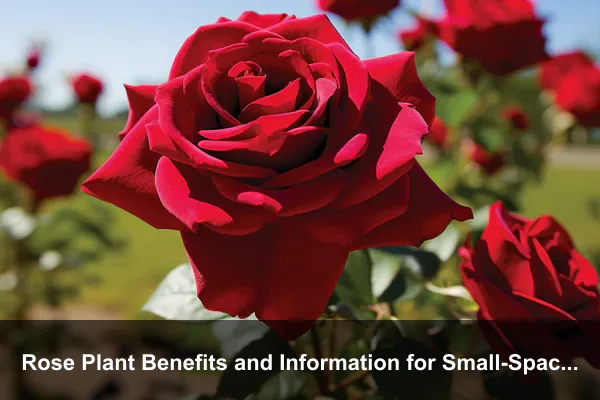
Rose plant benefits and information can be more practical than many gardeners expect, especially for people who do not have a large yard. Roses are often imagined as formal garden plants, but many compact, shrub, miniature, and patio varieties can grow beautifully in containers, courtyards, balconies, rooftop corners, and small sunny spaces. With the right pot, soil, sunlight, and pruning rhythm, a rose plant can become a long-term flowering feature that adds color, scent, pollinator value, and daily enjoyment to a modest home garden.
This guide takes a small-space angle that is different from general rose care advice. Instead of focusing only on symbolism, cut flowers, edible petals, or large landscape borders, it explains how roses can work as container-friendly flowering plants for modern homes. You will learn the key benefits, plant information, pot selection, soil needs, watering habits, pest awareness, and simple design ideas for growing roses in limited outdoor areas.
Why Roses Are Valuable in Small Gardens
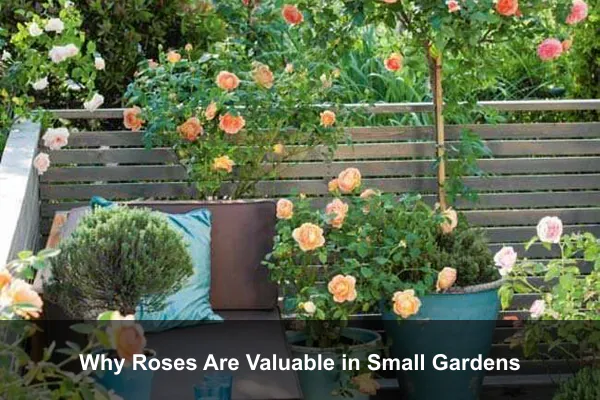
Roses offer more than ornamental beauty. In a small garden, every plant needs to earn its place, and a well-chosen rose can provide multiple benefits at once. It can act as a focal point, soften hard paving, attract helpful insects, produce repeat blooms, and bring fragrance close to doors, windows, or seating areas.
For the niche of manfaat tanaman, or plant benefits, roses are a strong example of how ornamental plants can support emotional comfort and everyday outdoor living. A blooming rose near a balcony chair or patio table can make a small area feel intentional, cared for, and alive.
- Visual impact: Roses deliver strong color in a compact footprint.
- Fragrance value: Many varieties add natural scent without synthetic air fresheners.
- Pollinator support: Open-centered roses can attract bees and beneficial insects.
- Seasonal interest: Repeat-blooming roses can flower through much of the growing season.
- Home atmosphere: Roses make small outdoor spaces feel softer and more personal.
Important Rose Plant Information Before You Grow
The rose belongs mainly to the genus Rosa, a diverse group of flowering shrubs with thousands of cultivated varieties. Some roses are tall climbers, some are landscape shrubs, and others stay compact enough for containers. For small spaces, the best choices are usually patio roses, miniature roses, compact floribundas, dwarf shrub roses, and disease-resistant modern varieties.
Basic Growth Habit
Most roses grow as woody shrubs with thorny stems, compound leaves, and layered or open flowers. Their roots need oxygen, drainage, and steady moisture. In containers, roses depend entirely on the gardener for water and nutrients, so pot quality and care consistency matter more than they do in open ground.
Sunlight Needs
Roses usually perform best with at least six hours of direct sun each day. Morning sun is especially useful because it dries leaves early and can reduce fungal problems. In very hot climates, a little afternoon shade may protect blooms from scorching.
Bloom Types
Some roses bloom in large flushes, while others repeat steadily. For a small-space garden, repeat bloomers are often more satisfying because they provide regular color instead of one short display. Single or semi-double flowers are also helpful if your goal includes supporting pollinators.
Best Benefits of Growing Roses in Containers
Container roses are useful because they bring classic garden value into spaces where traditional planting beds are not possible. A balcony, rental patio, paved courtyard, or narrow walkway can still support a healthy rose if the container is large enough and the site receives strong light.
Flexible Placement
A potted rose can be moved when seasons change, when sunlight shifts, or when a space needs redesigning. This flexibility is valuable for renters and homeowners who want beauty without permanent landscape changes.
Better Soil Control
Container growing allows you to provide a loose, fertile, well-draining mix even if your native soil is heavy clay, compacted, sandy, or poor. This is one of the biggest advantages for beginners because roses dislike roots sitting in waterlogged soil.
Closer Daily Enjoyment
Roses in containers can be placed where people actually spend time. A fragrant rose near a doorway or outdoor chair gives more daily benefit than a rose hidden at the back of a large yard.
Easier Monitoring
Small-space roses are easier to inspect for yellow leaves, aphids, black spot, dry soil, or weak growth. Early attention often prevents small issues from becoming serious plant health problems.
Choosing the Right Rose for a Limited Space
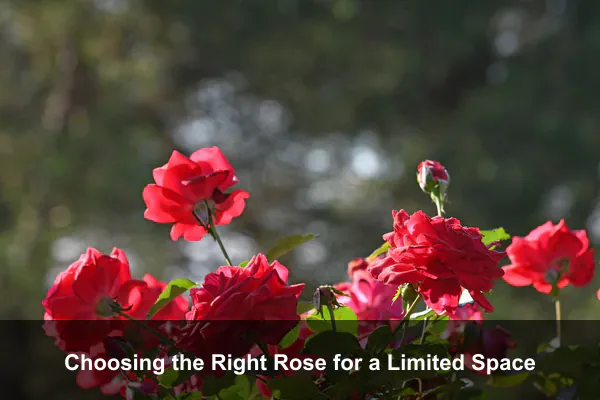
The most important decision is variety selection. A rose that naturally wants to become large will struggle in a small container and may require constant pruning. A compact variety, however, can look balanced and healthy with less work.
Look for rose labels that mention compact growth, patio use, disease resistance, repeat blooming, or suitability for pots. Avoid vigorous climbers unless you have a strong trellis and enough vertical space.
- Miniature roses: Good for tabletop pots and very small balconies, though they still need bright light.
- Patio roses: Bred for containers and compact displays.
- Compact floribundas: Useful when you want clusters of flowers in a medium pot.
- Dwarf shrub roses: Stronger structure and a natural garden look.
- Groundcover roses: Can spill softly over large containers or raised planters.
Pot, Soil, and Drainage Requirements
A rose container should be large enough to support roots, steady moisture, and upright growth. Small decorative pots may look attractive at first, but they dry quickly and restrict the plant. For most compact roses, choose a container at least 12 to 18 inches wide and deep. Larger shrub roses may need even more room.
Container Features
Drainage holes are essential. Without them, water collects at the bottom and can cause root rot. Heavy ceramic, terracotta, resin, fiberglass, or wooden planters can all work, but each has a different water pattern. Terracotta dries faster, while plastic and resin hold moisture longer.
Best Soil Mix
Use a high-quality potting mix, not dense garden soil. A good rose container mix should hold moisture but still drain well. Compost can improve fertility, while perlite, pumice, or coarse organic material can improve air flow around the roots.
Mulching the Pot
A thin layer of organic mulch on top of the soil helps reduce evaporation and keeps the root zone cooler. Keep mulch slightly away from the main stems to reduce disease risk.
Watering and Feeding Container Roses
Roses in pots dry out faster than roses in the ground. The goal is not to keep the soil constantly wet, but to maintain even moisture. Check the top inch of soil with your finger. If it feels dry, water deeply until excess water drains from the bottom.
In hot weather, a container rose may need water every day. In cooler seasons, it may need much less. Always adjust based on soil moisture rather than following a fixed calendar.
Feeding Schedule
Because nutrients wash out of containers, potted roses need regular feeding during active growth. Use a balanced rose fertilizer or slow-release organic fertilizer according to label directions. Avoid overfeeding, which can produce weak, leafy growth and make the plant more vulnerable to pests.
Watering Mistakes to Avoid
- Do not let the pot sit in a saucer full of water for long periods.
- Do not splash leaves every evening, because wet foliage can encourage fungal disease.
- Do not allow repeated severe drying, which causes bud drop and stress.
- Do not use a tiny pot that overheats and dries too quickly.
Pruning, Deadheading, and Airflow
Pruning keeps a container rose balanced, productive, and easier to manage. Remove dead, weak, crossing, or diseased stems whenever you notice them. During the blooming season, deadheading spent flowers encourages many repeat-blooming roses to produce new buds.
Simple Pruning Approach
- Use clean, sharp pruners.
- Cut above an outward-facing leaf bud when shaping stems.
- Remove crowded inner growth to improve airflow.
- Keep the plant open enough for light to reach the center.
- Dispose of diseased leaves instead of composting them near the plant.
Good airflow is especially important in compact spaces where walls, fences, and balcony railings can trap humidity. Leave enough space around the pot so leaves dry quickly after rain or watering.
Common Problems and Safe Solutions
Container roses can face aphids, spider mites, black spot, powdery mildew, and nutrient deficiencies. The best defense is prevention: strong light, good air movement, clean pruning, balanced watering, and resistant varieties.
Aphids
Aphids often gather on tender new shoots and flower buds. A strong spray of water can remove many of them. For heavier infestations, insecticidal soap may help when used according to product directions.
Yellow Leaves
Yellow leaves may come from overwatering, underwatering, nutrient shortage, poor drainage, or natural aging. Check the soil first before adding fertilizer. If the pot is soggy, improve drainage and reduce watering.
Fungal Leaf Spots
Black spot and mildew are more likely when leaves stay wet and crowded. Remove affected leaves, water at soil level, and improve spacing. Choosing disease-resistant roses is one of the most practical long-term solutions.
Design Ideas for Rose Plants in Small Spaces
A rose can be the anchor plant in a small container garden. Pair it with simple companion plants that do not compete aggressively for roots, water, or nutrients. Low-growing herbs, small annuals, or trailing plants can soften the pot edge, but avoid overcrowding.
- Balcony corner: Place one compact rose in a tall planter with a clean saucer system.
- Patio seating area: Use a fragrant rose near chairs where the scent can be enjoyed.
- Entryway display: Choose a neat patio rose for welcoming color.
- Vertical support: Train a small climbing rose only if the structure is strong and the pot is large.
- Pollinator pot cluster: Combine an open-centered rose with flowering herbs nearby.
Safety and Practical Considerations
Rose petals from untreated plants are sometimes used in culinary or herbal traditions, but this article focuses on ornamental container growing. Never consume petals, hips, or leaves from roses treated with pesticides, fungicides, or florist chemicals. If you want edible use, grow roses specifically for that purpose with safe organic practices.
Roses also have thorns, so place containers carefully in narrow walkways, near children’s play areas, or beside frequently used doors. Gloves are useful when pruning or moving pots.
Conclusion
Rose plant benefits and information are especially relevant for small-space gardeners who want beauty, fragrance, and plant value without needing a large yard. A carefully chosen container rose can brighten a balcony, soften a patio, support pollinators, and create a more enjoyable daily outdoor routine.
The key is to match the rose to the space. Choose compact varieties, provide strong sunlight, use a large draining pot, water consistently, feed during active growth, and prune for airflow. With these simple habits, roses can become practical, rewarding flowering plants for modern homes and small gardens.
