
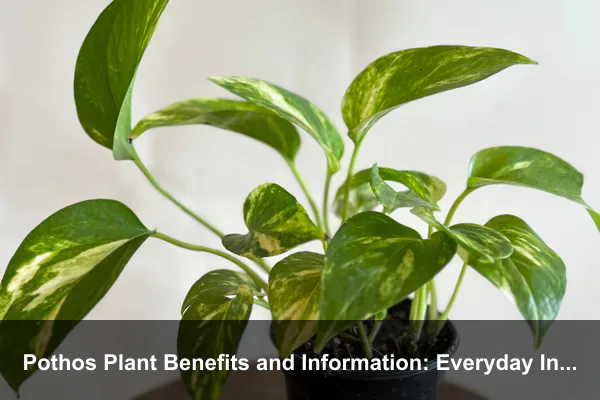
Pothos is one of the most familiar houseplants in the world, but its real value is often misunderstood. Many people know it as an easy trailing vine, yet a healthy pothos can also help create calmer rooms, soften hard interior lines, support beginner gardening confidence, and make indoor plant care feel realistic instead of complicated. This guide explores Pothos plant benefits and information through a practical, everyday lens: how the plant fits into real homes, how to care for it without overthinking, and how to enjoy its beauty while staying honest about safety and wellness claims.
Known botanically as Epipremnum aureum, pothos is valued for its heart-shaped leaves, adaptable growth habit, and forgiving nature. It can trail from a shelf, climb a support, grow in a hanging basket, or brighten a desk corner with minimal fuss. For readers interested in Manfaat Tanaman, or the practical benefits of plants, pothos offers a useful example: the plant is not a miracle cure, but it can make indoor spaces feel fresher, more intentional, and easier to care for when matched with the right light, watering rhythm, and household setup.
Why Pothos Remains a Favorite Indoor Plant
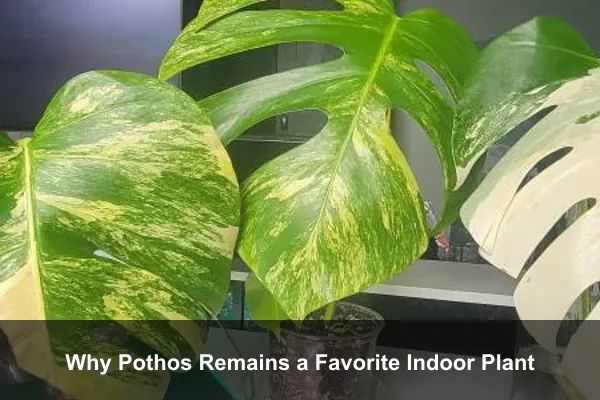
Pothos remains popular because it solves several common indoor gardening problems at once. It tolerates a range of light conditions, does not need constant pruning, recovers well from missed watering, and looks attractive in many room styles. For beginners, this matters. A plant that fails quickly can discourage people from gardening, while a resilient plant like pothos builds confidence through visible growth.
The plant’s vines can grow long and graceful, making it useful in small spaces where floor plants are not practical. A pothos can sit on a bookcase, hang near a bright window, or climb a moss pole to create a vertical green accent. This flexibility makes it especially useful for apartments, shared homes, dorm rooms, home offices, and compact urban interiors.
Basic Pothos Information
Pothos belongs to the aroid family, the same broad plant family that includes philodendrons, monsteras, and peace lilies. In tropical climates, mature pothos can climb trees and produce much larger leaves than it usually does indoors. Inside the home, it is commonly grown as a juvenile foliage plant with trailing stems and glossy leaves.
- Botanical name: Epipremnum aureum
- Common names: pothos, golden pothos, devil’s ivy, money plant in some regions
- Plant type: tropical evergreen vine
- Indoor growth style: trailing, climbing, hanging, tabletop, or shelf plant
- Best for: beginners, busy plant owners, small rooms, offices, and decorative greenery
- Important safety note: toxic if chewed or eaten by pets or children
One reason pothos is sometimes called devil’s ivy is its ability to keep growing in less-than-perfect conditions. This does not mean the plant is indestructible, but it is more adaptable than many decorative houseplants. That resilience is a major part of its benefit.
Main Pothos Plant Benefits for the Home
The benefits of pothos are best understood as practical, visual, and emotional rather than medical. It improves the way a room feels, encourages simple plant-care habits, and offers flexible decoration with living foliage. It may also contribute modestly to a more pleasant indoor environment, especially when used as part of a broader healthy-home routine.
It Makes Indoor Spaces Feel Softer and More Alive
Modern interiors often contain hard surfaces: screens, desks, tile, metal fixtures, painted walls, and storage furniture. Pothos adds organic shape and movement. Its trailing vines break up straight lines, while the heart-shaped leaves introduce a relaxed natural pattern. This visual softness can make a room feel more comfortable without requiring major design changes.
For people who want indoor greenery but do not have space for large plants, pothos is especially useful. One well-placed pot can create a strong green effect from a shelf, window ledge, or hanging basket. This makes pothos valuable for small-space living where every surface matters.
It Supports Beginner Gardening Habits
Pothos is forgiving, but it still responds clearly to care. Leaves may droop when the plant is thirsty, yellow when watering is excessive, or fade when light is too weak for strong variegation. These visible signals help beginners learn how plants communicate. Over time, a pothos can teach practical skills such as checking soil moisture, rotating pots, trimming vines, and observing seasonal growth.
This learning benefit is often overlooked. A houseplant that gives readable feedback helps people develop confidence. Instead of following rigid rules, the owner learns to notice the plant’s condition and adjust care accordingly.
It Helps Build a Simple Indoor Care Rhythm
A good pothos routine does not need to be complicated. The plant works well with a weekly check-in: touch the soil, look at the leaves, remove dead growth, and rotate the pot if needed. This small routine can become a calming household habit. The benefit is not only the plant’s appearance, but the repeated act of noticing and caring for something living.
For many homes, this is where pothos fits best. It is not demanding, but it invites attention. A few minutes of care each week can keep the plant attractive and make the room feel more tended.
Care Rhythm: How to Keep Pothos Healthy Without Overdoing It
Pothos care becomes easier when you think in rhythms rather than strict schedules. The plant’s needs change with light, temperature, pot size, season, and soil type. Instead of watering every exact number of days, use a simple observation-based approach.
Light: Bright Indirect Light Is Ideal
Pothos can survive in lower light, but it grows best in bright, indirect light. A spot near an east-facing window, several feet from a sunny south or west window, or in a bright room with filtered light is usually suitable. Variegated types, such as golden pothos or marble queen pothos, need enough light to maintain their color patterns.
In very low light, pothos may continue living but grow slowly. Leaves may become smaller, vines may stretch, and variegation may fade. In direct harsh sun, leaves can scorch, especially if the plant is close to hot glass. The goal is steady brightness without burning heat.
Watering: Let the Top Soil Dry
The most common pothos mistake is overwatering. Pothos roots need oxygen, and soil that stays constantly wet can cause root stress or rot. Let the top layer of soil dry before watering again. In many homes, that means watering every one to two weeks, but the exact timing depends on conditions.
- Touch the top 1 to 2 inches of soil.
- If it feels dry, water thoroughly until excess drains from the bottom.
- Empty any saucer so the pot does not sit in standing water.
- If the soil still feels damp, wait a few more days and check again.
Drooping leaves can mean the plant is thirsty, but they can also appear when roots are damaged from too much water. Always check the soil before reacting. This simple habit prevents many pothos problems.
Soil and Potting: Drainage Matters More Than Fancy Mixes
Pothos does not need a rare or expensive potting medium. A well-draining indoor potting mix is usually enough. If your home is humid or you tend to water generously, adding perlite, orchid bark, or another aerating material can help keep the roots healthier. The pot should have drainage holes unless you are using a nursery pot inside a decorative cover pot.
Repotting is usually needed when roots circle the pot tightly, water runs through too quickly, growth slows despite good care, or the plant dries out much faster than before. Choose a pot only slightly larger than the old one. Oversized pots can hold too much moisture around the roots.
Pothos Benefits by Room and Lifestyle

One useful way to understand pothos is to match it to household routines. The best placement is not only about beauty; it is also about light, safety, and how often you will notice the plant. A pothos that sits where you naturally pass by is easier to care for than one hidden in a forgotten corner.
Home Office
In a home office, pothos can soften the look of screens, shelves, and work equipment. A small pot near indirect light can make the workspace feel less sterile. Because pothos does not usually demand daily care, it suits people who want greenery without interrupting their work routine.
Place it where vines will not interfere with cables, keyboards, or moving drawers. If you have limited desk space, use a wall shelf or hanging planter. The plant should be visible enough to enjoy, but not positioned where leaves brush against electronics or block airflow around devices.
Living Room
The living room is often the best place for a full trailing pothos because it usually has more space and better light. A plant on a high shelf can create a natural cascading effect, while a climbing pothos can add height beside a bookcase or media console. Pothos pairs well with wood, ceramic, neutral walls, and colorful textiles because its foliage is decorative without being visually heavy.
For households with pets or young children, height is important. Keep vines trimmed above reach and avoid letting long stems hang low enough to be chewed. Pothos is beautiful, but it should be displayed responsibly.
Kitchen
A kitchen pothos can look fresh and lively, especially near a bright window. However, it should not sit directly beside heat sources, greasy cooking zones, or areas where leaves may touch food preparation surfaces. The kitchen can be a good location if the plant has bright indirect light and enough distance from the stove.
Because kitchens often have fluctuating warmth and humidity, check soil moisture carefully. Some kitchens dry plants quickly, while others keep soil damp longer. Let the plant’s actual soil condition guide your watering.
Bedroom
Pothos can work in a bedroom if the room has enough natural light. Its quiet foliage can make the space feel calmer and more finished. Still, avoid exaggerated claims that pothos will dramatically purify bedroom air or transform sleep quality on its own. Its benefit is better described as visual calm, natural texture, and a pleasant care routine.
Place the plant on a dresser, shelf, or hanging hook where it receives gentle light and does not crowd the bed area. If pets sleep in the room, choose a higher location and monitor fallen leaves.
Popular Pothos Types and How to Choose One
Different pothos varieties offer different looks, but their care is broadly similar. The best choice depends on your light conditions, design preference, and patience for slower growth. Highly variegated varieties may need brighter light and may grow more slowly than greener types.
Golden Pothos
Golden pothos is the classic choice, with green leaves splashed with yellow or gold. It is vigorous, forgiving, and easy to find. This is often the best pothos for beginners because it balances beauty and resilience.
Marble Queen Pothos
Marble queen pothos has creamy white and green marbling. It is elegant but usually needs brighter indirect light to maintain strong variegation. In dim rooms, it may grow slowly or produce greener leaves.
Neon Pothos
Neon pothos has bright chartreuse leaves that can light up darker decor. It looks especially good in simple pots because the foliage color is already bold. Give it medium to bright indirect light for the strongest color.
Jade Pothos
Jade pothos has solid green leaves and is useful for lower-light rooms. It may not have dramatic variegation, but it offers a clean, classic look and dependable growth.
N’Joy and Pearls and Jade
These compact variegated types have smaller leaves with white, green, and sometimes gray-green patterns. They are attractive for desks and small shelves, but they often grow more slowly. They are best for people who enjoy detail and do not need fast trailing growth.
Safety, Pets, and Realistic Wellness Claims
Pothos is commonly grown indoors, but it is not edible. The plant contains insoluble calcium oxalate crystals, which can irritate the mouth, throat, and digestive tract if chewed. This is important for homes with cats, dogs, toddlers, or curious children.
How to Display Pothos Safely
- Keep pots and trailing vines out of reach of pets and small children.
- Trim long vines before they hang low enough to be chewed.
- Clean fallen leaves promptly.
- Wash hands after pruning or propagating, especially if you have sensitive skin.
- Call a veterinarian or medical professional if ingestion is suspected.
Safety does not mean avoiding pothos entirely. It means placing it thoughtfully. Hanging baskets, high shelves, wall-mounted planters, and closed rooms can reduce risk while still allowing you to enjoy the plant.
Air Quality: Helpful Context Without Hype
Pothos is often mentioned in conversations about indoor air quality. Laboratory studies have shown that some houseplants can interact with certain airborne compounds under controlled conditions. However, a few houseplants in a normal home should not be treated as a replacement for ventilation, cleaning, humidity control, or reducing pollution sources.
The realistic benefit is that pothos contributes to a greener, more pleasant indoor setting. It may support a sense of freshness and care, but it should be part of a broader healthy-home approach. Open windows when outdoor conditions are suitable, manage dust, avoid excess moisture, and choose low-emission household products when possible.
Common Pothos Problems and Simple Fixes
Because pothos is resilient, problems usually come from a few repeated issues: too much water, too little light, poor drainage, pests, or neglected pruning. The plant often gives warning signs before it declines badly.
Yellow Leaves
Occasional yellow leaves are normal, especially older leaves near the base. Many yellow leaves at once may indicate overwatering, poor drainage, cold stress, or low light. Check the soil first. If it is wet and heavy, let it dry and inspect the roots if the problem continues.
Brown Tips or Edges
Brown tips can come from inconsistent watering, dry air, fertilizer buildup, or old leaf damage. Trim damaged tips if desired, but focus on improving the routine. Water thoroughly when needed, avoid letting the plant swing between bone-dry and soaked, and flush the soil occasionally if you fertilize.
Leggy Vines
Long vines with wide gaps between leaves usually mean the plant needs more light or pruning. Move it to brighter indirect light and trim back bare sections. Pruned stems can often be propagated, giving you fuller pots or new plants to share.
Pests
Pothos can attract common indoor pests such as spider mites, mealybugs, scale, or fungus gnats. Inspect leaves, stems, and soil surface during your weekly care check. Early action is easier than treating a severe infestation. Wipe leaves, isolate affected plants, and use appropriate houseplant-safe treatments when needed.
A Practical Pothos Care Checklist
A simple checklist keeps pothos care consistent without turning it into a chore. Use this rhythm as a starting point and adjust based on your home.
Weekly
- Check soil moisture with your finger.
- Look for yellowing leaves, pests, or drooping stems.
- Rotate the pot if growth is leaning strongly toward the light.
- Confirm vines are not within reach of pets or children.
Monthly
- Dust leaves gently with a damp cloth.
- Trim overly long or bare vines.
- Check drainage holes for circling roots.
- Review whether the plant’s location still provides enough light.
Seasonally
- Reduce watering slightly in cooler, darker months.
- Resume more active watering when growth increases in brighter seasons.
- Repot only when the plant is genuinely root-bound.
- Refresh your display if vines are crowding shelves, windows, or furniture.
This steady rhythm is one of the best benefits of pothos. It encourages observation instead of guesswork. The more you notice the plant, the easier it becomes to care for it correctly.
How to Use Pothos for Better Indoor Design
Pothos is not only a plant-care choice; it is also a design tool. Its vines can guide the eye, soften empty corners, and add height or movement. The key is to place it with purpose rather than setting it wherever space happens to be available.
Use Trailing Growth to Soften Shelves
A pothos on a shelf can make books, storage boxes, and decor feel less rigid. Let a few vines trail naturally, but prune before they become tangled or dusty. This keeps the plant looking intentional.
Use Climbing Growth for a Fuller Look
If you want larger leaves and a more upright shape, train pothos on a moss pole, coir pole, trellis, or wall support. Climbing growth can look fuller and more structured than loose trailing vines. This is useful in narrow spaces where a hanging plant might get in the way.
Repeat Small Pothos Plants for Visual Rhythm
Instead of one very long vine, you can use several small pothos plants across a room. Repetition creates a calm visual rhythm and helps connect separate zones. For example, one plant near a window, one on a work shelf, and one on a high kitchen ledge can make a home feel more cohesive.
Conclusion
Pothos is popular for good reason: it is adaptable, attractive, beginner-friendly, and useful in many types of indoor spaces. The most valuable Pothos plant benefits and information are practical rather than exaggerated. This plant can improve the feeling of a room, support simple care habits, offer flexible styling options, and help new plant owners learn how to observe living greenery with confidence.
To get the best from pothos, give it bright indirect light when possible, water only after the top soil begins to dry, use a pot with drainage, and keep it safely away from pets and children. When cared for with a steady rhythm, pothos becomes more than a decorative vine. It becomes a reliable part of a greener, calmer, and more intentional indoor home.
