
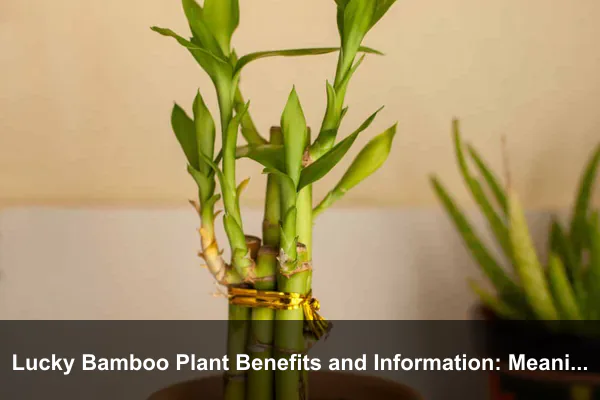
Lucky bamboo is one of the most recognizable indoor plants because it looks elegant, grows well in small spaces, and can live happily in a simple glass vase with water and pebbles. Despite its name, lucky bamboo is not a true bamboo. It is usually Dracaena sanderiana, a tropical foliage plant valued for its upright canes, bright green leaves, and strong symbolic meaning in homes, offices, shops, and gift arrangements.
This guide explains Lucky Bamboo plant benefits and information from a practical indoor-growing perspective. You will learn what makes it different from common houseplants, why people associate it with good fortune, how to grow it in water or soil, and how to avoid the most common problems such as yellow stalks, algae, soft roots, and leaf burn.
What Is Lucky Bamboo?
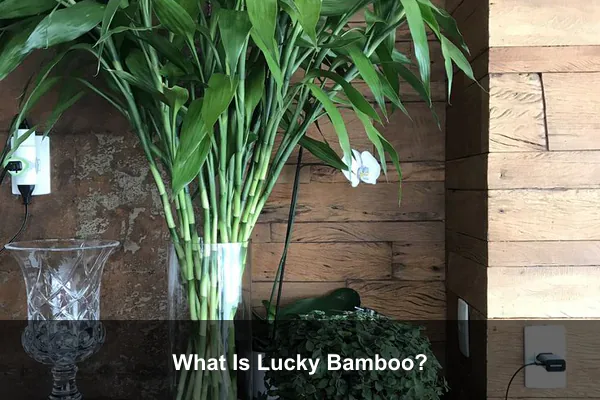
Lucky bamboo is a compact ornamental plant commonly sold as straight stalks, curled stems, braided towers, or tiered arrangements. The canes resemble bamboo culms, but botanically the plant belongs to the Dracaena group. This matters because its care needs are closer to other dracaenas than to outdoor bamboo.
In nature, Dracaena sanderiana grows in warm, humid environments. Indoors, it adapts well to bright indirect light, stable temperatures, and clean water. Its ability to root in water makes it especially popular for desks, counters, reception areas, and small apartments where a traditional pot and soil may feel messy or inconvenient.
Quick Lucky Bamboo Facts
- Botanical identity: Usually Dracaena sanderiana, not true bamboo.
- Best indoor light: Bright, filtered, indirect light.
- Growing method: Water with pebbles or well-draining potting mix.
- Difficulty level: Beginner-friendly when water quality is managed.
- Common uses: Feng shui display, small-space decor, office plant, symbolic gift.
- Pet safety: Dracaena plants can be toxic to cats and dogs if chewed.
Lucky Bamboo Plant Benefits
The benefits of lucky bamboo are not limited to decoration. Its value comes from a mix of visual simplicity, cultural symbolism, easy placement, and low-maintenance indoor care. It is a plant that suits people who want greenery without needing a large pot, balcony, or complicated plant routine.
1. It Brings Greenery to Small Spaces
One of the biggest benefits of lucky bamboo is its compact form. A few stalks can fit on a work desk, bathroom shelf, windowsill near filtered light, bedside table, or kitchen counter. Unlike large indoor trees, it does not demand floor space. This makes it useful for renters, dorm rooms, studio apartments, and offices with limited room.
2. It Has Strong Symbolic Meaning
Lucky bamboo is widely connected with prosperity, resilience, harmony, and positive energy. Many people give it as a housewarming, business-opening, wedding, or New Year gift because the plant feels thoughtful without being difficult to maintain. The symbolism is strongest when the arrangement is clean, healthy, and placed with intention.
3. It Is Easy to Grow in Water
Many indoor plants decline quickly when grown in standing water, but lucky bamboo is commonly cultivated this way. A vase, clean pebbles, and enough water to cover the roots are often all it needs. This water-growing habit makes root observation easy, helps beginners understand plant health, and reduces the need for frequent repotting.
4. It Adds a Calm, Minimal Look
Lucky bamboo has a clean vertical shape that works well with modern, minimalist, Asian-inspired, tropical, and natural interiors. Its straight stalks create order, while its leafy tops soften hard surfaces. For work areas, the plant can add a calm visual point without becoming visually busy.
5. It Encourages Simple Plant Care Habits
Because lucky bamboo reacts clearly to poor water, direct sun, and neglect, it teaches useful plant-care habits. Yellow leaves, cloudy water, and soft stalks are signals that conditions need adjustment. For beginners, this feedback can be easier to understand than the hidden soil problems of many potted plants.
Lucky Bamboo Meaning and Feng Shui Symbolism
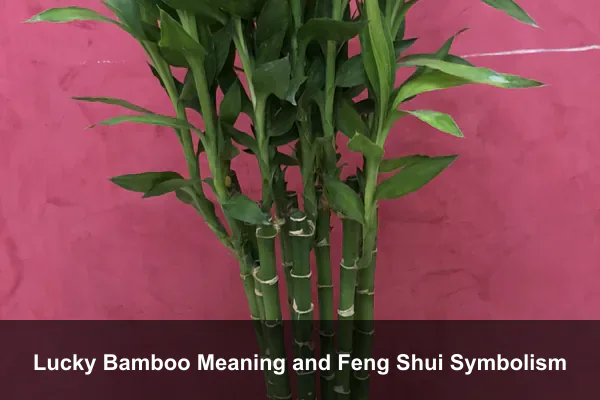
The phrase “lucky bamboo” comes from the plant’s cultural association with fortune and balanced energy. In feng shui-inspired decorating, the plant is often used to represent growth, flexibility, and harmony. While results should not be treated as guarantees, the symbolism can make the plant more meaningful as a decorative object or gift.
Meaning by Number of Stalks
Lucky bamboo arrangements often carry meaning based on the number of stalks. Interpretations can vary by tradition and seller, but the following meanings are commonly used:
- Two stalks: Love, partnership, and balanced relationships.
- Three stalks: Happiness, long life, and general good fortune.
- Five stalks: Balance in important areas of life.
- Six stalks: Smooth progress and helpful luck.
- Eight stalks: Growth, abundance, and prosperity.
- Nine stalks: Completion, blessing, and strong positive symbolism.
Four stalks are often avoided in traditional symbolism because the number is considered unlucky in some East Asian cultures. If the plant is being chosen as a gift, a three-, five-, or eight-stalk arrangement is usually a safer and more positive choice.
Best Placement Ideas
For practical care, place lucky bamboo where it receives bright indirect light and stable temperatures. For symbolic placement, many people display it near an entry table, work desk, cash counter, living room shelf, or reception area. The most important rule is simple: the plant should look healthy, clean, and intentional. A neglected vase with cloudy water will not create a pleasant effect, no matter where it sits.
How to Grow Lucky Bamboo in Water
Growing lucky bamboo in water is the most popular method because it highlights the plant’s simple beauty. However, water-grown lucky bamboo still needs maintenance. The roots need oxygen, the stalks need stability, and the water must be kept fresh enough to prevent odor, algae, and root rot.
Choose the Right Container
A clear glass vase is attractive because it shows the roots and pebbles, but it also allows more light to reach the water, which can encourage algae. If algae becomes a regular issue, use an opaque ceramic container or move the vase slightly farther from strong light.
The container should be tall enough to support the stalks. Short, narrow vases can tip over when the leafy growth becomes heavy. Add clean pebbles, glass stones, or clay balls around the base to hold the stalks upright.
Use Clean, Low-Chemical Water
Lucky bamboo can be sensitive to chemicals and mineral buildup in tap water. If your plant develops brown leaf tips or yellowing without another clear cause, water quality may be the issue. Filtered water, rainwater, or bottled water can help. If you use tap water, let it sit uncovered for several hours before adding it to the vase.
Keep the water level just high enough to cover the roots. Submerging too much of the cane can increase the risk of rot. The roots should be underwater, but the main stalk should not be deeply soaked.
Change the Water Regularly
Replace the water about once a week or whenever it becomes cloudy. Rinse the pebbles and vase if you notice slime or algae. Clean water is one of the most important parts of lucky bamboo care, especially for indoor arrangements that sit in warm rooms.
Growing Lucky Bamboo in Soil
Although water culture is common, lucky bamboo can also grow well in soil. Soil-grown plants often become stronger over time because the roots receive more support and nutrients. This method is useful if you want a fuller, longer-lasting plant rather than a decorative water arrangement.
Best Soil Mix
Use a light, well-draining potting mix. A standard indoor plant mix can work if it does not stay soggy. To improve drainage, add perlite, pumice, orchid bark, or coarse sand. The goal is a mix that holds light moisture but does not trap excess water around the roots.
Pot and Drainage Tips
Choose a pot with drainage holes. Decorative cachepots are fine, but the inner pot should drain freely. After watering, empty any water that collects in the outer container. Sitting in waterlogged soil can cause yellowing leaves, mushy stems, and root rot.
Watering Soil-Grown Lucky Bamboo
Keep the soil lightly moist, not constantly wet. Water when the top layer begins to feel dry. In cooler rooms or low-light corners, the plant will use water more slowly, so check the soil before watering again. Overwatering is more harmful than slightly delayed watering.
Light, Temperature, and Humidity Needs
Lucky bamboo is forgiving, but it does have limits. Most indoor problems come from direct sun, cold drafts, poor water, or stagnant conditions. Understanding its natural preference for warm filtered light makes care much easier.
Light Requirements
Lucky bamboo grows best in bright indirect light. It should not sit in harsh afternoon sun, which can scorch leaves and turn them pale or brown. A spot near a bright window with a sheer curtain is ideal. It can tolerate lower light, but growth may become slower and leaf color may fade.
Temperature Range
Keep lucky bamboo in a warm, stable room. Avoid placing it near air conditioners, heaters, cold windows, or exterior doors that create sudden temperature changes. Consistency is more important than intense warmth.
Humidity and Airflow
Average indoor humidity is usually acceptable. If leaf tips dry out, improve water quality first, then consider humidity. A nearby tray of water, occasional room humidification, or grouping plants together can help. Avoid sealing the plant in a damp, airless area because stagnant moisture can encourage fungal issues.
Feeding and Maintenance
Lucky bamboo does not need heavy feeding. In fact, too much fertilizer can damage roots and cause yellowing. The plant is naturally slow to moderate in growth indoors, so a gentle approach is better than frequent feeding.
Fertilizer for Water-Grown Plants
Use a very diluted liquid houseplant fertilizer only occasionally. A few drops in fresh water every one to two months during active growth is usually enough. If the water becomes cloudy quickly after feeding, reduce the amount or stop fertilizing for a while.
Fertilizer for Soil-Grown Plants
For plants in soil, feed lightly during the growing season with a balanced indoor plant fertilizer at reduced strength. Avoid fertilizing when the plant is stressed, recently repotted, or sitting in very low light.
Pruning and Shaping
Lucky bamboo stalks usually do not grow taller from the cut cane itself. New leafy shoots emerge from nodes along the stalk. You can trim these shoots to control height and encourage a tidier shape. Use clean scissors or pruning shears, and cut above a node when possible.
The curled shapes seen in stores are created by slowly rotating the plant toward light over time. This is not quick, but it can be done patiently. Most home growers prefer to maintain the shape they bought rather than train dramatic curls from scratch.
Common Lucky Bamboo Problems and Solutions
Lucky bamboo is easy to care for, but certain symptoms should be addressed quickly. A yellow leaf is not always serious, but a yellow or soft stalk can mean the plant is declining from the inside.
Yellow Leaves
Yellow leaves may be caused by direct sun, fertilizer burn, poor water quality, or natural aging. Remove fully yellow leaves and correct the growing conditions. If only old lower leaves turn yellow occasionally, it may be normal. If many leaves yellow at once, check light and water immediately.
Yellow Stalks
A yellow stalk is more serious than a yellow leaf. It can indicate rot, chemical stress, or severe damage. Remove the affected stalk from the arrangement so the problem does not spread. If the top is still green and firm, you may be able to cut a healthy section and root it separately.
Brown Leaf Tips
Brown tips are often linked to fluoride, chlorine, salts, dry air, or inconsistent watering. Switch to filtered water and trim only the brown edges if they bother you visually. Do not cut into healthy green tissue more than necessary.
Algae in the Vase
Algae grows when light reaches nutrient-rich water. Clean the vase, rinse the pebbles, refresh the water, and reduce direct light on the container. An opaque vase is the easiest long-term fix.
Soft or Mushy Stems
Soft stems usually mean rot. Remove the damaged cane immediately. Clean the container thoroughly before returning healthy stalks. For future prevention, keep only the roots underwater and change the water regularly.
How to Propagate Lucky Bamboo
Propagating lucky bamboo is straightforward when the parent plant has healthy green shoots. Propagation is useful if your arrangement has become too tall, if you want to save a healthy top from a declining stalk, or if you want to create a new plant as a gift.
- Select a healthy shoot with bright leaves and a firm stem.
- Cut the shoot using clean scissors or pruning shears.
- Place the cutting in clean water so the lower node is submerged.
- Keep it in bright indirect light while roots develop.
- Refresh the water weekly to prevent odor and bacterial buildup.
- Move to soil or keep in water once roots are established.
Do not propagate from mushy, yellow, or foul-smelling sections. A cutting is only as strong as the tissue it starts from.
Lucky Bamboo Safety and Buying Tips
Before bringing lucky bamboo home, it helps to know how to choose a healthy plant and where to place it safely. A good plant should have firm green stalks, fresh leaves, clean roots, and no sour smell from the container.
Is Lucky Bamboo Safe for Pets?
Lucky bamboo belongs to the dracaena group, which can be toxic to cats and dogs if chewed. Keep it away from curious pets and small children. If a pet eats part of the plant and shows symptoms such as vomiting, drooling, appetite loss, or unusual behavior, contact a veterinarian promptly.
How to Choose a Healthy Plant
- Pick stalks that are firm, green, and evenly colored.
- Avoid canes with yellow sections, black spots, or soft bases.
- Check that the roots look fresh, not slimy or foul-smelling.
- Choose arrangements with clean water and stable support stones.
- Look for leaves that are green rather than scorched, curled, or heavily browned.
Best Uses Indoors
Lucky bamboo works especially well where a traditional plant pot may be inconvenient. It can brighten a desk, add vertical detail to a shelf, soften a bathroom vanity with enough light, or create a welcoming display near an entry area. For business settings, it is popular because it looks polished and does not shed heavily.
Conclusion
Lucky bamboo is a distinctive indoor plant because it combines simple care, compact beauty, and strong symbolic meaning. Its cane-like stems make it look like bamboo, but its true identity as a dracaena explains why it prefers warm rooms, filtered light, clean water, and gentle feeding.
The main secret to success is consistency. Give your lucky bamboo bright indirect light, keep the water fresh, avoid over-fertilizing, and respond quickly to yellow or soft stalks. Whether you grow it in a vase of pebbles or a pot of well-draining soil, lucky bamboo can become a long-lasting indoor accent and a meaningful gift plant for homes, offices, and small spaces.
