
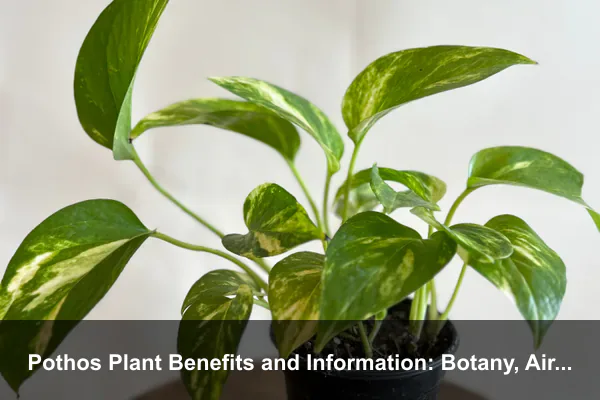
Pothos is one of the most familiar houseplants in the world, but its popularity can make people underestimate it. Behind the simple trailing vines is a hardy tropical aroid with useful indoor benefits, clear safety limits, and a surprisingly interesting growth story. A good guide to Pothos plant benefits and information should do more than repeat that this plant is easy to grow. It should explain why pothos adapts so well indoors, what benefits are realistic, and how to keep it in a way that supports both home comfort and responsible plant ownership.
This article takes a practical, myth-aware approach. Pothos can make a room feel greener, softer, and more lived-in, and it can help beginners build steady plant-care habits. It is also not a medical treatment, a full air purifier, or a harmless snack for pets. Understanding those boundaries makes the plant more valuable, not less. When treated as a living houseplant rather than a decorative object, pothos becomes a useful example of everyday plant benefits: beauty, routine, observation, and a healthier relationship with indoor spaces.
What Pothos Actually Is
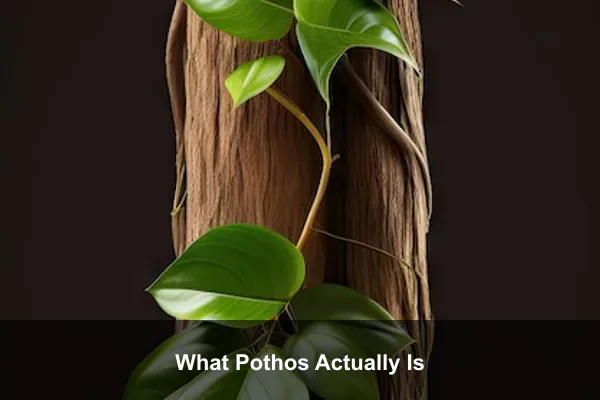
Pothos is commonly sold under names such as golden pothos, devil’s ivy, money plant, and sometimes simply pothos. Its botanical name is Epipremnum aureum. It belongs to the aroid family, Araceae, the same broad plant family that includes monstera, peace lily, philodendron, and many other tropical foliage plants. This family connection helps explain several pothos traits: flexible climbing growth, aerial roots, glossy leaves, and a preference for warm, relatively stable conditions.
A Tropical Vine With Indoor Patience
In its natural or outdoor tropical setting, pothos is not just a small tabletop plant. It is a climbing vine that can attach to trees and vertical surfaces using aerial roots. As it climbs and matures, the leaves can become much larger than the juvenile leaves usually seen indoors. In homes, offices, classrooms, and small apartments, pothos typically remains in its juvenile form because light, humidity, and vertical support are limited compared with a tropical forest.
This difference matters because it helps owners set better expectations. A pothos on a bookshelf is not failing because it does not look like a giant outdoor vine. It is simply responding to its indoor environment. The benefit of that adaptability is clear: pothos can stay attractive and manageable in spaces where many more demanding plants would decline quickly.
Pothos Versus Similar Vining Plants
Pothos is often confused with heartleaf philodendron and some trailing scindapsus plants. The easiest way to think about pothos is through leaf texture and growth. Pothos leaves are usually thicker, glossier, and more waxy than heartleaf philodendron leaves. Many common pothos types also show cream, yellow, white, or pale green variegation. These differences are useful when buying plants, identifying care needs, or checking whether advice online applies to the plant you actually own.
Realistic Pothos Plant Benefits
The benefits of pothos are strongest when they are described honestly. It is valuable because it is resilient, visually calming, easy to place, and responsive to care. It is not valuable because it can magically solve every indoor health concern. A realistic view helps people enjoy the plant without overclaiming what it can do.
Visual Softness and Everyday Greenery
One of the clearest pothos benefits is visual. A trailing vine changes the feeling of a room by adding movement, texture, and natural color. Its stems can soften hard lines around shelves, cabinets, windows, and desks. In minimal rooms, pothos adds warmth without requiring a large floor footprint. In busy rooms, it can connect separate areas visually by letting greenery repeat across different levels.
This benefit may sound simple, but it is important. People often keep indoor plants because they make a space feel more cared for. Pothos supports that goal with minimal equipment. A healthy vine in a clean pot can make a rented room, shared office, or compact apartment feel more settled.
Routine, Observation, and Plant Confidence
Pothos is especially useful for people learning plant care because it gives readable feedback without collapsing immediately. Leaves may droop when the plant is thirsty, fade when light is too low for strong variegation, or yellow when roots stay wet too long. These signals teach observation. Over time, owners learn to check soil moisture, notice seasonal light changes, and adjust care based on the plant rather than a rigid schedule.
That learning value is a real plant benefit. Many people fail with houseplants because they water by habit or decorate first and think about plant needs later. Pothos encourages a better approach: look, touch the soil, compare the leaves, then decide.
Air Quality: Helpful Context Without Hype
Pothos is often listed as an air-purifying plant. Laboratory studies have shown that some houseplants can absorb certain volatile organic compounds under controlled conditions. However, a normal home is not a sealed test chamber. Air volume, ventilation, furniture, cleaning products, outdoor pollution, and heating or cooling systems all affect indoor air far more than one small pot of pothos.
The balanced conclusion is this: pothos may participate modestly in a healthier indoor environment, but it should not replace ventilation, source control, cleaning, or a proper air purifier when one is needed. Its strongest wellness value is indirect: it makes rooms feel greener, encourages care routines, and can support a calmer visual environment.
- Realistic benefit: Adds living greenery and soft visual texture.
- Realistic benefit: Helps beginners learn plant care through visible feedback.
- Realistic benefit: Fits shelves, hanging planters, desks, and vertical spaces.
- Overstated claim: One pothos plant can clean all indoor air.
- Overstated claim: Pothos can treat stress, illness, allergies, or sleep problems.
Safety and Responsible Ownership
Any complete article on Pothos plant benefits and information should include safety. Pothos is common, but common does not mean edible or risk-free. The plant contains insoluble calcium oxalate crystals, which can irritate the mouth, throat, and digestive tract if chewed or swallowed.
Pets, Children, and Sensitive Households
Pothos should be kept away from cats, dogs, and young children who may chew leaves. Symptoms after chewing can include drooling, mouth irritation, vomiting, or difficulty swallowing. Serious reactions are not the usual outcome from a small taste, but the plant is still considered toxic and should not be treated casually.
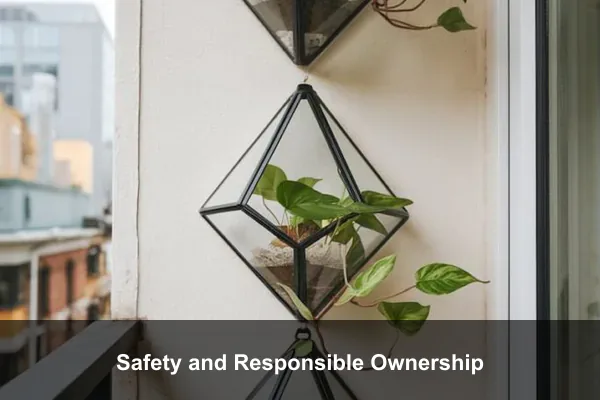
The safest placement is high, stable, and out of reach. Hanging planters, upper shelves, wall-mounted pots, and plant stands can work well, but vines should be managed so they do not dangle into reach. If a pet is persistent, a closed plant room or a different non-toxic plant may be the better choice.
Outdoor Responsibility in Warm Climates
Pothos can grow aggressively outdoors in frost-free tropical and subtropical regions. In some warm areas, it may climb trees, spread beyond cultivation, and become difficult to control. This is especially relevant for readers in humid climates where the plant can survive outdoors year-round.
Responsible growing means keeping pothos contained when local conditions allow it to become invasive. Do not dump cuttings in natural areas, waterways, vacant lots, or garden edges. Bag unwanted plant material, compost only where appropriate, and check local guidance if you live in a region where pothos is known to spread outdoors. A houseplant can be low-risk indoors and still require caution outside.
Care Information That Protects the Benefits
Pothos benefits are easiest to enjoy when the plant is healthy. Fortunately, its care needs are simple. The key is not perfection; it is consistency. Light, water, soil, and placement should work together so roots get oxygen and leaves receive enough energy to keep growing.
Light for Strong Growth and Better Color
Pothos tolerates low light, but tolerance is not the same as preference. Bright, indirect light usually produces fuller growth, stronger variegation, and healthier stems. A spot near an east-facing window, a few feet back from a bright south or west window, or under a quality grow light can work well. Direct afternoon sun may scorch leaves, especially on variegated types with pale sections.
In dim corners, pothos may survive but grow slowly. Leaves may become smaller, stems may stretch, and variegation may fade. If the plant still looks weak after careful watering, light may be the real issue.
Watering Without Guesswork
The most common pothos problem is overwatering. This usually means watering too often, using a pot with poor drainage, or keeping the plant in soil that stays wet for too long. A practical method is to let the top layer of the potting mix dry before watering again. In many homes, that means watering less often in cool months and more often during bright, warm growth periods.
- Check the soil with a finger or moisture meter instead of relying only on the calendar.
- Water thoroughly until excess water drains from the pot.
- Empty saucers so roots do not sit in standing water.
- Wait for the upper mix to dry again before repeating.
Soil, Potting, and Root Oxygen
Pothos does best in a loose, well-draining potting mix. A standard indoor potting mix can work, especially if improved with perlite, bark, or another aerating ingredient. The goal is a mix that holds some moisture but does not become dense and airless. Roots need oxygen as much as they need water.
Repotting is usually needed when roots circle heavily, water runs through too fast, or growth slows despite good light and care. Choose a pot only slightly larger than the current one. Oversized pots can hold excess moisture around the roots, creating the same problems as overwatering.
Choosing Pothos for a Specific Indoor Purpose
Instead of choosing pothos only by appearance, think about the job it will perform in your space. This approach makes the plant more useful and reduces disappointment.
For Low-Light Corners
Green or lightly variegated pothos types usually handle lower light better than heavily white-variegated types. A classic golden pothos or jade pothos may be more forgiving in a dim hallway or office than a very pale cultivar. The tradeoff is that growth may still be slower, so expectations should stay realistic.
For Bright Shelves and Decorative Contrast
In brighter indirect light, variegated pothos can become a strong design feature. Cream, yellow, or marbled leaves can brighten dark furniture and plain walls. Use simple pots if the foliage is already visually active. This keeps the plant from looking cluttered and lets the leaves become the main feature.
For Habit Building
If your goal is to become more consistent with plant care, place pothos somewhere visible. A plant hidden above eye level may be forgotten. A plant near a desk, kitchen counter, or daily walkway is easier to observe. The best beginner plant is not just easy; it is easy to notice.
- Small desk: Choose a compact cutting or young plant in a stable pot.
- High shelf: Use a trailing pothos with room for vines to fall safely.
- Bathroom with light: Try pothos where humidity is higher but airflow still exists.
- Office corner: Choose a tougher green type and rotate occasionally for even growth.
- Pet household: Use a secure, elevated placement or choose another plant.
Common Mistakes That Reduce Pothos Value
Pothos is forgiving, but repeated mistakes eventually show. Avoiding a few common errors keeps the plant attractive and protects the benefits people usually want from it.
Treating Low Maintenance as No Maintenance
Low maintenance does not mean the plant can be ignored indefinitely. Dusty leaves receive less light, dry soil can stress roots, and neglected vines can become thin. A few minutes of care each week is usually enough: check soil, remove yellow leaves, turn the pot, and look for pests.
Watering Because the Calendar Says So
Calendar watering often causes problems because homes change. A pothos in bright summer light may use water quickly, while the same plant in a cool, cloudy season may stay moist for much longer. The soil should guide the timing.
Using Pothos as a Cure-All Plant
Pothos can improve how a room feels, but it should not be promoted as a cure for anxiety, allergies, poor sleep, or indoor pollution. This matters for trust. Readers deserve plant information that respects both the benefits and the limits. A beautiful houseplant can be valuable without being exaggerated.
Simple Weekly Care Rhythm
A weekly rhythm helps pothos stay healthy without turning care into a complicated project. The goal is to build habits that fit normal life.
- Look at the leaves: Notice drooping, yellowing, browning, or fading color.
- Check the soil: Water only when the upper mix has dried enough.
- Rotate the pot: Turn it slightly so growth does not lean too far toward light.
- Clean when needed: Wipe dusty leaves gently with a damp cloth.
- Inspect for pests: Check undersides of leaves and stem joints for early problems.
This rhythm is also useful for mental organization. A predictable plant check can become a small grounding habit in a busy week. That is one of the quieter benefits of pothos: it asks for attention, but not constant attention.
Frequently Asked Questions About Pothos
Is pothos good for beginners?
Yes. Pothos is one of the best beginner houseplants because it tolerates a range of indoor conditions and gives visible feedback. Beginners should still learn proper watering and safe placement, especially in homes with pets.
Can pothos live in water forever?
Pothos can grow in water for a long time if the water is refreshed and the container is kept clean, but soil generally supports stronger long-term growth. Water culture also requires attention to algae, root health, and nutrients.
Why are pothos leaves turning yellow?
Yellow leaves may come from overwatering, old age, low light, cold stress, or root problems. If several leaves yellow at once and the soil is wet, check drainage and root health first.
Does pothos need fertilizer?
Pothos can grow without heavy feeding, but a diluted balanced houseplant fertilizer during active growth can support fuller leaves and steadier vines. Avoid fertilizing a stressed plant until the care issue is corrected.
Is pothos safe in bedrooms?
Pothos can be placed in bedrooms if it receives enough light and is kept away from pets and children. Its value is mainly decorative and routine-based, not a guaranteed sleep or air-cleaning solution.
Conclusion
Pothos deserves its reputation as an easy, useful indoor plant, but its real value is more specific than many quick summaries suggest. It offers adaptable greenery, beginner-friendly feedback, flexible placement, and a simple way to bring living texture into everyday rooms. At the same time, responsible owners should understand its toxicity, avoid exaggerated air-purifying claims, and keep it contained in warm regions where it may spread outdoors.
When viewed clearly, Pothos plant benefits and information are not about miracle claims. They are about a resilient tropical vine that helps people practice better indoor gardening, decorate with living foliage, and build small habits of observation and care. That realistic perspective makes pothos not only easy to grow, but easier to appreciate for the right reasons.
