
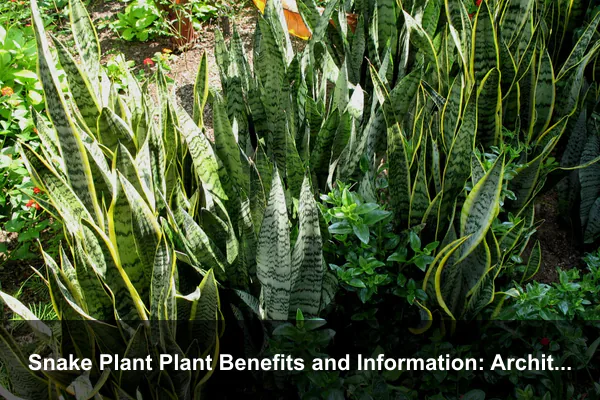
Snake Plant plant benefits and information are often discussed in simple terms: it is tough, upright, attractive, and forgiving. Yet this familiar houseplant deserves a deeper look because its real value is not only in surviving neglect. A well-placed Snake Plant can shape the mood of a room, create visual order, support a calmer indoor routine, and introduce greenery without demanding constant attention.
Known botanically as Dracaena trifasciata and still widely sold under its former name Sansevieria trifasciata, the Snake Plant is one of the most practical ornamental plants for modern homes. Its blade-like leaves, slow growth, and drought tolerance make it especially useful for people who want the benefits of indoor plants without turning plant care into a daily chore. This guide explores a unique angle: how Snake Plants work as architectural foliage for healthier-feeling interiors, mindful routines, and long-term low-maintenance living.
Why Snake Plant Is More Than a Basic Houseplant
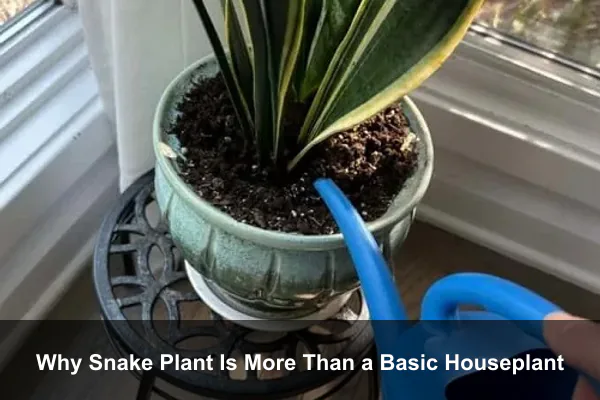
The Snake Plant is popular because it solves several common indoor gardening problems at once. It stays compact compared with many tropical foliage plants, tolerates missed watering, and keeps a strong vertical form even when grown in a modest pot. For homes with limited floor space, this upright shape is a major advantage.
Unlike trailing vines or bushy plants that need regular pruning to look tidy, Snake Plant leaves naturally create a clean silhouette. This makes the plant useful in apartments, workrooms, reading corners, rental homes, and minimalist interiors where every object needs to justify its place. It adds life without visual clutter.
The plant’s benefits also connect with the Indonesian idea of manfaat tanaman, or the practical value plants bring to everyday life. In this case, the value is not limited to decoration. Snake Plant can support simple wellness habits, soften hard interiors, make empty corners feel intentional, and help beginners build confidence with plant care.
Key Characteristics at a Glance
- Botanical name: Dracaena trifasciata, formerly Sansevieria trifasciata.
- Common names: Snake Plant, Mother-in-Law’s Tongue, Saint George’s Sword.
- Growth style: Upright, rhizome-forming, slow to moderate growth indoors.
- Best use: Architectural indoor foliage, low-maintenance decor, beginner houseplant.
- Light needs: Bright indirect light is best, though it can tolerate lower light.
- Water needs: Low; soil should dry well between waterings.
- Safety note: Mildly toxic if eaten by pets or people, so placement matters.
Architectural Benefits of Snake Plant Indoors
One of the most overlooked Snake Plant benefits is its ability to organize a room visually. The leaves rise like narrow green columns, creating height without spreading widely. This is why interior stylists often use Snake Plants beside consoles, bookshelves, desks, entry benches, and low furniture.
Plants with rounded or cascading forms create softness, while Snake Plants create structure. Their strong lines can balance a room that has too many horizontal surfaces, such as tables, sofas, cabinets, and shelves. When placed well, the plant acts almost like a living design element rather than a loose decorative object.
How Snake Plant Improves Room Composition
Snake Plant works especially well where a room feels unfinished. A bare corner may look empty, but a tall Snake Plant can make that same corner feel planned. A long hallway may feel flat, but a pair of Snake Plants can create rhythm. A desk area may feel too technical, but a compact variety can add a natural pause for the eyes.
- Adds vertical emphasis: Upright leaves draw the eye upward and make small rooms feel more balanced.
- Defines zones: A plant can gently separate a work area, reading area, or entry point without adding furniture.
- Reduces visual harshness: Green foliage softens electronics, tile, metal shelving, and plain walls.
- Fits narrow spaces: Many varieties grow upward rather than outward, making them useful in compact rooms.
Best Decor Styles for Snake Plant
Snake Plants adapt well to many decor styles because their form is simple and graphic. In a modern home, they look clean and sculptural. In a bohemian room, they add structure among softer textures. In a traditional room, a ceramic pot can make the plant feel classic. In a home office, the plant brings freshness without looking distracting.
For the most polished result, match the pot to the room’s function. A matte clay pot feels natural and warm. A white or gray ceramic pot keeps the look clean. A woven basket cover can add texture, but the plant should still sit in a nursery pot with drainage inside the basket to prevent trapped moisture.
Wellness Value Without Exaggerated Claims
Snake Plant plant benefits and information often include strong claims about air purification and oxygen release. It is true that Snake Plants have been studied for their ability to interact with certain indoor pollutants under controlled conditions. However, a few houseplants cannot replace ventilation, cleaning, humidity control, or good building maintenance.
The more realistic wellness value of Snake Plant comes from its role in making indoor spaces feel calmer, more natural, and easier to care for. People tend to keep up with plants that do not punish small mistakes. Because Snake Plant is forgiving, it can support a low-stress relationship with indoor gardening.
A Calmer Plant for Busy People
Some houseplants need frequent misting, precise watering, special humidity, or quick responses to leaf changes. Snake Plant is different. It prefers restraint. This makes it suitable for people who travel, work long hours, forget watering schedules, or live in homes where plant care must stay simple.
A low-maintenance plant can still encourage mindful habits. Checking the soil once a week, rotating the pot monthly, and wiping leaves occasionally are small routines that reconnect a person with their space. These habits are simple, but they can make a home feel more cared for.
Low-Pollen and Fragrance-Free Appeal
Snake Plants are generally valued for foliage rather than flowers. Indoors, they rarely bloom, and they do not fill a room with heavy fragrance. For people who prefer fragrance-free greenery, this is a practical benefit. The plant offers visual freshness without introducing strong floral scent into bedrooms, offices, or shared spaces.
This does not mean Snake Plant is a medical solution for allergies or indoor air problems. Dust can collect on any broad or upright leaf surface, so occasional cleaning is important. A soft damp cloth is enough to keep the leaves looking healthy and prevent buildup.
Light, Placement, and Room-by-Room Strategy

Snake Plant is famous for tolerating low light, but tolerance is not the same as preference. The plant usually grows best in bright indirect light, where it can maintain stronger color, firmer leaves, and more consistent growth. Low light may keep it alive, but growth will be much slower and variegated varieties may become less vibrant.
The best placement is near a window with filtered light, a bright room away from harsh midday sun, or a spot that receives gentle morning light. If the plant is moved from a dim store shelf to a very bright window, transition it gradually so the leaves do not scorch.
Living Room Placement
In the living room, Snake Plant works well beside low furniture, near a media console, or in an empty corner that needs height. Avoid placing it where people frequently brush against the leaves, especially narrow walkways. Repeated bending or knocking can scar the leaves permanently.
Bedroom Placement
A Snake Plant can be used in bedrooms when placed safely and practically. Choose a stable pot, keep it out of reach of pets, and avoid overwatering in rooms with limited airflow. The plant’s quiet form suits restful interiors, but it should not be treated as a substitute for clean bedding, ventilation, or air filtration if those are needed.
Home Office Placement
For a desk or workroom, compact Snake Plant varieties can add greenery without taking over the surface. Taller plants work better on the floor beside a cabinet or bookshelf. The upright form helps create a focused background for video calls and can make a work area feel more settled.
Bathroom and Kitchen Placement
Snake Plant can survive in bathrooms or kitchens if light is adequate and the pot drains well. Bathrooms with no windows are not ideal for long-term growth unless a grow light is used. In kitchens, keep the plant away from stove heat, oily splatter, and constantly wet surfaces.
Watering Benefits: Why Less Care Often Means Better Care
The Snake Plant stores water in its thick leaves and rhizomes, which is why it can handle dry periods better than many tropical houseplants. This drought tolerance is one of the biggest Snake Plant benefits for beginners. The main risk is usually not underwatering but overwatering.
Too much water can suffocate roots and lead to rot. A plant may look fine above the soil while damage begins below. This is why a simple watering rule works better than a strict calendar: check the soil first. If the soil still feels damp several inches down, wait.
Practical Watering Method
- Touch the soil or use a wooden skewer to check moisture below the surface.
- Water only when the mix is dry through most of the pot.
- Water thoroughly until excess drains from the bottom.
- Empty saucers or cachepots so roots do not sit in standing water.
- Wait longer in cool, dark, or humid conditions.
In many indoor settings, watering every two to four weeks may be enough, but this depends on pot size, light, season, temperature, and soil mix. A Snake Plant in bright light and a small terracotta pot may dry faster than one in a large plastic pot in a shaded corner.
Signs of Watering Problems
- Overwatering signs: Soft leaves, yellowing, mushy bases, unpleasant soil smell, or collapsing growth.
- Underwatering signs: Wrinkled leaves, curling, dry soil pulling away from the pot edge, or stalled growth.
- Inconsistent watering signs: Leaf cracking, uneven firmness, or stressed tips.
When in doubt, choose patience. Snake Plants usually recover better from dryness than from wet, rotting roots.
Soil, Potting, and Root Structure
Snake Plants grow from rhizomes, which are thick underground stems that store energy and send up new leaves. This root structure helps the plant survive dry conditions, but it also means the plant dislikes dense, soggy soil. A loose, fast-draining potting mix is essential.
A cactus or succulent mix can work well, especially when amended with pumice, perlite, coarse sand, or orchid bark. The goal is not to make the soil dry instantly, but to allow oxygen around the roots and prevent water from lingering too long.
Choosing the Right Pot
A pot with drainage holes is strongly recommended. Decorative containers without drainage may look attractive, but they create a high risk of hidden water buildup. If you love a decorative outer pot, keep the Snake Plant in a draining nursery pot and place that inside the decorative cover.
- Terracotta: Breathable and helpful for people who tend to overwater.
- Ceramic with drainage: Stable, attractive, and suitable for larger plants.
- Plastic nursery pot: Lightweight and practical, but it holds moisture longer.
- Self-watering pot: Usually not ideal unless carefully managed, because Snake Plant prefers dry intervals.
When to Repot
Snake Plants do not need frequent repotting. In fact, they often prefer being slightly snug. Repot when roots crowd the container, the pot cracks, water runs through too quickly because roots dominate the soil, or the plant becomes top-heavy and unstable.
When repotting, move up only one pot size. A much larger pot holds extra soil, and extra soil holds extra moisture. That can create root problems even if the plant looks large above the surface.
Varieties That Offer Different Indoor Benefits
Snake Plant varieties differ in height, color, leaf width, and visual weight. Choosing the right one helps you match the plant to your room rather than forcing one type into every space.
Tall Varieties for Floor Impact
Classic Dracaena trifasciata varieties with tall, sword-like leaves are best for floor placement. They work well beside furniture, in corners, or near windows. Their height gives maximum architectural value with a small footprint.
Compact Varieties for Shelves and Desks
Bird’s nest types, often sold as Sansevieria hahnii varieties, stay shorter and form rosettes. These are useful for desks, shelves, bedside tables, and small apartments. They offer the same tough personality in a lower profile.
Variegated Types for Brighter Rooms
Variegated Snake Plants, such as those with yellow margins or silver-green markings, usually look best in brighter indirect light. In very dim conditions, their color contrast may fade or growth may slow dramatically.
When buying a Snake Plant, choose based on where it will live. A dramatic tall variety may not suit a crowded shelf, while a compact rosette may disappear visually in a large empty corner.
Safety, Pets, and Responsible Indoor Use
Snake Plant is useful, attractive, and easy to grow, but it should be placed responsibly. The leaves contain compounds that can cause discomfort if eaten. For pets or children who chew plants, keep Snake Plant out of reach or choose a different plant for accessible areas.
Symptoms from ingestion may include mouth irritation, nausea, vomiting, or digestive upset. Serious problems are uncommon, but caution is still appropriate. A plant can be low-maintenance without being suitable for every household situation.
Safer Placement Ideas
- Use a tall plant stand only if it is stable and cannot tip easily.
- Place the plant in rooms pets do not access.
- Avoid floor placement if toddlers are exploring and pulling objects.
- Choose heavier pots for tall plants to reduce tipping risk.
- Remove damaged leaves cleanly rather than leaving tempting loose pieces.
Responsible plant ownership includes matching the plant to the household. If safety is a concern, the benefit of Snake Plant may come from using it in controlled areas rather than everywhere.
Common Mistakes That Reduce Snake Plant Benefits
The Snake Plant is forgiving, but it is not indestructible. Most problems come from treating it like a moisture-loving tropical plant or placing it in conditions that are too dark for too long.
Watering on a Fixed Schedule
A strict weekly watering routine can harm Snake Plants. The plant’s needs change with season, light, temperature, and pot material. Always check the soil before watering.
Using Heavy Garden Soil Indoors
Outdoor garden soil can compact in containers, hold too much moisture, and introduce pests. A well-draining indoor potting mix is a better choice.
Placing It in Permanent Darkness
Snake Plant can tolerate low light, but it still needs light to grow. If a room is too dark to read comfortably during the day, the plant may only survive rather than thrive.
Ignoring Dust
Dusty leaves reduce the plant’s visual appeal and may interfere with efficient light capture. Wipe leaves gently every few weeks, especially in busy rooms or near open windows.
Overdecorating the Soil Surface
Thick stones, moss layers, or decorative coverings can trap moisture and hide soil conditions. If you use a top dressing, keep it light and make sure you can still check moisture accurately.
How to Build a Simple Snake Plant Care Routine
A good care routine should be simple enough to repeat. Snake Plant does not require complicated maintenance, but it benefits from regular observation. Think of care as a monthly rhythm rather than a daily task.
Weekly Check
- Look for leaning, soft leaves, or yellowing.
- Check soil moisture before deciding to water.
- Make sure the plant is not sitting in drained water.
Monthly Care
- Rotate the pot for even light exposure.
- Wipe leaves with a damp cloth.
- Inspect for pests such as mealybugs or spider mites.
- Remove dead or badly damaged leaves at the base with clean tools.
Seasonal Adjustments
During warmer, brighter months, your Snake Plant may use water more quickly. During cooler or darker months, growth slows and watering should become less frequent. If you use air conditioning or heating, check whether soil dries faster near vents, but avoid placing the plant directly in strong airflow.
Snake Plant as a Long-Term Indoor Investment
Many decorative items lose relevance when a room changes, but Snake Plant can adapt. It can move from a desk to a shelf, from a bedroom to a living room, or from a small pot to a floor container as it matures. This long usable life is part of its practical value.
Because it grows slowly, the plant does not require constant reshaping. Because it tolerates dry periods, it is easier to keep through busy seasons. Because it has a strong form, it remains visually useful even when the surrounding decor changes.
Why Beginners Often Succeed With Snake Plant
Beginner gardeners need plants that teach observation without punishing every mistake. Snake Plant does that well. It shows clear signs when overwatered, grows slowly enough to manage, and usually survives imperfect conditions while the owner learns.
This makes it more than a starter plant. It can become a foundation plant in a larger indoor collection, helping a new plant owner understand light, watering, drainage, and placement before moving on to more demanding species.
Buying Tips for a Healthier Snake Plant
A strong start makes care easier. When shopping for a Snake Plant, inspect the plant carefully rather than choosing only the tallest or most dramatic one. Healthy leaves should feel firm, upright, and evenly colored for the variety.
- Check the leaf bases for softness or dark mushy areas.
- Look under leaves and near the soil for pests.
- Avoid plants sitting in soggy soil at the store.
- Choose a plant with stable roots rather than loose, wobbly growth.
- Match plant size to the space where it will actually live.
After bringing it home, give the plant time to adjust. Do not repot, fertilize, prune, and move it repeatedly in the same week unless there is a clear problem. Stable conditions help reduce stress.
Conclusion: The Real Value of Snake Plant
Snake Plant plant benefits and information go far beyond the idea of an easy plant that survives neglect. Its true strength is the way it combines structure, resilience, beauty, and practicality. It can make a room feel more intentional, support a calmer indoor routine, and give beginners a realistic path into plant care.
For the best results, treat Snake Plant as a living design partner. Give it bright indirect light when possible, water only after the soil dries, use a draining potting mix, and place it where its upright shape can improve the room. With thoughtful care, this low-maintenance houseplant can offer years of quiet value in homes, apartments, and workspaces.
