
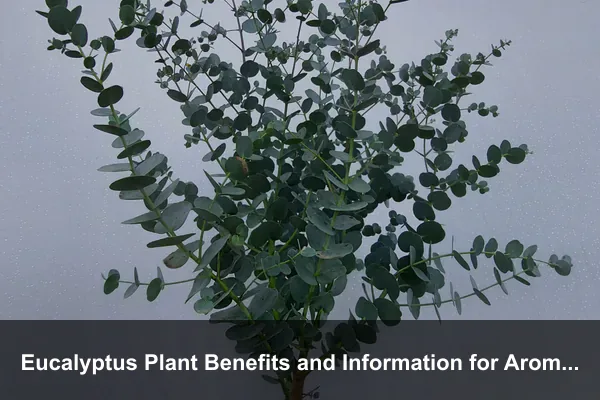
Eucalyptus is more than a fresh-smelling branch in a vase. It is a large and diverse group of evergreen trees and shrubs known for silvery foliage, aromatic leaves, rapid growth, striking bark, and a long history of practical use. For gardeners, decorators, and plant-benefit readers, eucalyptus offers a rare mix of visual beauty, sensory value, cut-foliage usefulness, and landscape structure when it is grown in the right place.
This guide to eucalyptus plant benefits and information focuses on a practical and responsible angle: how to use eucalyptus as aromatic foliage, a cut-stem plant, a climate-aware garden feature, or a container specimen without treating it like a miracle remedy or a simple indoor houseplant. The goal is to help you understand what eucalyptus can realistically do, where it performs best, and how to enjoy its benefits safely.
What Makes Eucalyptus Different From Common Houseplants?
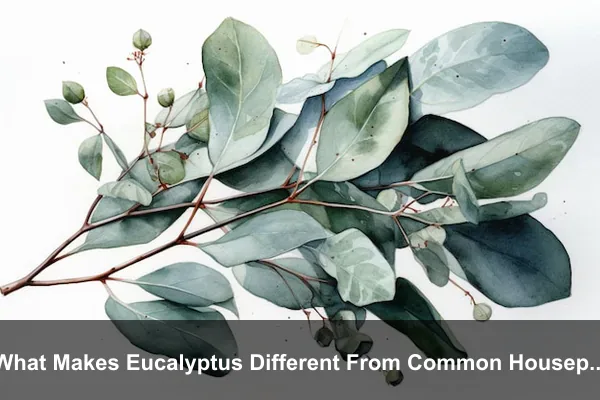
Eucalyptus belongs to the myrtle family, Myrtaceae, and includes hundreds of species. Many are native to Australia, though eucalyptus is now grown in many warm, temperate, and subtropical regions around the world. According to Britannica, the genus includes major trees valued for oils, timber, ornamental bark, and distinctive leaves. That diversity matters because a small silver-leaved eucalyptus sold for a patio pot may behave very differently from a blue gum tree capable of becoming enormous in the landscape.
Juvenile Leaves and Adult Leaves
One of the most useful pieces of eucalyptus plant information is that many species change leaf form as they mature. Young eucalyptus growth often has round, opposite, blue-green or silver leaves. This is the foliage florists love for bouquets and wreaths. Adult growth may become longer, narrower, greener, and more vertical. If you bought eucalyptus for round leaves and later see a different shape, the plant is not necessarily unhealthy. It may simply be maturing.
Gardeners who want a steady supply of rounded stems often use pruning, coppicing, or container growing to encourage juvenile regrowth. This is one reason eucalyptus can be managed as a foliage crop rather than only as a shade tree.
Why the Aroma Is So Recognizable
The familiar eucalyptus scent comes from volatile compounds in the leaves, especially 1,8-cineole in several species. The aroma is strongest when leaves are crushed, warmed by sun, or dried for arrangements. This scent is the reason eucalyptus appears in shower bundles, balms, cleaning products, and seasonal decor. However, the fragrance should be understood as a sensory and household benefit, not proof that the plant can treat illness on its own.
Key Benefits of Eucalyptus for Homes and Gardens
The best eucalyptus benefits are practical, visual, and sensory. The plant can improve how a garden or home feels, provide useful cut stems, and support a more intentional approach to outdoor planting. These benefits are strongest when eucalyptus is matched to the right climate, space, and maintenance plan.
Aromatic Foliage for Calm, Fresh Spaces
Fresh eucalyptus stems add a crisp, clean scent to rooms without relying on synthetic fragrance. A few stems in a vase can create a subtle aromatic presence in an entryway, work area, or bathroom. Dried stems are also long lasting, which makes eucalyptus useful for low-waste decor. Unlike fresh flowers that fade quickly, eucalyptus often dries attractively while keeping much of its structure.
For people interested in Manfaat Tanaman, or plant benefits, eucalyptus is a good example of a plant whose value is not only medicinal. Its benefit may come from fragrance, texture, routine, and atmosphere. Bringing cut foliage indoors can make a room feel more connected to nature, even when the plant itself is grown outside.
Excellent Cut Stems for Arrangements
Eucalyptus is one of the most useful foliage plants for floral design. The stems provide movement, color contrast, and scent. Silver dollar eucalyptus, seeded eucalyptus, baby blue eucalyptus, and gunnii-type foliage are especially popular because they pair well with roses, hydrangeas, dried grasses, native flowers, and minimalist arrangements.
- Fresh bouquets: eucalyptus softens flower arrangements and adds volume without overpowering blooms.
- Dried decor: mature stems can dry into wreaths, garlands, wall hangings, and seasonal displays.
- Shower bundles: stems hung away from direct water can release scent in warm steam, but they should not be used as a treatment for breathing problems.
- Table styling: small sprigs add color and fragrance to simple place settings or natural centerpieces.
Year-Round Structure in Suitable Gardens
Because eucalyptus is evergreen in suitable climates, it can provide year-round screening, movement, and vertical interest. Some species have beautiful peeling bark, pale trunks, or glaucous blue foliage that stands out against dark shrubs and grasses. In larger landscapes, eucalyptus may serve as a wind-filtering tree, a background plant, or a focal point. In smaller spaces, it is better treated as a pruned shrub, patio tree, or seasonal foliage plant.
Low-Waste Value When Pruned Regularly
Pruning eucalyptus is not just maintenance. It can become part of the plant’s usefulness. Young pruned stems can be used in vases, dried arrangements, natural crafts, or garden bundles. Instead of seeing pruning as waste, gardeners can treat it as harvest. This makes eucalyptus especially appealing for people who like plants that give something back without requiring edible use.
Best Eucalyptus Types for Different Growing Goals
Choosing the right eucalyptus is more important than buying the first attractive plant at a nursery. Some species become huge trees, while others are better suited to containers or cut-foliage production. Always check mature size, cold tolerance, local regulations, and root behavior before planting.
For Cut Foliage
Eucalyptus cinerea, often called silver dollar eucalyptus, is loved for round, silvery leaves. Eucalyptus pulverulenta, including forms sold as baby blue eucalyptus, is another excellent foliage type with a strong florist look. These plants are often managed by pruning to encourage fresh juvenile stems.
For Cooler Climates
Eucalyptus gunnii, commonly called cider gum, is one of the better-known choices for cooler temperate gardens. It has attractive juvenile foliage and can be pruned to keep it more compact. Even so, it can become large if left unmanaged, so it should not be planted casually beside buildings, pipes, or small patios.
For Dramatic Bark
Eucalyptus deglupta, known as rainbow eucalyptus, is famous for colorful peeling bark. It is visually spectacular but needs a warm, frost-free or near frost-free climate and is not suitable for most cold regions. It is a landscape tree, not a small indoor plant.
For Strong Traditional Eucalyptus Identity
Eucalyptus globulus, or Tasmanian blue gum, is one of the classic oil-producing species. It is fast growing and impressive, but it can become far too large for typical residential gardens. It is best understood as a large landscape or forestry tree, not a casual backyard ornamental.
For Lemon Scent
The plant often sold as lemon eucalyptus is now commonly classified as Corymbia citriodora rather than Eucalyptus citriodora. It has a bright lemony fragrance and elegant form, but it also needs climate-appropriate placement. This is a good reminder that common names can be confusing, so botanical names are useful when buying.
Climate-Smart Growing Conditions
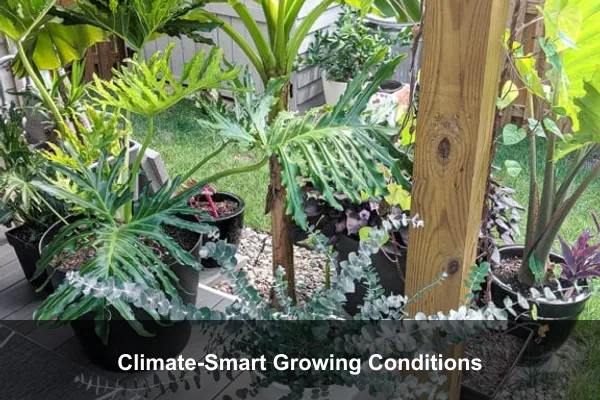
Eucalyptus care begins with light, drainage, and space. The Royal Horticultural Society notes that eucalyptus generally grows best when planted in spring or summer and placed where conditions allow strong establishment before colder weather. The plant may be drought tolerant once established, but young eucalyptus needs thoughtful watering while roots develop.
Light Requirements
Eucalyptus is a full-sun plant. Most types need at least six hours of direct sun, and many prefer more. Indoors, even a bright window is often weaker than the outdoor light eucalyptus wants. This is why small potted eucalyptus plants may look good for a while indoors and then become thin, droopy, or crispy. If you want a long-term plant, a sunny balcony, patio, greenhouse, or outdoor garden bed is usually better than a dim room.
Soil and Drainage
Good drainage is essential. Eucalyptus dislikes sitting in waterlogged soil, especially in containers. A loose, well-draining mix helps prevent root stress. In the ground, avoid low spots where water collects after rain. If your soil is heavy clay, improve structure before planting or choose a raised area. Eucalyptus may tolerate relatively lean soil, but poor drainage is a bigger problem than modest fertility.
Watering Young Plants
Newly planted eucalyptus should be watered deeply enough to support root growth, then allowed to drain. Shallow daily watering encourages weak surface roots. A better routine is to water thoroughly when the upper soil begins to dry, adjusting for temperature, wind, pot size, and rainfall. Established plants often need less irrigation, but container eucalyptus dries out faster and must be checked regularly.
Wind, Frost, and Heat
Many eucalyptus species handle heat and sun well, but young plants can still suffer from transplant shock, drying wind, or sudden frost. In borderline climates, choose hardy species, plant in a sheltered sunny position, and avoid late-season planting that leaves roots unprepared for winter. In hot climates, water young plants during establishment so they do not dry before roots reach deeper moisture.
How to Grow Eucalyptus in Containers
Container eucalyptus is attractive because it gives gardeners more control. It is also realistic for renters and small-space growers who want foliage without committing to a large tree. The tradeoff is that potted eucalyptus needs consistent care, pruning, and periodic repotting.
Choose a Stable Pot
Use a container with drainage holes and enough weight to resist tipping in wind. Eucalyptus can grow quickly and become top-heavy. A small decorative pot may look good at first but can dry too quickly and restrict roots. Choose a pot that supports growth while still being movable if you need winter protection.
Use a Free-Draining Mix
A quality potting mix amended for drainage works well. Perlite, coarse bark, pumice, or grit can improve aeration depending on what is locally available. The goal is moisture that moves through the pot rather than staying sour and compacted around the roots.
Prune for Size and Foliage Quality
Pruning is the secret to keeping container eucalyptus useful. Pinching or cutting back long stems encourages branching and produces fresh juvenile leaves. Without pruning, the plant may stretch, become woody, and outgrow its space. Prune during active growth and avoid removing so much foliage that the plant cannot recover.
Repot Before Roots Become a Problem
A rootbound eucalyptus may dry out constantly, decline suddenly, or push roots around the pot edge. Repot before the plant becomes severely cramped. If you want to keep it in the same container size, root pruning may be necessary, but that is a more advanced technique. For most gardeners, stepping up gradually to a larger pot is easier.
Harvesting Eucalyptus Stems Without Weakening the Plant
One of the best ways to enjoy eucalyptus plant benefits and information in daily life is to grow it as a renewable foliage source. Harvesting should support the plant’s shape rather than strip it bare.
When to Cut
Cut stems when the plant is actively growing and the foliage is firm. Morning is often a good time because stems are hydrated. Avoid heavy harvesting during drought stress, immediately after transplanting, or when the plant is recovering from cold damage.
How to Cut
Use clean, sharp pruners. Cut just above a node or side shoot to encourage new growth. Take a balanced selection from different parts of the plant instead of removing all stems from one side. If you are shaping a container plant, combine harvest cuts with structural pruning.
How to Use Fresh and Dried Stems
- For fresh vases: remove lower leaves below the water line and refresh the water regularly.
- For drying: hang small bundles upside down in a dry, shaded, airy place.
- For wreaths: use flexible young stems before they become brittle.
- For scent: crush a leaf lightly, but avoid direct skin contact if you are sensitive.
Do not use homegrown eucalyptus as an edible herb. The leaves are aromatic, but they are not a casual kitchen green. Eucalyptus oil and concentrated extracts require much stricter safety handling than ordinary culinary herbs.
Safety: Leaves, Essential Oil, Pets, and Children
Safety is where eucalyptus deserves clear language. A living eucalyptus plant, a dried stem, and a bottle of eucalyptus essential oil are not the same thing. The oil is concentrated and can be dangerous when misused. Poison Control warns that eucalyptus oil should never be swallowed and that even small amounts can cause serious poisoning. This is especially important in homes with children, pets, or anyone who may mistake oils for food or medicine.
Do Not Swallow Eucalyptus Oil
Eucalyptus essential oil is not a beverage, supplement, or home cure. It should not be taken by mouth unless used in a regulated product exactly as labeled and under appropriate professional guidance. Concentrated oils can irritate the mouth, digestive tract, skin, and eyes. They can also cause severe symptoms if ingested.
Be Careful With Skin and Steam Use
If using a product that contains eucalyptus oil, follow the label. Do not apply undiluted essential oil to the skin. Avoid using eucalyptus oil on or near the face of infants and young children. People with asthma, allergies, sensitive skin, or respiratory conditions should be cautious with strong fragrances and should seek medical advice before using aromatherapy products.
Pets and Eucalyptus
Keep eucalyptus oil, dried leaves, and fresh stems away from pets that chew plants. Cats, dogs, and other animals may react badly to essential oils and aromatic plant material. A vase on a high shelf is safer than stems hanging where a pet can reach them. If a pet eats eucalyptus or is exposed to oil, contact a veterinarian or poison helpline promptly.
Avoid Overstated Health Claims
Eucalyptus is often marketed for breathing comfort, freshness, and muscle rubs, but homegrown leaves should not be presented as a treatment for infection, asthma, cough, or any medical condition. The responsible benefit is sensory support and household usefulness, not replacing professional care.
Common Eucalyptus Problems and Leaf Signals
Eucalyptus often tells you what it needs through its leaves. Reading those signals early can prevent decline, especially in containers.
Crispy Leaf Edges
Crispy edges may come from underwatering, drying wind, sudden indoor heat, root restriction, or low humidity combined with inadequate water. In a pot, check whether water runs straight through because the root ball is too dry or compacted. Rehydrate gradually and adjust the watering routine.
Drooping Growth
Drooping may mean thirst, transplant shock, insufficient light, or root stress. If soil is bone dry, water deeply. If soil is wet and heavy, improve drainage and avoid watering again until the mix begins to dry. If the plant is indoors, move it to brighter conditions when weather allows.
Leggy Stems
Long, weak stems usually point to inadequate sun or lack of pruning. Eucalyptus wants strong light. Move container plants outside in suitable weather and prune to encourage bushier growth.
Yellowing Leaves
Yellowing may result from waterlogged roots, nutrient deficiency, old leaves shedding naturally, or stress after moving. Look at the whole plant before reacting. If new growth is healthy, a few older yellow leaves may not be serious. If the entire plant is fading, inspect roots and drainage.
Responsible Landscape Placement
Eucalyptus can be beautiful, but it is not the right tree for every yard. Fast growth, mature height, water demand, roots, wind exposure, and fire risk must be considered. In some regions, certain eucalyptus species may be discouraged or regulated because of invasiveness or landscape hazards. Always check local guidance before planting in the ground.
Give Large Species Real Space
Large eucalyptus trees should be planted well away from buildings, underground pipes, septic systems, walls, and small garden beds. A young tree may look harmless in a nursery pot, but mature size is what matters. If you cannot provide enough space, choose a container strategy or a smaller species instead.
Think About Fire and Limb Drop
In fire-prone regions, eucalyptus may contribute to fuel load because of aromatic oils, bark strips, and leaf litter. Some large trees may also shed branches. This does not mean every eucalyptus is automatically unsuitable, but it does mean placement and maintenance are serious decisions. Keep leaf litter managed and follow local fire-wise landscaping recommendations.
Protect Nearby Plantings
Eucalyptus can compete strongly for light and water. Underplanting directly beneath mature trees may be difficult. Use drought-tolerant companions, mulch wisely, and avoid placing thirsty annual beds at the base of a large eucalyptus. In small gardens, container growing may be the most neighborly and manageable option.
Quick Eucalyptus Care Checklist
Use this simple checklist to decide whether eucalyptus fits your home, balcony, or garden.
- Match the species to your space. Do not plant a large tree where you need a small shrub.
- Provide full sun. Weak indoor light is one of the most common reasons potted eucalyptus declines.
- Use excellent drainage. Avoid soggy soil and containers without drainage holes.
- Water deeply during establishment. Let the soil drain and adjust to weather rather than watering by habit.
- Prune with purpose. Regular cutting can keep the plant compact and produce useful stems.
- Handle oils safely. Keep essential oils away from children and pets, and never ingest them.
- Check local rules. Some regions have concerns about eucalyptus spread, fire behavior, or large-tree placement.
Conclusion
Eucalyptus is a valuable plant when its strengths are used wisely. Its benefits include aromatic foliage, long-lasting cut stems, striking color, evergreen structure, and a strong role in natural decor. The most successful growers treat eucalyptus as a sun-loving outdoor plant first, not as a low-light houseplant or a casual medicinal herb.
The most important eucalyptus plant benefits and information come down to balance: enjoy the scent, shape, and foliage, but respect the plant’s size, climate needs, and safety limits. Choose the right species, give it strong light and drainage, prune it for useful stems, and handle essential oil products with care. With that realistic approach, eucalyptus can become one of the most rewarding aromatic plants for gardens, patios, and fresh home styling.
