
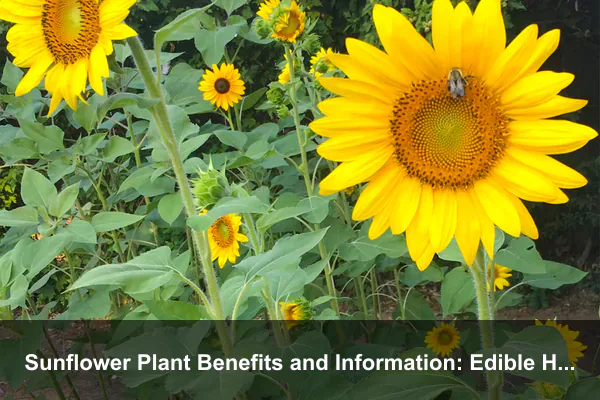
Sunflowers are often recognized first for their bright yellow faces, but their value goes far beyond ornamental beauty. A thoughtful look at Sunflower plant benefits and information shows that this plant can support home food routines, seasonal decoration, craft projects, wildlife feeding, and beginner-friendly gardening without demanding complicated care.
Unlike many garden flowers that are admired only while blooming, the sunflower offers several useful stages. Young shoots can be grown as microgreens, mature seeds can become snacks or bird feed, petals may be used for natural color projects, and dried heads can become rustic decor. This guide focuses on a distinct, practical angle: how to understand sunflowers as a useful home harvest plant, not just a tall summer flower.
What Makes the Sunflower Plant Special?
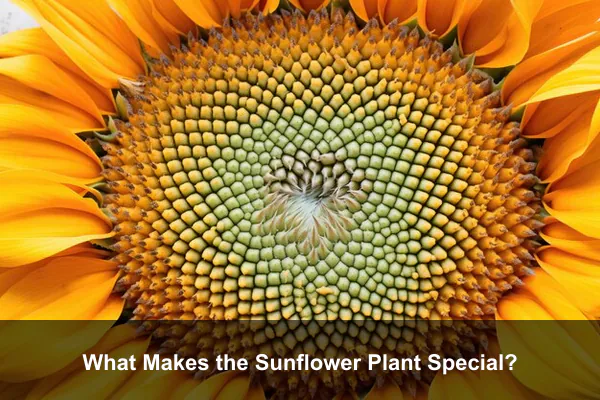
The common sunflower, known botanically as Helianthus annuus, is an annual flowering plant native to North America and now grown around the world. Its name comes from the Greek words for sun and flower, and its large flower head is made of many small florets arranged in a striking spiral pattern.
One of the most interesting pieces of sunflower plant information is that the flower head is not a single flower. The outer yellow petals are ray florets, while the center is packed with disk florets that can develop into seeds after pollination. This structure explains why one sunflower head can produce so much useful material.
Key Features of Sunflowers
- Growth habit: Fast-growing annual with upright stems.
- Light needs: Full sun, usually 6 or more hours daily.
- Soil preference: Well-drained soil with moderate fertility.
- Useful parts: Seeds, petals, young shoots, stems, and dried heads.
- Best season: Warm months after the risk of frost has passed.
Because sunflowers are easy to recognize and relatively simple to grow, they are useful for gardeners who want a plant with visible progress. From sprout to towering bloom, the plant gives clear signs of growth, water stress, maturity, and harvest readiness.
Edible Benefits of Sunflowers
One of the strongest sunflower plant benefits is its edible value. While most people know sunflower seeds, fewer realize that the plant can also be enjoyed as microgreens or used in small culinary accents. The edible uses should always be approached with clean growing practices, pesticide-free plants, and sensible moderation.
Sunflower Seeds as a Nutrient-Rich Food
Sunflower seeds are popular because they are flavorful, portable, and nutrient dense. They contain plant-based fats, protein, fiber, vitamin E, magnesium, selenium, and other minerals. These nutrients make sunflower seeds useful as part of a balanced diet, especially when replacing highly processed snacks.
Roasted sunflower seeds can be eaten on their own, sprinkled over salads, blended into seed butter, added to granola, or used as a crunchy topping for soups. Unsalted seeds are usually the better everyday choice because heavily salted versions can add more sodium than expected.
Sunflower Microgreens
Sunflower microgreens are young seedlings harvested shortly after they develop their first leaves. They have a crisp texture and a mild nutty flavor, making them useful in sandwiches, wraps, rice bowls, and salads. Growing sunflower microgreens indoors is different from growing full sunflower plants outdoors, but both come from the same basic seed potential.
For microgreens, use seeds sold specifically for sprouting or microgreen production. Garden seed may be treated with coatings or chemicals that are not intended for eating. Clean trays, fresh water, and good air circulation are important because dense microgreen growth can become moldy if handled poorly.
Petals and Buds
Sunflower petals are sometimes used as a colorful garnish, though their flavor is mild and slightly bitter. Young unopened buds have also been prepared like artichokes in some traditional kitchen experiments, but this is less common than using seeds or microgreens. Anyone trying edible petals or buds should use plants grown without synthetic pesticides and avoid consuming large amounts.
Natural Dye and Craft Value
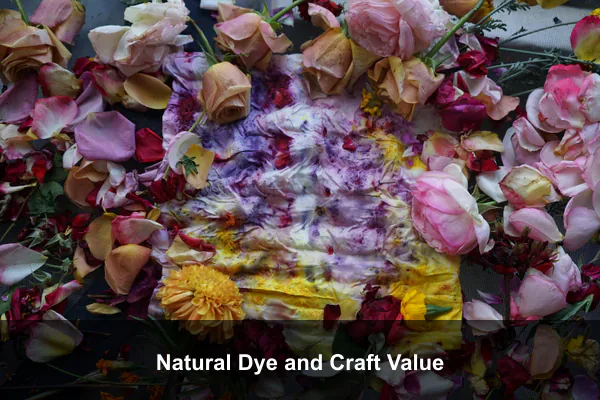
A unique way to look at Sunflower plant benefits and information is through natural color. Sunflower petals can produce warm yellow tones for craft experiments, paper projects, and fabric trials. The results vary depending on petal freshness, fabric type, mordant, water quality, and dyeing method.
This benefit is especially relevant for people interested in low-waste home creativity. Instead of discarding faded petals immediately, they can be collected and tested for natural dye. The color may not be as strong or permanent as commercial dye, but the process teaches useful lessons about plant pigments and seasonal materials.
Simple Sunflower Dye Ideas
- Collect pesticide-free petals from healthy blooms.
- Simmer petals gently in water to extract color.
- Strain the liquid and test it on paper, cotton scraps, or yarn samples.
- Record the results, including time, material, and color strength.
- Compost the remaining plant material when finished.
Dried sunflower heads also work well in wreaths, autumn arrangements, seed-saving displays, and rustic table decor. This gives the plant a second life after peak bloom and reduces waste in the garden.
Benefits for Home Gardens and Outdoor Spaces
Sunflowers can make a garden feel more productive because they combine visual height with practical use. Their tall stems add vertical structure, their blooms attract attention, and their mature heads provide harvest material. In small gardens, dwarf varieties can offer similar charm without overwhelming the space.
Visual Structure and Seasonal Focus
Sunflowers act as natural focal points. A row of medium-height sunflowers can frame a vegetable bed, while a few dwarf plants can brighten containers near patios. Their bold form helps organize the garden visually, especially when mixed with lower-growing herbs or vegetables.
For best results, match the variety to the location. Giant sunflowers can reach impressive heights but may need staking and wind protection. Branching varieties produce multiple flowers over a longer period. Dwarf sunflowers are better for containers, balconies, and compact beds.
Support for Wildlife Feeding
Mature sunflower heads can become a useful food source for birds if some seeds are left in place. This makes sunflowers valuable for gardeners who enjoy observing wildlife. However, if the goal is to harvest seeds for the household, cover selected heads with breathable mesh bags once petals fade and seeds begin forming.
This balance is important. A garden can support people and wildlife at the same time when harvest planning is intentional. Leave some heads for birds, save some for replanting, and collect some for the kitchen or craft use.
How to Grow Sunflowers for Useful Harvests
Growing sunflowers for practical benefits begins with choosing the right type. Some varieties are bred for large edible seeds, others for cut flowers, and others for compact ornamental displays. If your main goal is seed harvest, look for varieties described as confection, snack seed, or large-seeded types.
Planting Basics
Sunflowers grow best when sown directly into the garden after the soil has warmed. They dislike having roots disturbed, so direct sowing is often easier than transplanting. Plant seeds about 1 inch deep, spacing them according to the variety size listed on the seed packet.
- Full-size varieties: Need wider spacing and more room for roots.
- Branching varieties: Need airflow between plants to reduce disease risk.
- Dwarf varieties: Can grow in containers with adequate depth.
- Microgreen seeds: Should be grown separately in clean trays indoors.
Watering and Soil Care
Sunflowers need steady moisture while establishing roots and forming buds. Once mature, many varieties tolerate short dry periods, but severe drought can reduce seed development and flower quality. Water deeply rather than sprinkling lightly every day, because deep watering encourages stronger root growth.
Soil should drain well. Heavy, soggy soil can cause root problems, while very poor soil may produce weak stems and smaller heads. Compost can improve soil texture and provide slow nutrient support without forcing overly soft growth.
Staking and Wind Protection
Tall sunflowers can bend or break in strong wind, especially when their heads become heavy with seeds. Planting near a fence, using stakes, or choosing shorter varieties can prevent damage. Tie stems loosely with soft material so they can still move naturally.
Harvesting Sunflower Seeds Correctly
Seed harvest is one of the most practical reasons people search for sunflower plant benefits and information. Timing matters because seeds need to mature fully before storage. Harvesting too early can result in soft, undeveloped seeds, while waiting too long may allow birds or moisture to take the crop.
Signs Seeds Are Ready
- The back of the flower head turns yellow-brown.
- Petals dry and fall away.
- The center disk looks dry and full.
- Seeds appear plump and have developed firm shells.
- Birds begin showing strong interest in the head.
To harvest, cut the head with several inches of stem attached. Hang it in a dry, airy place until the seeds loosen easily. Rub the head gently by hand or with a clean brush to release seeds. Remove debris before drying the seeds further for storage.
Roasting and Storage Tips
Seeds should be fully dry before being stored in airtight containers. Moist seeds can mold quickly. For eating, sunflower seeds may be roasted plain or lightly seasoned. Store them in a cool, dark place, and refrigerate or freeze longer-term batches to protect their natural oils from turning rancid.
Sunflower Safety and Sensible Use
Although sunflowers are generally considered safe garden plants, practical safety still matters. Edible use should only come from plants grown without harmful sprays. People with seed allergies should avoid sunflower seeds and related products unless advised otherwise by a qualified health professional.
Allergy and Food Considerations
Sunflower seed allergy is less common than some nut allergies, but it can happen. Anyone who experiences itching, swelling, breathing difficulty, or digestive distress after eating sunflower products should stop using them and seek medical advice. For households with children, introduce any new food carefully and in small amounts.
Pets and Garden Placement
Sunflowers are widely grown around homes, but pets may still chew leaves, dig around roots, or scatter seeds. Large amounts of seed hulls can be difficult to digest, so keep harvested seed waste controlled. Place drying heads in a location where pets cannot pull them down.
Choosing the Best Sunflower Variety
The best sunflower depends on the purpose. A gardener who wants seed harvest should not choose the same variety as someone who wants small patio blooms. Reading seed descriptions carefully prevents disappointment and helps the plant deliver the desired benefit.
For Edible Seeds
Large-headed varieties are usually better for seed harvest. They produce bigger heads and more substantial seeds. These plants need full sun, deeper soil, and enough spacing to support strong development.
For Containers
Dwarf sunflowers are better for pots. Choose a sturdy container with drainage holes and enough depth for roots. Container-grown sunflowers dry out faster than garden-grown plants, so regular moisture checks are important.
For Crafts and Dye
Varieties with abundant petals or rich yellow-orange tones are useful for natural dye experiments and dried arrangements. Branching sunflowers can provide more flowers over time, giving more material for creative projects.
Common Problems and Easy Fixes
Sunflowers are resilient, but they are not problem-free. Most issues come from poor spacing, weak light, inconsistent watering, pests, or harvesting too late. Observing the plant regularly helps solve small problems before they ruin the crop.
Leggy Growth
If seedlings stretch and lean, they may not be receiving enough light. Outdoor sunflowers need full sun. Indoor microgreens also need bright light after germination to stay compact and healthy.
Chewed Leaves
Young sunflower leaves can attract slugs, snails, caterpillars, or other chewing pests. Use physical barriers, hand-picking, and clean garden practices before reaching for sprays, especially if you plan to eat parts of the plant.
Poor Seed Fill
Empty or poorly developed seeds can result from weak pollination, drought stress, nutrient imbalance, or harvesting too early. Growing multiple flowers, encouraging pollinators nearby, and maintaining steady water during flowering can improve seed formation.
Practical Ways to Use the Whole Plant
A useful sunflower harvest plan reduces waste. Not every part needs to be eaten, but many parts can serve a purpose before returning to the compost system. This approach fits well with the broader idea of manfaat tanaman, where plants are valued for beauty, function, and ecological contribution.
- Young shoots: Grow as microgreens using food-safe seed.
- Petals: Test in natural dye or use sparingly as garnish.
- Seeds: Roast, save, share, or feed to birds.
- Dried heads: Use for decor, seed saving, or wildlife feeding.
- Stems and leaves: Compost when disease-free.
This full-use mindset makes sunflowers especially satisfying for home gardeners. Even when a bloom fades, the plant continues to offer value.
Frequently Asked Questions
Are sunflowers easy for beginners?
Yes. Sunflowers are among the easier annual flowers to grow when they receive full sun, decent soil, and enough space. Beginners should start with dwarf or medium-height varieties before trying giant types.
Can I grow sunflowers in pots?
Yes, but variety choice matters. Dwarf sunflowers are best for containers. Use a pot with drainage holes, place it in full sun, and water consistently because pots dry faster than garden beds.
Are all sunflower seeds edible?
Seeds from pesticide-free edible varieties can be eaten after proper harvesting and drying. Avoid eating seeds from packets treated for ornamental planting unless the label clearly says they are safe for sprouting or food use.
Do sunflowers come back every year?
Common sunflowers are annuals, meaning they complete their life cycle in one season. However, dropped seeds may sprout the following year if conditions are suitable.
Conclusion
Sunflowers deserve their reputation as cheerful garden plants, but their real value is broader than appearance. A complete understanding of Sunflower plant benefits and information includes edible seeds, microgreens, natural dye potential, seasonal crafts, wildlife feeding, and practical home gardening lessons.
For the best results, choose a variety based on your goal, grow it in full sun, harvest at the right stage, and use only clean, pesticide-free plant material for edible or craft purposes. With simple planning, the sunflower becomes more than a summer bloom. It becomes a productive, beautiful, and useful plant from seedling to seed head.
