
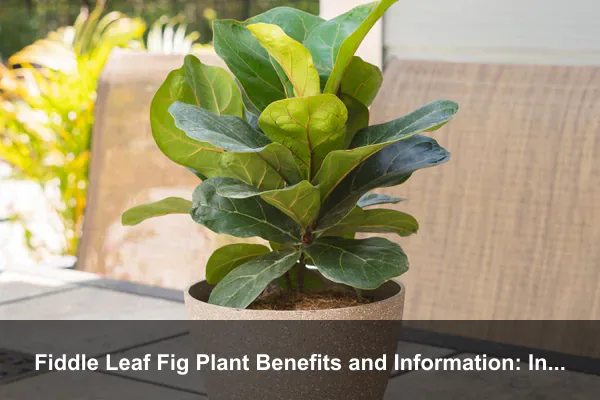
The Fiddle Leaf Fig is one of the most recognizable indoor plants because of its broad, violin-shaped leaves and tall architectural form. For many homes, it is more than decoration: it changes how a room feels, softens hard interiors, encourages a steadier care routine, and brings a strong natural focal point into everyday living spaces.
This guide takes a practical angle on Fiddle Leaf Fig plant benefits and information. Instead of repeating basic care advice only, it looks at realistic indoor value, safety, room fit, maintenance expectations, and how to decide whether this plant belongs in your home. In the wider context of manfaat tanaman, or plant benefits, the Fiddle Leaf Fig is best understood as a visual wellness plant rather than a medicinal or edible plant.
What Makes the Fiddle Leaf Fig Different?
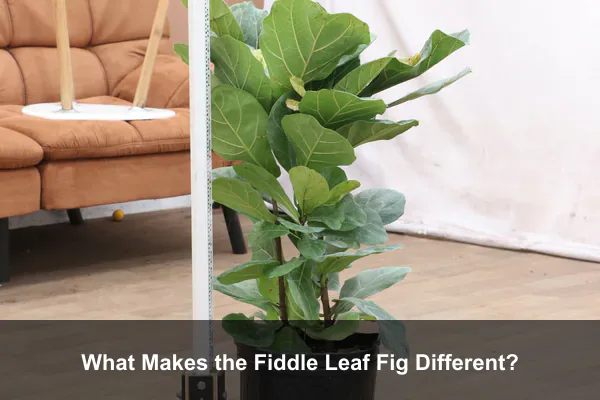
The Fiddle Leaf Fig, botanically known as Ficus lyrata, is a tropical fig species native to western Africa. Indoors, it is grown for its large glossy leaves, upright shape, and ability to create a strong design statement without flowers. Its leaves can become very large when the plant receives bright, indirect light and stable care.
Unlike small tabletop plants, a mature Fiddle Leaf Fig behaves more like indoor furniture. It can fill an empty corner, balance a sofa, frame a reading chair, or add height to a simple room. This is why it is often used in apartments, offices, studios, and modern homes where one strong plant is more effective than many small pots.
Key Plant Information
- Common name: Fiddle Leaf Fig
- Botanical name: Ficus lyrata
- Plant type: Tropical ornamental houseplant
- Main feature: Large fiddle-shaped leaves
- Best location: Bright indoor area with indirect light
- Use: Interior greenery, biophilic design, room softening, decorative focal point
- Safety note: Not considered pet-safe if chewed
Main Benefits of a Fiddle Leaf Fig Plant
The benefits of a Fiddle Leaf Fig are strongest when viewed realistically. It is not a miracle air purifier, medicine, or edible household plant. Its value comes from visual impact, indoor nature connection, routine building, and environmental comfort.
1. It Creates a Strong Natural Focal Point
One of the clearest Fiddle Leaf Fig plant benefits is its ability to make a room feel complete. The bold leaves and vertical form draw the eye upward, which helps plain rooms look more layered and intentional. This is useful in homes with neutral walls, simple furniture, or empty corners that feel unfinished.
2. It Supports Biophilic Interior Design
Biophilic design is the practice of bringing natural forms, textures, and living elements into built spaces. A Fiddle Leaf Fig works well for this because its leaves are large enough to be noticed from across the room. The plant gives a visual reminder of nature without requiring a garden, balcony, or outdoor landscape.
3. It Encourages Mindful Indoor Routines
Caring for this plant teaches observation. You learn to check soil moisture, notice light changes, rotate the pot, wipe dust from leaves, and respond before problems become serious. For many people, this slow routine becomes a calming part of home life.
4. It Softens Hard Rooms
Rooms with tile floors, glass, metal furniture, or minimal decor can feel cold. The Fiddle Leaf Fig adds organic shape and visual softness. While it will not replace proper acoustic treatment, large leaves and soil-filled pots can make a space feel less harsh and more comfortable.
5. It Adds Long-Term Decorative Value
A well-kept Fiddle Leaf Fig can remain attractive for years. Because it grows into a sculptural form, it can adapt as your room changes. This long-term value is one reason many people prefer one healthy Fiddle Leaf Fig over several short-lived decorative items.
Realistic Indoor Wellness Value
Indoor plants are often promoted with exaggerated health claims. A more accurate view is better for readers and plant owners. The Fiddle Leaf Fig may contribute to a more pleasant indoor environment, but it should not be treated as a medical solution or a replacement for ventilation, cleaning, or humidity control.
Air Quality Expectations
Like many plants, the Fiddle Leaf Fig participates in natural gas exchange and can collect dust on its large leaves. However, one houseplant will not dramatically purify an entire room. Its air-related benefit is more practical: the large leaves remind owners to clean surfaces, maintain airflow, and pay attention to indoor conditions.
Mood and Visual Comfort
The stronger wellness benefit is visual. Greenery can make a room feel calmer, warmer, and more lived-in. The Fiddle Leaf Fig is especially effective because it has enough size and presence to influence the room atmosphere. This makes it useful in work-from-home spaces, reading areas, waiting rooms, and living rooms.
Humidity and Comfort
Fiddle Leaf Figs prefer moderate humidity, but they do not turn a dry room into a humid one by themselves. If your home is very dry, the plant may benefit from grouped plants, a pebble tray, or a humidifier. The benefit is mutual: caring for the plant can make you more aware of whether your indoor air is too dry for people and plants.
Best Rooms for a Fiddle Leaf Fig
Choosing the right room is more important than buying the biggest plant. A Fiddle Leaf Fig performs best where light, space, and daily habits match its needs. Poor placement often leads to leaf drop, leaning growth, or slow decline.
Living Room
The living room is often the best place because it usually has more open floor space and brighter windows. Place the plant near a window with filtered light, not in a dark corner far from natural brightness. It can stand beside a sofa, console, or reading chair as a vertical accent.
Home Office
In a home office, a Fiddle Leaf Fig can make the space feel less mechanical. Its height and leafy shape create a natural background for video calls and help separate a work zone from the rest of the home. Keep it close enough to light but away from heating vents or air-conditioning drafts.
Bedroom
A bedroom can work if it receives bright indirect light. However, the plant should not block movement or crowd the bed. If the room is dim, choose a different houseplant rather than forcing a Fiddle Leaf Fig into unsuitable conditions.
Entryway
A bright entryway can make the plant look impressive, but avoid places where doors open directly onto it. Sudden temperature changes, wind, and frequent bumps can stress the leaves.
Care Basics That Protect Its Benefits
The benefits of this plant only last when the plant stays healthy. A stressed Fiddle Leaf Fig quickly loses its decorative value. Fortunately, the core care routine is simple when you focus on consistency.
Light
Provide bright, indirect light. A spot near an east-facing window or a filtered south- or west-facing window is often ideal. Too little light causes weak growth and leaf loss, while harsh direct afternoon sun can scorch leaves.
Water
Water when the top part of the soil feels dry. Avoid watering on a strict calendar because indoor conditions change with season, pot size, temperature, and light. The pot must have drainage holes so excess water can escape.
Soil
Use a well-draining indoor potting mix. A mix that holds some moisture but does not stay soggy is best. Heavy wet soil can suffocate roots and cause long-term decline.
Leaf Cleaning
The large leaves collect dust easily. Wipe them gently with a damp cloth so they can receive light properly. Clean leaves also look better, which supports the plant’s main decorative benefit.
Rotation
Rotate the pot slightly every week or two. This helps the plant grow more evenly instead of leaning strongly toward the window.
Safety, Pets, and Household Considerations
Fiddle Leaf Fig is beautiful, but it is not the best choice for every household. Its sap contains compounds that may irritate the mouth, skin, or stomach if the plant is chewed. This is especially important for homes with curious cats, dogs, or small children.
Pet Safety
If pets chew plants, place the Fiddle Leaf Fig in a room they cannot access or choose a more pet-friendly plant. Symptoms from chewing may include drooling, mouth irritation, vomiting, or discomfort. Contact a veterinarian if a pet eats a significant amount.
Skin Sensitivity
Some people may experience skin irritation from the milky sap. Wear gloves when pruning, repotting, or handling damaged stems. Wash hands after plant maintenance.
Placement Safety
A tall plant in a lightweight pot can tip over. Use a stable container, especially in homes with children, pets, or narrow walkways. Avoid placing it where people regularly brush against the leaves.
How to Choose a Healthy Fiddle Leaf Fig
Buying carefully prevents many problems. A beautiful plant in the store may still struggle if it has weak roots, pests, or damage hidden under the leaves.
Check the Leaves
Choose a plant with firm, evenly colored leaves. Avoid plants with many brown patches, yellowing lower leaves, sticky residue, or tiny webbing. A few minor marks are normal, but widespread damage suggests stress.
Check the Soil
The soil should not smell sour or rotten. If the plant is sitting in standing water, it may already have root problems. Very compacted soil can also make watering difficult later.
Check the Shape
Choose a shape that fits your room now, not only the dream size you imagine later. A single tall trunk works well as a statement plant, while a bushier form gives more fullness at lower height.
Common Mistakes to Avoid
Many Fiddle Leaf Fig problems come from sudden change or inconsistent care. Avoiding a few common mistakes helps the plant keep its beauty longer.
- Moving it too often: Frequent relocation can stress the plant, especially if light changes dramatically.
- Overwatering: Soggy soil is one of the fastest ways to damage roots.
- Ignoring light: A dark corner may look stylish, but the plant will not thrive there.
- Using a pot without drainage: Decorative pots are fine only if water can drain properly.
- Forgetting to clean leaves: Dust reduces the glossy look and blocks light.
- Buying too large too soon: A very large plant is harder to move, inspect, and adjust.
Who Should Grow a Fiddle Leaf Fig?
The Fiddle Leaf Fig is best for people who want a bold indoor plant and are willing to provide stable conditions. It is not the easiest beginner plant, but it is manageable for attentive owners.
Good Fit
- Homes with bright indirect light
- People who enjoy visible, architectural foliage
- Owners who can check soil before watering
- Rooms with enough floor space for a large pot
- Plant lovers who prefer one statement plant over many small plants
Not the Best Fit
- Very dark rooms
- Homes with pets that chew leaves
- People who travel often and cannot monitor watering
- Spaces with strong drafts or extreme temperature changes
- Anyone wanting an edible, herbal, or medicinal plant
Conclusion
The Fiddle Leaf Fig offers a unique mix of beauty, structure, and practical indoor value. Its main benefits are visual comfort, biophilic design impact, mindful plant care, and long-term decorative presence. It can make a room feel more finished and more connected to nature, especially when placed in bright, stable conditions.
For the best results, treat the Fiddle Leaf Fig as a living design feature rather than a low-effort ornament. Give it good light, careful watering, clean leaves, safe placement, and enough space to grow. With realistic expectations and steady care, this plant can become one of the most rewarding houseplants in a modern indoor space.
