
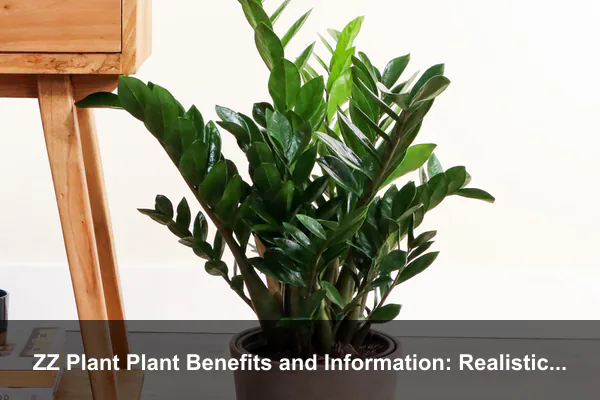
The ZZ Plant is often described as almost indestructible, but that phrase can hide the real reasons this houseplant has become so useful in modern homes. Its value is not only that it survives neglect. A healthy ZZ Plant brings glossy structure, slow and steady growth, simple care demands, and a calm green presence to rooms where many fussier plants struggle.
This guide focuses on ZZ Plant plant benefits and information from a practical, realistic angle. Instead of repeating the same general claims about easy indoor plants, it explains how to judge whether a ZZ Plant is right for your space, what benefits are genuinely useful, what safety points matter, and how to buy and maintain one without wasting money or overcomplicating care.
What Makes the ZZ Plant Different from Other Houseplants
The ZZ Plant, botanically known as Zamioculcas zamiifolia, is a tropical perennial grown mainly for its upright stems and thick, polished leaflets. It belongs to the aroid family, but it behaves differently from many popular indoor aroids because it stores water in underground rhizomes and fleshy stems. That storage system is the foundation of its reputation as a resilient houseplant.
Unlike fast-growing trailing plants that need regular pruning, or humidity-loving foliage plants that quickly show stress in dry rooms, the ZZ Plant is slow, firm, and architectural. Its leaves are naturally shiny, its stems hold a clean vertical line, and it does not need constant rearranging to look tidy. For people who want plant benefits without turning plant care into a demanding hobby, that makes a meaningful difference.
A Plant Built for Stability
The most important ZZ Plant information to understand is that it is adapted to periods of dryness. The rhizomes act like small water reservoirs, helping the plant cope when the potting mix dries out. This does not mean the plant should be ignored forever, but it does mean it can tolerate a missed watering far better than many delicate houseplants.
Why Its Appearance Matters
Plant benefits are not only biological. Visual order, texture, and proportion affect how a room feels. ZZ Plants offer deep green, waxy foliage that works well with wood, concrete, neutral walls, colorful rooms, and compact apartments. Because the plant keeps a neat form, it can add greenery without making a space feel cluttered.
Realistic ZZ Plant Benefits for Indoor Spaces
The best way to understand ZZ Plant benefits is to separate realistic value from exaggerated marketing. A ZZ Plant will not replace ventilation, medical care, cleaning, or an air purifier. However, it can support a more pleasant indoor environment in several practical ways.
- Low-maintenance greenery: It gives beginners and busy people a dependable plant that does not demand daily attention.
- Visual calm: Its glossy green leaves soften hard furniture lines and add a natural focal point.
- Flexible placement: It can adapt to bright indirect light and lower-light corners, although growth is stronger with better light.
- Long-term value: A well-kept ZZ Plant can remain attractive for years with modest care.
- Low pollen concern: It is grown for foliage, not fragrant flowers, making it a tidy choice for many indoor settings.
Air Quality Claims Should Be Kept Honest
Many indoor plant articles mention air purification, but it is important to be precise. Plants can interact with indoor air in controlled studies, yet a single houseplant in a normal room will not clean the air at a scale comparable to ventilation or filtration. The realistic benefit of a ZZ Plant is that it adds greenery, supports a more cared-for interior, and may encourage better daily habits such as opening windows, dusting surfaces, and maintaining a healthier room routine.
A Strong Choice for Visual Wellness
In the broader sense of plant benefits, sometimes called manfaat tanaman, the ZZ Plant is valuable because it makes indoor greenery easy to maintain. A plant that stays attractive with simple care is more likely to remain part of daily life. That consistency is where its wellness value becomes practical rather than decorative hype.
Essential ZZ Plant Information Before You Buy
A good ZZ Plant starts with a good purchase. Because this plant grows slowly, it is worth choosing carefully at the shop or nursery. A weak plant can recover, but recovery may take months. A strong plant gives you the benefits of instant structure, healthier roots, and fewer early problems.
How to Choose a Healthy ZZ Plant
Look for firm stems, evenly colored leaflets, and a plant that sits securely in its pot. A slight lean is normal, especially on taller stems, but soft stems, yellowing leaves, or a sour smell from the soil can signal overwatering or rhizome rot. Avoid plants sitting in decorative pots filled with water, even if the leaves still look good. ZZ Plants can decline from the roots before the top growth shows serious damage.
- Choose leaves that are glossy but not sticky.
- Check that the pot has drainage holes or can be removed from its cover pot.
- Inspect the undersides of leaves for pests such as scale or mealybugs.
- Pick a plant with several stems at different heights for a fuller look.
- Avoid heavily waterlogged soil, mushy bases, or a plant that smells musty.
Common ZZ Plant Types
The classic green ZZ Plant is the most widely available and usually the most affordable. The Raven ZZ has dramatic dark foliage that matures from bright green to almost black. Dwarf forms can work well on shelves or desks, while larger specimens are better as floor plants. The care principles are similar, but dark-leaved varieties often look best with enough indirect light to support strong color and compact growth.
Safe Placement for People, Pets, and Daily Routines
Safety is a key part of responsible ZZ Plant plant benefits and information. The ZZ Plant contains calcium oxalate crystals, which can irritate the mouth, throat, skin, or stomach if the plant is chewed or swallowed. It is not a food plant, herbal remedy, or tea ingredient. It should be treated as an ornamental houseplant only.
Where to Place a ZZ Plant
Place the plant where it can be seen and enjoyed without becoming an obstacle. A bright hallway corner, living room side table, office shelf, bedroom dresser, or entryway can work well if the plant is not exposed to harsh direct sun. Direct afternoon sun through glass may scorch leaves, while very dark rooms can keep the plant alive but slow its growth dramatically.
For homes with cats, dogs, or young children, use a higher shelf, plant stand, or room that can be supervised. The goal is not to create fear around the plant, but to respect that attractive leaves can invite chewing. If a pet has a strong habit of eating houseplants, choose placement with extra care.
Smart Placement Checklist
- Choose bright indirect light when possible.
- Keep it away from heat vents, cold drafts, and frequently opened exterior doors.
- Use a stable pot that will not tip easily.
- Keep leaves out of reach of pets and small children.
- Leave enough room around the plant so stems are not bent by foot traffic.
A Simple Care Routine That Protects the Plant
ZZ Plant care is simple, but simple does not mean random. The biggest mistake is watering on a fixed weekly schedule without checking the soil. Because the rhizomes store moisture, the plant is more likely to suffer from too much water than too little. A better routine is based on observation.
Watering Without Guesswork
Water when the potting mix has dried out well. For many indoor spaces, that may mean every two to four weeks, but the exact timing depends on pot size, light, temperature, airflow, and soil type. Push a finger into the mix or use a moisture meter as a guide, then water thoroughly and let excess water drain away. Never let the nursery pot sit in standing water inside a decorative container.
Soil and Pot Choice
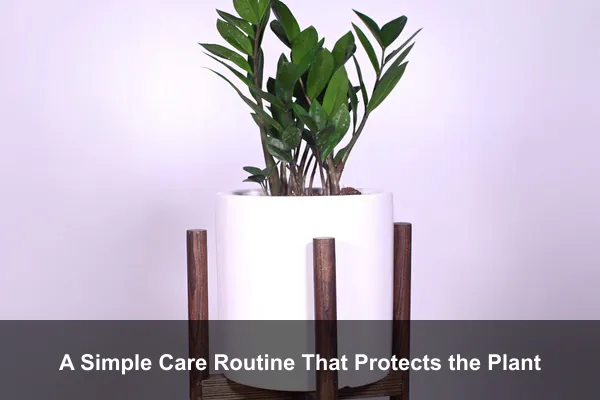
A ZZ Plant needs a container with drainage and a mix that does not stay soggy. A standard indoor potting mix can work better when amended with perlite, pumice, orchid bark, or coarse material to improve airflow. Heavy garden soil is not a good choice for indoor pots because it compacts and holds too much water.
- Light: Bright indirect light is ideal, but the plant can tolerate lower light.
- Water: Let the soil dry significantly before watering again.
- Temperature: Average indoor warmth is suitable, especially around 65 to 80 F.
- Humidity: Normal household humidity is usually enough.
- Feeding: Use a diluted balanced houseplant fertilizer during active growth, not during stress.
Cleaning the Leaves
Dust can dull the glossy leaf surface and make the plant look tired. Wipe leaves gently with a soft damp cloth every few weeks. Avoid heavy leaf-shine products because they can leave residue. Clean leaves help the plant look polished and make it easier to spot pests early.
Troubleshooting ZZ Plant Problems by Symptom
Because the ZZ Plant grows slowly, problems can seem mysterious. The key is to match symptoms with likely causes instead of reacting too quickly. One yellow leaflet is not always a crisis. Several yellowing stems, soft bases, or wet soil are more serious.
Yellow Leaves
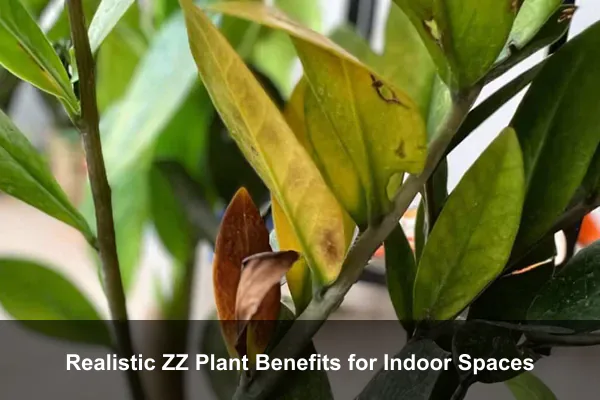
Yellow leaves are often linked to overwatering, especially if the soil is damp and the stems feel soft. Let the pot dry, check drainage, and remove badly damaged stems with clean tools. If the plant is in a pot without drainage, repotting may be necessary.
Wrinkled Stems or Drooping Growth
Wrinkling can indicate underwatering, but it can also appear when roots are damaged and cannot move water properly. Check the soil first. If it is bone dry and the pot feels very light, water thoroughly. If it is wet and the plant is wrinkling, inspect for root or rhizome rot.
Slow Growth
Slow growth is normal. ZZ Plants are not rapid growers indoors. If the plant looks healthy but has not produced new stems for months, it may simply be conserving energy. Better indirect light, a warm room, and careful watering can help, but patience is part of owning this plant.
Budget-Friendly and Sustainable ZZ Plant Ownership
A ZZ Plant can be a low-waste houseplant when cared for thoughtfully. Its slow growth means it does not require frequent repotting, heavy fertilizer use, or constant replacement. That makes it a practical option for people who want indoor greenery without a cycle of buying plants that decline quickly.
Repot Only When Needed
Repotting is usually needed when the rhizomes crowd the pot, roots circle heavily, or water runs through too quickly because the mix has broken down. Choose a pot only slightly larger than the current one. A pot that is much too large can hold excess moisture around the roots.
Propagation With Patience
ZZ Plants can be propagated by division, stem cuttings, or leaf cuttings. Division is the fastest because each section already has rhizomes and roots. Leaf propagation is possible but slow, often taking a long time before a new plant looks full. For sustainable plant ownership, propagation is useful, but it should be done when the parent plant is healthy and large enough to divide without stress.
- Use division for the quickest new plant.
- Let cut surfaces callus briefly before placing in mix if using cuttings.
- Keep propagation pots lightly moist, not wet.
- Expect slow progress and avoid disturbing new roots too often.
How to Use a ZZ Plant in Interior Design
The ZZ Plant is especially useful where a room needs structure rather than softness. Its upright growth can frame furniture, balance a low cabinet, or add height beside a reading chair. Smaller plants work well on desks and shelves, while mature plants can anchor an empty corner without requiring a large footprint.
For a clean look, pair the plant with a simple ceramic, fiberstone, or terracotta-style pot. A dark Raven ZZ can look striking in a light container, while the classic green ZZ Plant pairs well with warm neutrals, matte black, stone gray, and natural wood. The plant already has glossy leaves, so the container does not need to be overly decorative.
Best Rooms for a ZZ Plant
Living rooms, bedrooms, home offices, reception areas, and apartments with limited natural light are common matches. Bathrooms can work if there is enough light and the pot does not stay damp. Kitchens are suitable if the plant is away from cooking heat and splashing oil.
Conclusion: Is a ZZ Plant Right for You?
The ZZ Plant is right for people who want dependable indoor greenery, strong visual impact, and simple care. Its real benefits come from resilience, tidy growth, flexible placement, and long-term ornamental value. It is not a miracle air purifier or edible wellness plant, and it should be placed responsibly around pets and children.
When you understand the essential ZZ Plant plant benefits and information, this houseplant becomes easier to appreciate for what it truly offers: a durable, elegant, low-maintenance way to bring the benefits of plants into everyday indoor life.
