
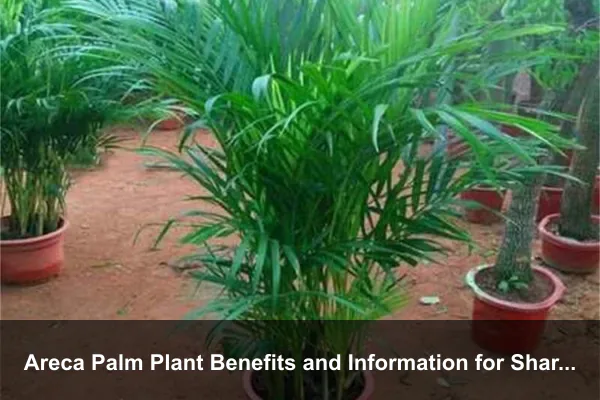
Areca Palm plant benefits and information are often discussed in the context of home decor, but this graceful indoor palm is especially useful in shared spaces such as offices, reception areas, classrooms, clinics, studios, and family rooms. Its upright canes and soft, arching fronds create a natural presence without making a room feel crowded, formal, or difficult to maintain.
Known botanically as Dypsis lutescens and commonly called butterfly palm or golden cane palm, the Areca Palm is valued for its tropical look, approachable care routine, and broad design flexibility. For readers interested in manfaat tanaman, or the practical benefits of plants, this palm is best understood as a living comfort feature: it softens interiors, supports a calmer atmosphere, adds gentle greenery, and encourages better attention to light, water, and indoor air movement.
Why Areca Palm Works Well in Shared Indoor Spaces

Shared indoor spaces need plants that look welcoming from several angles, tolerate routine movement nearby, and do not demand constant specialist care. The Areca Palm fits that role because its foliage is tall enough to be noticed but light enough to avoid blocking conversation, signs, desks, or walkways.
Unlike spiky plants that may feel sharp in a narrow corridor, Areca Palm fronds have a softer visual texture. This makes the plant useful in waiting rooms, meeting corners, co-working areas, and living rooms where people gather for different reasons. It can make a room feel more settled without relying on heavy furniture or decorative clutter.
Main Benefits of the Areca Palm Plant
The most useful Areca Palm plant benefits are practical rather than magical. It is not a substitute for ventilation, air filtration, or cleaning, but it can improve how a room feels and functions when it is placed and maintained well.
- Visual softness: The feathery fronds break up hard lines from desks, walls, shelves, and electronics.
- Biophilic comfort: Green plants can make indoor spaces feel more connected to nature and less sterile.
- Gentle humidity support: Like many leafy plants, Areca Palm releases moisture through transpiration, which may help slightly in dry rooms when grouped with other plants.
- Space definition: A mature Areca Palm can mark a reading corner, reception zone, or informal meeting area without building a fixed divider.
- Low-fragrance greenery: It adds plant value without strong scent, which is helpful in shared environments where people may be sensitive to fragrance.
A Better Way to Think About Air Quality
Areca Palm is often promoted as an air-purifying plant. While leaves can collect dust and plants can contribute to a fresher feeling room, a single potted palm will not clean indoor air at the level of a proper purifier or open-window ventilation. The smarter benefit is that the plant encourages a better indoor routine: dusting leaves, checking airflow, avoiding stagnant corners, and noticing when a room feels too dry or dim.
Emotional and Design Value
In shared rooms, people often respond well to plants that feel calm but not fragile. Areca Palm has that balance. It looks lush, yet its form is familiar and friendly. This makes it suitable for professional spaces that need warmth without looking overly decorative.
Areca Palm Plant Information: Growth, Form, and Identity
The Areca Palm is a clumping palm native to Madagascar. Indoors, it usually grows as multiple cane-like stems from one pot, with yellow-green stems and long leaflets arranged along arching fronds. In good conditions, it can become a large floor plant, often reaching several feet tall inside.
Its growth is moderate rather than fast. That is useful in offices and family areas because it gives the owner time to adjust pot size, placement, and care without the plant quickly overwhelming the room. Mature plants may need more floor space, but their vertical habit keeps them easier to place than many sprawling houseplants.
Common Names to Know
Areca Palm may be sold under several names, including golden cane palm, butterfly palm, yellow palm, or bamboo palm in some shops. These names can create confusion, so the botanical name Dypsis lutescens is the clearest reference when comparing care advice.
Best Indoor Size
For a shared indoor space, a plant between 3 and 6 feet tall is usually the most practical. It is visible enough to improve the room but still manageable for watering, rotating, cleaning, and moving when needed.
Best Placement for Offices, Lobbies, and Family Rooms
Placement has a major effect on Areca Palm health. The plant prefers bright, indirect light. It can tolerate some gentle morning sun, but harsh afternoon sun through glass may scorch the leaves. In a shared room, the best spot is usually near a bright window, beside a seating area, or in an open corner where the fronds are not constantly brushed by people passing by.
- Choose bright indirect light: Place it near an east-facing window or several feet back from a strong south or west window.
- Avoid blocked walkways: Fronds break more easily when people brush against them every day.
- Keep it away from vents: Direct air conditioning or heating can dry the leaf tips.
- Use a stable pot: In public or family spaces, a heavier cachepot helps prevent tipping.
- Rotate regularly: Turning the pot every few weeks helps the plant grow evenly toward the light.
Good Rooms for Areca Palm
This palm works well in a bright living room, office corner, reception desk area, reading nook, yoga studio, or dining area with filtered light. It is less suitable for dark hallways, windowless rooms, or tight spaces where the fronds will be squeezed against walls.
Care Routine for Healthy Areca Palm Fronds
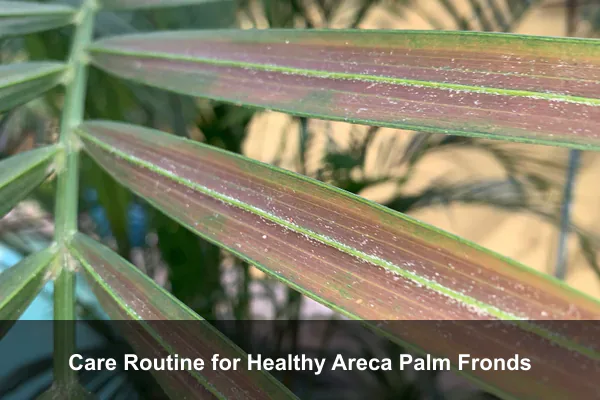
A healthy Areca Palm care routine is steady, moderate, and observant. The plant dislikes both bone-dry soil and soggy roots. The goal is to keep the potting mix lightly moist, then let the top inch or two dry before watering again.
Watering
Check the soil with a finger before watering. If the upper layer feels dry, water thoroughly until excess drains from the bottom. Empty the saucer so the roots do not sit in standing water. In warmer, brighter months, the plant may need water more often. In cooler or darker months, it will use water more slowly.
Soil and Potting
Use a loose, well-draining potting mix. A blend designed for indoor palms or tropical houseplants often works well. The pot must have drainage holes. If the plant is placed inside a decorative outer container, keep the nursery pot raised or remove it for watering so hidden water does not collect underneath.
Feeding
Feed lightly during the active growing season with a balanced indoor plant fertilizer. Overfeeding can cause salt buildup and brown leaf tips, so a diluted dose is usually better than a heavy one. Pause feeding when growth slows.
Leaf Cleaning
In shared spaces, dust builds up quickly on foliage. Wipe fronds gently with a damp cloth or rinse the plant occasionally if it can be moved safely. Clean leaves look better and receive light more efficiently.
Safety, Pets, and Common Problems
Areca Palm is generally regarded as non-toxic to cats and dogs, which makes it a useful choice for homes and some pet-friendly offices. However, non-toxic does not mean edible. Chewing large amounts of any houseplant can still upset a pet’s stomach, and damaged fronds make the plant look worn.
Brown Tips
Brown tips are commonly caused by dry air, inconsistent watering, fertilizer salt buildup, or direct airflow from vents. Trim only the dry brown edges with clean scissors and improve the routine gradually.
Yellowing Leaves
Yellow leaves may point to overwatering, poor drainage, low light, or natural aging. If many leaves yellow at once, inspect the soil and roots before adding more water.
Pests
Spider mites, scale, and mealybugs can appear, especially in dry indoor conditions. Check the undersides of fronds and the base of stems. Early action with wiping, rinsing, and appropriate houseplant-safe treatment is more effective than waiting until the plant is heavily infested.
Sustainable Styling and Long-Term Value
The Areca Palm offers the most value when treated as a long-term living feature rather than a temporary decoration. Choose a size that fits the room for at least one or two years, use a durable pot, and place a tray or mat under the container to protect floors.
For styling, pair the palm with simple furniture, natural textures, and enough open space for the fronds to spread. In offices, one healthy Areca Palm in a strong location is better than several stressed plants scattered in poor light. In homes, it can anchor a corner without making the room feel busy.
- Use a neutral pot for professional rooms and a textured basket-style cachepot for relaxed interiors.
- Place it near seating where people can enjoy the greenery without brushing against it.
- Group it with smaller plants only if there is enough light and space for airflow.
- Keep maintenance tools nearby if the plant is in an office or shared building.
Conclusion
Areca Palm plant benefits and information are most useful when viewed through real indoor life: shared rooms, changing routines, mixed users, and the need for greenery that feels welcoming without becoming difficult. This palm brings height, softness, and tropical character while remaining practical for many homes and public-facing spaces.
With bright indirect light, careful watering, clean leaves, and a stable location, the Areca Palm can become a dependable part of a healthier-looking indoor environment. It will not solve every air or wellness concern on its own, but it can make everyday spaces feel more natural, comfortable, and thoughtfully maintained.
