
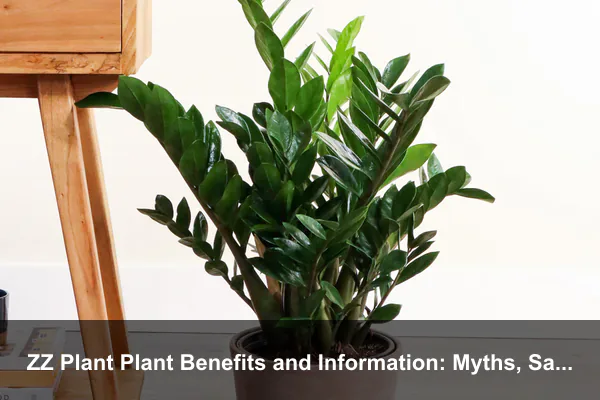
The ZZ Plant, botanically known as Zamioculcas zamiifolia, has become one of the most trusted houseplants for people who want greenery without a demanding care routine. Its glossy upright leaves, thick water-storing rhizomes, and calm architectural shape make it useful in apartments, offices, bedrooms, entryways, and other indoor spaces where many plants struggle.
This guide takes a different look at ZZ Plant plant benefits and information by focusing on realistic value, common myths, safe placement, and practical decision-making. Instead of treating the ZZ Plant as a miracle air purifier or a plant that can survive anything, this article explains what it truly offers, where its limits are, and how to enjoy its benefits responsibly in a modern home.
What Makes the ZZ Plant Different?
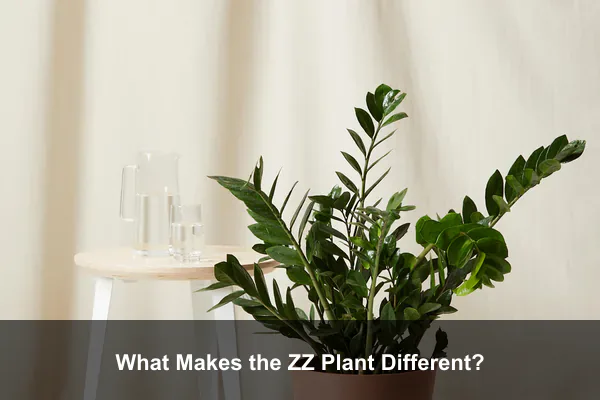
The ZZ Plant is a tropical perennial native to eastern Africa, where it adapted to cycles of rain and drought. Indoors, this background explains much of its popularity. The plant stores water in thick underground rhizomes and fleshy stems, so it can handle short periods of neglect better than many leafy houseplants.
Its appearance is also distinctive. ZZ Plant leaves are smooth, waxy, and naturally shiny, giving the plant a clean, polished look even when it is not flowering. The stems grow in an upright, slightly arching form, which helps the plant look structured without needing frequent pruning or support.
Key Botanical Traits
- Botanical name: Zamioculcas zamiifolia
- Plant type: Tropical rhizomatous houseplant
- Common names: ZZ Plant, Zanzibar Gem, eternity plant
- Growth habit: Upright stems with glossy compound leaves
- Main indoor appeal: Low-maintenance foliage and strong visual structure
One reason the ZZ Plant is so useful indoors is that it does not rely on constant visible growth to remain attractive. Some plants look unhealthy if they slow down for a season, but ZZ Plants often keep their neat shape for months with only modest changes.
Realistic ZZ Plant Benefits for Indoor Living
Many plant articles exaggerate what houseplants can do. A ZZ Plant will not transform indoor air overnight or replace good ventilation, but it still offers meaningful benefits. Its value is practical, visual, psychological, and lifestyle-based.
It Adds Greenery Without Constant Attention
The most reliable benefit of a ZZ Plant is that it makes indoor greenery easier to maintain. People who travel, work long hours, forget watering schedules, or live in spaces with limited natural light often find it more forgiving than moisture-loving plants.
This makes the ZZ Plant especially useful for beginners. It allows people to experience the pleasure of caring for a living plant without being overwhelmed by daily misting, complicated feeding routines, or fast-changing leaf problems.
It Supports a Calmer Visual Environment
Indoor plants can soften a room visually. The ZZ Plant does this in a controlled way because its form is upright and tidy. It does not trail across shelves, shed many leaves, or demand a large footprint. In workspaces, its steady green presence can make a desk, reception area, or reading corner feel less bare.
From a Manfaat Tanaman perspective, this is one of the plant’s everyday benefits: it brings a sense of freshness and natural texture into human spaces. The benefit is not magical; it comes from how people respond to living greenery, visual contrast, and a more balanced interior atmosphere.
It Handles Low-Light Rooms Better Than Many Plants
The ZZ Plant is often promoted as a low-light plant, and that claim is partly true. It can tolerate low light better than many common indoor plants, which makes it useful in rooms with small windows, shaded corners, or indirect daylight.
However, low light is not the same as no light. A ZZ Plant still needs some light to maintain itself over time. In very dark spaces, it may survive for a while but grow slowly, lean toward light sources, or produce weaker new stems.
ZZ Plant Myths You Should Understand
Because the ZZ Plant is so popular, it is surrounded by repeated claims that are not always accurate. Understanding these myths helps you care for the plant better and make stronger content, buying, and placement decisions.
Myth 1: ZZ Plants Clean Indoor Air Completely
ZZ Plants may contribute modestly to a more pleasant indoor environment, but they should not be treated as a complete air-cleaning solution. Real indoor air quality depends on ventilation, dust control, humidity balance, cleaning habits, building materials, and pollutant sources.
If your goal is a healthier room, use the ZZ Plant as one part of a broader approach. Open windows when outdoor conditions allow, clean dust from surfaces, reduce strong chemical odors, and avoid overwatering plants that could contribute to mold problems.
Myth 2: ZZ Plants Do Not Need Light
Another common myth is that ZZ Plants can live indefinitely in windowless spaces. While they are tolerant, they are still photosynthetic plants. A room with no natural light and no grow light is not an ideal long-term location.
If you want to place a ZZ Plant in a dim hallway or office corner, rotate it every few weeks to a brighter area, or use a suitable grow light. This keeps the plant healthier without forcing you to redesign the whole room.
Myth 3: ZZ Plants Are Completely Safe for Pets and Children
ZZ Plants contain calcium oxalate crystals, which can irritate the mouth, lips, tongue, throat, and stomach if chewed or swallowed. This does not mean the plant is dangerous to touch under normal circumstances, but it should be placed thoughtfully in homes with curious pets or small children.
Wear gloves if you have sensitive skin and wash your hands after pruning, dividing, or repotting. If a pet or child chews the plant, contact a veterinarian, pediatrician, or poison control resource for situation-specific guidance.
Safe Placement and Home Use
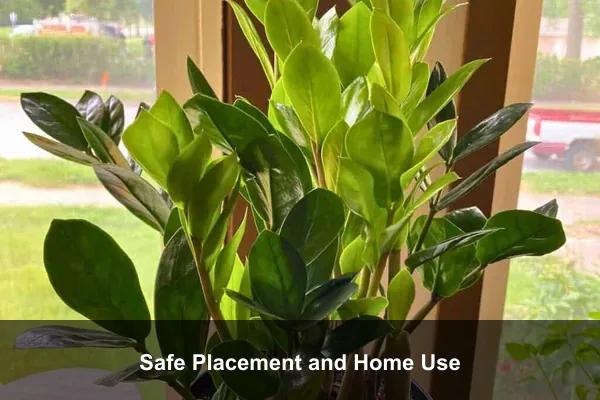
Good placement helps you enjoy the ZZ Plant’s benefits while reducing risk. The best location is usually bright to moderate indirect light, away from harsh afternoon sun, heater vents, air conditioners, and areas where the pot may be knocked over.
Best Rooms for a ZZ Plant
- Living room: Use it beside a sofa, media unit, or reading chair for clean vertical greenery.
- Home office: Place it near a desk or shelf where it receives indirect light but does not crowd work surfaces.
- Bedroom: Keep it near a window or on a dresser, especially if you want a calm, low-maintenance plant.
- Entryway: Use a mature ZZ Plant as a structured welcome plant if the area has enough indirect light.
- Apartment corners: Choose compact varieties for small spaces and rotate the pot for even growth.
Where to Avoid Placing It
- Directly in hot, intense sunlight that can scorch leaves
- In completely dark rooms without a grow light
- On the floor where pets may chew the leaves
- Near cold drafts or heating vents
- In decorative pots with no drainage unless the nursery pot remains inside
For households with pets, a high shelf, plant stand, or closed room may be better than floor placement. The goal is not to fear the plant, but to use it intelligently.
Care Basics That Protect the Plant’s Benefits
The ZZ Plant’s benefits depend on keeping it healthy. A stressed, overwatered, or dusty plant loses much of its visual appeal. Fortunately, basic care is simple when you understand what the plant dislikes most: soggy soil, constant disturbance, and extreme conditions.
Light
Place the ZZ Plant in bright, filtered light when possible. It can adapt to lower light, but brighter indirect light usually supports better growth and stronger stems. Avoid harsh direct sun through hot windows, especially in the afternoon.
Watering
Water only when the soil has dried out well. The exact timing depends on pot size, soil mix, room temperature, humidity, and light level. In many indoor spaces, this may mean watering every two to four weeks, but the soil should guide you more than the calendar.
When watering, soak the soil thoroughly and let excess water drain away. Do not let the pot sit in standing water. Overwatering is the fastest way to damage ZZ Plant rhizomes.
Soil and Pot
Use a well-draining potting mix. A standard indoor plant mix can work if it is lightened with perlite, pumice, orchid bark, or another drainage-improving material. The pot should have drainage holes, even if you use a decorative outer container.
Cleaning the Leaves
Dust can dull the plant’s glossy finish and reduce its ability to use available light. Wipe leaves gently with a soft damp cloth every few weeks. Avoid heavy leaf-shine products because they can leave residue and make the plant look artificial.
Common Problems and What They Mean
ZZ Plants are resilient, but they still communicate stress through leaf color, stem texture, and growth changes. Reading these signs early helps you correct issues before they become serious.
Yellow Leaves
Yellowing leaves are often linked to overwatering, especially if the soil stays wet for many days. Check the roots and rhizomes if the plant also feels soft, smells sour, or has collapsing stems. Let the soil dry, improve drainage, and reduce watering frequency.
Wrinkled Stems
Wrinkled or shriveled stems may point to underwatering, root damage, or long-term stress. If the soil is bone dry and the plant feels light, water thoroughly. If the soil is wet and the stems are wrinkled, root rot may be preventing water uptake.
Leaning Growth
Leaning stems often indicate the plant is reaching toward light. Rotate the pot regularly and move it closer to a bright window with indirect light. Mature stems can also arch naturally, so look for sudden changes rather than expecting perfect symmetry.
Brown Tips or Edges
Brown tips may come from inconsistent watering, dry indoor air, fertilizer buildup, or physical damage. Trim only the dead portion if needed, and review the plant’s routine before making major changes.
Choosing the Right ZZ Plant Variety
Although the classic green ZZ Plant is the most common, several varieties are now popular. Choosing the right one helps you match the plant to your space, light level, and design preference.
Classic Green ZZ Plant
This is the easiest and most widely available type. It has glossy medium-to-dark green leaves and suits almost any interior style. It is the best choice for beginners who want dependable performance.
Raven ZZ Plant
Raven ZZ is known for dramatic dark foliage. New leaves often emerge bright green and gradually darken. It looks striking in modern rooms, but it benefits from brighter indirect light to maintain strong growth.
Zenzi ZZ Plant
Zenzi is a compact form with smaller, tighter growth. It is useful for shelves, desks, and small apartments. Because it grows densely, avoid overwatering and make sure the potting mix drains well.
SEO-Friendly Summary of ZZ Plant Benefits
For readers comparing houseplants, the ZZ Plant offers a clear set of advantages. It is not the most colorful, fastest-growing, or most pet-safe plant, but it is one of the most dependable foliage plants for everyday indoor use.
- It provides attractive glossy greenery with minimal upkeep.
- It tolerates missed watering better than many tropical plants.
- It adapts to low and moderate indirect light.
- It suits small homes, apartments, offices, and calm interior designs.
- It can support a more natural and comfortable indoor atmosphere.
- It requires little pruning and stays visually tidy.
- It offers strong beginner value when placed safely and watered correctly.
The most important point is balance. ZZ Plant plant benefits and information should be presented honestly: the plant is useful, beautiful, and practical, but it still needs light, drainage, and safe handling.
Conclusion
The ZZ Plant is a strong choice for anyone who wants indoor greenery that is attractive, resilient, and easy to live with. Its glossy leaves, upright form, and drought-tolerant rhizomes make it especially valuable for modern homes where time, space, and light may be limited.
At the same time, the best results come from understanding the plant realistically. It is not a substitute for ventilation, it cannot live forever without light, and it should be kept away from pets or children who may chew it. When cared for with these limits in mind, the ZZ Plant becomes more than a decorative houseplant. It becomes a practical, long-lasting part of a healthier and more welcoming indoor environment.
