
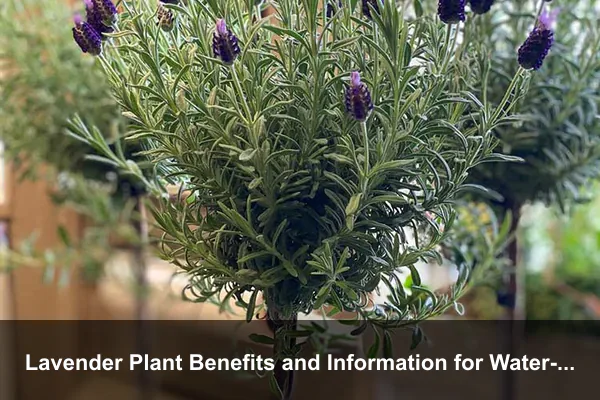
Lavender is more than a fragrant purple flower. For gardeners who want beauty, useful harvests, and lower-input planting, it is one of the most practical herbs to understand. This guide to Lavender plant benefits and information focuses on a fresh angle: how lavender works as a water-wise, soil-sensitive, long-lasting herbal plant for modern home gardens.
Many articles discuss lavender for scent, sleep, drying, or basic care. Here, the focus is different. You will learn why lavender prefers lean conditions, how to choose the right type for your climate, how to use it in a low-water landscape, and how to enjoy its benefits responsibly without treating it as a cure-all. From a plant benefits perspective, lavender is valuable because it combines ornamental appeal, herbal usefulness, garden structure, and ecological support in one compact plant.
Why Lavender Fits Water-Wise Herbal Gardens
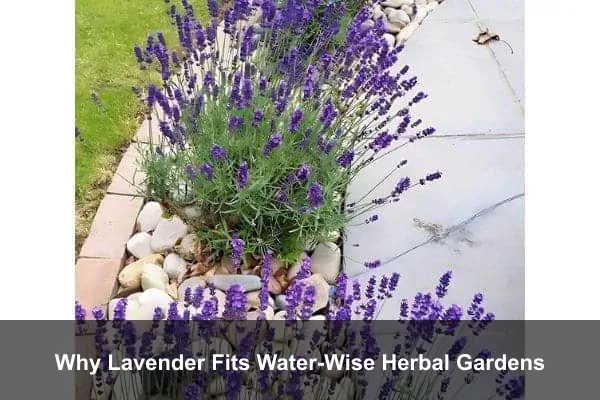
Lavender comes from regions where summers are often dry, sunlight is strong, and soil is not naturally rich. That background explains much of its behavior in the garden. Instead of needing constant feeding and heavy watering, lavender performs best when roots can breathe, stems stay dry, and the plant receives several hours of direct sun each day.
This makes lavender a strong choice for gardeners who want a beautiful plant without creating a high-maintenance routine. In the right setting, it can provide months of silvery foliage, seasonal flower spikes, and a clean herbal aroma with relatively modest inputs. It is especially useful in sunny borders, gravel gardens, raised beds, cottage-style herb patches, and containers placed where drainage is excellent.
The practical benefits of lavender include:
- Water-wise value: established plants usually need less frequent irrigation than moisture-loving ornamentals.
- Long seasonal interest: gray-green foliage remains attractive even when the plant is not blooming.
- Aromatic harvest: flowers and leaves can be used for sachets, simple crafts, and careful culinary applications.
- Garden structure: mounded growth helps define paths, beds, and herb garden edges.
- Low-fertilizer habit: lavender often performs better in moderate to lean soil than in overly rich beds.
The key is matching lavender to the conditions it likes. When planted in wet clay, heavy shade, or constantly fertilized soil, it often becomes weak, woody, or short-lived. When planted like a Mediterranean herb, it becomes far more reliable.
Essential Lavender Plant Information
Lavender belongs to the genus Lavandula, a group of aromatic shrubs and subshrubs in the mint family. The leaves are narrow, the stems become woody with age, and the flowers appear on upright spikes. Although gardeners often speak of lavender as one plant, different species and hybrids behave differently in heat, humidity, winter cold, fragrance, and flower form.
English Lavender
Lavandula angustifolia, commonly called English lavender, is one of the best-known types for fragrance, compact growth, and culinary use. It is not originally from England, but the name became associated with traditional English gardens. It often has a sweeter aroma than some other lavenders and is commonly used in herb gardens, borders, and small-space plantings.
English lavender is a good starting point for many gardeners because it tends to have refined foliage, useful flower buds, and a tidy shape. However, it still needs sun and drainage. In humid climates, airflow around the plant becomes especially important.
Lavandin
Lavandin, often listed as Lavandula x intermedia, is a hybrid group known for vigorous growth, tall flower stems, and strong fragrance. It is widely grown for essential oil production and landscape display. Lavandin can be excellent when the goal is visual impact, hedge-like planting, or large fragrant harvests.
Because lavandin plants are often larger than English lavender, they need more spacing. Crowding them into tight beds reduces airflow and can encourage disease in damp conditions. Their aroma is sometimes sharper or more camphor-like, which may be ideal for sachets and household fragrance but less suitable for delicate culinary use.
Spanish and French Lavender
Spanish lavender, commonly linked with Lavandula stoechas, is recognized by its showy bracts at the top of the flower head. French lavender may refer to several types depending on region, including forms with toothed leaves. These lavenders are often valued for ornamental display and tolerance of warm climates, though they may be less cold-hardy than English lavender.
If your area has mild winters and hot summers, these ornamental lavenders can be excellent choices. If your winters are cold, check hardiness carefully before planting them outdoors permanently.
The Soil-First Secret to Healthy Lavender
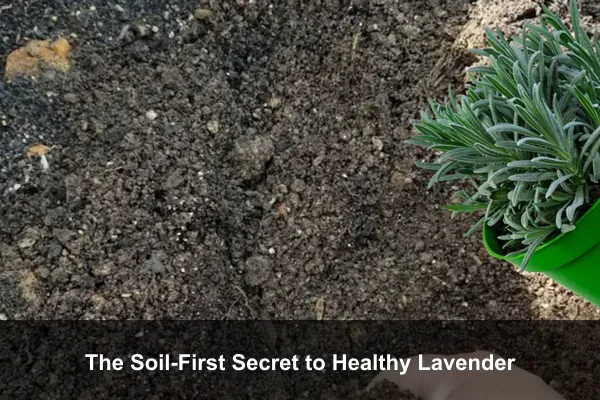
The most important lavender care lesson is simple: lavender usually fails from poor drainage before it fails from hunger. Many gardeners try to help struggling lavender by adding compost, fertilizer, or more water. In many cases, those additions make the problem worse because the roots are already sitting in conditions that are too damp or too rich.
Drainage Matters More Than Richness
Lavender roots need oxygen. Soil that stays wet after rain limits airflow around the roots and increases the risk of rot. Sandy, gritty, gravelly, or sharply drained soil is often better than heavy fertile soil. If your garden has clay, consider planting lavender in a raised mound, raised bed, or large container with a fast-draining mix.
A soil-first approach does not mean ignoring organic matter completely. It means avoiding the soft, moisture-retentive conditions used for vegetables or tropical houseplants. Lavender does not want to be pampered like lettuce. It wants to be anchored in a sunny, open, mineral-lean place where water moves away quickly.
Sunlight and Airflow Shape the Plant
Lavender needs full sun for compact growth, good flowering, and strong fragrance. In most gardens, that means at least six hours of direct sun daily, with more being helpful in cooler climates. Too much shade causes floppy stems, fewer flowers, and weaker aromatic oils.
Airflow is just as important in humid regions. Place lavender where morning sun can dry dew from leaves and where nearby plants do not press tightly against it. A little space around the plant often prevents more problems than any spray or treatment.
Watering Should Change as the Plant Matures
Newly planted lavender needs consistent moisture while roots establish, especially during the first few weeks. Established lavender is different. Once the root system has spread, it generally prefers deep, occasional watering rather than frequent shallow watering.
In containers, lavender dries faster than in the ground, so the routine must be adjusted. The goal is not to keep the pot constantly moist. The goal is to water thoroughly, then let the mix dry enough that roots are not trapped in dampness. A container with drainage holes is not optional; it is essential.
Lavender Plant Benefits for the Home Garden
Lavender plant benefits are strongest when the plant is used realistically. It is not a miracle herb, but it is a highly useful one. Its value comes from the combination of fragrance, flowers, foliage, resilience, and harvest potential.
Aromatic Atmosphere Without Heavy Perfume
Lavender releases scent when leaves or flowers are touched, warmed by the sun, or harvested. Planted beside a path, it adds a subtle sensory layer to the garden. This is useful in small yards because one plant can influence the feeling of a space without needing bright flowers all year.
The aroma is often associated with calm routines, but it is best to describe this benefit carefully. Lavender scent may help create a relaxing environment for some people, especially when used as part of a bedtime, bath, or quiet-room routine. It should not be presented as a replacement for medical care, sleep treatment, or stress management support when those are needed.
Useful Harvests From a Small Footprint
Lavender is space-efficient. A single healthy plant can provide enough flower stems for small bundles, sachets, drawer fresheners, herbal craft projects, or occasional culinary use. For gardeners with limited space, that makes lavender more productive than many purely ornamental plants.
For culinary use, choose food-safe lavender, avoid plants treated with non-food-safe chemicals, and use small amounts. English lavender is usually preferred because of its sweeter, less medicinal flavor. Lavender can quickly overpower food, so it works best as a light accent in sugar, shortbread, tea blends, lemonade, honey, or herb mixtures.
Visual Texture and Color Contrast
Lavender foliage is part of its benefit. The gray-green leaves contrast beautifully with darker herbs, warm-toned flowers, stone paths, terracotta pots, and vegetable beds. Even before flowering, a lavender plant can soften edges and make a garden feel intentional.
This foliage also helps lavender fit into low-water designs. Silver and gray leaves are common among plants adapted to bright, dry conditions. When combined with rosemary, thyme, sage, oregano, santolina, or ornamental grasses, lavender supports a cohesive Mediterranean-style planting that looks good while reducing irrigation demand.
How to Design With Lavender Without Overcrowding It
Lavender looks best when it is given enough space to form its natural mound. Overcrowding is one of the most common design mistakes. A young plant may look small at first, but a mature lavender can spread wider than expected. Good spacing protects plant health and keeps the design readable.
Use Lavender as an Edge, Not a Filler
Lavender works well along paths, patios, driveway edges, and sunny borders because the plant has a defined shape. When planted as an edge, it can guide movement and release fragrance when brushed lightly. This use is different from treating lavender as a random filler in a mixed bed.
For a clean effect, repeat plants at regular intervals but leave enough room for air circulation. If you want a softer cottage look, vary the spacing slightly while still respecting mature size. The plant should not be forced to compete with aggressive neighbors.
Pair It With Plants That Like Similar Conditions
Lavender should be grouped with plants that share its preferences. Pairing it with thirsty annuals or moisture-loving perennials creates a care conflict. Either the lavender gets too much water, or the companion plant gets too little.
Better companions include sun-loving, drought-tolerant herbs and ornamentals. Thyme can cover low edges, rosemary can provide upright structure, sage can echo the silvery color, and ornamental alliums can add vertical flower interest. In warm climates, lavender can also sit beautifully near rockrose, yarrow, or other dry-garden plants.
Containers Need Width and Drainage
Lavender can grow in containers, but the container must support the plant’s root and airflow needs. A wide pot is often better than a narrow decorative container because it stabilizes the plant and gives roots room. Terracotta is useful because it breathes and dries faster than plastic, though it may need more frequent watering in very hot weather.
Use a gritty potting mix rather than a dense, moisture-holding blend. Avoid placing a saucer under the pot where water sits after irrigation. If a saucer is needed to protect a surface, empty it after watering.
Harvesting Lavender for Better Quality
Harvest timing affects fragrance, appearance, and usefulness. The best time depends on what you want from the plant. For bouquets and decorative stems, harvest when several buds have opened but the stem still looks fresh. For culinary buds or sachets, many gardeners prefer cutting when buds are formed and just beginning to open, because fragrance is concentrated and the flowers hold together well.
Cut stems on a dry morning after dew has evaporated. Use clean scissors or pruners, and avoid cutting deep into old woody stems with no green growth. Lavender responds best when harvested lightly and shaped consistently rather than being hacked back severely after years of neglect.
Pruning Keeps Lavender From Becoming Too Woody
Lavender naturally becomes woody with age, but good pruning slows the process. After flowering, trim back spent stems and lightly shape the green growth. The goal is to keep the plant compact while leaving enough leafy growth for recovery.
Do not cut into bare old wood unless you know the plant can resprout from that area. Many lavender plants do not recover well from hard cuts into leafless stems. Regular modest pruning is safer than waiting until the plant is oversized and then trying to force it back into shape.
Fresh and Dried Uses Should Stay Simple
Lavender can be enjoyed fresh in small vases, tied into bundles, added to linen sachets, or used sparingly in recipes. If drying stems, hang small bundles in a dry, shaded, airy place. Direct harsh sun can fade color and reduce fragrance quality.
Keep dried lavender away from moisture and store it in breathable bags or sealed jars only after it is fully dry. If it smells musty, feels damp, or shows signs of mold, discard it.
Safe Lavender Use Around People and Pets
Responsible lavender information must include safety. Natural does not automatically mean risk-free. Lavender flowers and leaves can be useful, but concentration, exposure, age, health conditions, and product quality matter.
Culinary Lavender Should Be Food-Safe
Only use lavender in food when you are confident it has not been treated with unsafe chemicals. Plants sold for ornamental display may have been grown with products not intended for edible use. If you want culinary lavender, start with food-safe seed, cuttings, or nursery plants clearly labeled for edible herb use.
Use lavender lightly. A small amount can add floral depth; too much can taste bitter, soapy, or medicinal. People who are pregnant, nursing, managing medical conditions, or taking regular medication should be cautious with concentrated herbal preparations and seek professional guidance when needed.
Essential Oil Is Not the Same as the Plant
Lavender essential oil is highly concentrated. It should not be swallowed casually, applied undiluted to skin, or used around babies, sensitive individuals, or pets without careful guidance. Cats, dogs, and other animals may react differently to essential oils than adults do, and enclosed rooms can increase exposure.
Growing lavender in the garden is generally a different level of exposure than diffusing concentrated oil. Still, if a pet chews plants, has known sensitivities, or spends time in a small indoor area with strong scents, it is wise to be cautious.
Allergies and Skin Sensitivity Can Happen
Some people are sensitive to lavender fragrance or topical products. If using lavender in homemade bath products, sachets, oils, or skin items, test cautiously and avoid strong concentrations. Irritation, headache, nausea, or breathing discomfort are signs to stop exposure.
Common Lavender Problems and What They Mean
Lavender problems often reveal a mismatch between the plant and its conditions. Instead of treating symptoms alone, look at soil, sun, airflow, and watering first.
- Yellowing leaves: often linked to overwatering, poor drainage, or overly rich soil.
- Few flowers: commonly caused by too much shade, excess nitrogen, or lack of pruning.
- Black or mushy stems: may indicate root or crown rot from wet conditions.
- Leggy growth: usually points to insufficient sun or delayed pruning.
- Woody bare center: often happens with age, crowding, or inconsistent trimming.
- Winter dieback: can occur when a variety is not hardy enough or when wet winter soil damages roots.
If lavender repeatedly fails in the same spot, do not keep replanting without changing the site. Raise the bed, improve drainage, increase sun exposure, or switch to a variety better suited to your climate.
Buying and Planting Checklist
Before buying lavender, think about the role it will play. A plant for culinary buds, a plant for a hedge, and a plant for a decorative patio pot may not be the same variety. Use this checklist to make a more confident choice.
- Choose a lavender type suited to your winter cold, summer heat, and humidity.
- Select a sunny location with at least six hours of direct sunlight.
- Check drainage before planting; water should not sit around the roots.
- Give each plant enough room for mature width and airflow.
- Avoid heavy fertilizer, especially high-nitrogen products that promote soft growth.
- Water regularly during establishment, then reduce frequency as the plant matures.
- Prune lightly after flowering to preserve shape and slow woody growth.
- Use only food-safe plants for culinary harvests.
When buying nursery plants, look for compact growth, healthy leaves, and no sour smell from the soil. Avoid plants with waterlogged pots, blackened stems, or roots circling heavily around the container. A smaller healthy lavender often establishes better than a large stressed plant.
Conclusion
Lavender earns its place in the garden because it offers several benefits at once: fragrance, flowers, herbal harvests, visual structure, and water-wise performance. The most useful Lavender plant benefits and information come from understanding the plant’s Mediterranean nature. It wants sun, drainage, airflow, modest feeding, and thoughtful pruning.
By choosing the right type, preparing soil properly, and using lavender in a design that respects its dry-garden preferences, you can grow a plant that is both beautiful and practical. Treat its wellness uses with balance, enjoy its aroma responsibly, and let its real strength shine as a resilient herbal plant for sunny, low-input spaces.
