

Roses are often described as romantic flowers, but a well-grown rose plant can do much more than decorate a garden. When chosen and managed thoughtfully, roses can support pollinators, shape outdoor spaces, protect soil, provide seasonal color, and create a more meaningful daily connection with the landscape. This guide to Rose plant benefits and information takes a distinct angle: roses as practical, resilient, biodiversity-friendly garden plants, not only as cut flowers or symbols of beauty.
In the context of Manfaat Tanaman, or plant benefits, the rose deserves attention because it combines ornamental value with real ecological and lifestyle usefulness. The key is to match the right rose type to the right location, then care for it in a way that supports healthy roots, airflow, beneficial insects, and long-term flowering. Whether you have a small yard, a front border, a courtyard, or a mixed flower bed, roses can become part of a smarter garden system.
Why Roses Still Matter in Modern Gardens
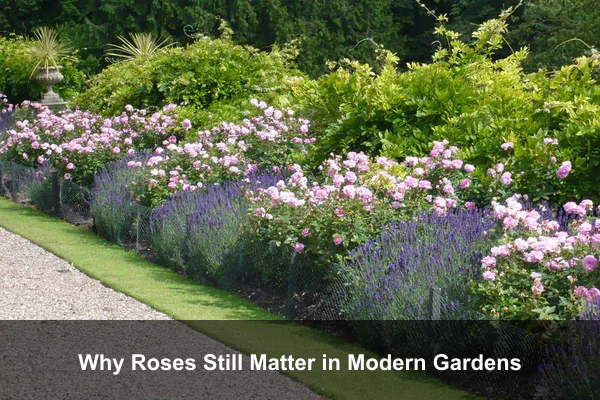
The rose plant belongs mainly to the genus Rosa, a large group that includes species roses, shrub roses, climbing roses, miniature roses, groundcover roses, and many cultivated hybrids. While some older rose varieties are famous for demanding care, many modern landscape roses are bred for stronger disease resistance, repeated blooming, compact growth, and easier maintenance.
This matters because gardens today are expected to do more. A good garden should be beautiful, but it should also be resource-wise, friendly to wildlife, comfortable to use, and manageable for busy people. Roses fit that role when they are not treated as isolated trophy plants. They perform best as part of a planting plan that includes soil improvement, companion plants, mulch, seasonal pruning, and observation.
Roses as Living Structure
Roses can define edges, soften fences, frame paths, fill sunny beds, and create gentle privacy without the heaviness of solid barriers. Shrub roses are especially useful for this purpose because they form rounded masses of foliage and flowers. Climbing roses can turn a plain wall, arbor, gate, or pergola into a vertical flowering feature. Groundcover roses spread lower and can cover open soil in sunny spaces.
Roses as Seasonal Anchors
Unlike annual flowers that must be replanted every season, roses are long-term garden residents. With healthy roots and steady care, a rose plant can return year after year, giving the garden rhythm. New shoots, buds, blooms, hips, and winter pruning all mark seasonal change. This makes roses useful for gardeners who want a landscape that feels alive across the year.
Key Benefits of Rose Plants Beyond Beauty
The most obvious benefit of roses is visual appeal, but their value goes deeper. A rose bed can support emotional wellness, outdoor habits, biodiversity, and practical landscape design. The following benefits explain why roses remain one of the most enduring flowering plants in home gardens.
1. Long-Lasting Ornamental Value
Roses offer color, texture, height, and repeated flowering. Depending on the variety, blooms may appear in flushes from spring through fall. This makes roses useful as focal plants, border plants, foundation plantings, or accent features near entrances. Their flower forms range from simple five-petaled blooms to full, layered blossoms, giving gardeners many design options.
2. Support for Pollinators
Not every rose is equally useful to pollinators. Very dense, heavily doubled flowers can make it difficult for bees to reach pollen. However, single and semi-double roses are often visited by bees, hoverflies, and other beneficial insects. Species roses and many shrub roses are especially valuable because their open flowers provide easier access.
For a biodiversity-friendly garden, choose at least some roses with visible centers. Place them near other pollinator plants that bloom at different times, such as salvia, catmint, lavender, yarrow, or native flowering perennials suited to your region. This creates a longer feeding season for insects and reduces the garden’s dependence on one plant type.
3. Natural Garden Boundaries
Many roses have prickly canes that can help guide movement through a garden. A row of shrub roses can discourage foot traffic across a bed, protect a vulnerable corner, or create a living boundary along a fence. This benefit is especially useful in front gardens where the goal is to keep the space attractive while gently directing people toward paths and entrances.
4. Soil Protection and Bed Coverage
Groundcover and spreading shrub roses can help reduce bare soil exposure when planted at suitable spacing. Their canopy shades the ground, while mulch beneath them helps reduce splashing soil during rain. Less soil splash can also reduce the spread of some disease spores onto lower leaves. In sloped or open sunny beds, roses can be part of a layered planting that protects soil from heat, erosion, and compaction.
5. Emotional and Sensory Wellness
Roses invite people to slow down and observe. Watching buds open, noticing new growth, deadheading spent blooms, and checking leaves for early stress signs can become a grounding routine. This is one reason roses are often used in therapeutic and sensory gardens. Even when fragrance is not the main focus, the color, form, and seasonal rhythm of roses can support a calmer outdoor environment.
Choosing the Right Rose for a Practical Garden
The best rose is not always the most dramatic one in a catalog. The best rose is the one that suits your climate, space, maintenance style, and garden purpose. Before buying, consider how the plant will behave after several years, not only how it looks in a nursery pot.
Common Rose Types and Their Uses
- Shrub roses: Good for borders, mixed beds, informal hedges, and low-maintenance landscapes.
- Climbing roses: Best for arbors, fences, pergolas, trellises, and vertical garden features.
- Miniature roses: Useful for containers, small patios, balcony gardens, and compact sunny spaces.
- Groundcover roses: Helpful for sunny slopes, bed edges, and wide low plantings.
- Species roses: Often valued for ecological usefulness, simple flowers, rose hips, and naturalistic garden design.
- Hybrid tea roses: Known for large individual blooms, but they often need more attentive care and disease management.
- Floribunda roses: Produce clusters of blooms and can bring strong color impact to beds and borders.
Disease Resistance Matters
For a resilient garden, disease resistance should be a top priority. Black spot, powdery mildew, and rust can weaken roses, especially in humid climates or crowded beds. Look for roses described as disease-resistant, landscape roses, Earth-Kind roses, or regionally proven varieties. Local garden centers, extension services, and experienced gardeners can often suggest varieties that perform well in your area.
Match Size to Space
A common mistake is planting a rose that becomes too large for its location. Crowded roses are harder to prune, receive less airflow, and are more likely to develop leaf disease. Read the mature height and spread before planting. If the tag says the rose can reach 5 feet wide, do not place it in a narrow 2-foot strip unless you are prepared for constant pruning.
Planting Roses for Strong Roots and Better Performance
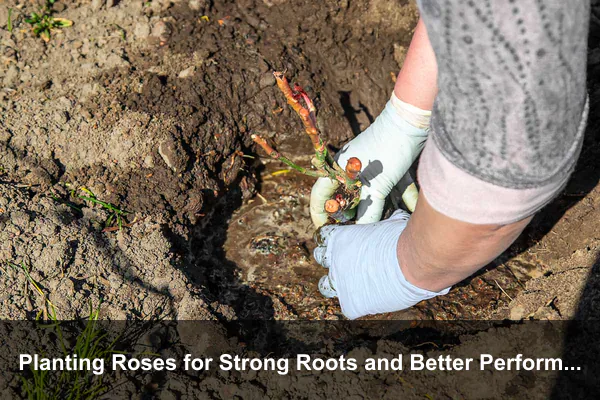
Good rose care begins below the soil surface. A rose with strong roots can handle heat, recover from pruning, produce better flowers, and resist stress more effectively. Planting well is more important than adding many products later.
Best Location for Rose Plants
Most roses need at least six hours of direct sun per day. Morning sun is especially helpful because it dries dew from leaves and may reduce disease pressure. Roses can tolerate some afternoon shade in very hot climates, but too much shade usually means fewer flowers, weaker stems, and increased disease risk.
Airflow is also important. Avoid squeezing roses tightly between walls, dense shrubs, or solid fences with no circulation. A breezy but not harsh location helps leaves dry after rain and keeps the plant healthier.
Soil Conditions Roses Prefer
Roses grow best in fertile, well-drained soil with organic matter. Heavy clay can be improved with compost and careful bed preparation, while sandy soil benefits from organic matter that helps hold moisture and nutrients. The soil should drain well enough that roots are not sitting in water for long periods.
Before planting, loosen the soil wider than the root ball rather than only digging a narrow hole. This encourages roots to move outward. Add compost if needed, but avoid overloading the planting hole with rich amendments that discourage roots from exploring surrounding soil.
Simple Planting Checklist
- Choose a sunny site with good airflow.
- Check the mature size of the rose before spacing.
- Prepare soil with compost if the bed is poor or compacted.
- Plant at the correct depth for your rose type and climate.
- Water deeply after planting to settle soil around the roots.
- Add mulch around the base, keeping it slightly away from the crown or main stems.
Rose Care Information for Healthier, Lower-Stress Growing
Rose care becomes easier when it is built around prevention. Instead of reacting to every yellow leaf or insect, focus on the conditions that keep roses strong: correct watering, steady feeding, mulch, pruning, sanitation, and observation.
Watering Roses the Smart Way
Roses prefer deep, consistent watering rather than frequent shallow sprinkling. Water at the base of the plant when possible, keeping leaves dry to reduce disease risk. Newly planted roses need more frequent attention until roots establish. Mature roses usually perform better with deep watering during dry periods instead of daily light watering.
Mulch helps conserve moisture and moderate soil temperature. Organic mulches such as shredded bark, composted leaves, or straw can also improve soil over time as they break down. Keep mulch a few inches away from the main stems to avoid trapping moisture against the plant base.
Feeding Without Overdoing It
Roses are productive flowering plants, so they benefit from nutrition. However, too much fertilizer can push soft growth that is more attractive to pests and more vulnerable to disease. Use a balanced rose fertilizer or compost-based feeding plan according to the needs of your soil. If your roses grow many leaves but few flowers, too much nitrogen may be part of the problem.
Pruning for Airflow and Shape
Pruning helps roses maintain structure, remove weak wood, improve airflow, and encourage new flowering growth. The exact timing depends on climate and rose type, but many roses are pruned in late winter or early spring before strong new growth begins. Dead, damaged, crossing, or inward-growing canes should be removed first.
For climbing roses, the goal is not to cut everything short. Instead, train main canes along a support and prune side shoots to encourage flowering. For shrub roses, light shaping and removal of unproductive wood may be enough. Always use clean, sharp pruners to make tidy cuts.
Using Roses in Biodiversity-Friendly Garden Design
Roses become more useful when they are integrated with other plants. A rose-only bed can be beautiful, but a mixed planting is often healthier and more ecologically valuable. Companion planting improves visual texture, supports insects, shades soil, and can make maintenance easier.
Good Companion Plant Roles
- Low edging plants: Help cover bare soil near the front of the bed without crowding rose canes.
- Aromatic herbs: Plants such as thyme, sage, or lavender can add scent and attract beneficial insects when suited to the same sunny, well-drained conditions.
- Flowering perennials: Catmint, salvia, yarrow, coneflower, and geranium can extend bloom time around roses.
- Ornamental grasses: Fine-textured grasses contrast with rose flowers and add movement.
- Spring bulbs: Bulbs can provide early color before roses reach their peak.
Designing with Layers
A strong rose planting often has three layers: taller structure at the back, roses in the middle or as the main flowering mass, and lower plants at the front. This creates depth and reduces empty soil. For narrow borders, use compact shrub roses or upright varieties. For a cottage-style bed, combine roses with perennials of different heights and bloom seasons.
Avoiding Crowding
Companion planting should not mean competition. Keep vigorous plants from climbing through rose canes or blocking airflow. Give each rose enough space for its mature size. If a companion plant spreads aggressively, divide it or relocate it before it weakens the rose.
Pest and Disease Awareness Without Panic
Roses can attract aphids, spider mites, Japanese beetles, thrips, and other pests depending on the region. They can also experience black spot, mildew, rust, and cane issues. The goal is not a perfect plant every day. The goal is a healthy rose that can keep growing and flowering despite normal garden pressure.
Start with Observation
Check roses regularly, especially new shoots, buds, and the undersides of leaves. Early aphid clusters can often be removed with a strong spray of water or by hand. Beneficial insects such as lady beetles, lacewings, hoverfly larvae, and parasitic wasps may arrive if the garden is not treated with broad-spectrum insecticides.
Use Sanitation as Prevention
Remove fallen diseased leaves from around roses, especially where black spot has been a problem. Prune out dead or infected canes. Clean tools when moving between diseased plants. Good sanitation is simple, but it can reduce recurring problems significantly.
Choose Gentle Interventions First
When intervention is needed, start with the least disruptive method. Improve spacing, adjust watering, remove affected leaves, or use targeted treatments suitable for the pest or disease. Avoid routine spraying without a clear problem, because unnecessary chemicals can harm beneficial insects and disrupt the garden ecosystem.
Rose Plants for Small Spaces and Urban Gardens
You do not need a large estate to enjoy rose plant benefits. Many roses can grow well in containers, narrow borders, balcony planters, and small courtyards if the site receives enough sun and the container is large enough.
Container Rose Basics
Choose compact roses for pots, and use a container with drainage holes. A deep container is better than a shallow decorative pot because rose roots need room. Use quality potting mix rather than dense garden soil. Container roses dry out faster than in-ground roses, so watering must be more consistent, especially in hot weather.
Balcony and Patio Placement
Place roses where they receive strong light and airflow. Avoid hot walls that reflect extreme heat unless the rose is known to tolerate those conditions. If growing on a balcony, consider wind exposure, weight limits, and easy access for watering. A compact shrub rose in a large pot can become a long-lasting feature for a small outdoor area.
Low-Maintenance Choices for Busy Gardeners
Busy gardeners should prioritize disease-resistant shrub roses, self-cleaning varieties that drop spent blooms naturally, and roses with a mature size that fits the space. This reduces pruning, spraying, and constant correction. A well-chosen rose saves more time than an impressive but unsuitable variety.
Sustainable Rose Growing Practices
Sustainable rose care focuses on building plant health rather than forcing constant performance. This approach reduces waste, protects soil life, and makes the garden more resilient.
Compost and Mulch
Compost supports soil structure and microbial activity. Mulch reduces evaporation, suppresses weeds, and protects soil from temperature extremes. Together, they create better root conditions. Apply fresh mulch as needed, but do not pile it against rose stems.
Water Efficiency
Drip irrigation or soaker hoses can water roses efficiently at soil level. Watering in the morning helps reduce evaporation and gives any splashed leaves time to dry. Group roses with plants that have similar water needs so one part of the garden is not overwatered for the sake of another.
Right Plant, Right Place
The most sustainable rose is one that naturally performs well where it is planted. A rose that constantly struggles in shade, wet soil, or poor airflow will require more intervention. Selecting a suitable variety from the start is an environmental decision as much as a design decision.
Common Mistakes to Avoid with Rose Plants
Even experienced gardeners sometimes make rose growing harder than it needs to be. Avoiding a few common mistakes can improve plant health and reduce frustration.
- Planting in too much shade: Roses need strong sunlight for flowering and vigor.
- Watering over the leaves at night: Wet foliage overnight can increase disease risk.
- Crowding plants: Poor airflow makes fungal problems more likely.
- Choosing looks over performance: A beautiful but disease-prone rose may become high maintenance.
- Ignoring mature size: Small nursery plants can become large shrubs or climbers.
- Overfertilizing: Excess nutrients can create weak, leafy growth with fewer blooms.
- Skipping cleanup: Diseased fallen leaves can contribute to recurring problems.
Frequently Asked Questions About Rose Plant Benefits and Information
Are roses good for beginner gardeners?
Yes, but beginners should choose disease-resistant shrub roses or compact landscape roses. These are usually easier than high-maintenance exhibition roses. Start with one or two plants, learn their seasonal habits, and expand after gaining confidence.
Do roses need full sun?
Most roses need at least six hours of direct sun daily. Some tolerate light afternoon shade in hot climates, but deep shade usually reduces flowering and weakens growth.
Are rose plants useful for pollinators?
Some roses are useful for pollinators, especially single and semi-double varieties with open centers. Highly doubled roses may offer less access to pollen. For pollinator value, combine roses with other flowering plants that bloom across different seasons.
Can roses grow in pots?
Yes. Many compact roses grow well in containers if they receive sun, drainage, regular watering, and enough root space. Choose a large pot and avoid letting the soil dry out completely for long periods.
How can I make roses easier to maintain?
Choose resistant varieties, plant in sun, allow good spacing, water at the base, mulch the soil, prune for airflow, and remove diseased leaves. These basic steps prevent many common problems.
Conclusion
Rose plants are much more than decorative flowers. When viewed through the lens of Rose plant benefits and information, they become valuable garden partners that can support biodiversity, structure outdoor spaces, protect soil, encourage mindful routines, and provide long-lasting seasonal beauty. Their benefits are strongest when the plant is matched carefully to the site and grown with healthy, practical habits.
For a unique and resilient rose garden, focus on disease-resistant varieties, open flowers for pollinators, strong soil preparation, thoughtful spacing, and sustainable care. Instead of treating roses as difficult plants that demand perfection, grow them as part of a living garden system. With the right approach, roses can be both beautiful and useful, offering lasting value for the home landscape and the people who care for it.
