
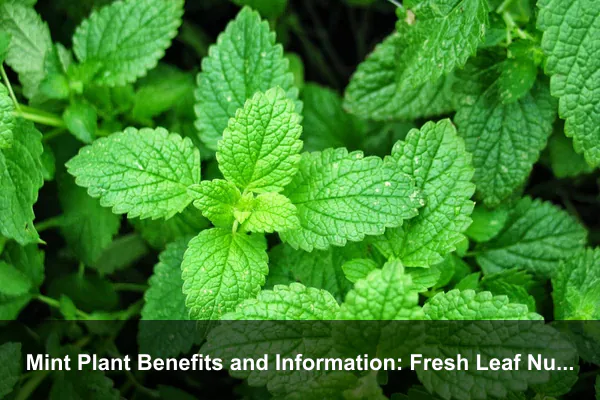
Mint is one of the most useful herbs for everyday homes because it connects flavor, freshness, simple plant care, and practical wellness habits in one small leafy plant. For readers searching for Mint plant benefits and information, the most valuable angle is not only how mint grows, but how the leaves can be used well after they are picked: in meals, drinks, storage routines, and safe household habits.
This guide focuses on mint as an edible, kitchen-ready herbal plant. In the spirit of Manfaat Tanaman, or plant benefits, mint is best understood as a practical plant that adds aroma, cooling flavor, and low-cost freshness to daily life without needing complicated care or expensive ingredients.
What Makes Mint Useful in the Kitchen?
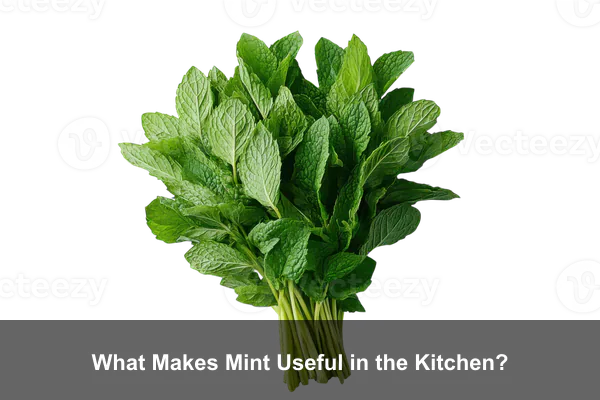
Mint belongs to the Mentha group of herbs, known for tender green leaves and a naturally bright scent. Its familiar cooling impression comes from aromatic compounds such as menthol, though fresh leaves are much gentler than concentrated peppermint oil. This matters because the safest and most common household use of mint is as a food herb, not as a strong medicinal extract.
Fresh mint leaves can be chopped, torn, steeped, muddled, or sprinkled over food. They work in hot dishes, cold drinks, fruit bowls, salads, sauces, and simple herbal infusions. Unlike many stronger herbs, mint can make food feel lighter without adding much fat, salt, or sugar.
A Flavor Booster for Healthier Choices
One of the most practical mint plant benefits is flavor support. A few leaves can make plain water, unsweetened tea, yogurt, cucumber salad, or fruit taste more appealing. This can help people enjoy fresher foods and drinks without relying on heavy sauces or sweeteners.
Small Nutrients, Big Practical Value
Mint is usually eaten in modest amounts, so it should not be treated as a major nutrition source. Still, the leaves contain plant compounds and small amounts of nutrients such as vitamin A, minerals, and antioxidants. Its bigger value is culinary: it helps make fresh ingredients easier to enjoy consistently.
Everyday Benefits of Fresh Mint Leaves
The best Mint plant benefits and information are realistic and easy to apply. Mint is not a cure-all, but it can improve everyday routines in several grounded ways.
- Freshens meals: Mint brightens rich, spicy, sweet, or acidic foods.
- Supports refreshing drinks: It adds flavor to water, tea, lemonade, and fruit infusions.
- Encourages home cooking: A living mint plant makes fresh herbs available at the moment of cooking.
- Adds sensory comfort: The scent and cooling taste can make simple foods feel cleaner and more satisfying.
- Reduces kitchen waste: Growing or storing small amounts helps avoid buying large herb bundles that spoil quickly.
After-Meal Comfort
Mint tea and mint-flavored foods are traditionally enjoyed after meals because they feel light and refreshing. Some people find peppermint soothing, while others with reflux may feel discomfort from strong peppermint products. Fresh culinary mint is generally milder, but individual tolerance matters.
Temporary Fresh Mouthfeel
Mint can leave the mouth feeling fresher after meals, which is why it is widely used in oral care products. However, chewing mint leaves or drinking mint tea is not a replacement for brushing, flossing, or professional dental care.
How to Use Mint in Food and Drinks
Mint is most effective when it is added with intention. Too much can overpower a dish, while a small amount can make the whole plate feel balanced. Add tender leaves near the end of cooking to protect their aroma.
Best Food Pairings
- Fruit: Watermelon, mango, pineapple, berries, orange, and melon.
- Vegetables: Cucumber, tomato, carrot, peas, roasted eggplant, and potatoes.
- Proteins: Grilled chicken, fish, lamb, tofu, tempeh, and chickpeas.
- Dairy and creamy foods: Yogurt, feta, soft cheese, and yogurt-based sauces.
- Drinks: Iced tea, warm herbal tea, infused water, lime drinks, and smoothies.
Simple Daily Ideas
- Add torn mint leaves to a cucumber and tomato salad.
- Steep fresh mint in hot water for a simple herbal drink.
- Blend mint with yogurt, lime, and a pinch of salt for a quick sauce.
- Mix chopped mint into fruit salad just before serving.
- Add mint to rice, couscous, or grain bowls for a cleaner finish.
Storage and Preservation for Better Freshness
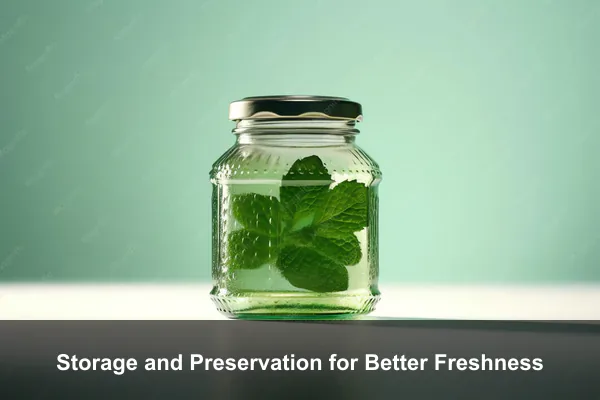
Good storage is a major part of useful mint plant information because mint leaves wilt quickly after harvest. If the stems are still attached, place them in a small glass with a little water, cover loosely, and refrigerate. Change the water every day or two.
For loose leaves, wrap them in a slightly damp paper towel and keep them in a breathable container in the refrigerator. Avoid sealing wet leaves in an airtight bag, because trapped moisture can speed up spoilage.
Freezing Mint
Mint can be frozen for drinks and cooked dishes. Chop the leaves, place them in an ice cube tray, cover with water, and freeze. These cubes are useful for iced tea, infused water, soups, or sauces, though the texture will not be the same as fresh leaves.
Drying Mint
Dried mint is stronger and less green-tasting than fresh mint. Use it for teas, spice blends, or slow-cooked dishes. Dry clean leaves in a warm, airy place away from direct harsh sunlight, then store them in a sealed jar once fully crisp.
Growing Mint for Clean Edible Leaves
Growing mint at home gives you better control over freshness and cleanliness. Choose a spot with bright light, regular moisture, and good air movement. Mint likes soil that stays lightly moist but not waterlogged. A pot with drainage is helpful because it keeps the root zone healthier and makes harvesting easier.
Light, Water, and Soil Basics
Mint grows best in bright indirect light or gentle morning sun. In very hot climates, afternoon shade helps prevent limp leaves. Water when the top layer of soil begins to feel dry, and use loose, fertile potting mix so roots can breathe.
Harvesting for Better Leaf Growth
Harvest by cutting stems above a pair of leaves rather than pulling single leaves randomly. This encourages branching and keeps the plant fuller. Wash harvested leaves under clean running water and dry them gently before using them in food.
Safety and Responsible Use
Mint is widely used as a culinary herb, but responsible use still matters. People with allergies to mint-family plants should avoid it. Those with frequent acid reflux may want to test small amounts first, especially with strong peppermint products. Pregnant people, people taking medication, and anyone using concentrated mint oils should ask a qualified health professional before using mint therapeutically.
Fresh mint leaves and essential oils are not the same. Essential oils are highly concentrated and should not be swallowed or applied to skin casually. This article focuses on ordinary edible leaves used in food and drinks.
Pet and Child Awareness
Keep large amounts of herbs, essential oils, and strong extracts away from children and pets. A few culinary leaves in household food are different from concentrated products, but it is still wise to prevent unsupervised access.
Choosing Quality Mint
When buying mint, look for lively green leaves, flexible stems, and a clean fresh scent. Avoid bunches with black spots, slimy stems, yellowing leaves, or a sour smell. If you are choosing a live plant, select one with many side shoots, no sticky residue, and no visible pests under the leaves.
For the best flavor, use mint soon after harvesting or buying. The youngest leaves are usually tender and bright, while older stems may taste stronger or slightly bitter. This simple selection habit makes everyday mint use more enjoyable.
Conclusion
Mint plant benefits and information are most useful when they are connected to real household routines. Mint can freshen meals, improve simple drinks, support low-waste cooking, and offer a satisfying way to grow edible greenery at home. Its value is not in exaggerated health claims, but in how reliably it adds freshness, aroma, and practical comfort to daily food.
With clean harvesting, smart storage, moderate use, and basic plant care, mint becomes more than a garnish. It becomes a small, productive herbal plant that helps make everyday meals feel fresher, lighter, and more enjoyable.
