
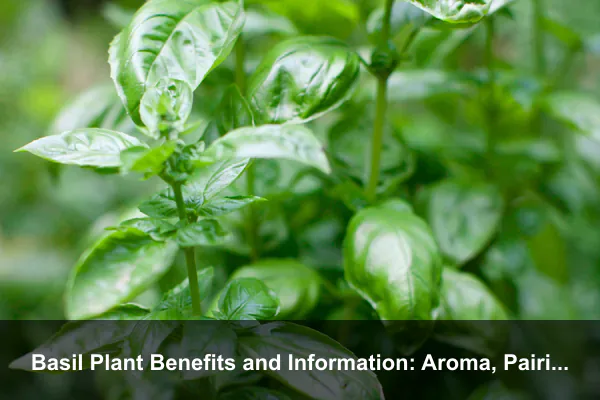
Basil is one of the most familiar herbs in home kitchens, yet its value goes far beyond a few leaves scattered over pasta. The basil plant offers practical benefits through fragrance, fresh flavor, visual beauty, and easy everyday use. For readers searching for Basil plant benefits and information, the most useful angle is not only what basil is, but how to use it wisely, keep it fresh, and enjoy its benefits without exaggerating its role as a health plant.
In the context of useful herbal plants, basil fits naturally into the idea of Manfaat Tanaman: a plant that supports daily life through food, aroma, routine, and simple care. This guide focuses on fresh herb quality, kitchen pairing, storage, safety, and basic plant information so basil becomes a reliable part of cooking rather than a decorative afterthought.
What Makes Basil Valuable in the Kitchen?
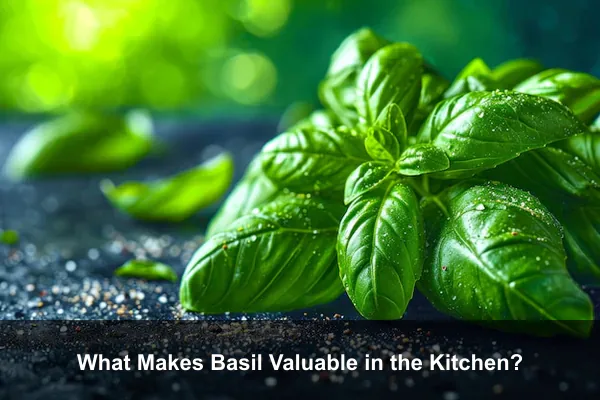
Basil, commonly known by the botanical name Ocimum basilicum, is an aromatic annual herb in the mint family. Sweet basil is the type most people recognize in Italian-style cooking, while other basils may carry lemony, spicy, cinnamon-like, or clove-like notes. The leaves are tender, highly fragrant, and best known for their ability to make simple foods taste fresher.
Aroma Is One of Basil’s Main Benefits
The most immediate basil plant benefit is sensory. A healthy leaf releases a clean, sweet, peppery aroma when touched or torn. That aroma can make vegetables, soups, grains, eggs, and sauces feel more complete without relying heavily on salt, sugar, or rich sauces. Basil does not need to dominate a dish. Often, a small handful added at the right moment is enough.
A Useful Plant, Not a Miracle Cure
Fresh basil contains small amounts of plant compounds and micronutrients, but it is best understood as a culinary herb, not a medical treatment. Its real everyday value comes from encouraging fresh cooking, improving flavor, and helping people enjoy plant-based ingredients more often.
Key Basil Plant Benefits and Information for Everyday Use
Basil is popular because it is practical. It can grow in a pot, brighten a kitchen counter, improve meals quickly, and make beginner gardening feel rewarding. These benefits are simple, but they matter because they fit real routines.
Fresh Flavor With Very Few Calories
Basil adds strong flavor while contributing minimal calories. This makes it useful for people who want meals to taste vibrant without adding much fat, salt, or sweetness. Fresh basil works especially well in dishes that already have moisture or acidity, such as tomatoes, citrus dressings, soups, and soft cheeses.
Gentle Nutritional Support
Like many leafy herbs, basil can provide small amounts of vitamins and minerals when used regularly. However, typical serving sizes are small, so basil should support a varied diet rather than replace vegetables, fruits, legumes, or whole grains. Think of it as a nutrient-rich accent, not the foundation of nutrition.
A Plant That Encourages Better Cooking Habits
Keeping basil nearby can change how people cook. A pot of basil on a bright windowsill invites quick meals: sliced tomatoes with herbs, rice bowls with fresh leaves, omelets with chopped basil, or warm soup finished with a fragrant garnish. That small convenience is one of the most overlooked basil plant benefits.
Smart Basil Pairings for Better Flavor
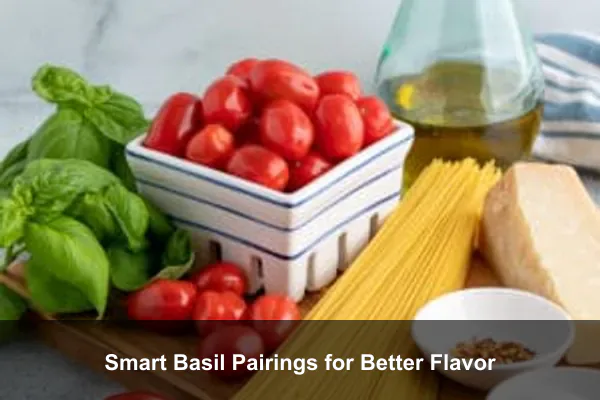
Basil pairs best with foods that let its aroma stay clear. It loves acidity, mild sweetness, creaminess, and warm savory notes. Instead of using basil randomly, match it with ingredients that support its fragrance.
- Tomatoes: fresh tomato salad, tomato soup, marinara, bruschetta, and roasted cherry tomatoes.
- Cheese: mozzarella, ricotta, feta, goat cheese, and light cream-based sauces.
- Fruits: strawberries, peaches, watermelon, and citrus in salads or drinks.
- Vegetables: zucchini, eggplant, corn, potatoes, green beans, and mushrooms.
- Proteins: eggs, chicken, white fish, tofu, beans, and lentils.
- Grains: pasta, rice, couscous, flatbread, and grain bowls.
Add Fresh Basil at the Right Time
Fresh basil is delicate. Long cooking can dull its fragrance and darken its leaves, so add it near the end of cooking or use it raw. For hot dishes, stir basil in after turning off the heat. For salads, tear leaves gently instead of chopping them far in advance.
Quick Everyday Uses
Use basil in small, repeatable ways: blend it into a simple herb sauce, fold it into scrambled eggs, layer it into sandwiches, add it to lemonade, mix it with olive oil for roasted vegetables, or scatter it over pizza after baking. These uses are easy and help prevent wasted leaves.
How to Choose and Store Fresh Basil
Freshness determines whether basil tastes bright or flat. When buying basil, look for smooth, whole leaves with strong aroma and bright color. Avoid bunches that smell sour, feel slimy, or show large blackened areas. Slight wilting can sometimes be revived, but mushy stems usually mean the herb is past its best.
Short-Term Storage
Basil dislikes very cold storage. For stems, trim the ends and place them upright in a glass with a little water, then keep them in a cool spot away from harsh sun. Change the water daily. Loose leaves can be wrapped lightly in a damp paper towel and placed in a loose bag for a short time.
Long-Term Storage
If you have more basil than you can use, freezing is often better than letting it blacken. Wash the leaves, dry them carefully, and freeze them in a bag or blend them with a little oil before freezing in small portions. Dried basil is useful too, but its flavor is softer and less bright than fresh basil.
Simple Care Notes for Better Leaves
You do not need a large garden to enjoy basil. A sunny pot, a container on a balcony, or a small herb bed can work well if the plant receives enough light and does not sit in soggy soil. Basil generally prefers warm weather, moist but well-drained soil, and regular pinching to stay bushy.
Light and Water Basics
Basil grows best with strong light, commonly six or more hours of direct sun outdoors. Indoors, place it near the brightest window available or use a grow light if natural light is weak. Water when the top layer of soil begins to dry, and aim water at the soil rather than soaking the leaves.
Pinching Keeps Basil Productive
Pinching the top growth encourages branching, which gives you a fuller plant and more usable leaves. Remove flower buds when the goal is leaf production, because flowering can make the plant woodier and less tender. Avoid overfeeding; too much lush growth may reduce the intensity of basil’s aroma.
Safety, Food Hygiene, and Sensible Limits
Basil is widely used as a food herb and is generally suitable in normal culinary amounts for most people. The important caution is dosage and form. Fresh leaves in meals are very different from concentrated essential oils, extracts, or medicinal doses. People who are pregnant, breastfeeding, taking medication, or managing a health condition should ask a qualified professional before using basil supplements or concentrated products.
Handle Basil Like Fresh Produce
Wash basil gently under cool running water and pat it dry. Keep fresh herbs away from raw meat, poultry, seafood, and their juices to reduce cross-contamination. If basil becomes slimy, smells unpleasant, or has mold, discard it.
Evidence Note
Reference note: General nutrition, growing, storage, and safety details were checked against USDA FoodData Central (https://fdc.nal.usda.gov/), University of Maryland Extension (https://extension.umd.edu/resource/growing-basil-home-garden), Purdue Extension FoodLink (https://extension.purdue.edu/foodlink/food.php?food=basil), and NCBI LactMed (https://www.ncbi.nlm.nih.gov/sites/books/NBK501826/).
Conclusion
Basil plant benefits and information are most useful when grounded in everyday life. Basil brings fragrance, fresh flavor, light nutritional value, and simple gardening satisfaction, but it should not be treated as a cure-all. Its strongest benefit is how easily it improves ordinary meals and encourages fresher cooking.
Choose bright aromatic leaves, store them carefully, add basil late in cooking, and grow the plant with enough light, warmth, and gentle pinching. With those habits, basil becomes more than a garnish. It becomes a practical herbal plant that earns its place in the kitchen, the garden, and daily food routines.
