
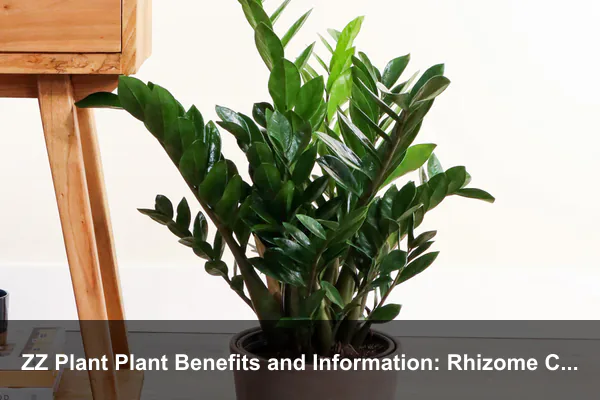
The ZZ Plant, known botanically as Zamioculcas zamiifolia, is one of the most dependable houseplants for people who want greenery without a demanding routine. Its glossy leaflets, upright stems, and sculptural shape make it look polished in homes, apartments, offices, and small corners where many plants struggle to stay attractive.
This guide takes a unique look at ZZ Plant plant benefits and information by focusing on what makes the plant so durable: its underground rhizomes, slow growth rhythm, low-waste ownership value, and practical long-term care. Instead of treating the ZZ Plant only as a low-light decorative plant, we will explore how its biology shapes its benefits, how to keep it healthy for years, and how to use it safely and responsibly indoors.
What Makes the ZZ Plant Different?
The ZZ Plant is native to parts of eastern Africa, where it adapted to alternating periods of moisture and dryness. Its thick stems and underground rhizomes store water and energy, allowing the plant to survive missed watering, dry indoor air, and irregular attention better than many tropical-looking houseplants.
This storage system is the main reason the ZZ Plant feels so forgiving. It does not need constant pruning, frequent repotting, or daily checking. For busy plant owners, renters, students, office workers, and beginners, that resilience is one of its most valuable benefits.
Botanical Profile
- Scientific name: Zamioculcas zamiifolia
- Common names: ZZ Plant, Zanzibar Gem, Eternity Plant
- Plant type: Tropical perennial houseplant
- Main feature: Shiny, waxy leaflets on upright arching stems
- Growth speed: Slow to moderate indoors
- Best use: Long-lasting indoor foliage for low-maintenance spaces
Rhizome Benefits: The Hidden Strength of the ZZ Plant
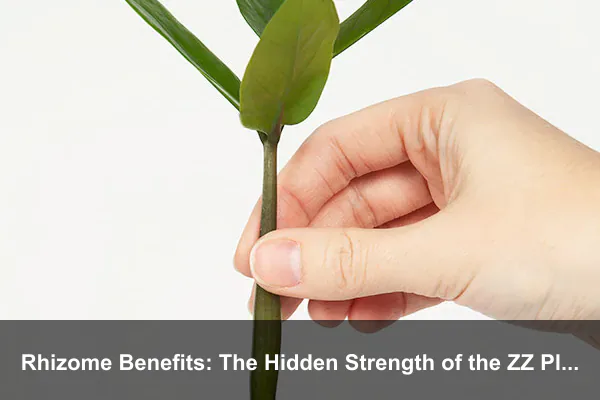
The most important part of ZZ Plant care is not always visible. Beneath the soil, the plant grows thick, potato-like rhizomes. These structures act like storage tanks, holding moisture and nutrients that help the plant recover from short-term stress.
Why Rhizomes Matter
Rhizomes make the ZZ Plant excellent for people who travel, forget watering schedules, or prefer simple plant care. When the top growth slows, the plant may still be healthy below the surface. This is different from many delicate houseplants that wilt quickly when conditions change.
Because the ZZ Plant stores resources so efficiently, it is better to care for it with patience than intensity. Extra water, oversized pots, and heavy fertilizing often create more problems than they solve. The plant performs best when its natural slow-growth strategy is respected.
Signs of Healthy Rhizomes
- Firm stems that stand upright without collapsing
- New shoots emerging slowly from the soil
- Leaflets that remain glossy and deep green
- Soil that dries between watering sessions
- No sour smell or mushy tissue near the base
Practical Benefits for Modern Indoor Living
The ZZ Plant offers several benefits that fit modern lifestyles. Its value is not only decorative; it also supports calmer, lower-effort plant ownership. In the context of manfaat tanaman, or plant benefits, the ZZ Plant is useful because it brings natural texture indoors while requiring fewer resources than many high-maintenance ornamentals.
Low-Waste Plant Ownership
A healthy ZZ Plant can live for many years in the same home. It does not drop leaves constantly, demand frequent replacement, or require complicated supplies. This makes it a good choice for people who want a more sustainable houseplant collection.
Visual Order and Clean Design
The upright stems create a tidy silhouette that works well in minimalist, modern, tropical, and professional interiors. Unlike trailing plants that need regular shaping, the ZZ Plant keeps a naturally organized form. This makes it useful on shelves, beside desks, near entryways, and in simple ceramic pots.
Beginner Confidence
New plant owners often lose confidence when they start with fussy plants. ZZ Plant care is more forgiving. It teaches useful basics: checking soil moisture, understanding slow growth, avoiding overwatering, and observing leaf signals without panic.
Care Principles That Match the Plant’s Biology
The best ZZ Plant care is simple, but it should still be intentional. Since the plant stores water, the biggest mistake is watering too often. Since it grows slowly, the second biggest mistake is expecting constant new leaves.
Watering
Water only when the potting mix has dried well. In many indoor spaces, this may mean every two to four weeks, depending on pot size, temperature, light, and airflow. Always check the soil before watering rather than following a fixed calendar.
Light
ZZ Plants tolerate low light, but they usually grow stronger in bright, indirect light. Avoid harsh direct afternoon sun, which can scorch leaflets. If growth becomes extremely slow and stems stretch toward a window, move the plant to a brighter position.
Soil and Pot
Use a loose, well-draining potting mix. A houseplant mix amended with perlite, pumice, or coarse bark is helpful. The pot must have drainage holes, because trapped water around the rhizomes can lead to rot.
Feeding
Fertilizer is optional and should be light. Feed during active growth with a diluted balanced fertilizer. Avoid feeding a stressed, newly repotted, or dormant plant.
Choosing the Right ZZ Plant Variety
Not all ZZ Plants look exactly the same. Choosing the right type helps you match the plant to your room, style, and care expectations.
Classic Green ZZ Plant
The classic green ZZ Plant is the most common and reliable option. It has glossy green leaves and adapts well to many indoor conditions. It is usually the best choice for beginners.
Raven ZZ Plant
Raven ZZ is known for dramatic dark foliage. New growth often appears lighter before maturing into deep purple-black tones. It needs enough indirect light to maintain strong color and should not be overwatered.
Zenzi ZZ Plant
Zenzi is a compact form with tighter, slightly curled growth. It works well for desks, small shelves, and apartments. Because it is dense, airflow and careful watering are especially important.
Propagation and Long-Term Value
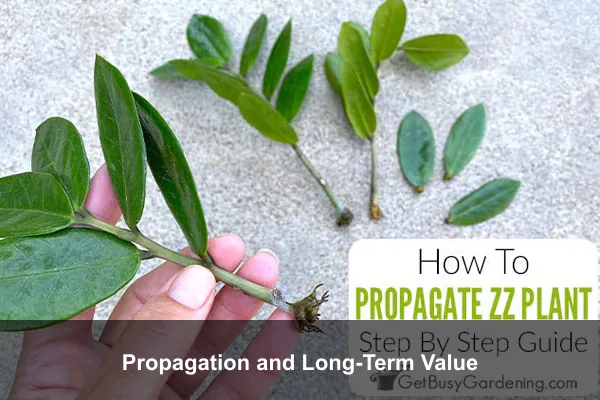
One reason the ZZ Plant has strong long-term value is that it can be propagated. While it is not the fastest plant to multiply, propagation is rewarding for patient growers and supports a low-waste approach to indoor gardening.
Division
Division is the fastest method. When a mature plant has several healthy clusters, remove it from the pot and gently separate sections with rhizomes and stems attached. Repot each section into a well-draining mix and water lightly.
Leaf Cuttings
Leaf cuttings are slower but interesting. A single leaflet can eventually form roots and a small rhizome. This process may take months, so it is best for patient plant owners who enjoy observing gradual growth.
- Choose a healthy leaflet or stem cutting.
- Let the cut end dry briefly before planting.
- Place it in a light, draining medium.
- Keep it lightly moist, not wet.
- Wait patiently for roots and rhizome development.
Common Problems and What They Mean
ZZ Plants are tough, but they still communicate through their leaves and stems. Reading these signals helps you solve problems before they become serious.
Yellow Leaves
Yellowing is often linked to overwatering, especially if the soil is wet and stems feel soft. Let the mix dry, check drainage, and remove any mushy parts if needed.
Wrinkled Stems
Wrinkled stems may suggest the plant has used stored moisture. If the soil is completely dry, water thoroughly and allow excess water to drain.
Leaning Growth
Leaning can come from weak light, uneven growth, or a loose root system. Rotate the pot occasionally and place the plant where it receives steady indirect light.
Safety, Placement, and Responsible Use
The ZZ Plant contains calcium oxalate crystals, so it should not be eaten by people or pets. This does not mean the plant is unsafe to own, but it should be placed responsibly in homes with curious children, cats, or dogs.
Wear gloves if you have sensitive skin and wash your hands after pruning or dividing the plant. Keep fallen leaves out of reach, and use stable pots that cannot be easily tipped over.
Conclusion
ZZ Plant plant benefits and information become more useful when you understand the plant from the inside out. Its beauty comes from glossy, architectural foliage, but its real strength comes from rhizomes, slow growth, and efficient resource storage.
For anyone who wants a resilient, attractive, low-maintenance houseplant, the ZZ Plant is a practical long-term choice. With well-draining soil, restrained watering, suitable indirect light, and safe placement, it can bring lasting greenery and simple plant benefits into everyday indoor life.
