
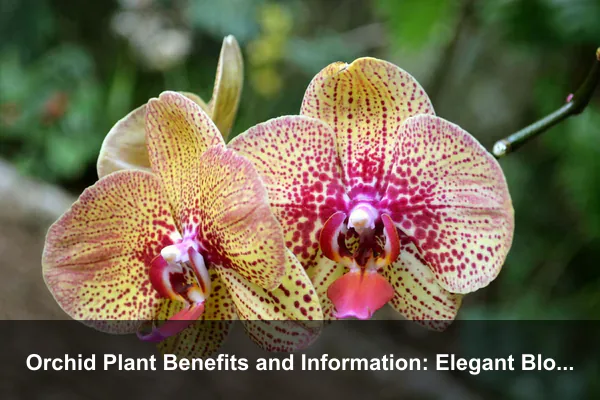
Orchids have a reputation for being delicate, expensive, and difficult, but that reputation is only partly deserved. Many popular orchids, especially Phalaenopsis or moth orchids, are practical flowering houseplants that can live for years with the right balance of light, water, air, and patience. They offer long-lasting flowers, sculptural leaves, and a refined display that fits small apartments, work desks, bright kitchens, and calm bedroom corners.
This guide to Orchid plant benefits and information focuses on the unique value of orchids as living bloom plants, not just decorative accessories. In the spirit of manfaat tanaman, or plant benefits, orchids are useful because they bring beauty, learning, symbolism, and a seasonal rhythm into the home. They are not miracle air purifiers or herbal remedies, but they are rewarding plants when you understand how their roots, flowers, and growth cycle work.
What Makes Orchids Different from Ordinary Potted Plants
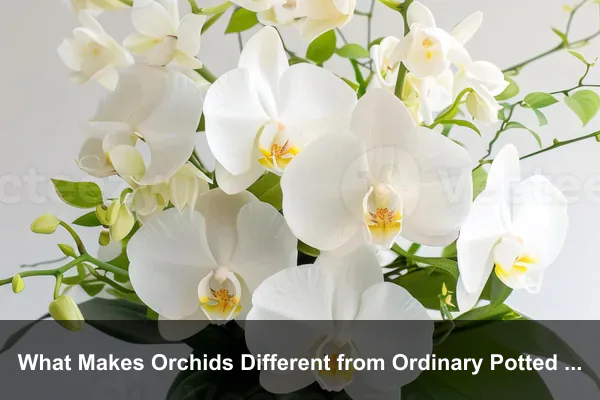
Orchids are among the largest and most diverse flowering plant families in the world. They grow in many habitats, from tropical forests to cooler mountain regions, and this diversity is the reason orchid care advice can sometimes feel confusing. A care routine that works for a Phalaenopsis may not be ideal for a Cattleya, Dendrobium, Cymbidium, or Oncidium.
The most common indoor orchids are not grown like typical soil-loving plants. Many are epiphytes, meaning they naturally cling to trees or bark instead of growing in dense garden soil. They use their thick roots to anchor themselves, absorb moisture from rain and air, and breathe. This is why orchids are usually planted in bark chips, sphagnum moss, charcoal, perlite, or specialty orchid mix rather than ordinary potting soil.
Orchid Roots Need Air as Much as Water
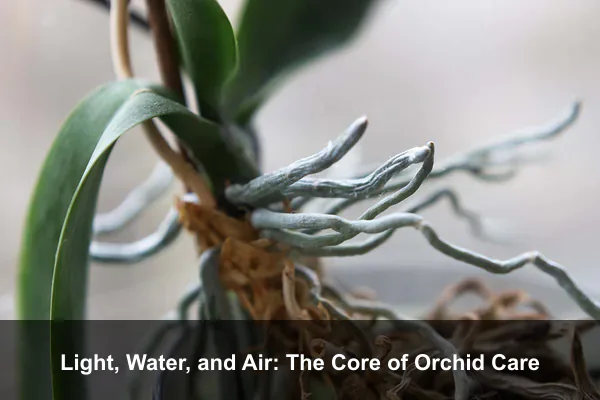
One of the most important pieces of orchid plant information is that healthy roots should not stay wet and buried in compact soil. Orchid roots are often thick, pale green, silvery, or white, with a spongy outer layer called velamen. This layer helps absorb water quickly and then dry again. When roots remain constantly soaked, they can rot, even if the leaves still look green for a while.
Orchid Flowers Are Built to Last
Many houseplants flower briefly, but orchids are valued because their blooms can last for weeks or even months. A healthy Phalaenopsis can keep flowers open for two to three months in the right conditions. This long bloom period makes orchids excellent plants for people who want the visual impact of fresh flowers without replacing cut arrangements every few days.
Orchids Reward Observation
Orchids teach slow, practical plant care. Instead of watering by habit every morning, you learn to check root color, pot weight, leaf firmness, and the dryness of the growing medium. This observation-based routine is one of the quiet benefits of growing orchids: it encourages attention, consistency, and a more thoughtful relationship with indoor plants.
Orchid Plant Benefits for the Home
The best orchid plant benefits are realistic and easy to appreciate. Orchids improve the atmosphere of a room through color, shape, and living texture. They help create a sense of care and order without needing a large indoor garden. For many people, the benefit is emotional and visual: a blooming orchid makes an ordinary shelf, table, or windowsill feel more intentional.
Elegant Flowers Without Constant Replacement
Cut flowers are beautiful, but they fade quickly. A potted orchid gives a similar floral effect while remaining alive after the blooms drop. With correct care, the plant can rebloom, grow new leaves, and become part of the household routine. This makes orchids a more sustainable choice for people who enjoy flowers but dislike throwing away wilted bouquets every week.
Compact Beauty for Small Spaces
Orchids are excellent for small homes because they grow vertically and do not usually spread aggressively. A single orchid can add height and elegance to a narrow console table, bathroom shelf with bright filtered light, apartment windowsill, or work desk. Their neat root zone and upright flower spikes make them easier to style than many bushy plants.
A Calming Visual Focus
Orchid flowers have a structured, balanced look that many people find calming. Soft white, pale pink, yellow, lavender, and patterned orchid blooms can reduce visual clutter compared with busy decor. While an orchid is not a medical treatment for stress, caring for a plant and seeing it bloom can support a more peaceful home routine.
Meaningful Gifts and Symbolism
Orchids often symbolize refinement, beauty, admiration, strength, and rare elegance. In many modern homes, they are popular gifts for housewarmings, birthdays, office openings, and celebrations because they feel special without requiring a garden. Their symbolism also makes them suitable for minimalist interiors, prayer corners, reception spaces, and quiet reading areas.
Essential Orchid Information: Types, Parts, and Growth Habits
Before buying an orchid, it helps to know what kind you are bringing home. The label may mention the genus, flower color, or hybrid name. If the label is missing, the plant is often a Phalaenopsis because it is the most widely sold indoor orchid. Understanding the type helps you avoid generic advice that may not fit your plant.
Phalaenopsis Orchids
Phalaenopsis, commonly called moth orchid, is the best beginner orchid for most homes. It likes bright indirect light, comfortable indoor temperatures, and a medium that dries partly between waterings. Its leaves are broad and thick, and its flowers appear on arching spikes. This orchid is widely available and can rebloom indoors with patient care.
Cattleya Orchids
Cattleya orchids are famous for large, fragrant, showy flowers. They usually need brighter light than Phalaenopsis and a clear drying period between waterings. They are rewarding for growers who can provide a sunny filtered window, good air movement, and a more attentive seasonal care routine.
Dendrobium Orchids
Dendrobium orchids vary widely, so reading the plant tag matters. Some prefer warm conditions and steady moisture, while others need a cooler or drier rest period to bloom well. Their cane-like stems store energy, and removing old canes too early can reduce the plant’s strength.
Oncidium and Cymbidium Orchids
Oncidium orchids often produce sprays of smaller flowers and appreciate bright indirect light with regular moisture. Cymbidium orchids can be more suitable for cooler bright spaces and may be grown outdoors seasonally in mild climates. They are less typical as small desk plants but can make dramatic flowering displays.
Light, Water, and Air: The Core of Orchid Care
Most orchid problems begin with the wrong balance of light, water, and air. Orchids need enough light to produce energy, enough water to stay firm, and enough airflow around the roots to prevent rot. The goal is not to copy a rainforest exactly, but to create a stable indoor environment that respects how the plant naturally grows.
Best Light for Indoor Orchids
Phalaenopsis orchids prefer bright indirect light. An east-facing window is often ideal because it provides gentle morning sun. A south or west window can also work if the light is filtered through a sheer curtain or if the plant sits back from harsh direct rays. Leaves should look medium green. Very dark green leaves may suggest too little light, while yellow patches or scorched areas can mean too much direct sun.
If your orchid grows leaves but never blooms again, insufficient light is one of the most common causes. Orchids need energy to flower. Moving the plant to a brighter indirect location can make a major difference, but changes should be gradual to avoid sunburn.
How to Water Orchids Correctly
Watering should depend on the potting medium, pot size, root condition, season, and room temperature. In bark mix, many indoor orchids need water about once every 5 to 10 days. In sphagnum moss, watering may be less frequent because moss holds moisture longer. Always check before watering instead of following a fixed calendar.
A practical method is to water thoroughly until excess water drains from the pot, then let the medium dry partly before watering again. Never allow the pot to sit in a saucer of standing water. If the orchid is in a decorative cachepot, remove the inner pot after watering, let it drain well, and then return it to the display container.
Humidity and Air Movement
Many orchids appreciate moderate humidity, but they still need air movement. A humid room with stagnant air can invite fungal spots or root problems. If your home is dry, group plants together, use a humidity tray that keeps the pot above the water, or run a small humidifier nearby. Avoid misting flowers heavily because trapped moisture can mark petals or encourage disease.
Potting Mix, Containers, and Repotting
Orchids usually decline when their potting medium breaks down. Fresh bark is chunky and airy, but over time it decomposes into smaller pieces that hold too much water and reduce oxygen around the roots. Repotting is not only about giving the plant a larger container; it is about refreshing the root environment.
Best Potting Medium
A good orchid mix depends on the orchid type and your watering habits. Bark mix is excellent for growers who tend to water regularly because it drains quickly. Sphagnum moss can work well in dry homes but is risky for people who overwater. Many growers use a blend of bark, perlite, charcoal, and a small amount of moss for a balance of moisture and airflow.
- Bark chips: Provide air pockets and quick drainage.
- Sphagnum moss: Holds moisture, useful in dry rooms but easy to overwater.
- Perlite: Improves drainage and keeps the mix lighter.
- Charcoal: Helps keep the mix open and fresh for longer.
- Clear plastic pots: Let you monitor root color and moisture more easily.
When to Repot an Orchid
Repot an orchid when the medium is decomposed, the roots are crowded and circling tightly, the plant is unstable, or roots are rotting. For many Phalaenopsis orchids, repotting every one to two years is reasonable. The best time is usually after flowering, when the plant is beginning active root or leaf growth.
How to Repot Without Stress
Remove the orchid gently from its pot, loosen old medium, and trim only dead, mushy, or hollow roots with clean scissors. Healthy roots should be firm. Place the plant in a pot that is just large enough for the root system, then fill around the roots with fresh orchid mix. Keep the crown of the plant above the medium so water does not collect and cause rot.
How to Encourage Orchids to Rebloom
One of the most common orchid questions is what to do after the flowers fall. A finished bloom spike does not mean the plant is dying. It simply means the orchid is moving into a growth and recovery phase. During this time, the plant uses its leaves and roots to rebuild energy for future flowers.
Respect the Growth Cycle
After blooming, keep the orchid in bright indirect light, water correctly, and feed lightly during active growth. New leaves and roots are signs that the plant is storing energy. If you focus only on flowers, you may miss the importance of healthy foliage. Strong leaves are the foundation of future bloom spikes.
Use a Gentle Temperature Shift
Phalaenopsis orchids often respond to slightly cooler night temperatures for a few weeks. A difference between day and night temperature can help signal the plant to produce a new flower spike. This does not mean chilling the orchid harshly. A comfortable indoor range, with nights around 60 to 65 F and warmer days, is usually enough for many homes.
Feed Lightly, Not Aggressively
Orchids benefit from diluted fertilizer during active growth, but more fertilizer does not mean more flowers. Use a balanced orchid fertilizer at a weak strength, following the product label. Flush the pot occasionally with plain water to reduce mineral buildup. Avoid fertilizing a dry root system; water first or apply fertilizer when the medium is already slightly moist.
Prune Flower Spikes Wisely
If a Phalaenopsis spike remains green after flowering, it may produce a side branch or secondary blooms. You can cut above a healthy node if the plant is strong. If the spike turns brown and dry, trim it near the base. For orchids other than Phalaenopsis, pruning rules vary, so check the type before cutting canes or stems.
Common Orchid Problems and Quick Fixes
Orchid problems are easier to solve when you read the plant carefully. Leaves, roots, flowers, and the potting medium all provide clues. The key is to respond to the cause, not just the symptom.
- Yellow leaves: One older yellowing leaf can be normal. Many yellow leaves may suggest overwatering, poor roots, too much light, or nutrient imbalance.
- Wrinkled leaves: Often caused by dehydration, but dehydration may happen because roots are rotten and cannot absorb water.
- Mushy roots: Usually linked to overwatering, compact medium, or poor drainage. Repot into fresh airy mix.
- No reblooming: Common causes include insufficient light, no temperature shift, weak roots, or lack of patience after flowering.
- Bud blast: Buds dry and fall before opening because of sudden temperature changes, drafts, low humidity, gas from ripening fruit, or inconsistent watering.
- Spots on flowers: May come from water sitting on petals, poor airflow, or fungal issues. Keep flowers dry and improve circulation.
- Mealybugs or scale: Isolate the plant, remove pests manually, and treat with an appropriate houseplant-safe method.
Root Checks Are More Useful Than Guessing
If your orchid looks tired, check the roots before changing everything else. Clear pots make this easier. Green roots are usually recently watered, silvery roots are often ready for water, and brown mushy roots are damaged. A plant with poor roots may look thirsty even when the medium is wet, because rotten roots cannot function properly.
Avoid the Ice Cube Watering Myth
Some orchids are sold with instructions to water using ice cubes. While this may reduce overwatering for some beginners, orchids are tropical or subtropical plants and generally do not benefit from ice on their roots. Room-temperature water is a more natural and controlled choice. The real goal is measured watering with excellent drainage.
Safety, Sustainability, and Responsible Orchid Buying
Orchids are generally safe ornamental plants when grown and displayed responsibly, but they should still be treated as decorative plants rather than food or medicine. Do not consume orchid flowers or leaves unless a species is specifically sold as edible and you know it has not been treated with chemicals. Florist and supermarket orchids may have pesticide or fertilizer residues.
Pet and Child Considerations
Common Phalaenopsis orchids are widely considered non-toxic to cats and dogs, but chewing can still cause stomach upset, and potting bark or fertilizer is not meant to be eaten. Place orchids where pets cannot dig in the mix, knock over the pot, or chew flower spikes. For homes with small children, avoid loose fertilizer granules and keep plant care products stored safely.
Choose Healthy, Responsibly Sold Plants
Buy orchids from reputable sellers that offer cultivated plants, not wild-collected specimens. Healthy orchids should have firm leaves, sturdy roots, and no obvious pests. A plant with only perfect flowers but weak roots may struggle after purchase. Check the base of the plant, undersides of leaves, and potting medium before bringing it home.
Make Orchids a Longer-Term Plant, Not Disposable Decor
One meaningful orchid benefit is that a potted plant can keep growing long after the first display fades. Instead of throwing an orchid away when blooms drop, treat it as a living perennial houseplant. Refresh the mix, improve light, and allow time for new roots and leaves. This approach is more sustainable and more satisfying than using orchids as short-term decoration.
Orchid Display Ideas for Different Rooms
Orchids work best when the display location also supports plant health. A beautiful dark corner may look good for a few days, but it will not help the plant rebloom. Choose a position with bright indirect light, stable temperature, and easy access for watering and inspection.
Living Room Styling
In a living room, place an orchid on a sideboard, low shelf, or console near a bright window. Use a simple ceramic cachepot to hide the nursery pot while keeping drainage practical. White orchids suit minimalist rooms, while spotted or purple orchids can add a stronger focal point.
Bedroom and Work Desk Placement
A compact Phalaenopsis can work well on a bedroom dresser or desk if the light is adequate. Choose a stable pot so the flower spike does not tip. Avoid placing orchids directly beside air conditioners, heaters, or frequently opened windows with strong drafts.
Bathroom and Kitchen Use
Bright bathrooms can be excellent for orchids because humidity is often higher. However, the room must still have enough light and air movement. Kitchens can also work, but keep orchids away from fruit bowls because ethylene gas from ripening fruit may shorten bloom life or cause buds to drop.
Simple Orchid Care Routine for Beginners
A consistent routine makes orchids less intimidating. The following steps are suitable for many Phalaenopsis orchids, but always adjust based on your plant type and home conditions.
- Place the orchid in bright indirect light, preferably near an east-facing window.
- Check the roots and potting medium before watering.
- Water thoroughly with room-temperature water, then drain completely.
- Keep water out of the crown where the leaves meet.
- Provide moderate humidity and gentle airflow.
- Feed lightly during active growth with diluted orchid fertilizer.
- Repot after flowering when the medium breaks down or roots are crowded.
- Watch for pests, leaf changes, and root health every week.
This routine keeps the focus on the plant’s real needs. Orchids are not difficult because they need constant care; they become difficult when treated like ordinary soil plants or watered without checking conditions.
Conclusion
Orchids are valuable houseplants because they combine long-lasting flowers, compact form, elegant symbolism, and a fascinating growth habit. The most important Orchid plant benefits and information are practical: orchids beautify small spaces, offer a longer-lived alternative to cut flowers, encourage mindful plant care, and can rebloom for years when their roots, light, water, and air needs are respected.
For beginners, the best starting point is usually a healthy Phalaenopsis orchid in a clear pot with fresh bark mix. Give it bright indirect light, water only when the medium is partly dry, protect the roots from sitting in water, and allow time between bloom cycles. With patience, an orchid becomes more than a decorative flower. It becomes a living plant that teaches observation, rewards consistency, and brings refined beauty into the home season after season.
