
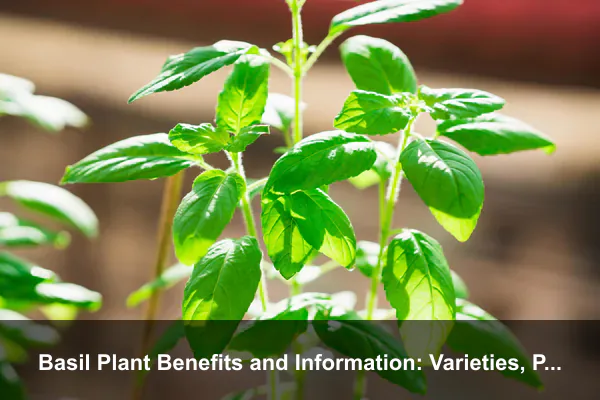
Basil is often introduced as a kitchen herb, but that narrow label misses much of what makes the plant valuable. A healthy basil plant can support everyday cooking, add fragrance to small spaces, attract beneficial insects when allowed to flower, and teach beginner gardeners how herbs move through a complete life cycle from seed to harvest to seed again. This guide looks at Basil plant benefits and information from a fresh angle: variety selection, pollinator value, edible garden design, seed saving, and responsible home use.
Instead of repeating a standard harvest-and-recipe guide, this article focuses on how basil can become a useful part of a living garden system. Whether you grow it on a sunny balcony, beside vegetables, in a patio pot, or in a small family herb corner, basil offers practical plant benefits when it is managed with intention rather than treated as a short-lived garnish.
Why Basil Deserves a Different Kind of Guide
Basil, botanically known as Ocimum basilicum, is a fragrant herb in the mint family. Most people recognize sweet basil from pesto, tomato dishes, salads, and fresh garnishes, but basil is not one single plant personality. It includes compact types for pots, purple-leaved forms for ornamental borders, lemon-scented types for drinks and light dishes, and Thai basil varieties that handle heat well and bring a spiced aroma to stir-fries and curries.
The broader value of basil comes from the way it connects the kitchen, the garden, and daily routines. It is quick-growing enough to reward beginners, aromatic enough to make a small space feel more alive, and flexible enough to be used fresh, dried, frozen, infused, or grown for seed. When allowed to bloom selectively, basil also becomes part of a pollinator-friendly planting plan.
A Short Botanical Snapshot
Basil is usually grown as a tender annual, meaning it completes its life cycle in one warm growing season in many climates. It prefers warmth, bright sun, and well-drained soil. The leaves contain aromatic compounds that give each variety its distinctive scent, while the flowers appear on spikes once the plant shifts from leafy growth toward reproduction.
That flowering stage is often treated as a problem because leaf flavor can become stronger or slightly bitter after bloom. However, flowering is not always bad. If your goal is seed saving, pollinator support, or ornamental value, letting a few selected plants bloom can be useful. The key is deciding which plants are for leaf production and which plants are for flowers and seeds.
Meet Basil Beyond the Usual Sweet Variety
A unique basil garden starts with choosing the right variety for the job. Many gardeners buy the first green basil seedling they see, then wonder why it bolts quickly, struggles indoors, or does not match the flavor they wanted. Variety selection is one of the most overlooked parts of basil plant benefits and information because different basils serve different household needs.
Sweet and Genovese Basil
Sweet basil and Genovese basil are the classic choices for Italian-inspired cooking. They have broad green leaves, a familiar clove-like aroma, and a soft texture that works well when added near the end of cooking. These types are best when the goal is fresh leaves for pasta, tomato salads, sauces, sandwiches, and herb oils.
They are also good teaching plants for beginners because their growth response is easy to see. When you pinch the growing tip above a leaf pair, the plant usually sends out side shoots. This makes the plant bushier and gives a clear visual lesson in pruning.
Thai, Lemon, and Cinnamon Basil
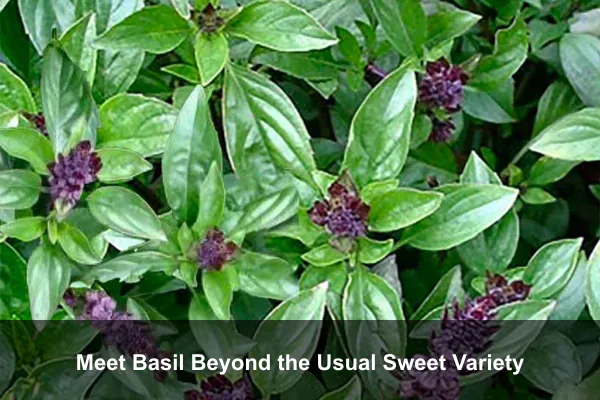
Thai basil has a firmer leaf, purple stems, and a spicy anise-like fragrance. It often holds up better in warm dishes than tender sweet basil. Lemon basil offers a citrus scent that suits fruit salads, iced drinks, fish, and light vegetable dishes. Cinnamon basil has a warmer aroma and can be used in herbal vinegars, simple syrups, flower arrangements, or fragrant garden borders.
These varieties are especially useful for gardeners who want basil to do more than one job. A row of Thai basil can provide attractive purple flower spikes, while lemon basil can make a small patio feel fresh when the leaves are brushed. Cinnamon basil can add height and scent to an edible landscape.
Purple and Compact Basils
Purple basil varieties are valuable when you want herbs to look ornamental without giving up usefulness. Their dark foliage contrasts well with green herbs, silver-leaved plants, marigolds, and edible flowers. Compact types, sometimes sold as globe basil or bush basil, are better for windowsill pots, balcony rail planters, and tight urban gardens.
For small spaces, compact basil can be more practical than a large Genovese plant. It stays tidy, branches densely, and often fits into mixed containers without overwhelming nearby herbs. This makes it useful for renters, apartment gardeners, and anyone building a low-maintenance edible display.
Practical Benefits of Basil in a Living Garden
The most obvious benefit of basil is flavor, but its value goes further. Basil can help reduce food waste by encouraging people to cook with fresh herbs at home, add interest to simple meals, and harvest only what they need. In a garden setting, it adds scent, color, seasonal flowers, and a fast feedback loop for new growers.
Important basil plant benefits include:
- Culinary freshness: A few leaves can brighten sauces, grains, eggs, soups, salads, and vegetables.
- Small-space productivity: Basil grows well in pots when given sun, drainage, and consistent moisture.
- Sensory value: The fragrance makes patios, balconies, and kitchen gardens feel more inviting.
- Pollinator support: Flowering basil can attract bees and other beneficial insects when part of a diverse garden.
- Beginner education: Basil clearly shows pruning response, flowering, seed formation, and stress signals.
- Edible ornament: Purple, compact, and flowering types can be used as decorative planting without losing utility.
Pollinator-Friendly Value
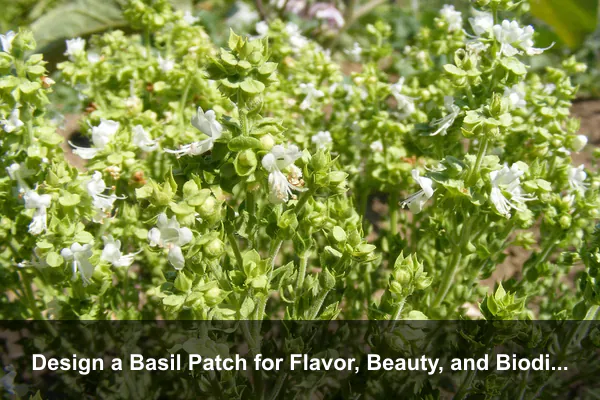
If your only goal is tender leaves, you will usually pinch off flower buds. But if you have several basil plants, consider letting one or two bloom. Basil flowers are small, but they can be busy with insect activity in warm weather. This makes basil a helpful bridge between a culinary herb garden and a pollinator-conscious garden.
The best approach is selective flowering. Keep your main cooking plants trimmed for leaf production, then choose a few strong plants at the edge of the bed or container group to flower. This lets you enjoy fresh leaves while still offering nectar and pollen. It also gives you seed-saving opportunities later in the season.
Scent and Everyday Garden Experience
Basil’s fragrance is not just pleasant; it changes how people interact with a garden. A pot near a kitchen door is more likely to be touched, noticed, watered, and harvested. For families, this makes basil a useful plant for encouraging children to explore gardening through scent and texture. For adults, it can turn a practical herb pot into a small daily ritual.
In a Manfaat Tanaman context, this matters because plant benefits are not limited to direct nutrition. The best home plants often improve routines: they make cooking easier, invite observation, encourage outdoor time, and connect people with seasonal growth.
Nutrition and Safe Everyday Use
Fresh basil is used in small amounts, so it should not be treated as a major source of calories, protein, or minerals. However, it does contribute useful micronutrients and plant compounds as part of a varied diet. USDA FoodData Central lists fresh basil as a low-calorie herb that contains nutrients such as vitamin K, vitamin A compounds, vitamin C, calcium, iron, magnesium, and potassium.
The realistic message is simple: basil can support a flavorful, plant-rich diet, but it is not a cure, treatment, or substitute for medical care. Its best everyday benefit is that it helps people make vegetables, beans, grains, soups, and lean proteins taste better with less reliance on heavy sauces or excess salt.
Fresh Leaves Are Different From Extracts
Fresh basil leaves used in food are not the same as concentrated basil oil, essential oil, capsules, or extracts. A handful of leaves in a meal is a culinary use. A concentrated product is a different category and may carry different risks, especially for children, pregnant people, people with medical conditions, or anyone taking medication.
For general safety, use basil leaves as food, wash them well, and avoid making strong health claims. If someone wants to use basil supplements or concentrated herbal products for a health condition, they should speak with a qualified healthcare professional first.
When to Be Cautious
Basil is safe for most people in normal food amounts, but a few cautions are worth noting. People taking blood-thinning medication such as warfarin should keep vitamin K intake consistent and ask their clinician how leafy herbs fit into their diet. Anyone with a known allergy to basil or related herbs should avoid it. Essential oils require extra caution; Poison Control warns that essential oils can be harmful when misused, swallowed, applied undiluted, or left within reach of children.
Food safety also matters. Rinse fresh basil under clean running water, dry it gently, and avoid storing wet leaves in a sealed container for too long. If basil looks slimy, smells off, or shows mold, discard it rather than trying to salvage it.
Design a Basil Patch for Flavor, Beauty, and Biodiversity
A basil patch does not need to be large. It only needs a clear purpose. You can design one basil area for daily cooking, another for flowers, and another for ornamental color. This approach makes basil more useful and prevents the common frustration of losing every plant to flowering at the same time.
For a balanced basil layout, think in zones:
- The kitchen zone: Keep two or three leafy plants close to the door for quick harvests.
- The pollinator zone: Place one or two plants where flowers can develop undisturbed.
- The design zone: Use purple, compact, or lemon basil where foliage color and scent matter.
- The seed zone: Reserve one healthy plant for mature flowers and seed collection.
Container Combinations
In containers, basil pairs well with plants that enjoy similar warmth and sun. It can share a large pot with parsley, chives, dwarf marigold, or compact edible flowers if the container is wide enough and drains well. Avoid crowding too many thirsty herbs in a small pot because basil dislikes drying out completely but also suffers in soggy soil.
A practical patio container might include one upright Thai basil, one compact globe basil, and a low edible flower at the edge. This gives height, texture, scent, and usefulness without becoming messy. Use a pot with drainage holes, quality potting mix, and enough volume that the roots do not overheat or dry out every afternoon.
Garden Bed Placement
In a garden bed, basil works well along sunny edges where it is easy to reach. Placing it near tomatoes is popular because the harvest timing and kitchen uses match well, but basil should still have enough airflow. Tight spacing can encourage disease problems, especially in humid weather.
For visual design, alternate green basil with purple basil or marigolds. The contrast makes the bed easier to scan and more attractive. If you plan to save seed, place the seed plant where it can flower without blocking paths or shading smaller herbs.
Growing Information That Supports the Benefits
The best basil benefits come from a plant that is not constantly stressed. According to University of Minnesota Extension, basil does best in a sunny location with bright light and well-drained soil. The same source notes that periodic pruning helps maintain productive growth, while allowing plants to flower heavily can reduce leaf yield and affect flavor.
Light and Warmth
Basil is a warm-season herb. It grows poorly in cold soil and can be damaged by frost. Outdoors, wait until nights are reliably mild before planting. Indoors, place basil near the brightest window available or use a grow light if natural light is weak. A leggy basil plant with pale leaves is often asking for more light.
Heat is usually welcome, but container plants can overheat when small pots sit on concrete or metal railings. If leaves wilt every afternoon even when soil is moist, move the pot where it gets morning sun and some protection from harsh reflected heat.
Soil, Water, and Airflow
Basil likes moisture but not waterlogged roots. Use loose, well-drained soil and containers with drainage holes. Water deeply when the top layer of soil begins to dry, then let excess water drain away. In garden beds, mulch can help conserve moisture and reduce soil splash on lower leaves.
Airflow is especially important in humid climates. Give basil enough space so leaves dry after rain or morning dew. Avoid watering from overhead late in the evening. If leaves develop spots, yellowing, or fuzzy growth underneath, remove affected leaves and improve spacing before the problem spreads.
Pruning, Flowering, and Plant Purpose
Pruning should match the plant’s role. For leaf production, pinch or cut above a pair of leaves to encourage branching. For pollinator value, stop pruning one or two plants and let flower spikes develop. For seed saving, allow flowers to mature fully and dry on the plant before collecting seed heads.
This purpose-based pruning is what makes basil more rewarding. You are not fighting the plant’s natural life cycle; you are directing different plants toward different benefits.
Seed Saving and Propagation
Seed saving is one of the most distinctive ways to use basil. It turns a single season herb into a repeating garden resource. To save seed, choose a healthy, vigorous plant with the flavor, size, or color you want. Let it flower, then allow the flower spikes to dry until the seed heads turn brown. Cut the dry spikes, place them in a paper bag, and rub gently to release the tiny dark seeds.
Label the seeds with the variety name and year. Store them in a cool, dry place away from direct light. If you grow multiple basil varieties close together, seedlings may not come back exactly like the parent plant because cross-pollination can occur. For casual home gardening, that can be part of the fun. For reliable variety preservation, separate varieties or buy fresh seed from a trusted supplier.
Growing Basil From Cuttings
Basil can also be propagated from cuttings. Cut a healthy non-flowering stem, remove the lower leaves, and place the stem in water or moist potting mix. Once roots form, move it into a pot. This is useful when you want to extend the life of a favorite plant or create extra kitchen plants quickly.
Cuttings are not a permanent solution because basil still behaves like an annual, but they can give you several more weeks of fresh growth. They are also a simple project for beginners because root development is visible and satisfying.
Ways to Use Basil Without Wasting It
A productive basil plant can create more leaves than one household uses in a day. The solution is not to ignore the plant until it bolts, but to build small preservation habits. Fresh basil is most aromatic when used soon after cutting, but extra leaves can still be saved in practical ways.
- Fresh finishing: Tear leaves over cooked dishes just before serving to protect aroma.
- Herb butter or oil: Mix chopped basil into softened butter or oil and use within safe storage limits.
- Freezer cubes: Chop leaves with water or olive oil and freeze in small portions.
- Simple vinegar: Infuse clean basil leaves in vinegar for dressings and marinades.
- Herb salt: Blend finely chopped basil with salt, dry it thoroughly, and use as a seasoning.
- Flower garnish: Use edible basil flowers sparingly when they are clean and unsprayed.
Stems can also be useful. Tender stems can be chopped into sauces, while tougher stems can flavor broth, vinegar, or cooking water before being removed. This whole-plant mindset reduces waste and makes basil feel more valuable.
Common Mistakes That Reduce Basil Benefits
Many basil problems come from treating every plant the same way. Basil is simple, but it still responds strongly to light, water, spacing, temperature, and harvest style. Avoiding a few common mistakes can greatly improve plant performance.
Letting Every Plant Flower Too Early
Flowering is useful when planned, but frustrating when every basil plant bolts before you have enough leaves. Keep your main harvest plants trimmed and reserve only selected plants for flowers. This gives you both culinary leaves and biodiversity benefits.
Growing Basil in Weak Light
Basil can survive in less-than-ideal indoor light for a while, but survival is not the same as productive growth. Weak light leads to long stems, small leaves, and poor flavor. If indoor basil matters to you, a simple grow light may be more reliable than a dim windowsill.
Overwatering or Using Heavy Soil
Soggy soil can damage roots and invite disease. Basil needs consistent moisture, not standing water. A light potting mix, drainage holes, and careful watering are more important than frequent fertilizing.
Confusing Food Use With Medicinal Use
Basil leaves belong comfortably in everyday cooking. Concentrated oils, extracts, and supplements should be treated differently. Natural does not automatically mean risk-free, especially when a product is concentrated or used by children, pregnant people, or people taking medication.
Conclusion
Basil plant benefits and information become more interesting when basil is viewed as more than a cooking herb. It is a flavorful food plant, a fragrant design element, a beginner-friendly teacher, a pollinator resource when selectively allowed to flower, and a seed-saving opportunity for gardeners who want a more connected growing routine.
For the most useful basil garden, grow more than one variety, assign each plant a purpose, keep food-use claims realistic, and let a few strong plants complete their life cycle. With that approach, basil can support the kitchen, the garden, and the everyday pleasure of caring for useful plants.
