
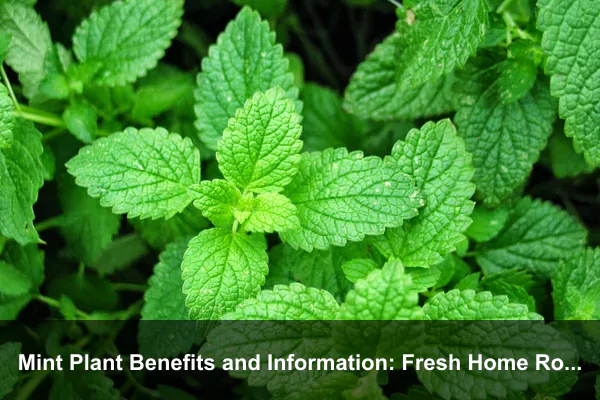
Mint plant benefits and information are often discussed through tea, recipes, and basic growing tips, but this fresh herb deserves a more practical everyday angle. Mint is one of the easiest plants to turn into a living household resource: it can brighten food, freshen small spaces, support simple wellness routines, and bring useful greenery to a balcony, kitchen window, or patio.
This guide focuses on mint as a daily-use home plant, especially for readers who want useful herbs without complicated gardening. Instead of treating mint as only a flavoring ingredient, think of it as a fast-growing aromatic plant that needs smart containment, regular harvesting, and sensible use. With the right approach, a single pot of mint can become a clean, renewable source of fresh leaves for meals, drinks, home care, and beginner-friendly herbal gardening.
Why Mint Fits Modern Home Routines
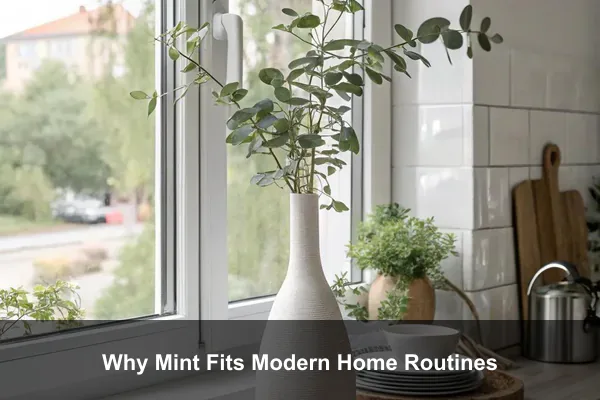
Mint is valuable because it gives quick results. Many herbs need patience before they feel rewarding, but mint usually grows fast once it has enough light, moisture, and room for its roots. This makes it especially useful for people who want visible progress from a small plant. A healthy container can supply leaves for infused water, salads, sauces, warm drinks, and simple aroma-based routines.
The plant also suits the idea behind Manfaat Tanaman, or plant benefits, because its value is not limited to decoration. Mint provides sensory freshness, edible leaves, and a practical connection to daily self-care. When placed near the kitchen, it encourages healthier flavor choices because fresh mint can replace extra sugar, heavy sauces, or artificial flavorings in some drinks and dishes.
Mint Plant Information: What Makes It So Useful
Mint belongs to the Mentha group, a family of aromatic herbs known for square stems, opposite leaves, and a strong scent released when the foliage is rubbed or cut. Its signature cooling character comes from natural aromatic compounds, especially menthol in peppermint and related compounds in spearmint.
Basic Plant Profile
- Common name: Mint
- Botanical group: Mentha
- Plant type: Perennial herb in suitable climates
- Best use: Culinary leaves, aromatic home plant, container herb
- Growth habit: Spreading stems and vigorous roots
- Best location: Bright outdoor light or a sunny indoor windowsill
Why Containers Matter
The most important mint plant information for home growers is simple: mint spreads aggressively in open soil. Its underground runners can move beyond the original planting area and compete with nearby plants. For that reason, containers are not just decorative; they are a control strategy. A pot lets you enjoy the benefits of mint without allowing it to dominate a garden bed.
Key Mint Plant Benefits for Daily Living
Mint has a wide range of practical benefits, but the most realistic ones are connected to flavor, aroma, ease of growing, and low-waste home use. It should not be promoted as a cure for health conditions, yet it can support comfortable routines when used sensibly as food or fragrance.
Fresh Flavor Without Complication
Fresh mint leaves can make plain water, fruit, yogurt, rice dishes, soups, and salads feel brighter. This is one of the simplest mint plant benefits for families because the herb helps add flavor without relying only on salt, sugar, or bottled sauces. A few leaves can change the character of a meal while keeping preparation easy.
A Cooling Aroma for Small Spaces
Mint has a clean, recognizable scent that can make kitchens, balconies, and work corners feel fresher. Crushing a leaf between your fingers releases fragrance immediately. Some people enjoy keeping mint near a sink, breakfast area, or outdoor seating space because the aroma feels crisp and energizing.
A Beginner-Friendly Herbal Plant
Mint is forgiving compared with many culinary herbs. It tolerates regular pruning, rebounds after harvesting, and often roots easily from cuttings. For beginners, this builds confidence. A plant that responds quickly teaches useful gardening habits such as checking soil moisture, trimming stems, rotating pots, and harvesting before the plant becomes leggy.
How to Grow Mint Without Letting It Take Over
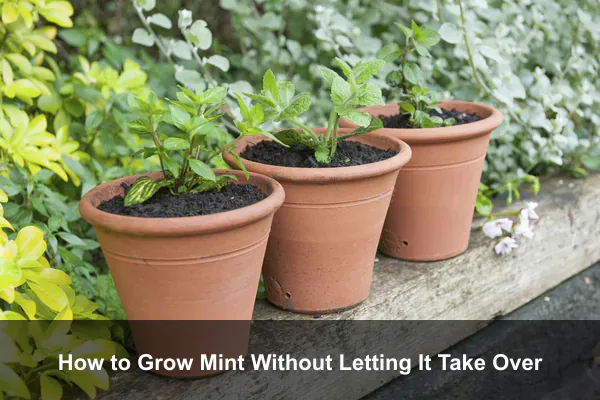
Good mint care starts with control. Choose a pot with drainage holes and enough width for spreading roots. A container around 8 to 12 inches wide is a practical starting point for one young plant. Use a loose potting mix that holds moisture but does not stay muddy.
Light and Water
Mint grows best with bright light. Outdoors, it often appreciates morning sun and some afternoon protection in hot climates. Indoors, place it near the brightest window available. Water when the top layer of soil begins to feel dry. Mint likes consistent moisture, but soggy roots can cause yellowing leaves and weak growth.
Pruning for Better Leaves
Harvesting is part of care. Pinch stems above a leaf pair to encourage branching. Regular trimming keeps the plant compact and productive. If flowers appear, remove them unless you are intentionally supporting pollinators outdoors. Flowering can make leaf production slow and the flavor less tender.
Smart Ways to Use Fresh Mint Leaves at Home
To keep this guide distinct from a basic recipe list, focus on repeatable routines. Mint is most useful when it becomes easy to use often, not when it waits for a special dish.
- Morning water: Add washed mint leaves to a bottle of water with cucumber or citrus.
- Lunch freshness: Chop leaves into grain bowls, salads, or yogurt sauces.
- Evening comfort: Steep fresh leaves in hot water for a caffeine-free herbal drink.
- Kitchen aroma: Place a small bowl of bruised leaves near food prep areas for a short-lived fresh scent.
- Low-waste cubes: Freeze chopped mint with water in an ice tray for drinks or quick cooking.
Always wash leaves before using them, especially if the plant grows outdoors. Harvest only from plants that have not been treated with unsafe pesticides or chemical sprays.
Safe and Sensible Mint Use
Fresh mint leaves used in normal food amounts are generally suitable for many people, but stronger forms need more caution. Peppermint essential oil is highly concentrated and should not be treated like fresh leaves. It can irritate skin, eyes, and sensitive airways if used carelessly.
When to Be Careful
- People with frequent acid reflux may find strong peppermint products uncomfortable.
- Pregnant or breastfeeding people should ask a qualified health professional before using concentrated herbal products.
- Do not use peppermint oil around infants or apply it directly to a child without medical guidance.
- Keep concentrated oils away from pets unless a veterinarian has confirmed safety.
- Use mint as a food and lifestyle herb, not as a replacement for medical treatment.
Harvesting and Storing Mint for Better Value
The best time to harvest mint is when the plant has several healthy stems and before it becomes woody or heavily flowered. Cut only what you need, but do not be afraid to prune regularly. Frequent light harvesting usually creates a fuller plant.
Storage Options
- Short term: Wrap stems in a slightly damp towel and refrigerate in a container.
- Water jar: Place cut stems in a glass of water like a small bouquet and keep them cool.
- Freezing: Chop leaves and freeze them in ice cubes for drinks or cooking.
- Drying: Air-dry clean leaves in a shaded, ventilated spot, then store in an airtight jar.
Fresh mint has the brightest flavor, while dried mint is more concentrated and earthy. Keeping both forms helps reduce waste and makes the plant more useful throughout the week.
Common Mint Problems and Quick Fixes
If your mint looks weak, the cause is usually simple. Yellow leaves can mean overwatering, poor drainage, or a root-bound pot. Long, thin stems often signal not enough light. Crispy edges may come from heat stress or dry soil. Small pests such as aphids can sometimes gather on tender shoots, especially on crowded plants.
Start with the basics before adding products. Move the pot to brighter light, trim weak stems, check drainage, and refresh tired soil if needed. A hard prune can revive an established mint plant when the roots are still healthy. If the container is packed with roots, divide the plant and replant a smaller section in fresh potting mix.
Conclusion
Mint is more than a familiar garnish. When grown with intention, it becomes a practical home herb that supports fresh flavor, clean aroma, beginner gardening confidence, and low-waste routines. The key is to grow it in a container, harvest it regularly, and use it sensibly in everyday food and home habits.
For anyone researching mint plant benefits and information, the most useful takeaway is balance. Mint is easy, productive, and pleasantly aromatic, but it also needs containment and responsible use. Give it light, moisture, pruning, and a proper pot, and this small herbal plant can deliver steady value from the kitchen windowsill to the outdoor patio.
