
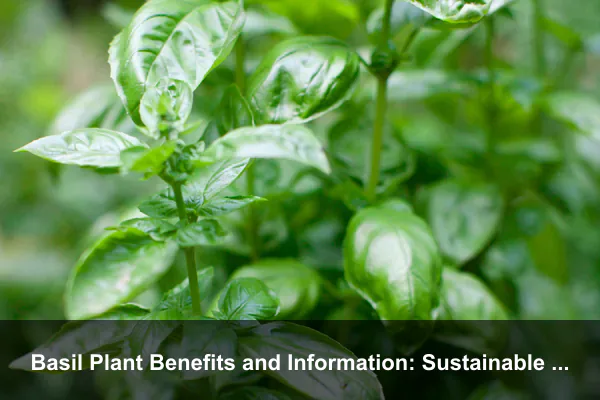
Basil is often introduced as a simple kitchen herb, but a closer look shows why it deserves a more thoughtful place in a home garden. A healthy basil plant can season meals, reduce dependence on packaged herbs, support pollinators when allowed to flower, and teach beginners how light, pruning, soil, water, and timing work together. This guide to Basil plant benefits and information focuses on a unique angle: using basil as a practical, sustainable, everyday plant rather than treating it only as a recipe ingredient or a wellness trend.
For readers interested in Manfaat Tanaman, or the real-life benefits of plants, basil is a useful example because its value is not limited to one category. It is edible, aromatic, compact, fast-growing, and adaptable to containers, balcony gardens, raised beds, and sunny kitchen windows. The best results come from understanding what basil can realistically do, what it cannot do, and how to manage the plant so it stays productive without waste.
Basil as a Sustainable Kitchen-Garden Herb
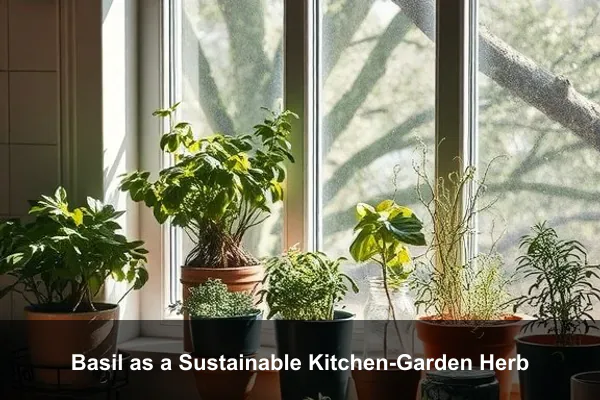
Basil belongs to the genus Ocimum, and the most familiar culinary type is sweet basil, commonly used in Italian-style sauces, salads, and fresh herb blends. Other types bring different aromas, leaf colors, and growth habits, but they share one important practical feature: basil rewards frequent, thoughtful harvesting. Instead of buying a plastic clamshell of herbs that may wilt before it is used, one plant can provide small fresh harvests over and over during warm growing conditions.
The sustainability benefit is not dramatic in a single leaf, but it becomes meaningful through repetition. A pot near the kitchen can reduce food waste, encourage home cooking, and make it easier to add flavor without relying heavily on bottled sauces, excess salt, or disposable packaging. Basil also fits small spaces well. It does not require a large yard, and compact forms can grow in modest containers as long as they receive enough sun, warmth, and steady moisture.
What Makes Basil Different From Many Houseplants
Many indoor and ornamental plants are grown mainly for appearance, while basil is grown for active use. It asks the gardener to interact with it: pinch the tips, rotate the pot, check soil moisture, remove flower buds when leaf production is the goal, and harvest before the plant becomes woody. This makes basil especially helpful for beginners because the plant gives clear feedback. Pale leaves, drooping stems, bitter flavor, weak growth, or early flowering all point to conditions that can be adjusted.
Where Basil Fits in a Plant-Benefit Garden
In a plant-benefit garden, basil works as a bridge between food, fragrance, education, and ecology. It can be part of a vegetable bed, a balcony herb shelf, a patio container group, or a pollinator-friendly corner. When managed for leaves, basil supports daily cooking. When a few stems are allowed to bloom, the flowers can attract beneficial insects. That flexibility is what makes basil more than a garnish.
Key Basil Plant Benefits Beyond Basic Culinary Use
The most obvious basil benefit is flavor, but the plant supports daily life in several practical ways. These benefits are strongest when basil is used as a fresh culinary herb and grown with realistic expectations. It is not a cure-all, and it should not be promoted as a replacement for medical care. Its real strength is that it makes healthy routines easier to practice.
- Fresh flavor at low volume: A few leaves can brighten vegetables, soups, grain bowls, eggs, fish, chicken, beans, and sauces without making meals heavy.
- Lower kitchen waste: Harvesting only what you need helps avoid half-used herb bundles spoiling in the refrigerator.
- Beginner gardening education: Basil responds quickly to pruning, light, heat, and watering, so it teaches core plant-care habits.
- Small-space productivity: One sunny pot can be useful even in apartments, balconies, and compact homes.
- Aromatic sensory value: The scent of crushed basil leaves can make cooking and gardening feel more engaging and calming.
- Pollinator support: If some stems bloom, basil flowers may add nectar resources to a mixed garden.
- Budget value: A productive plant can replace repeated purchases of small fresh herb packs during the growing season.
These benefits are simple, but they are exactly why basil remains popular. A plant does not need to be rare or exotic to be valuable. The most useful plants are often the ones that fit naturally into everyday routines.
Choosing Basil Varieties by Purpose
A unique way to think about basil is to choose varieties by job rather than by name alone. The best basil for pesto may not be the best basil for tea, balcony containers, Thai-style cooking, ornamental contrast, or pollinator flowers. Matching the plant to the purpose improves results and prevents disappointment.
Sweet Basil and Genovese Basil
Sweet basil and Genovese-type basil are the classic choices for fresh tomato dishes, pesto, pasta, and Mediterranean-inspired cooking. They usually have broad green leaves and a familiar clove-anise aroma. If your main goal is a steady supply of tender leaves, start here. These types are also easy to find as seed, nursery starts, and grocery-store pots, although grocery plants often need to be divided and repotted because many seedlings are crowded into one container.
Thai Basil, Lemon Basil, and Cinnamon Basil
Thai basil has a firmer texture and a stronger spicy aroma that holds up well in warm dishes, especially soups, stir-fries, noodle bowls, and curries. Lemon basil has a citrus note that suits fish, salads, iced drinks, and light sauces. Cinnamon basil offers a warm, sweet-spice character that can be interesting in fruit dishes, herbal syrups, and fragrant garden plantings. These varieties expand basil beyond the usual pesto association.
Purple Basil and Bush Basil
Purple basil brings visual contrast to edible beds and container arrangements. Its leaves can be used in food, although some purple types have a stronger or slightly less sweet flavor than green sweet basil. Bush basil is compact, rounded, and useful where space is limited. For a balcony, windowsill, or small patio, bush basil may be easier to manage than a tall, sprawling plant.
Holy Basil or Tulsi
Holy basil, often called tulsi, is culturally important in South Asian traditions and is used differently from sweet basil. It has a more medicinal, spicy, clove-like profile and is often prepared as tea. It should not be confused with common culinary basil in recipes or health claims. If you use tulsi as an herbal supplement or in concentrated form, treat it with more caution than a few fresh sweet basil leaves in food.
Growing Basil for Daily Use in Small Spaces
The most productive basil setup is usually simple: strong light, warm temperatures, good drainage, regular harvesting, and enough room for air to move around the plant. According to the University of Maryland Extension, basil is a warm-season annual herb, and full sun with moist but well-drained soil is recommended for strong growth. That advice matters because many basil failures come from trying to grow it in cold, dim, soggy conditions.
Light and Warmth
Basil is a sun-loving herb. Outdoors, aim for at least 6 hours of direct sun when possible. Indoors, place the plant in the brightest available window or use a grow light if natural light is weak. Basil may survive in low light for a while, but it often becomes leggy, pale, and less flavorful. Warmth is also important. Cold drafts, chilly nights, and cold soil can slow growth and damage leaves.
Container and Soil Basics
Choose a container with drainage holes. A pot that holds water at the bottom can cause root stress and yellowing leaves. Use a quality potting mix for containers rather than dense garden soil, which can compact in pots. For one mature basil plant, a pot around 6 to 10 inches wide is often more comfortable than a tiny decorative container. If several seedlings are growing together, thin or divide them so each plant has room to branch.
Watering Without Overwatering
Basil likes even moisture, not swampy soil. Water when the top layer of potting mix begins to feel dry, then let extra water drain away. In hot weather, containers may dry quickly, especially on balconies and patios. Indoors, watering may be less frequent. The goal is consistency. Repeated drought stress can push the plant toward flowering and tougher leaves, while overwatering can weaken roots.
Pruning for More Leaves
Pruning is not just maintenance; it is how you train basil to become useful. Pinch or cut just above a pair of leaves so the plant branches from that point. Do not strip all leaves from one stem and leave a bare stick. Frequent small harvests create a fuller plant than waiting too long and taking a large harvest all at once. The Illinois Extension also emphasizes pinching growing tips to encourage bushier growth and more aromatic leaves.
Succession Planting
Because basil is usually grown as an annual, one plant will not remain perfect forever. A practical kitchen-garden system includes succession planting. Start a few seeds every few weeks during the warm season, or root cuttings from a vigorous plant. This creates backup plants and keeps the supply tender, especially if an older plant starts to flower or decline.
Basil, Biodiversity, and Companion Planting
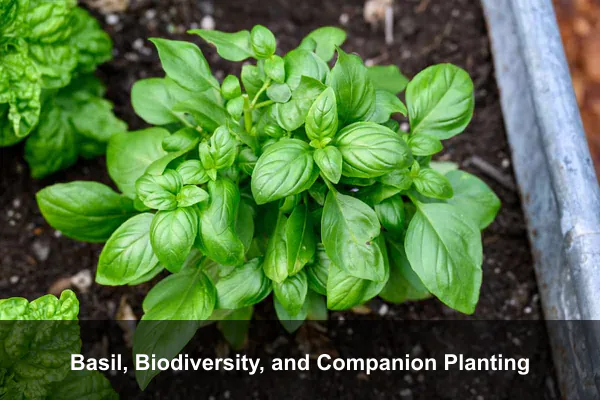
Basil can contribute to a more biodiverse garden, especially when it is grown as part of a mixed planting rather than isolated in a single pot. The key is to stay evidence-minded. Companion planting is popular, but not every chart on the internet is equally reliable. Some claims are based on tradition, some on observation, and some on actual studies. Basil can be useful, but it should not be treated as a magical pest shield.
Flowers and Beneficial Insects
If the goal is leaf production, gardeners often pinch off basil flower buds. However, allowing a few stems to bloom can be helpful in a mixed garden. Basil flowers are small but attractive to various insects, and flowering herbs can add nectar and habitat value. This is especially useful near vegetable beds where beneficial insects help support a balanced garden ecosystem.
Basil Near Tomatoes
Basil and tomatoes are a famous culinary pair, and they can also be a reasonable garden pair when both plants have enough light, nutrients, water, and air movement. The University of Minnesota Extension notes that some studies have found basil and marigolds may help reduce thrips in tomato systems, and basil intercropping may support tomato growth. This is promising, but it is not a guarantee that basil will solve pest problems on its own.
What Companion Planting Can and Cannot Do
Companion planting works best as part of a larger strategy. Healthy soil, crop rotation, spacing, sanitation, pest monitoring, and plant diversity all matter. Basil may help create a more complex planting environment, but it cannot compensate for overcrowding, drought stress, weak light, or disease-prone conditions. Treat it as one useful tool, not the whole toolbox.
Safe Everyday Use, Nutrition, and Wellness Boundaries
Basil is generally used as a food herb, and that is the safest, most realistic way to enjoy it. Fresh basil contributes aroma, color, and small amounts of nutrients. Data from USDA FoodData Central show that food composition values are usually listed by weight, often per 100 grams, but most people eat basil in much smaller amounts. This means basil can contribute to a nutritious diet, but it should not be exaggerated as a major source of nutrients in ordinary garnish-sized servings.
Vitamin K and Medication Awareness
Like many green herbs, basil contains vitamin K. The NIH Office of Dietary Supplements explains that vitamin K is important for blood clotting and bone health, and that people taking warfarin need to keep vitamin K intake consistent. This does not mean basil is unsafe for everyone. It means people on blood-thinning medication should avoid sudden major changes in intake of vitamin K-rich foods and should follow medical guidance.
Fresh Leaves Are Not the Same as Essential Oil
A few basil leaves in food are very different from basil essential oil, concentrated extracts, or high-dose supplements. Essential oils are potent products and should not be swallowed or applied casually unless directed by a qualified professional. Pregnant people, breastfeeding people, children, people with liver conditions, people scheduled for surgery, and people taking regular medication should be especially cautious with concentrated herbal products.
Food Safety in the Kitchen
Rinse basil gently under clean running water before use, especially if it was grown outdoors or purchased fresh. Dry the leaves with a towel or salad spinner because wet basil bruises easily and can make sauces watery. Use clean scissors or pruners for harvesting. If leaves are slimy, moldy, or have an unpleasant smell, discard them rather than trying to rescue them.
Cooking With Basil as a Flavor System
Using basil well is less about adding a random herb at the end and more about understanding how its aroma behaves. Fresh basil is delicate. Its fragrance is strongest when leaves are torn, sliced, or bruised shortly before serving. High heat can dull the flavor, so many dishes benefit from adding basil near the end of cooking.
Best Pairings for Fresh Basil
Basil pairs naturally with tomatoes, garlic, olive oil, lemon, mozzarella, beans, zucchini, peppers, eggplant, eggs, fish, chicken, rice, noodles, and many fruits. Lemon basil can pair with berries and iced tea. Thai basil works well with chili, lime, coconut milk, ginger, and soy-based sauces. Purple basil can add color to salads and herb vinegars.
Using Basil to Reduce Salt and Heavy Sauces
One practical health-supporting benefit of basil is flavor intensity. When food tastes fresh and aromatic, it may need less salt, sugar, or heavy sauce to feel complete. Basil is not a medical treatment, but it can support better cooking habits. A bowl of vegetables, grains, and protein becomes more appealing with a handful of fresh herbs, acid, and good texture.
Parts of the Plant You Can Use
The leaves are the main harvest, but tender stems can be chopped into sauces, blended into pesto, or steeped in broths. Flower buds are edible and can be used as a garnish if their flavor is pleasant. Older woody stems are less useful for fresh eating but can be added briefly to soups or stocks and removed before serving.
Preserving Basil Without Losing Its Character
Basil is famous for wilting quickly after harvest, so preservation is part of getting full value from the plant. The goal is to preserve flavor in a form you will actually use. Dry basil is convenient, but it tastes different from fresh basil. Freezing often preserves a fresher character, especially when basil is blended with oil or water.
Short-Term Storage
For short-term use, basil often keeps better like a small bouquet: stems in a glass of water at room temperature, loosely covered if needed. The Illinois Extension notes that refrigeration can discolor basil leaves, which is why the refrigerator is not always the best place for fresh basil. Keep leaves away from direct hot sun once harvested.
Freezing Basil
Blend clean basil with a small amount of olive oil or water, then freeze it in small portions. Ice cube trays work well because they create cooking-sized amounts. Once frozen, move the cubes to a sealed container. These cubes can be added to soups, sauces, beans, eggs, and grain dishes.
Drying Basil
Drying works best with clean, healthy leaves. Use a dehydrator, a low-temperature oven, or a dry, airy place away from direct sun. Store dried basil in an airtight container away from heat and light. Crush leaves only when you use them because whole dried leaves hold aroma longer than pre-crushed flakes.
Low-Waste Basil Ideas
- Blend imperfect leaves into pesto, chimichurri-style sauce, or herb paste.
- Steep stems in vinegar for dressings and marinades.
- Add chopped tender stems to soups and tomato sauces.
- Freeze small herb cubes before a plant declines.
- Use edible flowers as garnish instead of discarding every bloom.
Common Basil Problems and Practical Fixes
Basil problems are easier to handle when you read the symptoms early. Most issues come from a short list of causes: low light, cold temperatures, poor drainage, irregular watering, overcrowding, nutrient imbalance, disease, or age. Instead of replacing the plant immediately, identify the likely cause and adjust the growing system.
Leggy Growth
Long, weak stems usually mean the plant is reaching for light or has not been pruned enough. Move it to a brighter location and pinch above leaf nodes to encourage branching. If the plant is severely stretched, start a new plant from seed or cuttings while improving the light setup.
Yellow Leaves
Yellowing can come from overwatering, poor drainage, low nutrients, cold stress, root crowding, or natural aging. Check the soil before watering again. If the pot has no drainage hole, repot into one that does. If the plant has been in the same small pot for a long time, refresh the potting mix or move it into a larger container.
Bitter or Tough Leaves
Basil can become stronger, tougher, or more bitter when it is stressed, flowering heavily, or aging. Pinch flower buds if you want tender leaves. Harvest regularly, keep moisture steady, and grow replacement plants during the season.
Downy Mildew and Leaf Spots
Basil downy mildew is a serious problem in humid conditions. Prevention is better than rescue. Provide space between plants, avoid wetting leaves late in the day, water at the soil level, and choose resistant cultivars when available. The University of Maryland Extension lists resistant options such as Prospera and Amazel for gardeners dealing with downy mildew pressure.
Pests
Aphids, whiteflies, slugs, and leaf-chewing insects may visit basil. For small outbreaks, rinse pests off with water, remove heavily damaged leaves, improve air circulation, and avoid overfertilizing. Strong chemical sprays are rarely the first choice for a culinary herb. If any product is used, it must be labeled for edible plants and used exactly as directed.
A Simple Seven-Day Basil Routine
A basil plant becomes easier to manage when care is routine rather than reactive. This seven-day rhythm works for a potted plant in warm growing conditions, though you should adjust it for your climate, container size, and weather.
- Day 1: Check soil moisture and water deeply if the top layer is dry.
- Day 2: Rotate the pot so all sides receive light evenly.
- Day 3: Pinch the top growth above a pair of leaves to encourage branching.
- Day 4: Inspect leaf undersides for pests or early disease signs.
- Day 5: Harvest a small amount for a meal, taking tips rather than random lower leaves only.
- Day 6: Remove flower buds unless you are saving a few for pollinators or seed.
- Day 7: Decide whether to start new seeds, root a cutting, or refresh the potting mix.
This routine keeps basil connected to everyday cooking. The plant is not just decoration; it becomes part of how the household plans meals and reduces waste.
Buying Basil Plants and Seeds Wisely
When buying basil, look for compact growth, bright leaves, and no visible mold, slime, or severe spotting. Avoid plants with blackened leaves, weak stretched stems, or soil that smells sour. A plant that already has many flowers is not useless, but it may be past its best stage for long-term leaf production.
Nursery Starts
Nursery starts are convenient because they give you a head start. Choose strong plants and repot them soon after purchase if roots are crowded. Harden off indoor-grown plants before placing them in full outdoor sun all day.
Grocery-Store Basil Pots
Grocery basil is often grown for quick sale, not long-term productivity. Many seedlings may be packed tightly together. To extend its life, divide the clump gently into smaller groups and replant them in fresh potting mix. Give them bright light and do not let the pot sit in water.
Seeds
Seeds are economical and offer more variety choices. Start seeds in warm conditions and keep the mix lightly moist. Once seedlings have true leaves, thin them so they do not compete. Seed growing is especially useful for succession planting because you can keep young plants coming.
Conclusion
The best way to understand Basil plant benefits and information is to see basil as a living kitchen partner, not only as a topping. It provides fresh flavor, supports small-space gardening, helps reduce herb waste, offers sensory enjoyment, and can contribute to a more diverse garden when managed thoughtfully. Its benefits are practical and repeatable, which makes it valuable for beginners and experienced gardeners alike.
Grow basil in strong light, keep it warm, water consistently, prune often, and choose varieties that match how you actually cook and garden. Use fresh leaves as food, be careful with concentrated oils or supplements, and keep health claims realistic. With that balanced approach, basil becomes one of the most useful herbal plants for sustainable home living.
