
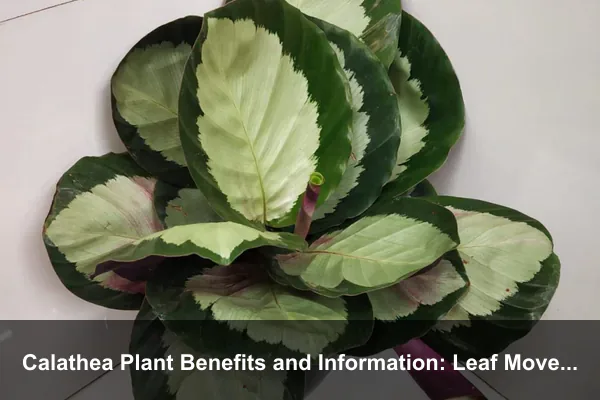
Calathea is one of the most expressive foliage plants you can grow indoors. Its painted leaves, evening leaf movement, and quick response to dry air make it more than a decorative houseplant; it is a living signal of indoor conditions. For plant lovers who enjoy observing details, Calathea offers daily changes that make a room feel more natural, calm, and connected to the rhythms of light and humidity.
This guide to Calathea plant benefits and information takes a different angle from a basic care overview. Instead of only asking whether Calathea is beautiful or easy to grow, we will look at how this plant helps you read your home environment, choose better placement, understand leaf behavior, and use patterned foliage in thoughtful interior styling. Calathea can be demanding, but its needs are understandable once you learn what the leaves are telling you.
What Makes Calathea Different From Ordinary Houseplants?
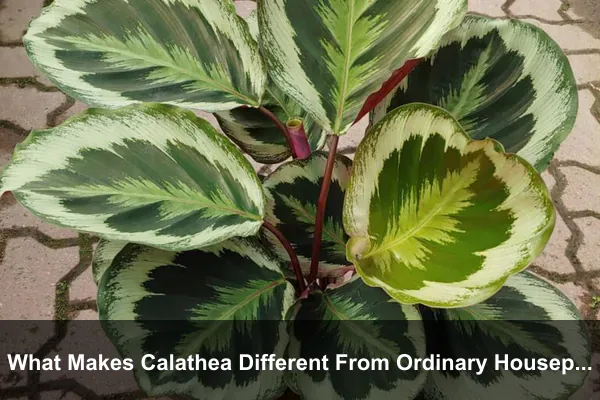
Calathea belongs to a group of tropical foliage plants loved for dramatic leaf patterns. Many varieties have contrasting stripes, brushstroke-like markings, deep green surfaces, purple undersides, or rounded leaves that look almost hand painted. Because of this, Calathea is often grown for visual texture rather than flowers.
One of the most distinctive facts about Calathea is its leaf movement. Many Calathea types raise and lower their leaves between day and night, a behavior often associated with “prayer plants.” This movement is called nyctinasty. It happens because specialized joints near the leaf base respond to changes in light and internal water pressure.
That movement gives Calathea a sense of life that static decor cannot copy. In the morning, the leaves may spread outward to catch gentle light. In the evening, they may lift more upright. This daily rhythm makes the plant especially appealing for desks, reading corners, bedrooms, and quiet indoor spaces where small natural changes are easy to notice.
Calathea Versus Similar Prayer Plants
People often use the names Calathea, prayer plant, Maranta, Ctenanthe, and Stromanthe interchangeably. They are related in appearance and care preferences, but they are not always the same plant. True Calathea plants are known for bold foliage, high humidity preferences, and sensitivity to water quality. Maranta plants are usually lower growing, while Stromanthe often has more colorful variegation.
For SEO and buying accuracy, the phrase Calathea plant benefits and information should include this distinction because many sellers label related plants loosely. When choosing a plant, look at the botanical label if possible, but care for most of these patterned tropical plants with similar principles: gentle light, consistent moisture, warm temperatures, and humidity.
Main Calathea Plant Benefits for Indoor Spaces
Calathea is not a medicinal herb or edible plant, so its benefits are mainly environmental, decorative, sensory, and emotional. In the context of Manfaat Tanaman, or plant benefits, Calathea is best understood as an ornamental plant that improves how indoor spaces feel and function.
1. It Brings Natural Movement Into the Room
Many houseplants look the same from morning to night, but Calathea visibly changes position. This subtle movement can make a home office, apartment, or bedroom feel more alive. It also encourages observation, which is one reason many people find plant care relaxing.
2. It Helps You Notice Humidity Problems
Calathea leaves react quickly to dry air. Curling edges, crispy tips, or dull leaf texture can be early signs that the room is too dry. In this way, Calathea functions like a visual humidity clue. It will not measure humidity like a hygrometer, but it often tells you when indoor air is uncomfortable for tropical plants.
3. It Adds Pattern Without Needing Flowers
Calathea is useful in interior design because its foliage already contains pattern, color contrast, and texture. You do not need blooms to create interest. A single healthy Calathea can soften plain furniture, brighten neutral walls, and add a natural focal point to a shelf or side table.
4. It Encourages Consistent Plant Care Habits
Because Calathea responds clearly to care mistakes, it teaches useful gardening habits. You learn to check soil moisture, avoid harsh sunlight, monitor room dryness, and use better water. For beginners who want to improve, Calathea can be a patient teacher as long as expectations are realistic.
5. It Fits Quiet, Close-View Spaces
Some plants make their biggest impact from across the room. Calathea is different. Its details are best enjoyed up close, making it ideal for small spaces, bedside tables, compact apartments, and work areas where leaf patterns can be appreciated daily.
Understanding Calathea Leaf Movement
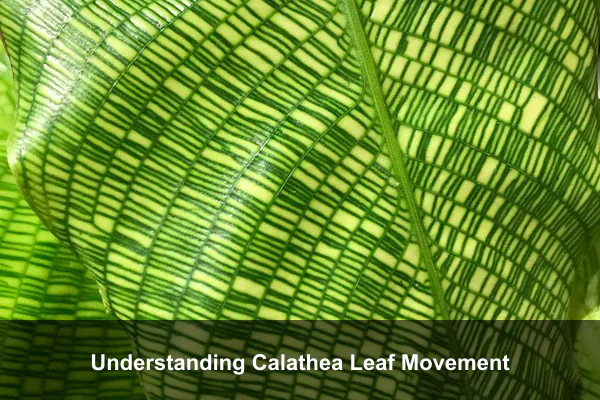
The leaf movement of Calathea is one of its most fascinating qualities. During the day, the plant typically opens its leaves to receive indirect light. At night, the leaves may lift or fold slightly. This is not a problem; it is part of the plant’s natural rhythm.
Leaf movement can vary by variety, light exposure, watering, and plant health. A Calathea in stable conditions may move predictably. A stressed plant may move less, curl more, or hold leaves at unusual angles. Observing movement over several days gives better information than judging the plant from one moment.
What Normal Movement Looks Like
- Leaves spread wider during brighter parts of the day.
- Leaves lift more upright in the evening or at night.
- Some leaves move more than others on the same plant.
- New leaves may unfurl slowly and appear lighter at first.
- Leaf positions may change after watering or relocation.
When Leaf Movement May Signal Stress
Calathea leaf movement becomes a concern when it comes with other symptoms. Leaves that remain tightly curled, develop brown edges, droop heavily, or lose color may be reacting to dry soil, low humidity, harsh light, cold drafts, or mineral-heavy water.
If the plant suddenly stops moving after being relocated, check whether the new position is too dark, too bright, too cold, or too close to an air conditioner. Calathea prefers stable indoor conditions and often dislikes sudden environmental changes.
Best Indoor Placement for Calathea
Placement is one of the most important parts of Calathea success. The plant needs enough light to keep its patterns strong, but direct sun can scorch the leaves. It also needs warmth and humidity, but not stagnant wet soil.
Light Requirements
Calathea grows best in bright, indirect light. Near an east-facing window, a few feet from a bright filtered window, or behind a sheer curtain is usually ideal. Direct afternoon sun can fade patterns and burn leaf edges.
If the room is too dark, the plant may grow slowly, lose contrast, or produce smaller leaves. If the room is too bright, the leaves may curl, bleach, or develop dry patches. The goal is soft brightness, not intense exposure.
Temperature and Draft Protection
Calathea prefers warm, steady temperatures. Avoid placing it beside cold windows, heating vents, air conditioners, or exterior doors that open frequently. Temperature swings can stress the leaves even when watering is correct.
Best Rooms for Calathea
- Bathroom: Good if it has natural light and warm humidity.
- Bedroom: Suitable when light is gentle and air is not too dry.
- Home office: Excellent for close-view leaf patterns and daily observation.
- Living room: Works well near filtered windows or grouped with other plants.
- Kitchen: Possible if the plant is away from heat, smoke, and direct sun.
Watering and Humidity: The Two Biggest Calathea Care Factors
Most Calathea problems come from watering and humidity. The plant likes evenly moist soil, but it does not like sitting in water. It likes humid air, but humidity should not be confused with soggy potting mix.
How to Water Calathea Correctly
Water when the top layer of soil begins to feel slightly dry, while the lower soil still holds some moisture. Do not let the entire pot become bone dry for long periods. At the same time, never leave the pot standing in a saucer full of water.
Use room-temperature water when possible. Cold water can shock tropical roots. Many growers prefer filtered, distilled, rain, or rested tap water because Calathea can be sensitive to chlorine, fluoride, and mineral buildup.
Simple Watering Routine
- Check the top 1 inch of soil with your finger.
- Water only if the surface feels slightly dry.
- Pour water evenly around the pot until excess drains out.
- Empty the saucer after drainage finishes.
- Adjust frequency based on season, light, pot size, and humidity.
Humidity Tips That Actually Help
Calathea often prefers humidity above average household levels. Instead of relying only on misting, use methods that create steadier moisture in the air. Misting can freshen leaves temporarily, but it usually does not raise room humidity for long.
- Group Calathea with other tropical houseplants.
- Use a small humidifier in dry rooms.
- Place the pot on a pebble tray without letting roots sit in water.
- Keep the plant away from heaters and air conditioners.
- Choose naturally humid rooms with adequate indirect light.
Soil, Potting, and Root Health
Calathea roots need moisture and oxygen at the same time. Heavy garden soil is not suitable indoors because it compacts easily and holds too much water. A good potting mix should stay lightly moist while draining well.
Best Soil Mix for Calathea
A balanced indoor mix for Calathea may include peat moss or coco coir for moisture retention, perlite or pumice for aeration, and fine bark for structure. The result should feel soft and airy, not dense or muddy.
A practical mix can be:
- 2 parts high-quality indoor potting mix
- 1 part perlite or pumice
- 1 part coco coir or fine orchid bark
Choosing the Right Pot
Always use a pot with drainage holes. Decorative cachepots are fine, but the inner nursery pot should be able to drain freely. Calathea does not need an oversized pot. A pot that is too large can keep soil wet for too long and increase the risk of root rot.
When to Repot
Repot Calathea when roots circle the pot heavily, water runs through too quickly, or growth has clearly slowed despite good care. Spring or early growing season is usually the best time. Move only one pot size larger to avoid excess wet soil.
Popular Calathea Types and Their Visual Appeal
There are many Calathea varieties, and each has a different design personality. Choosing the right type can help you match the plant to your interior style and care confidence.
Calathea Orbifolia
Calathea orbifolia has large, rounded leaves with soft silver-green stripes. It creates a calm, modern look and works well in minimalist rooms. Because of its broad leaves, it appreciates consistent humidity.
Calathea Medallion
Medallion Calathea has round leaves with bold markings and rich purple undersides. It is one of the most recognizable varieties and makes a strong visual accent on plant stands or side tables.
Calathea Lancifolia
Often called rattlesnake plant, this type has long, narrow leaves with dark markings. It has an energetic, graphic appearance and can feel less formal than round-leaf varieties.
Calathea Makoyana
Known as peacock plant, Calathea makoyana has delicate, feather-like patterns. It suits softer interiors and looks beautiful where its leaf details can be seen up close.
Calathea Roseopicta
This group includes varieties with pink, cream, or green painted markings. It is ideal for people who want foliage color without relying on flowers.
Common Calathea Problems and What They Mean
Calathea is often described as difficult, but most issues are messages from the plant. Reading those messages correctly helps you fix the cause instead of guessing.
Brown Leaf Tips
Brown tips usually come from low humidity, inconsistent watering, or mineral-heavy water. Trim damaged edges with clean scissors if needed, but focus on improving the environment so new growth appears healthier.
Curling Leaves
Curling leaves often mean the plant is thirsty, too dry, too hot, or exposed to harsh light. Check soil moisture first. If the soil is moist but leaves still curl, review humidity and light conditions.
Yellow Leaves
Yellowing can happen from overwatering, poor drainage, root stress, or natural aging of older leaves. If several leaves yellow at once and the soil smells sour, inspect the roots and reduce watering frequency.
Faded Patterns
Faded leaf patterns may indicate too much direct sun or too little light. Bright indirect light keeps patterns clearer. Move the plant gradually rather than making sudden changes.
Pests
Spider mites, fungus gnats, and mealybugs can appear on stressed plants. Check leaf undersides regularly. Clean leaves gently and treat early with appropriate houseplant-safe methods such as insecticidal soap or neem-based products used according to label directions.
How to Use Calathea in Interior Styling
Calathea is especially useful when you want a plant that acts like living artwork. Its patterns can echo textiles, wall colors, ceramic pots, or natural wood surfaces. Because the leaves are visually active, simple containers often work best.
Design Tips for Patterned Foliage
- Use plain ceramic pots to let the leaf pattern stand out.
- Place bold varieties near neutral walls for contrast.
- Pair Calathea with simpler green plants to avoid visual clutter.
- Use plant stands to lift the foliage closer to eye level.
- Choose rounded pots for Orbifolia and Medallion types, and taller pots for narrow-leaf varieties.
Small-Space Styling
In apartments or compact rooms, one Calathea can provide enough color and texture without taking over the space. Choose a medium plant for a side table or a smaller variety for a desk. Avoid crowded corners with poor airflow because dense foliage can stay damp too long.
Calathea Safety and Practical Home Considerations
Calathea is generally valued as a non-edible ornamental plant. It is commonly considered a pet-friendly houseplant compared with many toxic indoor plants, but it should still not be treated as food for pets or children. Chewing leaves can still cause mild stomach upset simply because plant material is not part of a pet’s normal diet.
For practical home use, place Calathea where it will not be brushed constantly. The leaves can tear or bruise if placed in narrow walkways. Also avoid dusty corners because dust can block light and make the plant look dull. Wipe leaves gently with a damp cloth when needed.
Beginner-Friendly Calathea Care Checklist
If you are new to Calathea, start with a simple routine. Consistency matters more than complicated care tricks.
- Place the plant in bright, indirect light.
- Keep soil evenly moist, not soggy.
- Use filtered, rain, distilled, or rested water if leaf tips brown easily.
- Maintain warm temperatures and avoid drafts.
- Increase humidity with a humidifier, pebble tray, or plant grouping.
- Use airy, well-draining potting mix.
- Check leaf undersides for pests every week.
- Rotate the pot occasionally for balanced growth.
- Remove damaged leaves to keep the plant tidy.
- Repot only when the plant is root-bound or soil quality declines.
Conclusion
Calathea is a rewarding houseplant for people who enjoy detail, movement, and patterned foliage. Its main benefits are not about food or medicine, but about beauty, observation, indoor atmosphere, and environmental awareness. The plant helps you notice humidity, light quality, watering rhythm, and room comfort in a very visual way.
When understood properly, Calathea plant benefits and information go far beyond basic decoration. This tropical plant can become a living indicator of your indoor microclimate, a natural design feature, and a daily reminder to slow down and observe small changes. Give it gentle light, consistent moisture, warm air, and steady humidity, and Calathea will reward you with some of the most expressive leaves in the houseplant world.
