
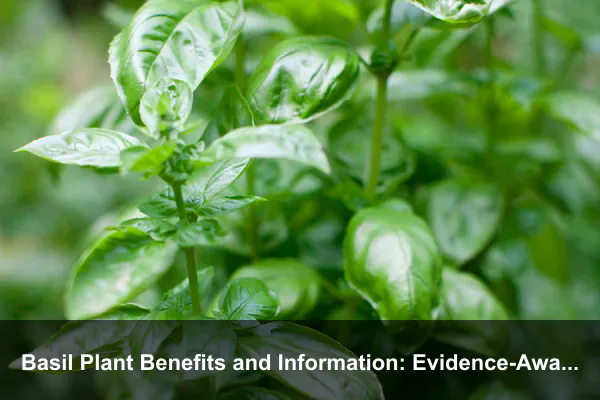
Basil is one of the most familiar herbs in home gardens, yet it is often treated as only a quick garnish. A better way to understand this plant is to look at how its leaves, aroma compounds, growth habit, and everyday uses work together. This guide to Basil plant benefits and information focuses on a fresh angle: the practical value of basil as an evidence-aware culinary herb, a botanical learning plant, and a useful part of a healthier daily food routine.
In the context of Manfaat Tanaman, basil deserves attention because it offers more than fragrance. It can help people use fresher ingredients, learn basic plant care, reduce dependence on heavily processed flavorings, and build a closer connection with edible greenery. At the same time, basil should be discussed realistically. It is not a miracle cure, but it is a nutrient-rich, aromatic herb with genuine value when grown, handled, and used properly.
What Makes Basil a Valuable Herbal Plant?
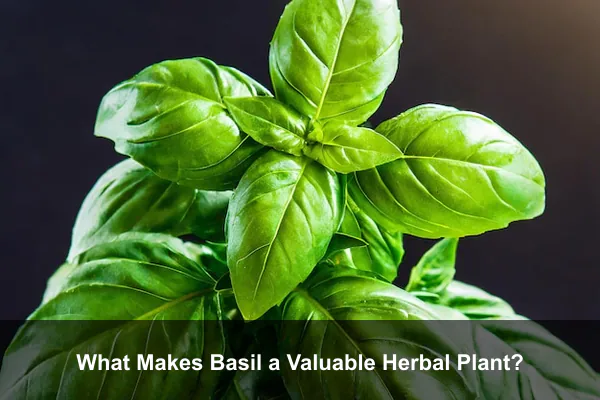
Basil, commonly known as Ocimum basilicum, belongs to the mint family, Lamiaceae. Like many members of this family, it has square stems, opposite leaves, and aromatic oils stored in tiny glands on the leaf surface. These oils are responsible for the sweet, peppery, clove-like, citrusy, or spicy notes that make basil so useful in cooking.
The main benefit of basil is not one single compound or one dramatic health claim. Its value comes from a combination of features: fresh flavor, edible leaves, fast growth, approachable care, and flexible use in meals. For beginners, basil is also a helpful plant because it responds quickly to light, watering, pruning, and temperature changes. That makes it easier to observe cause and effect in plant care.
Basic Basil Plant Information
- Botanical name: Ocimum basilicum
- Plant family: Lamiaceae, the mint family
- Common type: Warm-season annual herb in many climates
- Best use: Fresh culinary leaves, aromatic garden plant, pollinator-friendly flowers when allowed to bloom
- Preferred light: Bright sun, usually 6 or more hours outdoors
- Preferred soil: Loose, well-drained, fertile soil
- Harvest style: Frequent pinching above leaf nodes to encourage branching
This simple profile explains why basil is popular in kitchens and gardens. It grows quickly enough to reward regular attention, but it is also sensitive enough to teach growers about heat, water stress, and harvesting habits.
Basil Leaf Chemistry and Aroma Benefits
One of the most useful parts of any serious Basil plant benefits and information guide is understanding why basil smells and tastes the way it does. Basil leaves contain aromatic compounds that may include linalool, eugenol, methyl chavicol, cineole, and other natural plant chemicals. The exact profile depends on the variety, growing conditions, harvest timing, and freshness of the leaves.
These compounds do not mean basil should be treated like medicine. Instead, they explain why fresh basil can change the experience of food. A handful of leaves can make a simple meal taste brighter, more complex, and more satisfying without needing heavy sauces or excessive seasoning.
Why Fresh Basil Tastes Different From Dried Basil
Fresh basil has a green, lively aroma because its volatile oils are still present in the leaf tissue. When basil is dried, some of these delicate compounds fade or shift. Dried basil can still be useful in cooked dishes, but fresh basil is usually better for salads, finishing sauces, herbal drinks, and meals where aroma matters.
This is one reason growing basil at home is valuable. Even a small pot can provide leaves at the moment they are most fragrant. For people who cook often, this freshness is one of basil’s most practical benefits.
Aroma as a Cooking Tool
Basil’s aroma can guide better cooking decisions. Sweet basil pairs well with tomatoes, olive oil, beans, eggs, grains, poultry, fish, and fresh cheeses. Thai basil works beautifully with stir-fries, curries, and noodle dishes because it holds a stronger spicy note. Lemon basil brings a citrus-like brightness to soups, salads, and herbal infusions.
Using basil this way turns the plant into a natural flavor tool. Instead of thinking only about recipes, home cooks can learn to match basil’s aroma with the dish’s texture, acidity, and richness.
Nutritional Value and Everyday Food Benefits
Basil is usually eaten in small amounts, so it should not be oversold as a major source of calories, protein, or minerals. Still, it contributes useful micronutrients and plant compounds to meals. Fresh basil may provide vitamin K, small amounts of vitamin A precursors, manganese, and antioxidant plant chemicals. Its bigger role is helping people add more fresh, plant-based ingredients to everyday food.
That point matters. Many people improve their diet not through extreme changes, but through small habits repeated often. Keeping basil nearby can make a bowl of rice, soup, pasta, salad, eggs, or roasted vegetables feel more complete and appealing.
How Basil Supports Better Eating Habits
- It adds flavor without heaviness: Basil can make simple foods taste fresher without relying on rich sauces.
- It encourages fresh cooking: People are more likely to prepare quick meals when flavorful herbs are available.
- It pairs with vegetables: Basil makes tomatoes, cucumbers, peppers, zucchini, and leafy greens more enjoyable.
- It supports mindful seasoning: Fresh herbs help build flavor in layers rather than depending on only salt or sugar.
- It makes small portions feel satisfying: Aroma can increase the sense of freshness and fullness in a meal.
These benefits are practical, not exaggerated. Basil works best as part of an overall pattern of varied, balanced eating.
Evidence-Aware Wellness Uses of Basil

Basil has a long history in food traditions and herbal practices, but modern readers need careful language. It is reasonable to discuss basil as a flavorful herb with antioxidant compounds and traditional uses. It is not responsible to claim that basil cures diseases or replaces medical care.
In many homes, basil is used in warm drinks, soups, light meals, and fresh preparations because of its pleasant aroma and gentle flavor. Some people find herbal routines calming simply because they create a slower moment in the day. That benefit comes from the whole ritual: growing, picking, rinsing, preparing, smelling, and tasting the plant.
Basil and Digestive-Friendly Meals
Basil is often paired with foods that are already gentle and fresh, such as soups, vegetable dishes, rice bowls, and tomato-based meals. Its aroma can make lighter cooking feel less plain. For people trying to eat more home-prepared food, that is a meaningful advantage.
However, people with allergies, medical conditions, pregnancy-related concerns, or medication questions should treat concentrated basil products, extracts, and essential oils differently from normal food amounts. Culinary use is generally the most sensible and accessible way to enjoy basil.
Fresh Leaves Versus Essential Oil
Fresh basil leaves and basil essential oil are not the same thing. The leaves are food. Essential oil is a concentrated product and should not be used casually. This distinction is important for safe herbal education. A few leaves in a meal are very different from concentrated oil on the skin or in the body.
For most households, the best basil benefit comes from the simplest form: clean, fresh leaves used in everyday cooking.
Growing Basil for Stronger Leaves and Better Flavor
Good basil flavor begins before harvest. Light, soil, water, temperature, and pruning all affect leaf quality. A stressed basil plant may become tough, bitter, wilted, or quick to flower. A well-managed plant usually produces softer, greener, more aromatic leaves.
Light and Warmth
Basil prefers warmth and bright light. Outdoors, it usually grows best in a sunny place with protection from harsh wind. Indoors, basil needs the brightest window available or a suitable grow light. Weak light often produces stretched stems, pale leaves, and slow growth.
Because basil is sensitive to cold, it should not be planted outside too early in cool climates. Chilly nights can slow growth or damage leaves. Warm, stable conditions help the plant produce steady new shoots.
Soil and Water Balance
Basil likes soil that stays lightly moist but not waterlogged. Roots need oxygen as much as they need water. Heavy, soggy soil can weaken the plant and invite root problems. A good basil pot should have drainage holes, and garden soil should be loose enough that water does not sit around the roots.
A simple watering check is to touch the top layer of soil. If it feels dry at the surface and slightly moist below, the plant may be close to needing water. If it is still wet, wait. Basil often wilts dramatically when thirsty, but repeated severe wilting can reduce leaf quality.
Pruning for Bushier Growth
Harvesting basil properly is one of the easiest ways to improve the plant. Instead of taking single leaves randomly from the lower stem, pinch or cut just above a pair of leaves. This encourages side shoots and a fuller shape.
- Wait until the basil plant has several sets of true leaves.
- Find a pair of healthy leaves on the stem.
- Cut just above that pair using clean scissors or fingers.
- Allow the side shoots to grow before the next larger harvest.
- Remove flower buds if your goal is leaf production.
This method helps basil become more productive over time. It also teaches a basic gardening principle: harvesting can guide growth when done with the plant’s structure in mind.
Best Culinary Uses for Fresh Basil
Basil is famous in Italian cooking, but its usefulness is much wider. Different basil types appear in Mediterranean, Southeast Asian, and many home cooking traditions. The key is to add basil at the right time. Delicate fresh basil is often best near the end of cooking, while sturdier types can handle more heat.
Easy Ways to Use Basil Daily
- Add torn basil leaves to tomato and cucumber salads.
- Stir fresh basil into warm pasta after turning off the heat.
- Blend basil with olive oil, nuts, garlic, and cheese for pesto-style sauces.
- Use Thai basil in noodle bowls, curries, and stir-fries.
- Add lemon basil to cold drinks or fruit salads.
- Sprinkle basil over omelets, rice bowls, beans, or roasted vegetables.
- Use basil stems to gently flavor stocks, soups, or sauces, then remove them.
Fresh basil is best handled gently. Bruising can darken the leaves, and prolonged heat can flatten the aroma. Tearing leaves by hand or slicing with a sharp knife helps preserve their look and fragrance.
Pairing Basil With Other Ingredients
Basil works especially well with acidic, creamy, and earthy foods. Tomato is the classic partner because acidity lifts basil’s sweetness. Olive oil carries its aroma. Garlic adds depth. Lemon adds brightness. Beans and grains give basil a simple base where its fragrance can stand out.
For a more balanced plate, basil can be used with vegetables, proteins, and whole grains rather than only as a garnish for rich dishes. This makes the herb part of a practical food habit, not just decoration.
Basil as a Learning Plant for Beginners
Another unique benefit of basil is educational. It is one of the best herbs for learning plant observation because changes appear quickly. A basil plant can show signs of too little light, inconsistent watering, nutrient stress, heat stress, pests, or flowering within a short period.
What Basil Teaches New Gardeners
- Light awareness: Stretchy stems often point to insufficient brightness.
- Water timing: Wilting leaves teach the difference between dry soil and root stress.
- Pruning logic: New side shoots show how cutting above nodes changes growth.
- Seasonal timing: Flowering shows how warmth, maturity, and stress affect plant priorities.
- Harvest responsibility: Taking too much at once can slow recovery.
Because basil grows quickly from seed or starter plants, it gives feedback faster than many ornamental plants. That makes it useful for children, beginner gardeners, balcony growers, and anyone building confidence with edible plants.
Common Basil Problems and What They Mean
Healthy basil is usually upright, fragrant, and bright green. When something is wrong, the plant often gives visible clues. Reading these clues helps prevent waste and improves long-term care.
Yellow Leaves
Yellowing can come from overwatering, poor drainage, nutrient shortage, or aging lower leaves. If the soil is constantly wet, drainage is the first thing to fix. If the plant is actively growing in a small pot, it may need better soil or gentle feeding.
Leggy Growth
Long, weak stems usually mean the plant needs more light or more frequent pruning. Move the plant to a brighter position and begin cutting above leaf pairs to encourage branching.
Flowering Too Early
Basil flowers when it matures or experiences stress. Flowers are not bad, and pollinators may enjoy them outdoors. However, if you want tender leaves, pinch off flower buds early and harvest regularly.
Black or Brown Spots
Dark spots may result from cold damage, water sitting on leaves, disease, or rough handling. Improve airflow, avoid overhead watering late in the day, and remove badly affected leaves. Do not use spoiled leaves in food.
Safe Harvesting and Fresh Handling
Basil is edible, but clean handling still matters. Any fresh herb can carry soil, insects, dust, or microbes from the growing environment. Wash leaves gently under clean running water and dry them before use. Wet basil bruises and spoils faster, so drying is especially important if the leaves will be stored.
Simple Fresh Storage Tips
- Keep short basil stems in a glass of water at room temperature for short-term use.
- Cover loosely if the air is dry, but avoid trapping too much moisture.
- Do not crush leaves before storing.
- Use refrigerated storage carefully, because basil can darken in cold conditions.
- Freeze chopped basil with a little oil or water for cooked dishes later.
These habits protect the plant’s flavor and reduce kitchen waste. The best basil is often the basil used soon after harvest.
Choosing the Right Basil for Your Needs
Different basil types offer different benefits. Choosing the right one depends on your cooking style, space, climate, and flavor preference.
Popular Basil Types
- Sweet basil: The classic choice for pesto, pasta, salads, and general kitchen use.
- Genovese basil: A sweet basil type valued for large, aromatic leaves.
- Thai basil: Spicier, more anise-like, and useful in Southeast Asian dishes.
- Lemon basil: Bright citrus aroma for drinks, seafood, salads, and light soups.
- Purple basil: Decorative color with culinary use, often stronger or slightly spicier in flavor.
- Holy basil: A related plant with cultural and herbal significance, usually discussed separately from common culinary basil.
For a beginner, sweet basil is usually the easiest starting point. For cooks who prepare many Asian-inspired dishes, Thai basil may be more useful. For small gardens where beauty matters, purple basil can add color while still being edible.
Environmental and Home Garden Benefits
Basil can support a more resource-aware home routine. A small basil plant may reduce the need for packaged herbs, encourage home cooking, and make small garden spaces more productive. When allowed to flower outdoors, basil can also attract bees and other beneficial insects.
In balconies, patios, and kitchen gardens, basil works well as part of a mixed edible planting. It does not require a large yard. A sunny container, good drainage, and regular harvesting are often enough for useful growth.
Low-Waste Basil Habits
- Harvest only what you need for the next meal.
- Use tender stems in sauces or stocks when appropriate.
- Freeze extra leaves before they spoil.
- Compost unusable plant material if you have a compost system.
- Let one healthy plant flower if you want to observe pollinators or collect seeds.
These habits connect basil to the broader idea of plant benefits: useful greenery can improve food routines, reduce waste, and make everyday spaces feel more alive.
Conclusion
Basil is valuable because it is practical, aromatic, edible, and easy to observe. A complete view of Basil plant benefits and information should include its leaf chemistry, culinary role, nutritional contribution, safe use, and gardening lessons. The plant offers real benefits when used honestly: fresher meals, better flavor, beginner-friendly plant learning, and a closer relationship with home-grown herbs.
For the best results, grow basil in bright light, keep the soil evenly moist but well drained, harvest above leaf nodes, and use the leaves while they are fresh. Treated this way, basil becomes more than a kitchen extra. It becomes a small but meaningful herbal plant that supports healthier routines, practical gardening skills, and flavorful everyday cooking.
