
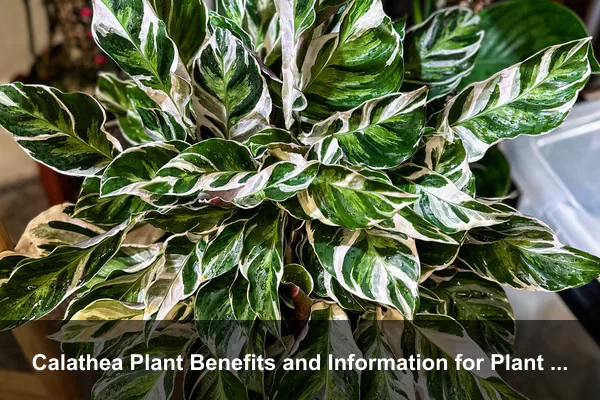
Calathea plant benefits and information are often discussed in simple terms: attractive leaves, indoor beauty, and gentle care. A more useful angle for serious houseplant owners is how Calathea works inside controlled humidity displays, plant cabinets, glass cases, and carefully arranged indoor microclimates. In those settings, this patterned foliage plant becomes more than decoration. It becomes a living indicator of moisture, airflow, light balance, and daily care habits.
Calathea, still widely sold under that name even though many species have been reclassified into the genus Goeppertia, belongs to the Marantaceae family. Many people know it as part of the prayer plant group because its leaves may shift position between day and night. For readers interested in manfaat tanaman, or practical plant value, Calathea offers a strong example of how an ornamental houseplant can improve a room without promising unrealistic medical results. Its real benefits come from visual comfort, low-mess greenery, humidity awareness, and the pleasure of maintaining a small indoor ecosystem.
Why Calathea Fits Controlled Humidity Displays
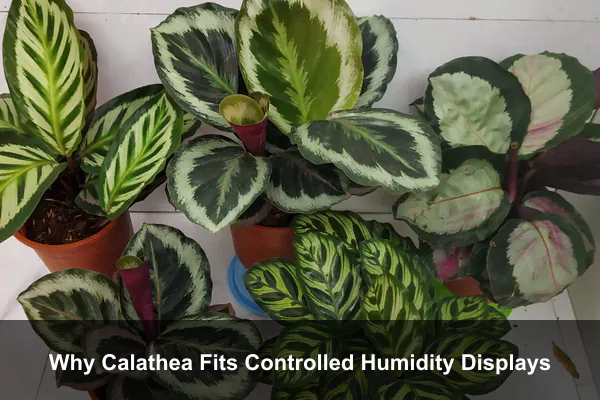
Calathea is naturally associated with warm, shaded, humid forest conditions. Indoors, that background matters because the plant often struggles in dry air, harsh sunlight, and inconsistent watering. A plant cabinet or enclosed display can solve several of those problems at once by creating a steadier environment than an open shelf or windowsill.
This does not mean Calathea must be sealed in a glass box. In fact, fully closed containers can become too wet, stale, and risky for fungal problems. The best controlled humidity display gives the plant bright indirect light, gentle airflow, moderate warmth, and consistently moist but not soggy roots. When those conditions are balanced, Calathea leaves tend to look cleaner, fuller, and less stressed.
A Plant That Rewards Environmental Control
Some houseplants tolerate neglect so well that they teach very little about indoor growing conditions. Calathea is different. It reacts clearly when the air is too dry, the water is too mineral-heavy, or the light is too sharp. Leaf edges may crisp, leaves may curl, and color contrast may fade. In a plant cabinet, those signals become easier to read because the environment is more controlled.
This makes Calathea useful for plant owners who want to move beyond basic watering reminders. Instead of asking only whether the plant needs water, you learn to ask better questions: Is the humidity stable? Is air moving gently? Is the light bright but filtered? Is the potting mix staying evenly moist without staying wet for too long?
Best Indoor Locations for This Approach
A controlled Calathea display can work in several home settings, especially where open-room air is too dry. Good locations include a glass-front plant cabinet, a wide tabletop cloche with ventilation, a small greenhouse shelf, or a bright corner with a humidifier and grouped plants. The goal is not to create a jungle for style alone. The goal is to create a stable pocket of conditions where the plant can thrive with fewer dramatic swings.
Realistic Calathea Plant Benefits
The strongest Calathea plant benefits and information come from realistic expectations. Calathea is not a cure for poor indoor air, stress, allergies, or sleep problems. It is an ornamental plant with practical indoor value when used thoughtfully. Its benefits are subtle but meaningful, especially for people who enjoy caring for living decor.
- Visual richness without flowers: Calathea offers bold patterns, stripes, feathered markings, and color contrast even when it is not blooming.
- Humidity awareness: The plant helps owners notice dry indoor air, inconsistent watering, and harsh environmental changes.
- Low-mess display value: Healthy Calathea plants do not drop large amounts of petals, pollen, or fruit indoors.
- Compact greenery: Many varieties fit shelves, cabinets, desks, and small plant corners without becoming woody indoor trees.
- Care habit building: Because Calathea responds to routine, it encourages observation, patience, and better plant care timing.
These benefits fit the practical spirit of the plant-benefits niche. The value is not exaggerated wellness language. It is the everyday usefulness of a beautiful plant that encourages better indoor conditions and more attentive home care.
Visual Comfort and Patterned Foliage
Calathea leaves can bring color and structure to a room without relying on bright flowers. This is especially valuable in indoor spaces where flowering plants may need stronger light than the room can provide. Varieties with green, silver, cream, burgundy, or purple undersides can soften hard furniture lines and add visual interest to neutral interiors.
In a cabinet display, patterned leaves also create depth. Taller leaves can sit toward the back, compact plants can fill the front, and trailing companion plants can soften the edges. Calathea works best as the patterned focal point rather than being crowded by too many equally bold plants.
Low-Pollen Indoor Appeal
Calathea is mainly grown for foliage, not for showy flowers. For many indoor plant owners, that is an advantage because the plant gives beauty without relying on fragrance, pollen-heavy blooms, or seasonal flower cycles. It still needs responsible placement and cleaning, but it can be a good choice for people who prefer greenery that feels calm and visually detailed.
Choosing Calathea Varieties for Cabinets and Terrariums
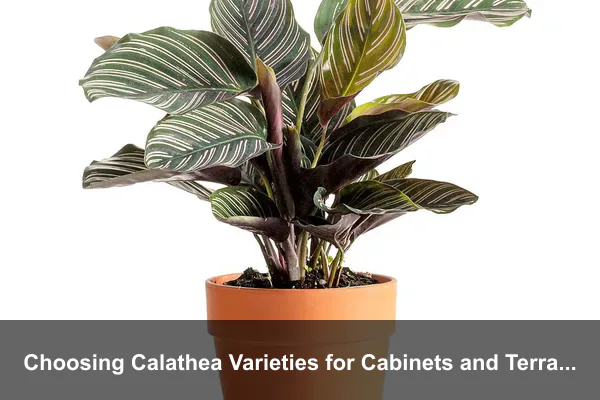
Not every Calathea is equally practical for an enclosed or semi-enclosed display. Some grow too large, some need more space for broad leaves, and some become difficult to manage if the cabinet is shallow. When choosing a plant, match the variety to the size of the display, the expected humidity, and the amount of airflow you can provide.
Compact Choices for Small Displays
For smaller cabinets or tabletop humidity displays, compact types are usually easier to manage. Look for varieties sold as small or medium growers, and check mature size rather than buying only by leaf pattern. A young Calathea may look tiny in a nursery pot but can spread wider once it is comfortable.
Compact options are useful because they allow space between leaves and glass. That space matters. Leaves pressed against wet glass can develop marks, stay damp too long, or become more vulnerable to fungal issues. In a good display, the plant should have room to move slightly and grow naturally.
Larger Calathea for Statement Cabinets
Larger Calathea varieties can be excellent in a tall plant cabinet with open shelf height. They create a strong focal point and show off leaf shape beautifully. However, they need more airflow and more careful spacing. A large plant in a cramped humid cabinet can block air movement around smaller plants and create wet pockets in the display.
If you want a larger Calathea, give it a dedicated shelf or a position near gentle airflow. Avoid packing the cabinet so densely that leaves cannot dry after mist, watering, or natural condensation. A display should look full, but plant health comes before a crowded arrangement.
Checking Plants Before Buying
A healthy Calathea should have firm leaves, clean stems, and no sticky residue, webbing, or clusters of pests on the undersides. A few older leaves with minor edge browning are not unusual, but widespread yellowing, mushy stems, or a sour smell from the soil are warning signs. Because plant cabinets can spread pest problems quickly, inspect every new plant before adding it to a shared display.
- Look under leaves for mites, scale, or small insects.
- Check the soil surface for fungus, sour odor, or excessive compactness.
- Choose a plant with several healthy growing points, not just one perfect leaf.
- Keep new plants separate for observation before placing them near the main collection.
Building the Right Microclimate
A Calathea plant cabinet should feel stable, not swampy. The main environmental factors are light, humidity, airflow, and temperature. When these are balanced, watering becomes easier and leaf problems are less common.
Light: Bright but Filtered
Calathea usually prefers bright indirect light. In a cabinet, this often means using an LED grow light at a suitable distance rather than placing the plant in direct sun. Direct sunlight through glass can heat quickly and scorch leaves. If using artificial light, start moderately and observe the plant. Leaves that fade, bleach, or curl away from the light may be receiving too much intensity.
Good light helps maintain leaf color and steady growth. Too little light can slow the plant, keep soil wet for too long, and make the display feel stagnant. The best setup gives enough light for active growth while preserving the soft, shaded conditions Calathea naturally prefers.
Humidity: Helpful but Not Everything
Humidity is important, but it is not a complete care plan. Many Calathea plants appreciate humidity around the moderate to high indoor range, but roots still need oxygen and leaves still need airflow. A cabinet that is humid but airless may cause more trouble than an open shelf with a small humidifier.
Use a hygrometer to track conditions rather than guessing. If humidity stays extremely high all day and night, open the cabinet periodically or add gentle airflow. If humidity drops sharply when the cabinet door opens, group plants and use trays or a small humidifier outside the cabinet to reduce sudden changes.
Airflow: The Overlooked Detail
Airflow is one of the most important parts of controlled Calathea care. In nature, humid forest air still moves. Indoors, a closed display can become still and damp. A small fan on a low setting can help, as long as it does not blast leaves directly or dry the plant too quickly.
Good airflow reduces the chance of lingering moisture on leaves and helps the potting mix dry at a healthy pace. It also keeps the cabinet environment more even from top to bottom. The goal is gentle circulation, not wind.
Soil, Pots, and Watering for Cabinet-Grown Calathea
Calathea care often fails at the root level. The leaves may show the symptoms, but the real issue is frequently poor drainage, compact soil, mineral-heavy water, or inconsistent moisture. In a controlled humidity display, the potting setup matters even more because evaporation is slower.
A Balanced Potting Mix
A good Calathea mix should hold moisture while still allowing oxygen around the roots. Heavy garden soil is not appropriate for indoor containers. Many growers use a blend that includes high-quality potting mix, fine bark, perlite, pumice, coco coir, or similar materials. The exact recipe can vary, but the texture should not become dense and muddy after watering.
If the cabinet is very humid, lean slightly toward better aeration. If the room is dry and the plant is outside a cabinet, a more moisture-retentive mix may be useful. Always match the potting medium to the environment instead of copying a recipe without context.
Containers That Prevent Root Stress
Use pots with drainage holes. Decorative cachepots are fine if the nursery pot can be removed for watering and draining. A sealed pot inside a humid display can quickly create root rot conditions. Calathea roots like even moisture, but they do not want to sit in stagnant water.
Clear inner pots can be helpful for careful growers because they make moisture and root development easier to observe. However, they are not required. The more important point is that the pot size matches the root system. Oversized pots hold too much wet soil around small roots.
Water Quality and Rhythm
Calathea can be sensitive to mineral buildup, chlorine, fluoride, or very hard water in some homes. If leaf tips brown repeatedly despite good humidity and proper watering, water quality may be part of the issue. Filtered water, rainwater where safe and clean, or water allowed to sit before use may help depending on local conditions.
Water when the upper layer of the mix begins to feel slightly dry but before the entire root ball becomes bone dry. In a humid cabinet, this may be less frequent than on an open shelf. Do not water on a fixed calendar without checking the pot. A simple routine works best: observe the leaves, feel the mix, check pot weight, then water thoroughly and drain completely.
Maintenance and Troubleshooting
Calathea is not the easiest houseplant, but it becomes manageable when problems are read early. Most issues are linked to moisture imbalance, light stress, pest pressure, or sudden environmental changes. A plant cabinet can reduce some stress, yet it can also intensify mistakes if conditions are not monitored.
Crispy Leaf Edges
Crispy edges often point to dry air, inconsistent watering, mineral buildup, or past stress. Trim only the brown dead portions if needed, using clean scissors. More importantly, correct the cause. Check humidity, review watering rhythm, and consider water quality. Do not expect damaged edges to turn green again; focus on healthier new growth.
Yellow Leaves
Yellowing can come from overwatering, poor drainage, low light, natural aging, or root stress. One yellow older leaf is not a disaster. Several yellow leaves at once deserve attention. Check whether the potting mix smells sour, whether the pot is staying wet too long, and whether the cabinet has enough airflow and light.
Pests in a Shared Display
Spider mites and other pests can become a serious problem in collections. Calathea leaves should be checked regularly, especially the undersides and the points where leaves meet stems. Wipe leaves gently with a damp cloth and isolate any plant showing pest signs. Avoid adding new purchases directly to a cabinet with established plants.
Designing a Calathea Display That Stays Healthy
A beautiful Calathea display should be arranged for plant health first and style second. Fortunately, those goals often support each other. Plants with enough space, clean leaves, and balanced height usually look better than overcrowded displays.
Layering Without Crowding
Use Calathea as a focal foliage plant, then add simpler companion plants with compatible humidity needs. Avoid placing too many large patterned plants side by side, because the display can become visually busy and physically cramped. Leave space for air to move around each pot.
- Place taller Calathea plants toward the back or side of a cabinet.
- Keep smaller plants forward where they can be inspected easily.
- Use risers only if they are stable and do not block airflow.
- Leave a small gap between leaves and glass panels.
- Clean shelves regularly so humidity does not turn dust into grime.
Pairing With Tools
A hygrometer, small fan, watering can with a narrow spout, and clean pruning scissors are practical tools for this setup. A grow light timer can make care more consistent. These tools do not need to be expensive or complicated. The best tools are the ones that help you observe conditions and respond before stress becomes severe.
Safety, Sustainability, and Long-Term Value
Calathea is commonly chosen for pet-aware homes because it is not known for the same irritating calcium oxalate issue associated with some other popular aroids. Still, it is not food. Pets and children should be discouraged from chewing any houseplant, and dropped leaves or spilled potting mix should be cleaned promptly.
For sustainability, avoid buying more plants than your space can support. A small, healthy Calathea display is better than a crowded collection that needs constant replacement. Choose sturdy plants, reuse cachepots, refresh potting mix responsibly, and propagate only when the plant is healthy enough to divide. The long-term benefit comes from keeping plants alive well, not from repeatedly buying new ones after preventable decline.
When Calathea Is Not the Right Plant
Calathea may not be ideal if your home is extremely dry, you travel often, or you prefer plants that tolerate missed watering without visible stress. It is also not the best choice for direct sun windows or sealed terrariums with no airflow. In those cases, a tougher houseplant may be more practical. Choosing the right plant is part of responsible indoor gardening.
Conclusion
Calathea plant benefits and information are most useful when they move beyond general claims and focus on how the plant actually behaves indoors. In plant cabinets, terrariums with ventilation, and controlled humidity displays, Calathea can offer striking patterned foliage, low-mess ornamental value, and clear feedback about indoor growing conditions.
The key is balance. Calathea likes moisture, but not stagnant roots. It appreciates humidity, but still needs airflow. It enjoys bright conditions, but not harsh direct sun. When those needs are understood, this plant becomes a rewarding choice for people who want beautiful greenery and a more observant indoor care routine. For a home focused on practical plant benefits, Calathea is valuable not because it promises miracles, but because it turns daily care into a visible, living relationship with the indoor environment.
