
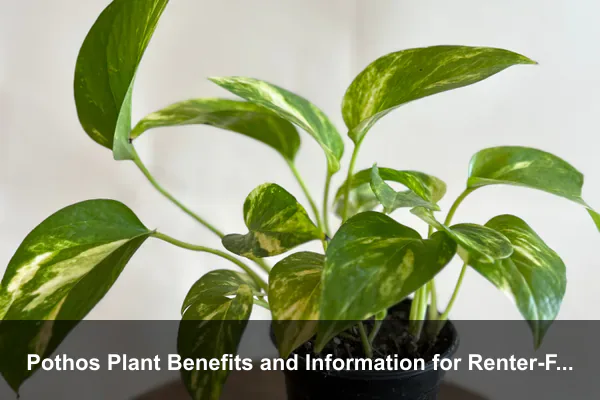
Pothos plant benefits and information are often discussed in broad terms, but one of the most useful ways to understand this plant is through the reality of modern indoor living. Many people grow plants in rented apartments, shared houses, dorm rooms, small studios, office corners, and spaces where drilling walls, changing fixtures, or buying expensive decor is not practical. In that setting, pothos stands out because it offers flexible greenery without demanding a perfect home environment.
Known botanically as Epipremnum aureum, pothos is a vining tropical houseplant valued for its heart-shaped leaves, adaptable growth, and forgiving care needs. Its benefits are not magic, and it should not be treated as a medical solution or instant air purifier. Its real value is more practical: pothos can soften a hard room, bring nature into low-light corners, help beginners build plant-care confidence, and create a greener home without permanent renovation.
Why Pothos Works for Renter-Friendly Indoor Greenery
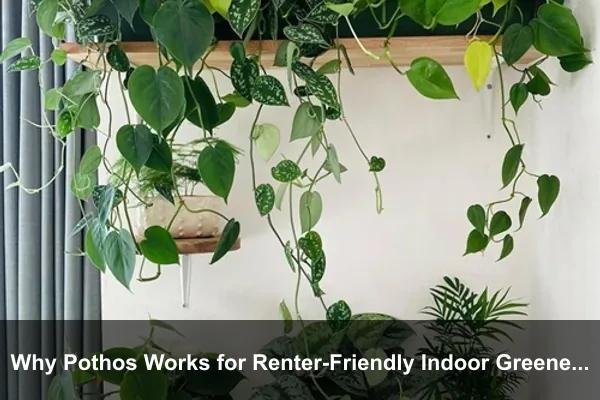
The strongest benefit of pothos for renters is flexibility. It can sit on a bookshelf, trail from a cabinet, climb a freestanding support, or grow from a compact pot on a desk. Unlike heavy indoor trees or delicate flowering plants, pothos can adapt to many layouts and can be moved when furniture changes. This makes it especially helpful for people who want the benefits of indoor plants without committing to a complicated design plan.
In the wider idea of Manfaat Tanaman, or plant benefits, pothos fits as a practical ornamental plant that supports comfort, routine, and visual freshness. It is not only about beauty. A healthy pothos can make a plain corner feel cared for, remind you to pause during a busy day, and help create a calmer atmosphere through natural texture and color.
A Portable Plant for Changing Homes
Rented homes change. Leases end, roommates move, desks shift, and sunlight can vary from one room to another. Pothos handles this kind of change better than many houseplants because it does not need constant direct sun, large containers, or a fixed installation. A medium plant can move from a bedroom shelf to a living room stand with little stress if the light level remains reasonably bright and indirect.
Realistic Wellness Value
Pothos is often described as a wellness plant, but the most honest benefit is environmental and behavioral rather than clinical. Indoor greenery can make a space feel more pleasant, and caring for a plant can become a simple grounding habit. Watering, dusting leaves, and checking new growth are small actions that help people notice their living environment. That kind of routine is a real benefit, especially in screen-heavy homes.
Key Pothos Plant Information Before You Buy
Before buying pothos, it helps to know what the plant is and what it is not. Pothos is a tropical aroid with vining stems and aerial roots. Indoors, it is usually grown for foliage rather than flowers. It is popular because it grows well in containers, tolerates missed waterings better than many plants, and can stay attractive in average household conditions.
Botanical Identity and Growth Habit
Pothos is commonly sold as golden pothos, devil’s ivy, money plant, or simply pothos. The plant naturally wants to climb or trail. In indoor settings, the vines can be guided over shelves, allowed to hang, or attached gently to a support. Young indoor leaves usually remain moderate in size, while plants grown in warm, humid, climbing conditions may develop larger leaves over time.
Common Types Without Overcomplicating the Choice
Beginners do not need to chase rare forms. Golden pothos is usually the easiest and most available choice, with green leaves marked by yellow variegation. Jade pothos has solid green leaves and may cope better with dimmer rooms. Marble Queen and other highly variegated forms can be beautiful but usually need brighter indirect light to keep their pattern. Neon pothos adds a bright chartreuse tone, which can lift a neutral room without flowers.
Safety Information for Homes With Pets and Children
Pothos contains insoluble calcium oxalate crystals, which can irritate the mouth, lips, tongue, and digestive tract if chewed. This does not mean every home must avoid pothos, but it does mean placement matters. Keep it away from cats, dogs, toddlers, and any person who may handle plants unsafely. In shared homes, everyone should know that pothos is decorative and not edible.
Practical Benefits for Small Apartments and Shared Homes
The best pothos plant benefits and information are tied to how people actually live. A plant that requires a sunny garden, a heavy ceramic pot, or daily attention may not be realistic for a small rental. Pothos succeeds because it gives visible greenery with modest space, cost, and maintenance requirements.
Low-Light Tolerance With Honest Limits
Pothos is often called a low-light plant, but low light does not mean no light. It can survive in lower indoor light better than many houseplants, yet it grows best in bright, indirect light. In a dim corner, growth may slow, vines may become thinner, and variegation may fade. For best results, place the plant where you can comfortably read during the day without turning on a lamp.
Budget-Friendly Decor Value
A single pothos can visually fill space over time. Its trailing stems create movement and softness, so even a simple pot can look generous as the plant matures. This makes pothos useful for renters who want a warmer home without buying many decorative objects. It can also reduce the urge to replace decor frequently because living plants change naturally as they grow.
Soft Boundaries Without Construction
In open studios or shared rooms, pothos can help mark zones gently. A plant on a tall stand can soften the edge between a bed and a desk. A trailing vine on a bookshelf can make a storage area feel more intentional. This is not the same as building a wall, but it can create a subtle visual boundary without tools, nails, or permanent changes.
Damage-Free Placement Ideas for Pothos
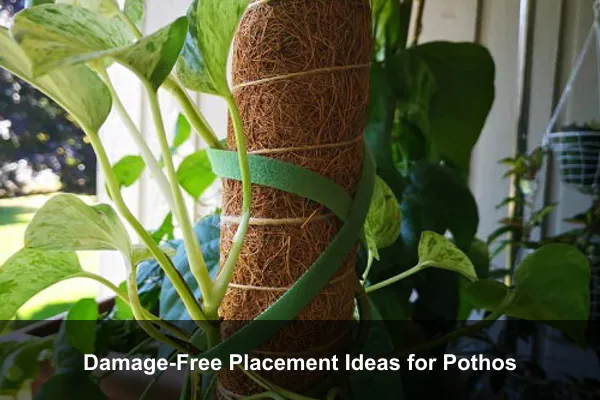
Renter-friendly plant design depends on placement. The goal is to enjoy the plant without damaging paint, shelves, ceilings, or flooring. Pothos is well suited to this because it can look good in many non-permanent displays.
Shelves, Bookcases, and Cabinet Tops
A shelf is one of the safest places to grow pothos. The pot stays stable, the vines can trail naturally, and the plant is easy to inspect. Use a waterproof saucer or cachepot to protect furniture. If the plant sits on a high cabinet, check it often enough that watering does not become guesswork. High placement is attractive, but forgotten plants dry unevenly.
Freestanding Supports
If you want vertical growth without attaching vines to a wall, use a freestanding moss pole, bamboo tripod, small plant ladder, or metal trellis placed inside the pot. This gives the pothos something to follow while keeping the display movable. Avoid taping vines directly to painted walls, especially in humid rooms, because adhesive can pull paint or trap moisture.
Hanging Displays Without Permanent Damage
Hanging pothos can be beautiful, but renters should be cautious with ceiling hooks. If drilling is not allowed, consider a freestanding garment rack, tension pole designed for plants, over-door hanger, or sturdy plant stand. Always check weight limits. A wet pot is much heavier than a dry one, and a falling plant can damage floors or hurt someone.
Simple Placement Checklist
- Use trays: Protect wood, laminate, and painted surfaces from water rings.
- Avoid blocked vents: Hot or cold air can stress leaves and dry soil quickly.
- Leave walking clearance: Long vines should not catch on chairs, doors, or bags.
- Keep access easy: A plant that is difficult to reach is more likely to be neglected.
- Protect walls: Guide vines on supports rather than letting them attach to paint.
Simple Care Routine for Healthy Renter-Friendly Pothos
Pothos care is simple, but simple does not mean careless. A steady routine keeps the plant attractive and prevents the common problems that make renters worry about mess, pests, or damaged surfaces.
Light Requirements
Bright, indirect light is ideal. A few feet from an east-facing or north-facing window often works well. Near a bright south or west window, filter harsh sun with a curtain or move the plant back from the glass. Direct midday sun can scorch leaves, especially pale variegated leaves. In very low light, rotate the pot every few weeks so growth does not lean heavily in one direction.
Watering Rhythm
Water when the top few centimeters of soil feel dry. For many indoor homes, this may be weekly in warm bright rooms and less often in cool dim rooms. Do not water only because a calendar says so. Lift the pot, feel the soil, and notice the plant. Overwatering is more dangerous than slight underwatering because soggy soil can suffocate roots.
Soil and Potting
Use a light, well-draining houseplant mix. A pot with drainage holes is best because it allows excess water to leave the root zone. If you use a decorative outer pot without holes, keep the nursery pot inside it and empty extra water after watering. This one habit prevents many root problems and protects floors and furniture.
Temperature and Humidity
Pothos prefers normal indoor warmth. Keep it away from cold drafts, heating vents, and air conditioners blowing directly onto the leaves. It can tolerate average home humidity, but very dry air may cause brown tips. A bathroom or kitchen with moderate indirect light can work well, as long as the pot does not stay constantly wet.
Feeding Without Overdoing It
During active growth, feed lightly with a balanced houseplant fertilizer according to the label. More fertilizer does not mean faster healthy growth. In low-light spaces, the plant uses nutrients slowly, so heavy feeding can lead to salt buildup in the soil. If in doubt, use less and refresh the soil when the plant clearly needs repotting.
Common Problems and Gentle Fixes
A major benefit of pothos is that it often gives early warning before a problem becomes serious. The plant is forgiving, and many issues can be corrected by adjusting light, water, or placement.
Yellow Leaves
One occasional yellow leaf is normal, especially on older growth. Many yellow leaves at once may point to overwatering, poor drainage, or a sudden change in conditions. Check whether the soil is staying wet for many days. If it is, reduce watering, improve drainage, and make sure the pot is not sitting in standing water.
Brown Tips or Crispy Edges
Brown tips can come from dry air, inconsistent watering, fertilizer buildup, or heat from vents. Trim damaged edges if they bother you, but focus on the cause. Move the plant away from harsh airflow, water thoroughly when the soil is ready, and avoid frequent small sips that only wet the surface.
Limp Vines
Limp vines usually mean the plant is too dry, too wet, or exposed to temperature stress. Feel the soil before reacting. If it is bone dry, water thoroughly and let extra water drain. If it is soggy, pause watering and check root health. A plant that wilts in wet soil may already have root damage.
Leggy Growth
Long gaps between leaves usually mean the plant wants more light. Move it closer to a bright window with indirect light. You can also trim overly long vines to keep the plant balanced, but avoid heavy pruning as the only solution if the light is too weak. Better light supports fuller growth over time.
Pest Watch
Pothos can attract common houseplant pests such as mealybugs, scale, spider mites, or fungus gnats. Inspect the undersides of leaves, stem joints, and soil surface. Isolate new plants for a short period before placing them near an existing collection. Early action is easier than treating a large indoor pest problem.
Responsible Ownership in Shared Spaces
Pothos is easy to own, but shared homes require shared responsibility. A plant can become a problem if it blocks light, drips on furniture, attracts pests, or sits within reach of a pet. Responsible placement protects both the plant and the people around it.
Pet-Aware Placement
If cats or dogs live in the home, place pothos where they cannot chew the leaves or pull down trailing vines. High shelves are not always safe for cats, so choose enclosed rooms, plant cabinets, or hanging systems that pets cannot access. If a pet chews pothos and shows drooling, vomiting, pawing at the mouth, or distress, contact a veterinarian.
Housemate Care Agreements
In shared homes, decide who waters the plant. Multiple people watering a pothos can cause overwatering quickly. A simple label or shared note can prevent confusion. If the plant is in a common area, keep vines tidy and make sure watering does not leave puddles.
Respecting Allergies and Sensitivities
Pothos is grown for foliage and is not known for strong fragrance, which can make it easier to live with than scented plants. Still, soil moisture and dust matter. Wipe leaves occasionally, remove fallen leaves, and avoid keeping the pot constantly wet. Clean plant care is part of healthy indoor living.
Buying, Moving, and Long-Term Value
A good pothos purchase can last for years. The best plant is not always the largest one in the shop. A smaller, healthy plant in good soil may adapt better than an oversized pot with stressed roots.
How to Choose a Healthy Pothos
Look for firm leaves, flexible stems, and soil that is slightly moist but not sour-smelling. Avoid plants with mushy stems, many yellow leaves, webbing, sticky residue, or insects. Check the bottom of the pot for roots. Some roots are normal, but a dense mat of roots may mean the plant will need repotting soon.
First Week at Home
Give the plant time to adjust. Place it in bright indirect light, keep it away from extreme temperatures, and avoid fertilizing immediately. Check soil moisture before watering. Some leaf drop or minor yellowing can happen after a move, especially if the plant came from a bright greenhouse to a dim apartment.
Moving With Pothos
Before moving homes, water lightly a day or two ahead if the soil is dry, secure long vines, and keep the plant upright during transport. Avoid leaving it in a hot car or cold draft. After the move, return it to a similar light level if possible. Pothos may pause growth for a short time after relocation, which is normal.
Quick Pothos Care and Benefit Checklist
If you want a simple summary of pothos plant benefits and information, use this renter-friendly checklist as a practical guide.
- Choose the right spot: Bright indirect light gives the best balance of growth and leaf color.
- Protect surfaces: Always use drainage control, trays, or an inner nursery pot.
- Water by soil feel: Let the top soil dry before watering again.
- Keep it reachable: Beautiful placement still needs practical access.
- Use non-permanent supports: Freestanding poles and shelves are safer for rented spaces.
- Place safely: Keep pothos away from pets and young children who may chew leaves.
- Inspect monthly: Check leaves, stems, soil, and pot drainage before problems spread.
- Adjust with the season: Water less in cooler, darker months and more carefully during active growth.
Conclusion
Pothos plant benefits and information are most useful when they are practical. For renters and small-space dwellers, pothos is valuable because it is adaptable, affordable, attractive, and easy to move. It brings green texture into low-light homes, supports simple daily care routines, and can improve the feeling of a room without renovation or high maintenance.
The key is to treat pothos as a living plant, not a decoration that can be ignored. Give it indirect light, sensible watering, safe placement, and a container that protects your home. With those basics in place, pothos becomes one of the most reliable indoor plants for creating a greener, calmer, and more personal living space.
