
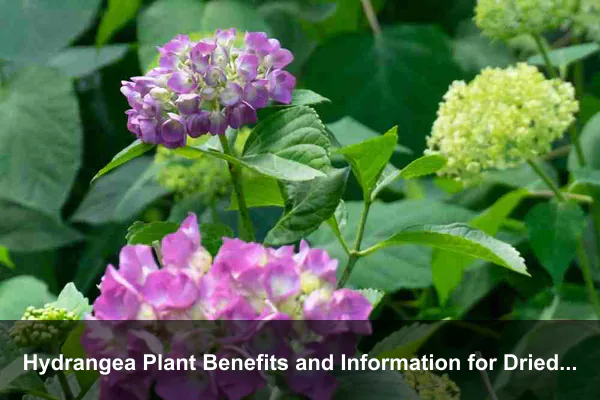
Hydrangea plant benefits and information often focus on dramatic summer flower heads, but this beloved shrub offers more than a short season of garden color. Hydrangeas can support thoughtful home landscapes, meaningful floral gifts, low-waste decorating, and hands-on plant learning. Their large blooms make them easy to notice, while their woody structure gives the garden a reliable seasonal anchor year after year.
For readers interested in manfaat tanaman, or the practical value of plants in daily life, hydrangeas are especially useful because they connect beauty with function. They can soften outdoor spaces, provide long-lasting stems for arrangements, help gardeners observe soil and weather patterns, and create dried flowers that continue to decorate the home after the growing season ends. This guide takes a distinct angle by focusing on hydrangeas as long-lived ornamental shrubs with gift meaning, dried-flower value, and sustainable household uses.
What Makes Hydrangeas Valuable Beyond Fresh Blooms
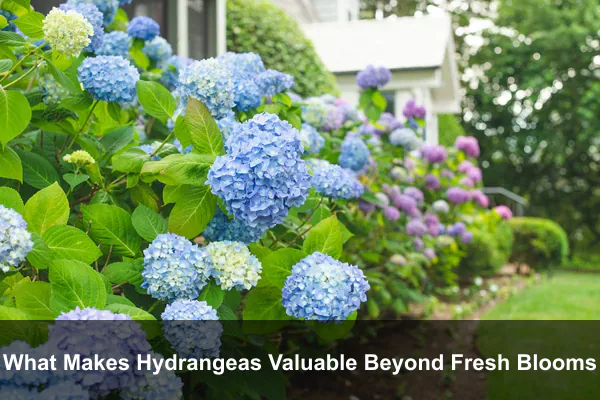
Hydrangeas are flowering shrubs in the genus Hydrangea, grown widely in temperate gardens for their rounded mophead blooms, lacecap clusters, cone-shaped panicles, or smooth snowball-like flowers. Depending on the species and cultivar, the plant may bloom in shades of white, blue, pink, purple, green, red, or antique tones that mature beautifully as the season changes.
The first benefit of hydrangeas is visual abundance. A single mature shrub can produce many flower heads, creating a generous display without needing constant replanting. Unlike short-lived annuals, established hydrangeas return season after season when planted in a suitable site. This makes them valuable for gardeners who want a flowering plant with both beauty and longevity.
Hydrangeas also offer a strong sense of season. New spring leaves, swelling buds, summer flowers, aging autumn colors, and winter stems all help gardeners notice changes in weather and plant growth. This makes the plant useful not only as decoration but also as a living calendar in the garden.
Key Hydrangea Benefits at a Glance
- Long-lasting ornamental value: Many hydrangeas bloom for weeks, and some flower heads remain attractive as they age.
- Useful cut flowers: Fresh stems can be arranged for home decoration, events, and simple gifts.
- Dried floral material: Mature blooms can be dried for wreaths, vases, and seasonal crafts.
- Garden structure: Shrubby growth helps fill borders, soften fences, and frame paths or seating areas.
- Plant education: Hydrangeas teach gardeners about pruning, soil, moisture, bloom timing, and cultivar selection.
- Emotional value: The flowers are often associated with gratitude, sincerity, apology, abundance, and heartfelt expression.
Hydrangea Types and Their Best Uses
Choosing the right hydrangea starts with understanding the main types. Different hydrangeas vary in size, sunlight tolerance, bloom shape, pruning needs, and climate performance. Knowing these differences helps prevent disappointment and makes the plant easier to care for over time.
Bigleaf Hydrangea
Bigleaf hydrangea, often listed as Hydrangea macrophylla, is famous for mophead and lacecap blooms. These are the hydrangeas most associated with blue, pink, and purple flowers. Some cultivars can shift color depending on soil chemistry, especially aluminum availability and pH, though not all hydrangeas change color dramatically.
This type is popular for shaded or partly shaded gardens, foundation beds, and cottage-style planting. It usually prefers consistent moisture and protection from harsh afternoon sun in hot climates. Because many bigleaf hydrangeas bloom on old wood, pruning at the wrong time may remove next season’s flower buds.
Panicle Hydrangea
Panicle hydrangea, or Hydrangea paniculata, produces cone-shaped flower clusters that often start white or lime and mature into pink, rose, or tan tones. It is one of the most sun-tolerant hydrangea types and is widely valued for reliable blooming. Many panicle hydrangeas bloom on new wood, making pruning more forgiving than with old-wood bloomers.
This type is excellent for gardeners who want fresh and dried flowers from the same shrub. Panicle blooms often dry well because their petals age into papery textures. They are useful in larger borders, mixed shrub beds, and sunny garden edges where other hydrangeas may struggle.
Smooth Hydrangea
Smooth hydrangea, commonly Hydrangea arborescens, is known for rounded white or greenish-white blooms. Popular forms can create a soft, natural look in borders and informal gardens. Many smooth hydrangeas bloom on new wood, so they can be pruned in late winter or early spring in many regions.
This type is often chosen for its easygoing habit and classic flower shape. It works well where gardeners want a simple, generous shrub that blends with native-inspired or relaxed planting styles.
Oakleaf Hydrangea
Oakleaf hydrangea, or Hydrangea quercifolia, has distinctive lobed leaves that resemble oak foliage. Its flower clusters are attractive, but the plant also brings strong leaf texture and autumn color. It can add interest even when not in bloom, making it useful for gardeners who want multi-season value from one shrub.
Oakleaf hydrangea is especially helpful in naturalistic borders, woodland edges, and mixed landscapes where foliage matters as much as flowers. Its dried flower heads and peeling bark can also add subtle winter character.
Hydrangea Benefits for Home Gardens and Daily Living
The benefits of hydrangeas are practical as well as decorative. They help shape outdoor rooms, make homegrown flower arrangements possible, and support slower, more observant gardening habits. While hydrangeas should not be promoted as miracle health plants or medicinal cures, they can improve the comfort, beauty, and emotional quality of everyday spaces.
Softening Hard Edges
Hydrangeas are excellent for softening the visual impact of walls, fences, patios, and building foundations. Their rounded leaves and large flowers make hard surfaces feel more welcoming. This is one reason they are common near porches, entryways, and garden paths.
When used thoughtfully, hydrangeas can make a landscape feel established. A well-placed shrub can create a transition between the house and garden, reducing the stark line between architecture and planting.
Creating Homegrown Floral Arrangements
Fresh hydrangea stems can be used in simple vases, table arrangements, and seasonal bouquets. Because each flower head is large, only a few stems can create a full display. This reduces the need to buy imported or heavily packaged flowers for everyday decoration.
For best vase life, cut hydrangeas in the morning when the plant is hydrated. Choose stems with mature blooms rather than very young, soft flowers. Remove leaves that would sit below the water line, place stems in clean water, and refresh the vase every couple of days.
Encouraging Mindful Garden Observation
Hydrangeas respond clearly to water stress, heat, pruning, and planting location. Their leaves may droop in intense sun, their blooms may brown in dry wind, and their growth may slow in compacted soil. These signals can help gardeners learn to read plant needs without guessing.
This observation benefit is valuable for beginners. A hydrangea can teach timing, patience, and site awareness. Instead of treating care as a rigid routine, gardeners learn to notice what the plant is showing from week to week.
Dried Hydrangea Flowers for Low-Waste Decor
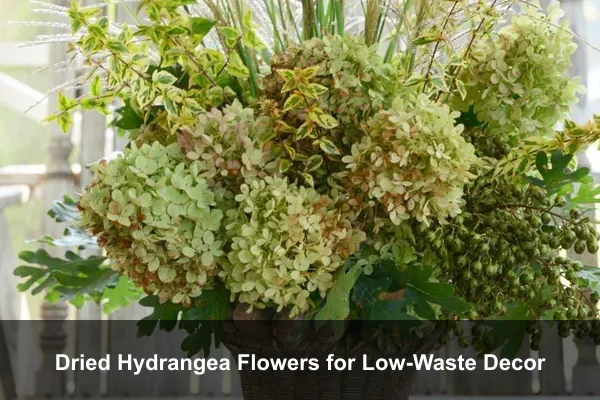
One of the most useful and often overlooked hydrangea plant benefits is the ability to preserve mature blooms. Dried hydrangeas can last for months when handled properly, giving the flowers a second life after their fresh garden display. This makes hydrangeas a practical choice for people who enjoy natural decor but want to reduce waste.
Dried hydrangea flowers work well in vases, wreaths, mantel displays, wall baskets, autumn arrangements, and simple table centerpieces. Their muted colors often shift into green, cream, tan, rose, burgundy, or dusty blue tones. These aged colors can feel softer and more natural than artificially dyed decor.
When to Cut Hydrangeas for Drying
The best dried hydrangeas usually come from flowers that have matured on the shrub. If you cut them too early, the petals may wilt instead of drying with structure. Wait until the flower head feels slightly papery and the color has begun to antique. The stem should feel firm, and the bloom should hold its shape even in warm weather.
Late summer to early autumn is often a good drying window, but timing depends on climate and hydrangea type. Watch the flower texture rather than relying only on the calendar.
Simple Drying Methods
- Vase drying: Place cut stems in a vase with a small amount of water. Let the water slowly evaporate while the blooms dry naturally.
- Air drying: Hang stems upside down in a dry, shaded, well-ventilated room. Avoid direct sun, which can fade color quickly.
- Display drying: Arrange mature stems in a dry vase and allow them to age in place. This works best with already papery blooms.
For cleaner results, remove most leaves before drying. Leaves often curl or brown faster than the flower heads. Keep dried hydrangeas away from damp bathrooms, steamy kitchens, and strong sunlight.
Low-Waste Decorating Ideas
- Use dried hydrangeas in a plain ceramic vase for a long-lasting seasonal display.
- Mix dried hydrangea heads with twigs, seed pods, or grasses from the garden.
- Create a wreath using several small flower heads and reusable wire.
- Add dried stems to gift wrapping instead of plastic bows.
- Compost damaged petals and stems after the arrangement is no longer attractive.
Hydrangea Meaning and Gift Value
Hydrangeas are more than decorative shrubs. In many cultures and floral traditions, they carry symbolic meaning. They are often connected with gratitude, apology, sincerity, abundance, grace, and heartfelt emotion. This symbolic value makes them useful for thoughtful gifts, memorial plantings, wedding flowers, and garden spaces designed around memory or appreciation.
The meaning can vary by color and context. Blue hydrangeas are often associated with apology, calmness, or understanding. Pink hydrangeas may suggest affection, warmth, or heartfelt feeling. White hydrangeas often represent purity, elegance, or simplicity. Green hydrangeas can suggest renewal, balance, and natural abundance.
Why a Living Hydrangea Can Be a Meaningful Gift
A potted or planted hydrangea can feel more lasting than a cut bouquet. Instead of fading after a week, the plant can become part of a garden, patio, or entry space. For birthdays, housewarming gifts, Mother’s Day, sympathy gestures, or thank-you gifts, a hydrangea can communicate care without needing elaborate words.
When giving a hydrangea, include basic care guidance. Mention whether it is best suited to a pot or garden bed, how much light it prefers, and whether it needs regular watering. A beautiful plant becomes a better gift when the recipient understands how to keep it healthy.
Responsible Gift Selection
- Choose compact cultivars for recipients with patios or small gardens.
- Select hardy varieties suited to the recipient’s climate zone.
- Avoid gifting large landscape hydrangeas to someone without outdoor space.
- Check whether the plant has been forced in a greenhouse, because florist hydrangeas may need gradual acclimation before outdoor planting.
- For homes with pets or children, mention that hydrangea parts should not be eaten.
Basic Hydrangea Care for Stronger Plants
Hydrangeas are not difficult when matched to the right site, but they do have clear preferences. Good care begins with planting the right type in the right place. A hydrangea struggling in full heat, dry soil, or deep shade will need more intervention than one planted where its natural needs are met.
Light Requirements
Many hydrangeas prefer morning sun and afternoon shade, especially in hot climates. Bigleaf and smooth hydrangeas often appreciate protection from intense afternoon heat. Panicle hydrangeas can usually handle more sun, particularly in cooler regions, though they still need adequate moisture.
If leaves wilt every afternoon but recover by evening, the plant may be reacting to heat rather than true drought. If the soil is dry several inches down, watering is needed. If the soil is moist and the plant still wilts in harsh sun, shade or relocation may be more helpful than extra watering.
Watering and Soil
Hydrangeas generally prefer evenly moist, well-drained soil. They dislike sitting in soggy ground, but they also suffer when soil dries out completely. Mulch can help moderate soil temperature, reduce evaporation, and protect shallow roots.
Use organic mulch such as shredded bark, leaf mold, or composted material. Keep mulch a few inches away from the main stems to reduce rot risk. Deep watering is usually better than frequent shallow sprinkling because it encourages a stronger root zone.
Pruning Basics
Pruning hydrangeas depends on the type. Some bloom on old wood, meaning flower buds form on stems from the previous season. Others bloom on new wood, meaning they produce flowers on the current season’s growth. Pruning at the wrong time can reduce flowering.
As a simple rule, identify the hydrangea type before cutting heavily. Remove dead, damaged, or weak stems when needed, but avoid aggressive pruning until you know whether the plant blooms on old or new wood. This small step prevents one of the most common hydrangea care mistakes.
Safety, Myths, and Realistic Expectations
Hydrangeas are ornamental plants, not edible garden herbs. Some plant parts contain compounds that can be harmful if consumed, so hydrangeas should be kept away from curious pets, young children, and anyone who may mistake the flowers for edible decorations. This does not mean the plant is unsafe to grow, but it does mean it should be handled with common sense.
Another common myth is that all hydrangeas can be turned blue or pink by changing the soil. In reality, color change mostly applies to certain bigleaf hydrangeas. White hydrangeas typically remain white, and panicle hydrangeas often mature through cream, pink, and tan tones because of genetics and age, not simple soil adjustment.
Realistic Hydrangea Expectations
- Not every hydrangea changes flower color with soil pH.
- Newly planted hydrangeas may take time to bloom heavily.
- Drooping leaves do not always mean the plant needs more water.
- Dried blooms look best when cut at the mature, papery stage.
- Pruning rules depend on hydrangea type, not general appearance alone.
Realistic expectations make hydrangea growing more enjoyable. Instead of forcing the plant to behave like a catalog photo, gardeners can select the right cultivar, observe its natural rhythm, and use its strengths in the landscape.
How to Choose the Right Hydrangea for Your Space
Before buying a hydrangea, think about the space it will occupy at maturity. Many problems begin when a small nursery plant is placed too close to a walkway, window, wall, or other shrubs. Hydrangeas can become wide and full, so mature size matters.
Questions to Ask Before Buying
- How much sun does the planting area receive in the morning and afternoon?
- Is the soil usually moist, dry, compacted, or well-drained?
- How much room is available for mature width and height?
- Do you want fresh cut flowers, dried flowers, landscape structure, or symbolic gift value?
- Does the selected cultivar bloom on old wood, new wood, or both?
- Is the plant hardy in your local climate?
For small spaces, look for compact cultivars and consider container-friendly selections. For sunny borders, panicle hydrangeas may be more reliable. For shaded garden rooms, bigleaf, smooth, or oakleaf hydrangeas may be better choices depending on the climate. Matching type to site is the most important step in successful hydrangea care.
Practical Ways to Use Hydrangeas at Home
Hydrangeas fit many home settings because they can be used fresh, dried, planted, gifted, or observed as seasonal markers. Their usefulness increases when gardeners think beyond the bloom moment and plan for the full life of the shrub.
Garden Placement Ideas
- Plant one hydrangea near an entry path for a welcoming seasonal focal point.
- Use several compact hydrangeas along a patio edge for soft flowering structure.
- Combine hydrangeas with foliage plants for contrast in leaf size and texture.
- Place oakleaf hydrangea where its autumn foliage can be appreciated.
- Grow panicle hydrangea where more sun tolerance and dried flower value are desired.
Indoor and Seasonal Uses
- Cut mature blooms for simple fresh arrangements.
- Dry flower heads for natural autumn and winter decor.
- Use dried hydrangeas in reusable seasonal displays instead of disposable plastic decorations.
- Give potted hydrangeas as meaningful living gifts with care notes.
- Keep a small garden journal to track bloom timing, pruning, and drying results.
These practical uses make hydrangeas valuable even for people who are not expert gardeners. A single healthy shrub can supply beauty outside, stems for indoor arrangements, and dried flowers for later use.
Conclusion
Hydrangea plant benefits and information should include more than flower color and basic care. Hydrangeas are long-lived ornamental shrubs that can bring structure to the garden, meaningful beauty to gifts, and low-waste value through dried blooms. Their large flowers, seasonal changes, and clear care signals make them useful for both experienced gardeners and beginners who want to understand plants more deeply.
The best results come from choosing the right hydrangea type for the space, giving it suitable light and moisture, pruning according to its bloom habit, and using the flowers thoughtfully after they mature. Whether grown for fresh bouquets, dried arrangements, symbolic gifts, or a softer home landscape, hydrangeas offer lasting value when their natural strengths are respected.
