
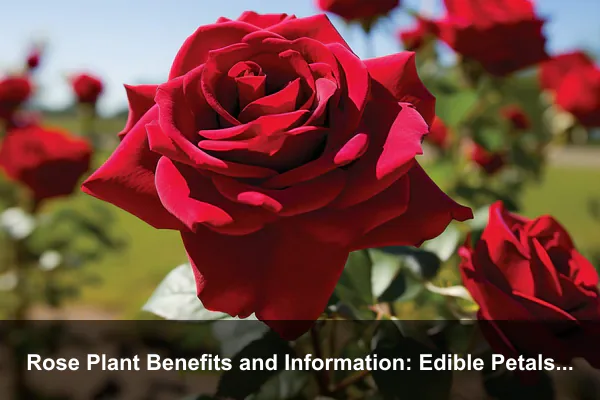
Roses are often described as ornamental flowers, but their value reaches far beyond beauty. For gardeners, cooks, and plant lovers who want practical greenery, rose plant benefits and information include edible petals, vitamin-rich rose hips, wildlife support, fragrance, natural color, and a long history of household use. This guide takes a unique harvest-focused approach, looking at roses as useful flowering plants that can be enjoyed responsibly from bloom to fruit.
In the context of manfaat tanaman, or plant benefits, roses are especially interesting because one plant can provide visual appeal, seasonal learning, gentle aroma, pollinator interest, and small edible harvests when grown without unsafe sprays. The key is knowing which parts are useful, how to harvest them, and what safety rules matter before bringing roses from the garden into the kitchen.
Why Roses Are More Than Decorative Flowers

The rose plant belongs to the genus Rosa, a large group of shrubs, climbers, and groundcover plants grown across many climates. Most people recognize roses for their layered petals and romantic symbolism, but the plant also produces leaves, thorns, flowers, pollen, nectar, and seed-filled fruits called hips. This makes roses more complex than a simple display flower.
A well-grown rose can support several home and garden goals at once. It can soften a landscape, attract beneficial insects, provide fragrant petals for simple recipes, and produce rose hips after flowering. In a small home garden, that combination makes roses valuable because they offer beauty and usefulness from the same planting space.
Main practical benefits of rose plants
- Visual beauty: Roses add color, form, and seasonal interest to gardens, patios, and sunny borders.
- Edible harvests: Unsprayed petals and ripe rose hips can be used in teas, syrups, jellies, desserts, and simple herbal preparations.
- Fragrance: Many varieties provide natural scent for outdoor spaces and homemade preparations.
- Pollinator value: Simple and semi-double roses can offer easier access to pollen and nectar than heavily packed blooms.
- Garden learning: Roses teach pruning, seasonal timing, soil care, pest observation, and responsible harvesting.
These benefits depend on plant selection and care. A rose grown only for perfect show blooms may be different from a rose grown for edible petals or rose hips. If your goal is harvesting, choose varieties known for fragrance, clean growing conditions, and good hip production.
Edible Rose Petals: Benefits, Flavor, and Best Uses
Rose petals are among the most familiar edible flower ingredients, but not every rose should be eaten. The most important rule is simple: only use petals from roses that are confirmed edible and grown without pesticides, fungicides, or floral preservatives. Store-bought florist roses are usually not appropriate for food because they may be treated for appearance and shipping life.
Fresh rose petals have a delicate flavor that can range from lightly sweet and floral to slightly spicy or fruity. The stronger the fragrance, the more noticeable the flavor tends to be. Deeply fragrant old garden roses and certain shrub roses are often preferred for culinary use, while scentless roses may contribute more color than taste.
How to harvest petals safely
- Pick flowers in the morning after dew has dried but before strong heat reduces fragrance.
- Choose fully opened, healthy blooms with no mold, insect damage, or chemical exposure.
- Gently remove petals and discard the bitter white base if the flavor is too sharp.
- Rinse lightly only if needed, then dry on a clean towel before use.
- Use fresh petals immediately or dry them in a clean, shaded, well-ventilated place.
Simple ways to use edible rose petals
- Rose tea: Dry petals can be steeped alone or blended with mild herbs.
- Rose sugar: Finely chopped dry petals can be mixed with sugar for baking.
- Floral syrup: Petals can be infused into syrup for drinks and desserts.
- Salads: Fresh petals can add color and a gentle floral note.
- Dessert garnish: Unsprayed petals can decorate cakes, puddings, and fruit plates.
Rose petals should be treated as a flavoring ingredient, not a medical cure. They can make food more aromatic and visually appealing, but they should be used moderately, especially by people with allergies or sensitive digestion.
Rose Hips: A Valuable Harvest After the Flowers Fade
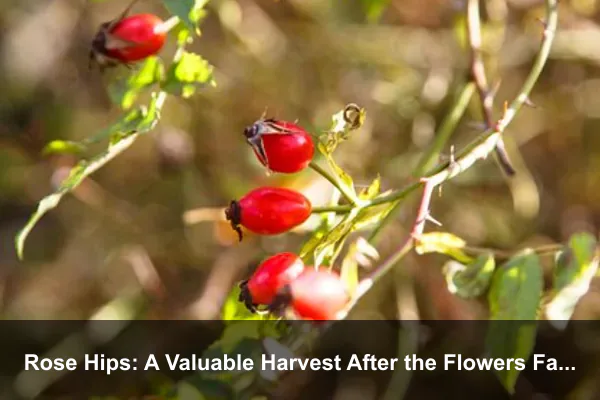
Rose hips are the rounded fruits that form after pollinated flowers mature. Many gardeners remove faded blooms to encourage more flowers, but if you want rose hips, you need to leave some spent flowers on the plant. Over time, the base of the flower swells and ripens into red, orange, or dark-colored hips, depending on the variety.
Rose hips are widely known for their vitamin C content, although the exact amount varies by species, climate, ripeness, and preparation method. They also contain plant compounds such as carotenoids and polyphenols. In practical home use, rose hips are valued for their tart flavor, bright color, and usefulness in teas, syrups, jams, and sauces.
Best rose types for hips
Not all roses produce impressive hips. Some modern varieties are bred mainly for repeat flowering, and regular deadheading prevents fruit formation. For hip harvests, gardeners often look for species roses and shrub roses that naturally set fruit well.
- Rosa rugosa: Known for large, tomato-like hips and rugged growth.
- Dog rose: Often valued for small red hips used traditionally in teas and syrups.
- Wild and species roses: Many produce abundant hips when flowers are left to mature.
- Single-flowered shrub roses: These often allow better pollination than densely doubled blooms.
Harvesting and preparing rose hips
Rose hips are usually harvested when they are fully colored and slightly soft but not mushy. In cooler climates, some gardeners wait until after a light frost because it can soften the fruit and improve sweetness. In warmer regions, harvest when the hips are ripe and before they dry, rot, or are eaten by wildlife.
Preparation matters because the inside of rose hips contains seeds and fine hairs that can irritate the throat and digestive tract. For many recipes, hips are cut open, seeds and hairs are removed, and the flesh is rinsed before drying or cooking. When making tea or syrup from whole hips, the liquid should be strained carefully through a fine filter.
Growing Roses for Safe Edible Harvests
If you want edible petals or rose hips, your care routine must be different from a purely ornamental approach. The plant should be grown in clean soil, away from polluted runoff, and without systemic chemicals that make flowers or fruit unsuitable for consumption. This is where rose plant benefits and information become practical: the quality of the harvest starts with the growing environment.
Sunlight and airflow
Most roses need at least six hours of direct sun per day. Morning sun is especially helpful because it dries leaves early and reduces disease pressure. Good airflow is also important. Crowded, damp roses are more likely to develop fungal problems, which can tempt gardeners to use sprays. A healthier layout supports safer, lower-input growing.
Soil and feeding
Roses prefer fertile, well-drained soil with steady moisture. Compost can improve soil structure and support beneficial soil life. For edible rose gardening, avoid overfeeding with high-nitrogen fertilizer because it can create soft growth that attracts pests. A balanced approach produces stronger plants and better flowers.
- Add compost around the root zone, keeping it away from the stem base.
- Mulch to conserve moisture and reduce soil splash on leaves.
- Water deeply instead of sprinkling lightly every day.
- Remove diseased leaves from the garden rather than composting them in a cool pile.
- Choose resistant varieties when possible to reduce chemical dependence.
Watering for healthier harvests
Water roses at soil level rather than wetting the leaves. This simple habit helps reduce black spot and mildew problems. Consistent moisture is especially important while buds form and while hips mature. Drought-stressed plants may drop buds, produce smaller flowers, or create less useful hips.
Safety Rules Before Eating Any Rose Product
Roses are commonly used in food and herbal traditions, but safety should come first. The biggest concern is not the rose itself but what may have been sprayed on it. Many commercial roses are treated with chemicals that are not intended for edible use. This applies especially to florist roses, roadside roses, and roses from unknown gardens.
Use only clean, known plants
Before using petals or hips, confirm that the plant has not been treated with pesticides, fungicides, herbicides, or systemic insecticides. If you recently bought a rose plant from a nursery, wait and grow it under your own care before harvesting for food. This gives time for new untreated growth and flowers to develop.
Allergy and sensitivity awareness
Some people may be sensitive to floral ingredients. Try a small amount first and avoid rose preparations if you experience irritation. People who are pregnant, nursing, taking medication, or managing a medical condition should be cautious with concentrated herbal products. Culinary use in modest amounts is different from medicinal dosing.
Pet and child considerations
Rose petals are generally considered low-risk, but thorns can injure skin, and hips contain seeds and hairs that should not be eaten casually. Keep harvested materials clean and clearly separated from decorative flowers that may not be food safe. Teach children that only approved flowers from a trusted adult are edible.
Rose Plant Information for Home Garden Planning
Choosing the right rose is easier when you match the plant to your goal. A rose for edible petals should be fragrant, healthy, and easy to harvest. A rose for hips should set fruit reliably. A rose for small gardens should fit the available space without constant pruning. A rose for pollinators should have open flowers rather than extremely dense petals.
Common rose growth types
- Shrub roses: Versatile plants for borders, edible harvests, and natural-looking gardens.
- Climbing roses: Useful for arches, fences, and vertical structures, but they need training.
- Hybrid tea roses: Famous for large individual blooms, often grown for cutting and display.
- Floribunda roses: Produce clusters of flowers and can create strong color impact.
- Species roses: Often valued for ecological simplicity, open blooms, and hips.
What to look for when buying
For a harvest-focused rose, prioritize plant health over perfect flower photos. Look for disease resistance, fragrance notes, mature size, and whether the plant is known to produce hips. If you have limited time, choose a resilient shrub rose rather than a delicate variety that needs frequent spraying.
- Check the mature height and spread before planting.
- Choose a variety suited to your climate and rainfall pattern.
- Ask whether the rose is fragrant if petals are your goal.
- Choose single or semi-double blooms if pollinator access matters.
- Look for disease-resistant descriptions to reduce chemical use.
Low-Waste Uses for Rose Petals, Leaves, and Hips
A rose plant can support a low-waste garden routine when harvested thoughtfully. Not every petal needs to become a recipe, and not every faded flower must be discarded. The goal is to use clean plant material where it makes sense while leaving enough blooms and hips for garden life.
Drying petals for later use
Drying is one of the easiest ways to preserve rose petals. Spread clean petals in a thin layer away from direct sun. Once crisp, store them in an airtight jar away from heat and light. Dried petals can be used for tea blends, bath blends, craft projects, or natural decoration. For food uses, keep them separate from craft materials and label them clearly.
Making simple rose infusions
Rose petals can be infused into hot water, vinegar, honey, or syrup, depending on the intended use. Keep preparations clean, use food-safe containers, and refrigerate perishable mixtures. Homemade products do not contain commercial preservatives, so small batches are safer and fresher.
Leaving hips for wildlife
You do not need to harvest every rose hip. Birds and other garden visitors may feed on hips, especially when other food is limited. Leaving some hips also supports a more natural seasonal cycle. A balanced approach allows you to enjoy the plant while still sharing its resources with the garden ecosystem.
Common Mistakes When Growing Roses for Benefits
Many rose problems come from mismatched expectations. A gardener may buy a heavily petaled rose for food, then discover it has little fragrance. Another may spray for perfect leaves, then realize the petals are no longer suitable for the kitchen. Clear goals prevent these mistakes.
Mistake 1: Harvesting florist roses
Florist roses are beautiful, but they are not grown as food crops. They may contain residues from production, shipping, and storage. Use garden-grown, untreated roses instead.
Mistake 2: Deadheading every flower
Deadheading encourages more blooms, but it removes the chance for hips to form. If you want rose hips, leave selected spent flowers on the plant after blooming.
Mistake 3: Choosing looks over resilience
A rose that needs constant rescue is less useful for edible harvests. Disease-resistant varieties make it easier to grow clean petals and hips without relying on strong sprays.
Mistake 4: Ignoring thorns and placement
Roses with sharp thorns should be planted where they will not catch clothing or scratch children and pets. For harvest beds, leave enough space to reach flowers comfortably.
Frequently Asked Questions About Rose Plant Benefits and Information
Are all rose petals edible?
Most true rose petals are considered edible, but only if they come from clean, correctly identified, untreated plants. Do not eat petals from florist bouquets, roadside plantings, or unknown sources.
What do rose hips taste like?
Rose hips usually taste tart, fruity, and slightly floral. The flavor depends on the rose species, ripeness, and preparation method. They are often used in tea, syrup, jelly, and fruit blends.
Can roses be grown in pots for edible use?
Yes, compact shrub roses and patio roses can grow in containers if they receive enough sun, drainage, and regular watering. Use clean potting mix and avoid chemical treatments not approved for edible plants.
Which rose is best for beginners who want harvests?
A disease-resistant shrub rose with fragrance and reliable hip production is usually a practical choice. Rosa rugosa types are often valued for hips, but gardeners should check local suitability because some roses can spread aggressively in certain regions.
Do roses have health benefits?
Roses can offer sensory, culinary, and garden benefits. Rose hips contain useful nutrients and plant compounds, while petals provide aroma and color. However, rose products should not be presented as cures or replacements for medical advice.
Conclusion
Rose plant benefits and information become much richer when you look beyond decorative blooms. A rose can be a flowering shrub, a fragrant garden feature, a source of edible petals, a producer of tart rose hips, and a seasonal teacher for better plant care. For gardeners interested in manfaat tanaman, roses show how beauty and usefulness can grow from the same plant.
The safest and most rewarding approach is to choose the right variety, grow it without unsafe chemicals, harvest carefully, and use petals or hips in modest, practical ways. With thoughtful care, roses can become more than a symbol of beauty. They can be a productive, sensory, and meaningful part of a home garden.
