
If you are looking for Philodendron plant benefits and information, you are probably drawn to plants that make indoor spaces feel greener without demanding expert-level care. Philodendrons are among the most adaptable tropical foliage plants for homes, apartments, offices, and shaded patios. Their leaves can be heart-shaped, deeply split, velvety, striped, glossy, compact, or dramatically oversized, depending on the variety.
Unlike herbs grown mainly for harvesting or flowering plants chosen for seasonal blooms, philodendrons are valued for their long-lasting foliage, flexible growth habits, and strong visual presence. They can trail from shelves, climb moss poles, fill corners, soften hard furniture lines, and create a calm indoor atmosphere. This guide explores the practical benefits of philodendron plants, the most useful types to know, safe home placement, and care methods that help them grow well for years.
What Makes Philodendron Different?
Philodendron is a large group of tropical aroid plants native mainly to Central and South America. In nature, many species grow under forest canopies where light is filtered, humidity is higher, and plants often climb trees for support. That background explains why many philodendrons adapt so well indoors: they do not need harsh full sun, they appreciate stable warmth, and several types can grow beautifully in containers.
The name philodendron is often associated with two main growth styles. Vining philodendrons, such as heartleaf philodendron and Philodendron Brasil, produce long stems that trail or climb. Self-heading philodendrons, such as Philodendron Birkin, Imperial Green, Rojo Congo, and Prince of Orange, grow from a central base and create a fuller upright shape. Both styles are useful, but they solve different design problems indoors.
A philodendron is not just one look. Some varieties are small enough for a desk, while others become bold floor plants. Some are chosen for dark green simplicity, while others are collected for variegation, copper-toned new leaves, or velvet texture. This diversity is one of the main reasons philodendrons remain popular among beginner plant owners and experienced collectors.
Key Philodendron Plant Benefits
The benefits of philodendron plants are best understood as practical home and lifestyle advantages rather than exaggerated health promises. They are not miracle air filters, herbal remedies, or edible plants. Their real value comes from how they improve the feeling, function, and appearance of an indoor space while staying manageable for many plant owners.
Long-Lasting Ornamental Foliage
Philodendrons bring year-round greenery without relying on flowers. Their leaves are the main feature, and healthy foliage can remain attractive across seasons. This makes them especially helpful for interior styling because you are not waiting for a bloom cycle to enjoy the plant. A simple heartleaf philodendron can soften a bookshelf, while a larger split-leaf style plant can become a sculptural focal point.
Flexible Placement for Small and Large Spaces
One strong philodendron benefit is flexibility. A vining type can trail from a hanging planter, climb a pole, or be pruned into a compact tabletop plant. Upright varieties can sit beside a sofa, brighten an office corner, or add structure near a window. For people living in small spaces, this adaptability matters because one plant group can fit many layouts.
Beginner-Friendly Care
Many philodendrons tolerate normal indoor conditions better than fussy tropical plants. They still need the basics, but they usually forgive occasional imperfect watering, moderate household humidity, and a range of bright indirect light conditions. This makes them a useful choice for people who want the benefits of plants but do not want a complicated routine.
Natural Calm and Visual Comfort
Green foliage can make a room feel calmer and more finished. Philodendrons are especially effective because their leaves are broad, layered, and soft-looking. In a work area, they can reduce the sterile feeling of screens and hard surfaces. In a living room, they help bridge furniture, wall color, and natural light. This is a design benefit, but it also affects how comfortable a room feels day to day.
Useful for Learning Plant Care Skills
Philodendrons are excellent learning plants. They show visible feedback: yellow leaves may suggest overwatering, leggy stems may suggest low light, and smaller new leaves may suggest the plant needs more support, nutrients, or better conditions. Because many types root easily from stem cuttings, they also help beginners learn propagation without needing advanced equipment.
Popular Philodendron Types and Their Best Uses
Choosing the right type is just as important as knowing general philodendron care. Different philodendrons have different growth habits, mature sizes, and visual effects.
Heartleaf Philodendron
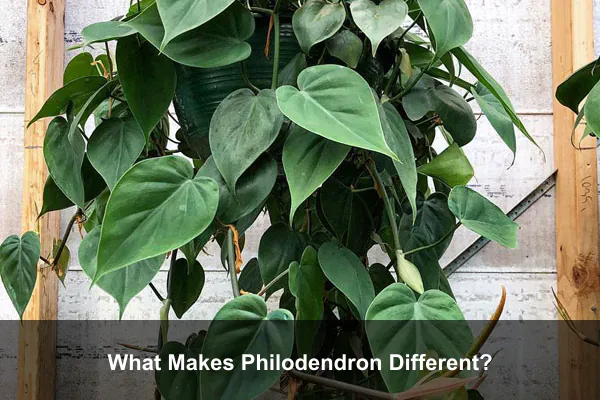
Heartleaf philodendron is one of the easiest and most forgiving choices. It has green, heart-shaped leaves and a trailing or climbing habit. It works well on shelves, hanging baskets, plant stands, and office desks. If you want a low-pressure first philodendron, this is usually the safest starting point.
Philodendron Brasil
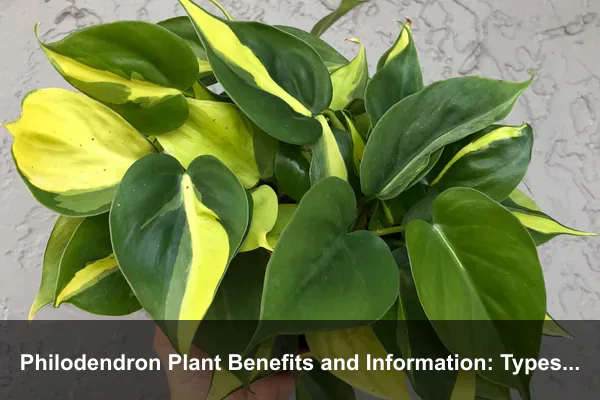
Philodendron Brasil is similar to heartleaf philodendron but has green leaves marked with yellow and lime variegation. It adds brightness without needing flowers. It is especially useful in neutral rooms where a plain green plant might disappear visually.
Philodendron Micans
Philodendron Micans has velvety leaves with bronze, green, and sometimes reddish tones depending on the light. It is best for people who want texture and moodier foliage. Because the leaves can look different from different angles, it is beautiful in hanging displays or eye-level shelves.
Philodendron Birkin
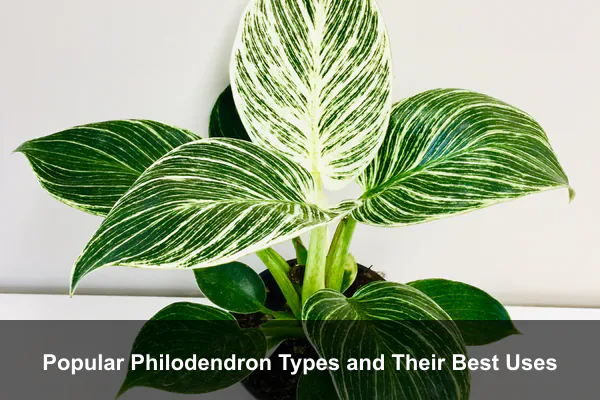
Philodendron Birkin is compact and upright, with dark green leaves marked by creamy white pinstripes. It is popular for desks, side tables, and modern interiors. Its neat shape makes it easier to place than large climbing varieties, although it still appreciates bright indirect light for stronger variegation.
Rojo Congo, Imperial Green, and Prince of Orange
These self-heading philodendrons grow with a fuller, upright structure. Rojo Congo has deep red-green tones, Imperial Green is glossy and bold, and Prince of Orange produces warm orange new growth that matures to green. These varieties are good choices when you want a plant that looks substantial without needing a hanging basket or long trailing stems.
Philodendron Care Guide for Healthy Growth
Good philodendron care is about consistency, not constant attention. Most problems come from extremes: too much direct sun, waterlogged soil, very low light, or containers without drainage.
Light Requirements
Most philodendrons prefer bright indirect light. This means the plant receives plenty of daylight, but the leaves are protected from intense direct sun. Near an east-facing window is often ideal. A spot a few feet from a bright south or west window can also work if the light is filtered by a curtain.
Low light may not kill a hardy philodendron immediately, but it can cause slower growth, smaller leaves, stretched stems, and weaker variegation. Direct hot sun can scorch leaves, leaving brown patches that do not heal. If a plant starts leaning strongly toward the window, rotate the pot every week or two.
Watering Method
The best watering routine is to check the soil before watering. For many indoor philodendrons, water when the top 2 to 5 centimeters of soil feel dry. Then water thoroughly until excess water drains out of the bottom of the pot. Empty the saucer so the roots are not sitting in stale water.
Overwatering is more dangerous than slight underwatering. Constantly wet soil reduces oxygen around the roots and can lead to root rot. Signs of overwatering include yellowing leaves, mushy stems, sour-smelling soil, and fungus gnats. Signs of underwatering include drooping, curling leaves, dry soil pulling away from the pot edge, and crispy tips.
Soil and Potting Mix
Philodendrons grow best in a loose, well-draining potting mix. A simple blend can include indoor potting soil, orchid bark, perlite, and coco coir or peat moss. The goal is a mix that holds some moisture but still allows air to reach the roots. Heavy garden soil is not recommended for indoor containers because it compacts too easily.
Choose a pot with drainage holes. Decorative cachepots are fine, but the plant should still sit in a nursery pot or inner pot that drains properly. Repot only when needed, usually when roots circle the pot, water runs through too quickly, or growth has slowed despite good light and care.
Temperature, Humidity, and Feeding
Philodendrons prefer warm indoor temperatures, generally similar to what people find comfortable. Keep them away from cold drafts, air conditioner blasts, and heater vents. Average household humidity is usually acceptable, but many varieties look better with moderate humidity. Brown leaf edges can appear when the air is very dry, especially on thinner-leaved types.
During active growth, feed lightly with a balanced houseplant fertilizer according to label directions. More fertilizer is not better. Excess salts can damage roots and cause leaf tip burn. In cooler months or periods of slow growth, reduce feeding.
Indoor Styling Ideas for Philodendron Plants
Philodendrons are useful because they can be styled in several ways without looking forced. A trailing plant can add movement to a high shelf. A climbing plant on a moss pole can create height in a narrow corner. A compact upright plant can bring life to a desk without taking over the workspace.
For a polished look, match the plant habit to the location:
- Use trailing philodendrons on shelves, bookcases, hanging planters, and wall-mounted plant brackets.
- Use climbing philodendrons with moss poles, coir poles, trellises, or simple stakes where vertical growth is desired.
- Use upright philodendrons in floor pots, beside furniture, or as structured accents near bright windows.
- Use compact varieties on desks, bedside tables, console tables, and small apartment plant corners.
Avoid crowding too many large-leaved plants in one small area. Philodendrons look best when their leaves have room to spread and catch light. Good spacing also improves airflow, which reduces pest and fungal issues.
Safety Information for Pets and Children
Philodendrons are ornamental plants, not edible plants. Their tissues contain insoluble calcium oxalate crystals, which can irritate the mouth, lips, tongue, throat, and digestive system if chewed or swallowed. This matters in homes with curious pets, toddlers, or children who may touch plants and then put their hands in their mouths.
Common symptoms after chewing may include drooling, mouth irritation, pawing at the mouth, vomiting, or discomfort. If a pet or child ingests part of the plant, contact a veterinarian, pediatrician, poison control service, or local medical professional for guidance. Do not rely on home remedies.
Safe placement is simple but important. Keep philodendrons on high shelves, in hanging planters, behind barriers, or in rooms pets cannot access. When pruning or propagating, wash your hands afterward, especially if you have sensitive skin. The plant is safe to enjoy visually, but it should be treated as a decorative houseplant rather than a touch-and-taste plant.
Propagation, Pruning, and Long-Term Maintenance
One of the most satisfying philodendron plant benefits is how easily many vining types can be propagated. This makes it possible to refresh a leggy plant, share cuttings, or create a fuller pot.
How to Propagate Vining Philodendrons
To propagate a vining philodendron, cut a healthy stem section with at least one node. The node is the small bump or joint where roots and leaves can grow. Place the cutting in water or a moist, airy potting medium. Keep it in bright indirect light. Once roots are several centimeters long, transfer the cutting to a small pot with well-draining mix.
- Choose a healthy stem with several leaves.
- Cut just below a node using clean scissors or pruning shears.
- Remove the lowest leaf if it would sit underwater or under soil.
- Place the cutting in water or moist propagation mix.
- Pot it up once roots are established.
Pruning for Shape and Fullness
Pruning helps control length and encourages a fuller appearance. For trailing plants, trim long bare stems and root the cuttings back into the same pot. For upright types, remove old or damaged leaves near the base with clean tools. Do not remove too much foliage at once, because the plant needs leaves for energy.
Using Moss Poles and Supports
Many philodendrons grow larger, more mature leaves when allowed to climb. A moss pole, coir pole, or plank gives aerial roots something to grip. Tie stems loosely with soft plant ties and guide new growth upward. This is especially useful for climbing varieties that become messy when left to trail without direction.
Common Philodendron Problems and Simple Fixes
Most philodendron issues can be solved by reading the plant carefully and adjusting one condition at a time. Avoid making several drastic changes at once, because that makes it harder to know what actually helped.
Yellow Leaves
Yellow leaves are often linked to overwatering, poor drainage, or natural aging. If only one older lower leaf turns yellow occasionally, that may be normal. If many leaves yellow at once, check the roots, soil moisture, and drainage. Let the top layer of soil dry before watering again.
Brown Tips or Crispy Edges
Brown tips can come from dry air, inconsistent watering, fertilizer buildup, or mineral-heavy water. Trim damaged edges if desired, but focus on the cause. Flush the soil occasionally with clean water, avoid overfertilizing, and keep the plant away from vents.
Leggy Growth
Long spaces between leaves usually mean the plant wants more light. Move it gradually to a brighter indirect location. For vining types, prune back stretched stems and propagate the cuttings into the pot to restore fullness.
Pests
Philodendrons can attract spider mites, mealybugs, scale, thrips, or fungus gnats. Inspect leaves, stems, and leaf joints regularly. Isolate affected plants, wipe leaves, remove visible pests, and use an appropriate houseplant-safe treatment if needed. Healthy light, good airflow, and careful watering reduce many pest problems.
Buying Checklist for a Healthy Philodendron
When buying a philodendron, look beyond the prettiest leaf. A healthy plant should have firm stems, balanced growth, and no strong sour smell from the soil. Check the undersides of leaves for pests and avoid plants with mushy bases, widespread yellowing, or blackened soft spots.
Use this quick checklist before choosing a plant:
- Leaves are firm, clean, and mostly free from spots or pests.
- Soil is slightly moist or lightly dry, not swampy and foul-smelling.
- The pot has drainage holes or can be moved into one that does.
- The plant size matches the light and space available at home.
- The variety suits your goal, such as trailing, climbing, compact, or upright growth.
If you are a beginner, start with heartleaf philodendron, Philodendron Brasil, or a sturdy self-heading type. Rare philodendrons can be beautiful, but they may cost more and require closer attention to humidity, support, and leaf care.
Conclusion
Philodendrons are popular for good reason. They offer dependable greenery, attractive foliage, flexible styling options, and forgiving care for many indoor environments. The most important philodendron plant benefits are practical: they make rooms feel softer, greener, and more alive while giving plant owners a manageable way to build confidence.
Choose a variety that fits your space, give it bright indirect light, water only when the soil begins to dry, and keep it safely away from pets and children. With those basics in place, a philodendron can become one of the most rewarding ornamental houseplants in your home.
