

Orchids are often treated as delicate display plants for living rooms, offices, and gift tables, but one of their most useful roles is in the heart of the home: the kitchen and dining area. This fresh angle on orchid plant benefits and information looks at how orchids can bring long-lasting color, cleaner-looking decor, and a calmer daily rhythm to food-adjacent spaces without turning the room into a high-maintenance indoor garden.
The key is to understand what orchids can realistically do. They are not edible herbs, air filters, or miracle wellness tools. Their value comes from compact beauty, seasonal observation, gentle care habits, and the way a living bloom can make everyday rooms feel more intentional. With smart placement, safe boundaries, and a simple maintenance routine, an orchid can become one of the most rewarding flowering houseplants for kitchens, breakfast nooks, dining tables, and small apartments.
Why Orchids Belong in Food-Adjacent Rooms
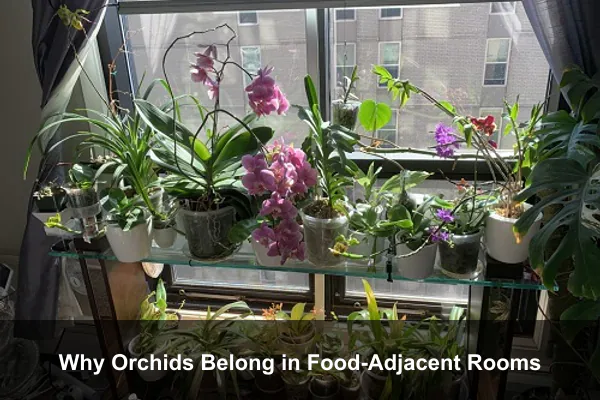
Many indoor plants are grown mostly for foliage, but orchids offer a different kind of benefit: a refined floral presence that can last for weeks or months. In a kitchen or dining room, that matters. These rooms are used repeatedly throughout the day, so a plant placed there is not just decoration. It becomes part of morning coffee, family meals, meal prep, weekend cleaning, and quiet evening routines.
Orchids, especially common moth orchids, are well suited to this role because they provide color without the daily shedding often linked with cut flowers. Their blooms usually stay attached to the plant, their leaves remain compact, and their pots can fit on a sill, shelf, island corner, or sideboard. For people interested in manfaat tanaman, or practical plant benefits, this is a realistic example: the plant improves the feeling and function of a room without needing exaggerated claims.
Long-Lasting Floral Value
A healthy orchid can hold flowers much longer than many cut flower arrangements. This makes it useful for people who want a natural centerpiece but dislike replacing bouquets every few days. The benefit is not only financial; it also reduces plant waste, packaging waste, and the mess of dropping petals in a food area.
Compact Beauty for Busy Surfaces
Kitchens and dining spaces often have limited open surfaces. A large fern or trailing vine can interfere with cooking tools, dishes, and movement. Orchids grow upright and use vertical space well. A single plant can add height and color while keeping the counter, table, or shelf easy to clean.
A Visual Pause in Functional Rooms
Food-adjacent rooms can become visually busy with appliances, utensils, storage containers, and packaging. An orchid creates a soft focal point that helps the room feel more composed. This is one of the understated benefits of ornamental plants: they can make practical spaces feel less mechanical without adding clutter.
Practical Orchid Benefits for Kitchens and Dining Rooms
The best way to discuss orchid plant benefits and information is to separate practical benefits from myths. Orchids do not replace ventilation, cleaning, or healthy routines. However, they can support a more pleasant home environment when used thoughtfully.
- Decor benefit: Orchids provide elegant, long-lasting flowers that suit modern, traditional, minimalist, and tropical interiors.
- Space benefit: Their upright growth works well on windowsills, narrow shelves, breakfast bars, and small dining tables.
- Routine benefit: Checking roots, leaves, and blooms can build a gentle plant-care habit without daily watering.
- Low-mess benefit: Compared with many flowering plants, common indoor orchids are usually tidy when healthy.
- Seasonal benefit: Bloom cycles help homeowners notice light, temperature, and humidity changes through the year.
These benefits are especially useful in homes where people want greenery but do not want soil spills, strong plant fragrance, or complicated plant chores near food preparation areas.
Cleaner-Looking Decor Than Many Bouquets
Cut bouquets can be beautiful, but in a kitchen they can also become messy quickly. Water turns cloudy, stems decay, and pollen or petals may fall onto counters. A potted orchid, kept in a clean outer pot with good drainage habits, usually looks neat for longer. This makes it a strong choice for dining rooms where visual cleanliness matters.
A Gentle Way to Learn Plant Observation
Orchids teach observation. Roots change color as they dry, leaves reveal light stress, and flower spikes respond to temperature and plant maturity. For families, beginners, or anyone who wants a slow plant hobby, orchids offer visible feedback without needing a large garden bed.
Suitable for Small-Space Living
Apartment kitchens, studio dining corners, and compact homes often need plants that do not spread aggressively. Orchids fit this need because they stay contained, especially when grown in clear nursery pots inside decorative cachepots. Their size makes them easy to move when cleaning or entertaining.
Safety Boundaries Around Food, Children, and Pets
An orchid can look perfect beside a fruit bowl or near a dining table, but it should still be treated as an ornamental plant, not a food plant. This distinction matters because the niche of plant benefits can sometimes encourage people to treat every attractive plant as useful in the kitchen. Orchids are best appreciated for beauty, observation, and atmosphere, not for eating or home remedies.
Do Not Use Orchids as Edible Plants
Some orchid species have cultural or commercial uses, such as vanilla from Vanilla planifolia, but the decorative orchid sold as a houseplant is not a kitchen ingredient. Do not add orchid petals to salads, drinks, cakes, or teas unless a plant has been specifically grown and verified for edible use. Many decorative plants may have pesticide residues, fertilizer salts, or unknown treatments from production and shipping.
Keep Potting Media Away From Food Prep
Orchids are commonly grown in bark, moss, coconut husk, perlite, or specialty mixes. These materials are excellent for roots but do not belong near chopping boards, open plates, or cooking surfaces. Place orchids where splashes, crumbs, and food contact are unlikely. If you move the plant to clean or water it, wash your hands afterward.
Think About Pets and Children
Common moth orchids are generally considered a safer houseplant choice than many toxic ornamentals, but safe does not mean snack-friendly. Pets may chew leaves, knock over bark, or drink standing water from saucers. Children may touch blooms, pull stakes, or scatter media. Use stable pots, avoid loose decorative stones that can become choking hazards, and keep plant-care products out of reach.
Best Orchid Types for Everyday Home Displays
Not every orchid is equally practical for a kitchen or dining room. Some need specialized temperatures, intense light, or careful humidity control. For everyday indoor use, choose orchids that tolerate normal home conditions and do not require a greenhouse setup.
Phalaenopsis for Reliable Indoor Blooms
Phalaenopsis, often called the moth orchid, is the most practical choice for most homes. It handles bright indirect light, moderate indoor temperatures, and occasional schedule changes better than many specialty orchids. Its blooms are long-lasting, and its arching flower spikes make it suitable for sideboards, kitchen windows, and table displays.
Mini Orchids for Narrow Shelves
Miniature moth orchids are useful when space is tight. They can fit on a small sill, a coffee station shelf, or a narrow dining ledge. Their smaller pots dry faster than larger pots, so they need closer moisture checks, but their compact size makes them easy to rotate and inspect.
Oncidium for Fragrance-Aware Placement
Some Oncidium orchids have a noticeable scent, sometimes sweet or warm. This can be pleasant in a hallway or living room, but it may compete with food aromas in a dining space. If fragrance matters to your household, smell the plant before buying and place scented orchids away from food prep areas.
Avoid Fussy Types Unless You Enjoy Experiments
Some orchids need cool nights, strong air movement, or very specific watering. They can be rewarding for collectors, but they are less practical for a beginner-friendly kitchen display. Start with forgiving types before moving into specialty orchids.
Placement Guide for Windows, Counters, and Sideboards
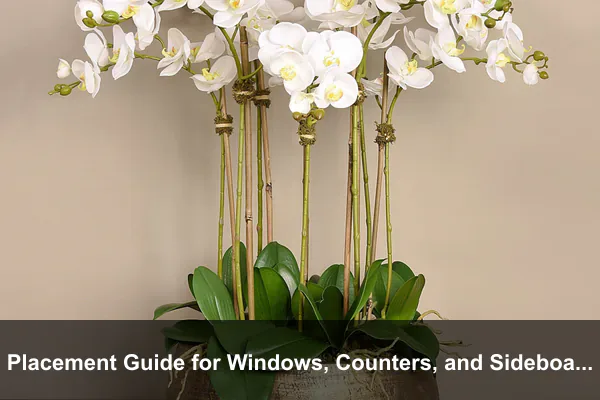
Correct placement is the difference between an orchid that quietly improves a room and one that struggles from heat, fumes, drafts, or poor light. Food-adjacent spaces have special conditions: ovens, sinks, dishwashers, fruit bowls, windows, and cleaning sprays can all affect the plant.
Kitchen Windowsills
A bright east-facing window is often ideal because it gives gentle morning sun without intense afternoon heat. South or west windows may work if light is filtered by a sheer curtain or if the orchid sits slightly back from the glass. Avoid direct hot sun that can scorch leaves, especially through glass during warm afternoons.
Countertops and Islands
An orchid on a counter should be away from the stove, toaster oven, air fryer, kettle, and other heat sources. Steam may seem like helpful humidity, but sudden hot bursts can damage buds and flowers. Keep the plant where it receives indirect light and where it will not be splashed by oil, soap, or dishwater.
Dining Tables
An orchid can make an excellent living centerpiece, but it does not have to stay on the table all the time. A practical approach is to display it during meals or gatherings, then return it to a brighter growing spot afterward. This gives you the decorative benefit without sacrificing the light the plant needs.
Sideboards and Open Shelves
Sideboards are often better than dining tables for long-term display because they are stable and out of the way. Choose a spot where the orchid receives ambient brightness and can be watered without dripping onto wood. Use a waterproof liner or saucer inside the decorative pot.
Simple Orchid Care Rhythm for Busy Homes
Orchid care becomes easier when it is connected to an existing household routine. Kitchens already have water, towels, sinks, and good lighting for inspection, so they can make plant care more convenient. The goal is not to fuss over the orchid daily; it is to check the right things at the right time.
Water by Root and Pot Condition
Many orchids fail because they are watered on a fixed calendar without checking the plant. A clear inner pot helps because healthy roots are visible. Silvery roots often indicate dryness, while green roots suggest recent moisture. Bark-based mixes usually need watering after they dry, while moss holds moisture longer and can stay wet too long in cool rooms.
Water thoroughly, let the pot drain completely, and never leave the orchid sitting in standing water. If you water at the kitchen sink, allow excess water to run out before returning the plant to its display pot. This protects roots and prevents water marks on furniture.
Keep Leaves Clean Without Overwashing
Kitchen air can leave a light film on leaves, especially near cooking areas. Dust and grease reduce the clean look of the plant and can interfere with normal leaf function. Wipe leaves occasionally with a soft, damp cloth. Avoid leaf-shine products, strong soaps, and sprays near blooms.
Feed Lightly During Active Growth
Use a balanced orchid fertilizer at a diluted strength when the plant is actively growing roots or leaves. More fertilizer does not mean more flowers. In small indoor pots, excess salts can build up and stress roots. Flush the potting medium occasionally with plain water, then let it drain well.
Respect the Rest Period
After blooms fade, the plant may look less exciting, but this is part of the cycle. Keep caring for the leaves and roots. A healthy plant may bloom again when it has enough stored energy and receives suitable light and temperature cues. The benefit of an orchid is not only the current flower spike; it is the long-term living plant.
Styling Ideas That Keep the Room Functional
Orchids look best when styling supports the room instead of fighting it. In a kitchen or dining space, the plant should not block workflow, crowd the table, or make cleaning harder. Use styling choices that are stable, washable, and proportionate.
- Single plant on a tray: Place one orchid on a washable tray with a small cloth or liner underneath the pot.
- Neutral outer pot: Choose ceramic, metal, glass, or sealed fiber containers that match the room and are easy to wipe.
- Breakfast nook accent: Use a mini orchid on a shelf or ledge to soften a compact eating corner.
- Sideboard grouping: Pair one orchid with a lamp or simple bowl, leaving enough open surface for serving dishes.
- Rotating centerpiece: Move the orchid to the table for special meals, then return it to brighter indirect light.
Use Height Without Blocking Conversation
A tall flower spike can be beautiful, but it should not block faces across the table. For dining use, place the orchid off-center or choose a lower mini orchid. Stakes should be neat, secure, and trimmed if they extend awkwardly above the display.
Avoid Overdecorating the Pot
Colored moss, loose stones, ribbons, and novelty toppers can make watering harder and may trap moisture around the crown or roots. If you want a finished look, use a simple outer pot and keep the inner growing pot practical.
Common Kitchen Problems and Easy Fixes
Because kitchens are active rooms, orchids may face problems that are less common in quiet bedrooms or offices. Most issues can be avoided with placement and routine checks.
Bud Drop From Temperature Swings
Buds may yellow and fall if the orchid sits near an oven, drafty door, heater, or cold window. Move the plant to a more stable spot. Avoid placing a blooming orchid where it receives sudden bursts of hot steam or cold air.
Greasy Film on Leaves
If leaves feel sticky or dull and the plant is near cooking activity, move it farther from the stove. Wipe leaves gently with a damp cloth and improve room ventilation during cooking.
Root Rot From Decorative Pots
A decorative pot without drainage can hide standing water. Always check after watering. If the inner pot feels heavy for many days or roots look brown and mushy, improve drainage, reduce watering frequency, and consider fresh orchid media if the old mix has broken down.
Fruit Bowl Problems
Ripening fruit releases ethylene gas, which can shorten flower life or trigger bud drop in sensitive plants. Keep orchids away from fruit bowls, especially bananas, apples, pears, and other fast-ripening produce.
Cleaning Spray Exposure
Household sprays, disinfectants, and scented cleaners can damage flowers or leave residue on leaves. Move the plant before deep cleaning counters, glass, or tables. Return it only after surfaces are dry and the room has aired out.
Buying Checklist for a Kitchen-Friendly Orchid
Choosing the right plant at the start reduces future problems. A kitchen-friendly orchid should be healthy, stable, compact enough for the intended location, and easy to inspect.
- Check the leaves: Look for firm, smooth leaves without large yellow patches, deep wrinkles, or widespread spotting.
- Check the roots: Healthy roots are usually firm and green or silvery, depending on moisture. Avoid plants with many mushy brown roots.
- Check the pot: A clear inner pot with drainage holes makes care easier for beginners.
- Check the blooms: Choose a plant with some open flowers and some unopened buds for a longer display, but avoid plants with dropping buds.
- Check the size: Make sure the plant fits the windowsill, sideboard, or table without being knocked over.
- Check for pests: Inspect under leaves, around flower spikes, and near pot edges for insects or sticky residue.
Choose Color With the Room in Mind
White orchids create a clean look in busy kitchens. Pink and purple flowers soften neutral dining rooms. Yellow and patterned orchids add warmth but can become visually loud in small rooms. The best color is the one that improves the room without making it feel crowded.
Plan for After the Flowers Fade
Before buying, decide where the orchid will live when it is not in bloom. Many people discard orchids after flowering because they only planned for the display phase. If you have a bright indirect spot and a simple care routine, the plant can remain valuable as a living houseplant between bloom cycles.
Realistic Orchid Plant Benefits and Information at a Glance
For quick reference, the most useful orchid information for kitchen and dining spaces can be summarized in practical terms.
- Main benefit: Long-lasting, low-mess floral beauty for rooms used every day.
- Best beginner type: Phalaenopsis or mini Phalaenopsis.
- Best placement: Bright indirect light away from heat, steam, fruit bowls, and cleaning sprays.
- Watering rule: Water thoroughly, drain fully, and check roots rather than relying only on a calendar.
- Food safety rule: Treat decorative orchids as ornamental plants, not edible garnishes or herbal ingredients.
- Design rule: Keep displays stable, simple, washable, and easy to move when cleaning.
This grounded approach makes orchids easier to enjoy. Instead of expecting the plant to solve indoor air quality or provide medicinal value, you can appreciate its real strengths: beauty, compactness, seasonal interest, and a care routine that fits modern homes.
Conclusion
Orchids bring a unique combination of elegance and practicality to kitchens and dining spaces. They offer long-lasting blooms, compact growth, low-mess display value, and a gentle connection to plant care in rooms where people gather every day. When placed away from heat, fruit, cleaning sprays, and direct food contact, they can make a home feel fresher and more intentional without demanding complicated maintenance.
The most important lesson in this guide to orchid plant benefits and information is realism. Orchids are not edible kitchen herbs, instant air purifiers, or difficult luxury plants reserved for experts. They are living ornamental plants with clear needs and clear rewards. Choose a healthy beginner-friendly orchid, give it bright indirect light, water it carefully, keep the display clean, and let it add quiet beauty to the daily rhythm of your home.
