
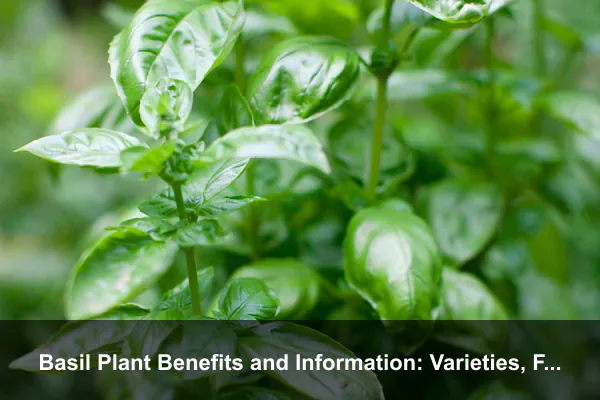
Basil is often treated as a simple kitchen herb, but a closer look shows a plant with culinary, aromatic, ecological, and educational value. This guide to Basil plant benefits and information focuses on a fresh angle: how different basil types, flowers, and seeds can make one small herb pot more useful throughout the season.
For home gardeners, basil is valuable because it is fast-growing, fragrant, and easy to observe. Its leaves support everyday cooking, its flowers can attract beneficial insects outdoors, and its seeds allow gardeners to renew plants without buying new starts every season. In the wider idea of Manfaat Tanaman, basil is a practical example of a plant that gives value through food, aroma, beauty, and learning.
Why Basil Deserves a Place in the Home Herb Garden
Basil belongs to the mint family, Lamiaceae, and is best known for its tender leaves and rich scent. The familiar sweet basil used in many kitchens is usually Ocimum basilicum, but basil is not just one plant with one use. There are many types, each with different leaf shapes, aromas, colors, and growth habits.
The core benefits of basil are practical. It provides fresh flavor without needing a large garden, grows well in containers, and can be clipped regularly when healthy. Its fragrance also makes it enjoyable near patios, balconies, and sunny kitchen windows. While basil contains naturally occurring plant compounds and small amounts of nutrients, it should be seen mainly as a flavorful food herb, not as a medical treatment.
- Culinary value: fresh leaves add aroma and brightness to meals.
- Garden value: flowering basil can support visiting pollinators.
- Learning value: fast growth makes basil useful for observing plant life cycles.
- Space value: compact varieties fit balconies, windowsills, and small beds.
- Low-waste value: seed saving can help renew future plantings.
Basil Variety Guide: Choose by Flavor, Space, and Use
One of the most useful pieces of basil plant information is that variety choice affects nearly everything: flavor, leaf size, appearance, flowering speed, and the best way to use the plant. Choosing basil by purpose helps prevent disappointment.
Sweet Basil
Sweet basil is the classic choice for sauces, salads, and fresh garnishes. It has soft green leaves and a familiar clove-like, peppery aroma. For beginners who want one general-use basil, sweet basil is usually the easiest starting point.
Thai Basil
Thai basil has narrower leaves, purple stems, and a stronger anise-like scent. It tends to hold its character better in warm dishes than delicate sweet basil. It is also visually striking, making it useful in edible ornamental beds.
Lemon and Lime Basil
Lemon basil and lime basil bring citrus notes that work well in teas, fruit dishes, salads, and light soups. These varieties are especially useful for gardeners who want a fragrant herb that feels different from standard basil.
Purple Basil
Purple basil is grown as much for color as for flavor. The dark leaves can add contrast to herb pots and edible borders. Its taste may be slightly more intense or spicy, so it is best used thoughtfully rather than as a direct substitute in every recipe.
Holy Basil
Holy basil, often called tulsi, has strong cultural and traditional importance in many regions. It is usually grown for tea, ritual value, and aromatic leaves. Because its identity and uses differ from common culinary basil, gardeners should label it clearly and avoid confusing it with sweet basil.
The Benefits of Letting Basil Flower
Many growing guides tell gardeners to pinch off basil flowers to keep leaf production going. That advice is useful when the goal is tender leaves, but flowers are not a failure. They are part of the basil life cycle and can add a different kind of value.
Basil flowers appear on upright spikes and may be white, pale pink, or purple depending on the variety. Outdoors, they can attract bees and other small pollinators. In an edible garden, this makes basil more than a harvest crop; it becomes part of the garden’s seasonal rhythm.
When Flowers Are Useful
- Let a few plants flower if you want seeds for the next season.
- Allow flowering in outdoor beds where pollinators can visit.
- Use flowering stems as soft, fragrant decoration in small arrangements.
- Keep one plant for leaves and another plant for flowers if space allows.
The key is balance. If every basil plant flowers early, leaf harvest may slow. But if one healthy plant is allowed to bloom, it can provide ecological interest and future seed.
Seed Saving and Plant Renewal
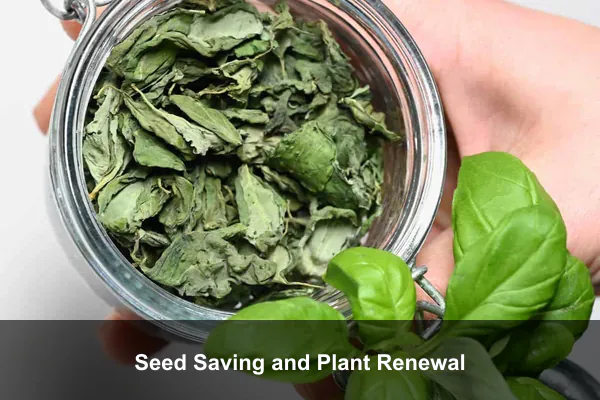
Seed saving is a distinctive and useful angle for basil plant benefits and information because it turns basil from a one-season herb into a renewable home garden habit. Basil seeds form after flowers dry on the stem. When the flower spikes become brown and crisp, the tiny black seeds can be collected carefully.
How to Save Basil Seeds
- Choose a healthy plant with the flavor and growth habit you like.
- Let several flower spikes mature fully on the plant.
- Cut the dry spikes on a dry day.
- Place them in a paper bag and rub gently to release seeds.
- Separate seeds from chaff as much as possible.
- Store seeds in a labeled paper envelope in a cool, dry place.
Seed saving works best when you understand that basil varieties can cross-pollinate if different types are flowering close together. If exact variety purity matters, grow one type or separate flowering plants. If you simply want vigorous home garden basil, saved seed can still be a rewarding experiment.
Practical Growing Information for Strong Basil Plants
Basil prefers warmth, bright light, and soil that drains well without drying into dust. It is sensitive to cold, so outdoor planting should wait until nights are reliably warm. In containers, basil needs enough root space and regular watering, especially during hot weather.
Light and Temperature
Basil usually performs best with several hours of direct sun. In very hot climates, light afternoon shade can help prevent stress. Indoors, a bright window or grow light is often needed because weak light causes thin stems and sparse growth.
Soil and Water
Use a loose potting mix for containers and make sure the pot has drainage holes. Water when the top layer begins to dry, then water deeply enough that moisture reaches the root zone. Constantly soggy soil can lead to weak roots, while repeated drought can make leaves tough and growth slow.
Pruning for Shape
Regular clipping encourages branching. Instead of removing only single leaves from the bottom, cut just above a pair of leaves so the plant can produce side shoots. This keeps basil bushier and more productive.
Everyday Uses That Keep Basil Valuable
Basil is most useful when it becomes part of normal household routines. A few leaves can brighten eggs, noodles, soups, rice dishes, sandwiches, and roasted vegetables. Purple basil can add color to fresh plates, lemon basil can lift drinks and salads, and Thai basil can bring deeper aroma to warm meals.
Beyond cooking, basil can support mindful gardening. Its scent makes it enjoyable to touch and observe, while its quick response to watering, pruning, heat, and light teaches beginners how plants communicate through leaves and stems.
- Grow one compact pot near the kitchen for quick clipping.
- Plant several varieties together for color and aroma comparison.
- Let one outdoor plant flower for pollinators and seed saving.
- Label different basil types to avoid mixing flavors accidentally.
- Use culinary basil in food amounts and treat concentrated oils or supplements with caution.
Conclusion
Basil is more than a garnish. A thoughtful look at Basil plant benefits and information shows a herb with variety, fragrance, seasonal beauty, and renewable value. By choosing the right type, allowing selected plants to flower, and saving seeds when possible, gardeners can enjoy basil as a complete plant rather than only a bundle of leaves.
For small spaces, beginner gardens, and practical home herb routines, basil offers a strong return from a modest amount of care. It brings flavor to the kitchen, life to the garden, and a clear example of how useful plants can support daily living in simple, sustainable ways.
