

Boston Fern plant benefits and information often focus on beauty, humidity, and classic houseplant charm, but this graceful fern also deserves attention as a living tool for softer, fresher indoor corners. With arching green fronds and a naturally full shape, the Boston Fern can make rooms feel calmer without needing bright flowers, strong fragrance, or complicated styling.
For homes in the Manfaat Tanaman niche, Boston Fern is valuable because it combines visual comfort with practical indoor function. It is not a miracle air purifier, but it can support better plant habits, encourage humidity awareness, soften hard room lines, and bring a fresh tropical look to compact spaces. The key is understanding what this fern actually offers and what care it needs to stay lush.
Why Boston Fern Is More Than Decorative Greenery

The Boston Fern, known botanically as Nephrolepis exaltata, is a popular indoor fern with fine, feather-like fronds that grow in a soft fountain shape. This form gives it a visual advantage over many upright houseplants: it fills space gently without feeling heavy.
Its main benefit is not one single dramatic feature. Instead, Boston Fern plant benefits come from a combination of texture, movement, moisture-loving growth, and low-scent foliage. It works especially well in homes that need greenery but not sharp leaves, heavy perfume, or bold architectural plants.
Best indoor roles for Boston Fern
- Softening empty corners: Its arching fronds make plain shelves, stands, and corners feel more finished.
- Adding visual freshness: The bright green foliage creates a clean, lively impression.
- Supporting calmer routines: Regular misting, watering checks, and pruning can become simple mindful habits.
- Balancing hard materials: It pairs well with tile, glass, concrete, and metal interiors.
Cleaner Airflow Benefits Without Exaggerated Claims
Boston Fern is often mentioned in discussions about indoor air quality. It is important to be realistic: one houseplant will not replace ventilation, filtration, or regular cleaning. However, a healthy Boston Fern can still contribute to a more pleasant indoor environment by catching light dust on its fronds and encouraging better airflow awareness.
Because Boston Fern fronds are delicate and layered, they can collect dust over time. This is useful only if the plant is maintained. A dusty fern does not look fresh and may struggle to photosynthesize efficiently. Gentle rinsing or showering helps keep the plant attractive and prevents buildup.
How to use Boston Fern for fresher rooms
- Place it where air moves gently, not directly under an air conditioner or strong fan.
- Rinse the fronds every few weeks with clean water.
- Remove brown or dry fronds quickly to keep the plant open and healthy.
- Combine plant care with basic room habits such as opening windows when weather allows.
Humidity Awareness and Daily Comfort
One of the most useful Boston Fern plant benefits is that it teaches you to notice dry indoor conditions. When the air is too dry, its frond tips may brown, curl, or shed small leaflets. This makes the plant a visible signal that the room may need gentler humidity management.
Boston Fern prefers evenly moist soil and moderate to high humidity. It can be especially useful in homes with air conditioning, indoor heating, or dry seasonal air. Instead of guessing, watch the plant: dull fronds, crispy tips, and fast-drying soil are signs that the environment may be too dry.
Simple humidity support ideas
- Group it with other moisture-loving houseplants.
- Use a pebble tray with water below the pot, keeping roots above standing water.
- Choose a room with naturally higher humidity, such as a bright kitchen area.
- Avoid placing it beside heat vents, strong fans, or hot windows.
Care Information for Long-Term Fern Health
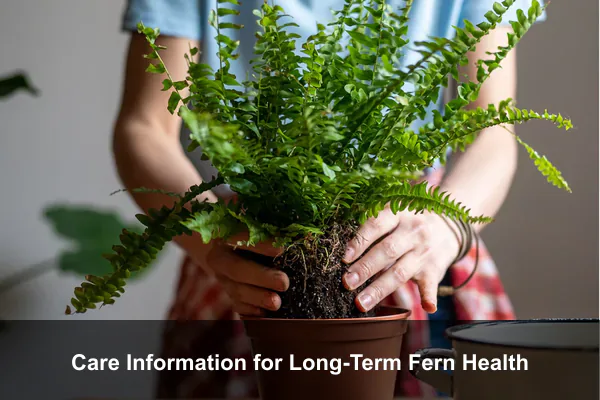
Boston Fern is not the hardest houseplant, but it is less forgiving than ZZ plant, snake plant, or pothos. Its beauty depends on consistency. If you want the full benefit of lush foliage, focus on moisture, filtered light, and clean growth.
Light needs
Boston Fern grows best in bright, indirect light. It can tolerate lower light for short periods, but weak light often leads to thin, tired growth. Direct harsh sun can scorch the fronds, especially through hot windows.
Watering rhythm
Keep the potting mix lightly moist, not soggy. Water when the top layer begins to feel slightly dry. If the plant dries completely, fronds may brown quickly. If it stays waterlogged, roots may weaken and rot.
Soil and potting
Use a loose, moisture-retentive potting mix with good drainage. A blend made for indoor foliage plants can work well if it does not compact heavily. The pot should have drainage holes so excess water can escape.
Design Benefits for Small Homes and Apartments
Boston Fern is useful for small-space living because it creates volume without needing a large floor footprint. A hanging pot, narrow plant stand, or wall bracket can display the fern while keeping tables and walkways clear.
Its soft texture also makes small rooms feel less rigid. In apartments with plain walls, hard flooring, or minimal furniture, one full Boston Fern can add a natural focal point without overwhelming the space.
Smart placement ideas
- Near a bright window: Keep it out of direct afternoon sun.
- On a plant stand: Let the fronds fall freely around the pot.
- In a reading corner: Use it to soften lamps, shelves, and straight furniture lines.
- Beside neutral walls: The green fronds add contrast without strong color clashes.
Common Problems and Practical Fixes
Many Boston Fern problems come from inconsistent watering, dry air, or poor light. The good news is that most issues show up early, so you can adjust before the whole plant declines.
Brown tips
Brown tips usually suggest dry air, underwatering, fertilizer buildup, or direct sun. Trim damaged tips if needed, then improve moisture consistency and move the plant away from harsh light.
Yellow fronds
Yellowing may happen from overwatering, poor drainage, or old growth. Check the soil before watering again. If the pot feels heavy and wet, allow it to drain and dry slightly before the next watering.
Leaflet shedding
Small leaflets dropping from the fronds often means the plant became too dry. Give it a thorough watering, raise humidity gently, and remove the mess so pests do not hide in debris.
Who Should Choose a Boston Fern?
Boston Fern is ideal for people who enjoy active but gentle plant care. It suits someone who checks plants regularly and likes the ritual of watering, trimming, and refreshing foliage. It may not be the best choice for frequent travelers or anyone who wants a plant that can be ignored for weeks.
Choose Boston Fern if you want a plant that feels soft, abundant, and naturally fresh. Avoid it if your home is extremely dry, very dark, or if you dislike cleaning fallen leaflets. With the right match, this fern becomes one of the most rewarding indoor foliage plants.
Conclusion
Boston Fern plant benefits and information are best understood through realistic expectations. This plant offers soft beauty, humidity awareness, cleaner-looking greenery, and calming indoor texture. It will not solve air quality problems by itself, but it can make daily spaces feel fresher and more cared for.
With bright indirect light, steady moisture, good drainage, and occasional cleaning, Boston Fern can stay lush for years. For anyone interested in practical Manfaat Tanaman, it is a meaningful choice: beautiful, useful, and closely connected to better indoor plant care habits.
