
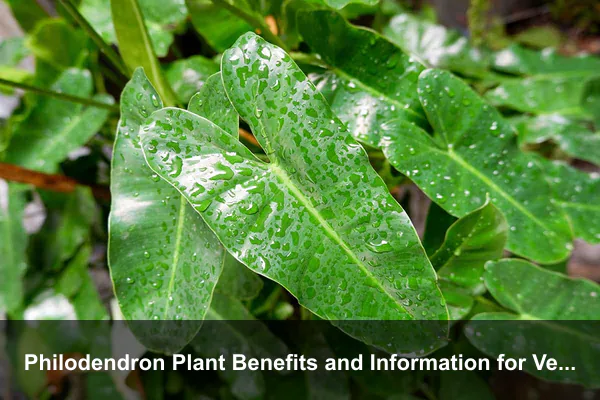
Philodendron plant benefits and information are often discussed in terms of easy indoor care, attractive foliage, and tropical beauty. A more practical way to understand this plant, however, is to look at how it can help people build greener rooms vertically. Many homes, apartments, dorms, offices, and small studios do not have extra floor space for large planters, but they do have blank walls, shelves, bookcases, trellises, cabinet tops, and bright corners that can support living greenery.
This article takes a space-saving angle on Philodendron care and value. Instead of treating the plant only as a pot on a table, it explains how climbing, trailing, and upright Philodendron types can become part of a smarter indoor layout. You will learn the realistic benefits, essential plant information, placement ideas, care routines, safety notes, and design strategies that make Philodendrons useful for compact living. In the context of Manfaat Tanaman, the main benefit is not a miracle claim, but a combination of visual comfort, plant-care learning, indoor freshness, and better use of limited space.
Why Philodendrons Work Well for Vertical Indoor Greenery
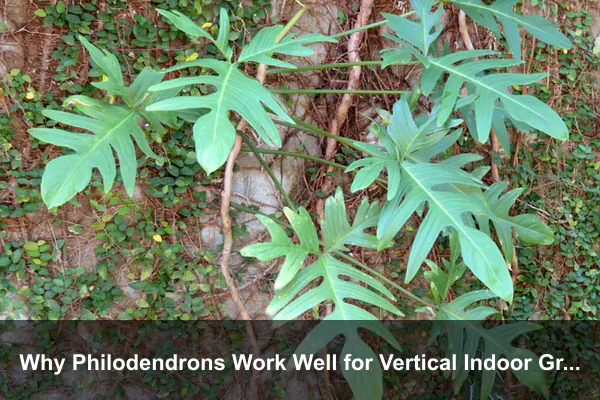
Philodendrons belong to the aroid family, a group of plants known for adaptable foliage and flexible growth habits. Many popular indoor Philodendrons naturally climb tree trunks in tropical environments, while others trail, spread, or form compact clumps. This makes the plant especially useful for vertical indoor greenery because it can grow upward, downward, or outward depending on the support and pruning style you choose.
For small homes, this matters. A large floor plant can be beautiful, but it may block walkways, crowd furniture, or become difficult to move. A Philodendron trained on a moss pole, coco pole, trellis, wall grid, shelf edge, or hanging planter can create the feeling of abundant greenery while using very little floor area. This is one of the most practical Philodendron plant benefits for modern indoor spaces.
A Plant That Can Follow the Shape of a Room
Unlike rigid decor, a Philodendron can be guided over time. A vining type can soften a bookshelf, climb beside a window, frame a mirror, or spill from a high cabinet. A self-heading type can fill a compact corner with bold leaves without needing a broad plant stand. This flexibility helps the plant adapt to changing rooms, rental homes, and multipurpose spaces.
Vertical Growth Supports Healthier Habits
Vertical plant displays also make care easier to observe. When leaves are lifted off the floor, you can see yellowing, dust, pests, dry soil, leaning stems, or crowded growth sooner. This helps owners respond with small corrections instead of waiting until the plant has a bigger problem. In that sense, a vertical Philodendron is not only decorative; it encourages consistent, attentive plant care.
Key Philodendron Plant Benefits for Compact Homes
The best Philodendron benefits are realistic and practical. Indoor plants cannot replace ventilation, cleaning, or good building design, but they can improve how a space feels and how people interact with it. Philodendrons are especially valuable when the goal is to create green impact without adding clutter.
Space-Saving Greenery
A Philodendron can deliver a strong visual presence from a small pot. When trained vertically, one container may support several feet of foliage. This makes it useful for apartments, shared rooms, narrow offices, and homes where every surface has a function. Instead of adding multiple decorative objects, one healthy plant can bring texture, color, and movement to a wall or shelf.
Visual Softness and Natural Texture
Philodendron leaves often have heart shapes, lobed forms, glossy surfaces, or deep green tones. These features can soften hard indoor materials such as concrete, tile, metal shelving, glass desks, and plain painted walls. The result is a room that feels less sterile and more lived-in. This benefit is especially useful in work areas, study corners, and rental spaces where major design changes are not possible.
Plant-Care Learning Without a Large Garden
One underrated benefit of Philodendrons is that they teach plant observation. New leaves, aerial roots, leaning stems, pale growth, drooping, and soil dryness all give clues. For beginners, this is a manageable way to learn about light, water, humidity, pruning, and propagation. You do not need an outdoor garden to understand basic plant behavior.
Low-Mess Indoor Value
Most indoor Philodendrons do not drop large amounts of petals, fruit, or fine debris. They are not completely maintenance-free, but their mess is usually limited to occasional old leaves, spilled potting mix during repotting, or water drips after watering. For busy homes, this makes them easier to live with than many flowering or outdoor-adapted plants.
Flexible Styling for Different Budgets
Philodendrons can fit many budgets. A small starter plant can be trained slowly, while a mature specimen can provide instant visual impact. Simple supports such as bamboo stakes, nursery poles, wall hooks, and repurposed shelving can work well when used safely. This makes vertical Philodendron styling accessible without requiring an expensive living wall system.
Important Philodendron Information Before You Choose One
Before buying or styling a Philodendron, it helps to understand the plant’s growth type. Many care problems happen because people choose a plant for its look without considering how it wants to grow. The right match between plant type and room layout reduces stress for both the plant and the owner.
Climbing Philodendrons
Climbing Philodendrons produce stems that naturally look for support. They often grow aerial roots that attach to rough surfaces in nature. Indoors, they can be guided up moss poles, coco poles, wood planks, or trellises. These are good choices when you want height, larger leaves over time, and a structured green column.
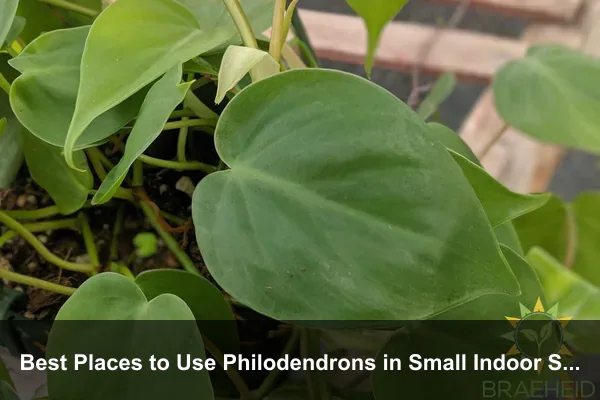
Common examples include heartleaf Philodendron forms and many collector types with climbing habits. The exact variety matters, but the general care pattern is similar: provide bright indirect light, a chunky potting mix, moderate watering, and a stable support that does not wobble.
Trailing Philodendrons
Trailing types are excellent for shelves, hanging baskets, tall cabinets, and wall-mounted planters. They can create a curtain of foliage without taking up desk or floor space. However, long vines need occasional pruning so they do not become thin, tangled, or difficult to inspect. Pruning also helps encourage fuller growth near the pot.
Self-Heading Philodendrons
Self-heading Philodendrons grow in a more upright, clumping form. They are useful when you want bold foliage without long vines. These types suit corners, plant stands, and low shelves. They may not climb a wall, but they can still support vertical design by adding strong leaf shape at the base of a display.
Juvenile and Mature Leaf Forms
Some Philodendrons change leaf size or shape as they mature, especially when given support and enough light. A plant that looks small and simple in a nursery pot may become more dramatic over time. This is a benefit if you want a long-term plant project, but it also means you should plan enough vertical room for future growth.
Best Places to Use Philodendrons in Small Indoor Spaces
Philodendron placement should balance design, light, airflow, access, and safety. The best location is not always the most visible one. It is the place where the plant can receive steady conditions and where you can water, rotate, prune, and inspect it without difficulty.
Bookshelves and Open Shelving
Open shelves are ideal for trailing Philodendrons because vines can drape naturally while the pot remains stable. Keep vines away from items that need frequent handling, and avoid letting leaves press against damp walls. If the shelf is deep and receives indirect light, it can become a compact green display with very little footprint.
Window-Adjacent Walls
A wall near a bright window can support a climbing Philodendron if the light is filtered. Direct hot sun may scorch leaves, but bright indirect light usually supports stronger growth and better leaf color. A trellis or pole placed near the window can turn unused vertical space into a living feature.
Work Corners and Study Areas
A small Philodendron on a side shelf or vertical stand can add greenery to a work area without stealing desk space. The goal is not to create distraction, but to soften the room and make breaks more restorative. Choose a compact or easily pruned type if the space is narrow.
Kitchen and Dining Corners
Philodendrons can work in kitchens if they are kept away from heat, grease, direct steam, and food-preparation surfaces. A high shelf with bright indirect light may be better than a countertop. Because Philodendrons are not edible and contain irritating compounds, they should never be confused with culinary herbs.
Bathrooms With Real Light
A bathroom can be suitable if it has a real window or strong grow light. Humidity may benefit the leaves, but darkness will weaken the plant over time. Avoid placing pots where water splashes constantly, as soggy soil can cause root problems.
How to Train a Philodendron Upward
Training a Philodendron vertically is simple when done gradually. The goal is to support natural growth rather than force stems into sharp bends. Young stems are usually easier to guide than old woody sections, so start early when possible.
Choose a Stable Support
The support should match the plant’s future size. A small stake may work for a young plant, but a heavier climbing Philodendron needs a stronger pole or trellis. If the support sits inside the pot, it should be inserted without damaging major roots. If it attaches to a wall, use safe hardware and avoid surfaces that may be damaged by moisture or aerial roots.
Tie Gently and Check Often
Use soft plant ties, cotton string, clips designed for plants, or flexible garden tape. Do not tie stems tightly. A tight tie can cut into the plant as it grows. Check ties every few weeks and loosen or move them when needed.
Encourage Fuller Growth
Vertical plants can become top-heavy or bare near the pot if they are not pruned. Pinching or pruning long stems can encourage branching. Rotating the pot slightly every week or two can help growth stay balanced, especially if light comes from one direction.
Respect the Plant’s Natural Direction
A Philodendron grows toward light and support. If stems repeatedly turn away from a pole, the light may be stronger from another direction. Instead of forcing the plant, adjust the support or move the pot so the plant can grow more naturally.
Philodendron Care Basics for Healthy Vertical Growth
Vertical styling only works when the plant is healthy. A weak Philodendron will not climb well, produce attractive leaves, or recover quickly from pruning. Care does not have to be complicated, but it should be consistent.
Light Requirements
Most indoor Philodendrons prefer bright, indirect light. They may tolerate lower light, but growth often becomes slower, smaller, and more stretched. Too much direct sun can cause pale patches, brown spots, or scorched edges. A position near an east-facing window, a filtered south or west window, or a bright room away from harsh sun is often suitable.
Watering Rhythm
Water when the top layer of soil has dried, rather than following a fixed calendar. The exact timing depends on pot size, temperature, humidity, light, and season. A plant on a warm bright shelf may dry faster than one in a dim corner. Always check the soil before watering and let excess water drain away.
Soil and Potting Mix
Philodendrons usually grow best in a loose, airy potting mix. A useful indoor mix may include quality potting soil, orchid bark, perlite, coco chips, or similar ingredients that hold some moisture while allowing air around the roots. Dense, soggy soil is a common cause of yellow leaves and root decline.
Humidity and Airflow
Philodendrons appreciate moderate humidity, but they do not need constant misting. In many homes, stable watering and good light matter more than spraying leaves. If the air is very dry, grouping plants, using a pebble tray carefully, or running a humidifier can help. Airflow should be gentle, not a cold draft or direct blast from an air conditioner.
Feeding
During active growth, a balanced houseplant fertilizer at a mild rate can support healthy leaves. Avoid overfeeding, especially in low light or during slower growth periods. Too much fertilizer can cause salt buildup, brown tips, or weak growth. When in doubt, feed lightly and observe the plant’s response.
Safety, Pets, and Responsible Placement
Philodendron plant benefits should always be discussed with safety in mind. Philodendrons contain calcium oxalate crystals, which can irritate the mouth, throat, skin, or digestive system if chewed or handled carelessly. This does not mean they cannot be grown at home, but placement should be responsible.
Keep Away From Children and Pets
If you have curious children, cats, dogs, or other pets, place Philodendrons out of reach. Hanging planters, high shelves, enclosed plant corners, or rooms with controlled access may be safer. Fallen leaves should be removed promptly. If a person or pet chews the plant and shows symptoms, contact a medical professional or veterinarian.
Use Gloves for Pruning
Some people are sensitive to plant sap. Wearing gloves while pruning or propagating is a simple precaution. Wash hands and tools afterward, especially before preparing food or touching your face.
Avoid Unsafe Wall Installations
Vertical greenery should be secure. Heavy pots should not sit on weak shelves, and wall hooks should be suitable for the weight of the plant, pot, wet soil, and support. A plant that falls can damage furniture, injure someone, or break stems. Safety is part of good plant design.
Common Problems in Vertical Philodendron Displays
Vertical displays create special care challenges. A plant placed high on a shelf may be harder to inspect. A climbing plant may hide pests behind leaves. A pot close to a wall may trap moisture. Knowing these issues helps prevent avoidable problems.
Leggy Growth
Leggy growth usually means the plant wants more light or needs pruning. Move it gradually to brighter indirect light and trim long bare stems if necessary. Do not suddenly place a low-light plant in strong sun, because leaves may burn.
Yellow Leaves
One yellow old leaf can be normal. Several yellow leaves may point to overwatering, poor drainage, cold stress, low light, or root problems. Check the soil, pot drainage, and recent changes in the room before adding fertilizer or water.
Brown Leaf Tips
Brown tips can come from inconsistent watering, dry air, fertilizer buildup, or stress from heat and drafts. Trim damaged edges if desired, but focus on improving the growing conditions. Cosmetic trimming does not solve the underlying cause.
Pests Hidden in Dense Foliage
Spider mites, mealybugs, scale, and thrips can hide under leaves or along stems. Inspect vertical plants regularly, especially where vines overlap. Early detection makes treatment easier. Wiping leaves, isolating affected plants, and using appropriate houseplant-safe treatments can prevent spread.
Water Damage Near Walls or Shelves
Watering plants on shelves can lead to drips, stains, or swollen wood if drainage is not managed. Use waterproof saucers, remove pots for watering when possible, and avoid letting damp leaves press against painted surfaces. Practical setup protects both the plant and the home.
How to Choose the Right Philodendron for Your Space
The right Philodendron depends on your room, light, schedule, budget, and safety needs. A beautiful plant that does not fit your lifestyle may become frustrating. Use selection criteria that match the plant to the space instead of choosing only by trend.
For Narrow Rooms
Choose a climbing or compact type that can grow upward rather than outward. A pole-trained Philodendron can add greenery without blocking movement. Keep the pot size proportional to the path or corner where it will sit.
For High Shelves
Choose a trailing type that tolerates pruning and can be watered safely. Avoid placing very heavy ceramic pots overhead. Lightweight nursery pots inside decorative cachepots may be easier to manage, as long as drainage is handled properly.
For Beginners
Choose a common, resilient variety before buying rare or expensive plants. Common types are easier to replace, easier to research, and often more forgiving. Once you understand your light and watering habits, you can try more demanding varieties.
For Design Impact
Choose leaf shape and growth habit based on the room. Heart-shaped leaves feel soft and classic. Deeply lobed leaves feel bold and tropical. Upright forms feel structured. Trailing vines feel relaxed. Matching the plant’s character to the room creates better visual harmony.
Low-Waste Philodendron Habits
A sustainable approach to Philodendron care focuses on keeping plants healthy, avoiding unnecessary purchases, and using resources wisely. This fits the broader idea of plant benefits because a plant should improve daily life without creating constant waste.
Reuse Supports and Containers
Cleaned nursery pots, sturdy stakes, old trellises, and existing shelves can often be reused. Decorative upgrades are optional. What matters most is drainage, stability, and plant health.
Propagate Responsibly
Many vining Philodendrons can be propagated from stem cuttings with nodes. Propagation is useful for filling out a pot, sharing with friends, or rescuing healthy sections from a struggling plant. However, avoid taking cuttings from plants you do not own, and avoid buying suspiciously sourced rare plants.
Buy From Transparent Sellers
Responsible buying supports healthier plant communities. Choose sellers who label plants clearly, provide care information, and avoid misleading names. Be cautious with extremely rare plants sold without provenance. Healthy roots and honest labeling are more valuable than hype.
Use Water Wisely
Water thoroughly but only when needed. Dumping small amounts of water every day can keep the surface damp while roots remain unhealthy. A better routine is to check soil moisture, water deeply when appropriate, and let excess drain.
Simple Vertical Philodendron Setup Ideas
If you want a practical starting point, choose a setup that fits your home instead of copying a complicated display. The best arrangement is one you can maintain easily.
- Single moss pole planter: Good for a climbing Philodendron near a bright window with indirect light.
- Trailing shelf plant: Ideal for a heartleaf type on a bookcase, cabinet, or wall shelf.
- Hanging basket corner: Useful when floor and table space are limited, as long as watering access is safe.
- Plant ladder: A narrow ladder shelf can hold several small plants without drilling into walls.
- Window-side trellis: A lightweight trellis can guide vines upward while keeping leaves close to natural light.
For each setup, leave enough space for leaf growth and hand access. A plant that looks perfect on day one may become hard to water after six months if it is squeezed too tightly between furniture and walls.
Philodendron Myths to Avoid
Good Philodendron information should separate useful benefits from exaggerated claims. Overstated promises can lead to disappointment or unsafe use. The plant is valuable, but it is still a living houseplant with normal limits.
Myth: A Philodendron Purifies All Indoor Air
Philodendrons may participate in normal plant processes, but a few houseplants cannot replace ventilation, filtration, cleaning, or source control for indoor pollutants. Enjoy the plant for greenery, comfort, and learning, while using proper methods for air quality.
Myth: Yellow Leaves Always Mean More Water
Yellow leaves can mean too much water, too little light, root stress, nutrient imbalance, old age, or environmental shock. Always inspect conditions before reacting. More water is not automatically the solution.
Myth: Bigger Pots Make Faster Growth
A pot that is too large can hold excess moisture around the roots. Choose a pot only slightly larger than the root system when repotting. Good root health supports better vertical growth than oversized containers.
Myth: Rare Philodendrons Are Always Better
Rare plants can be interesting, but they are not automatically more useful, beautiful, or suitable for your home. A healthy common Philodendron in the right place often gives more long-term value than an expensive plant kept in poor conditions.
Conclusion
Philodendron plant benefits and information become more useful when viewed through the lens of vertical indoor greenery. This plant is not only a decorative pot of leaves; it can help small homes feel greener, softer, and more organized without taking over valuable floor space. Climbing, trailing, and upright Philodendrons offer different ways to use walls, shelves, poles, trellises, and bright corners more effectively.
The most important benefits are practical: space-saving beauty, flexible styling, beginner-friendly observation, low-mess foliage, and long-term plant-care learning. To get those benefits, choose the right growth type, provide bright indirect light, water only when the soil is ready, use an airy potting mix, and place the plant safely away from children and pets. With responsible care, a Philodendron can become a living vertical feature that supports both indoor design and everyday connection with plants.
