

Boston Fern plant benefits and information are often discussed through humidity, pet safety, or basic care, but this classic fern also deserves attention as a design-smart houseplant that changes how a room feels. Its arching fronds, fine leaflets, and layered green texture can soften sharp interiors, make small corners feel more lived-in, and add natural movement without strong fragrance, flowers, or visual clutter.
Known botanically as Nephrolepis exaltata, the Boston Fern is an ornamental foliage plant with a long indoor history. It is not a miracle air purifier, and it should not be treated as a medical solution for indoor health. Its real value is more practical: it brings gentle greenery, improves the sensory quality of a space, supports mindful plant routines, and helps people notice light, moisture, and airflow in their homes. This guide takes a fresh angle on Boston Fern benefits by focusing on texture, room comfort, placement, styling, and realistic care choices that help the plant look good for the long term.
Why Boston Ferns Feel Different from Many Houseplants
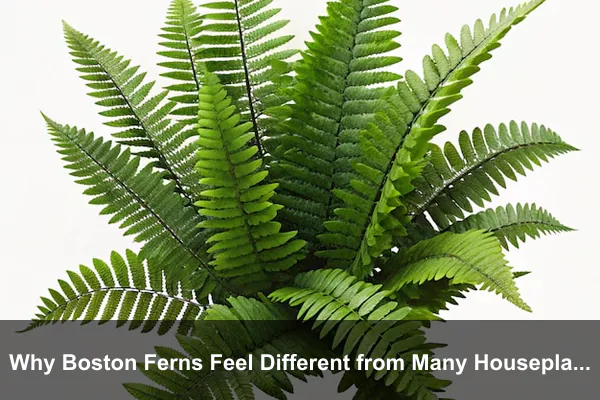
A Boston Fern has a softer visual character than many popular indoor plants. While snake plants stand upright and pothos trails in long vines, Boston Ferns create a fountain-like shape. The fronds rise from the center, curve outward, and form a full green canopy made of many small leaflets. This makes the plant especially useful where a room feels too rigid, minimal, or hard-edged.
The plant’s texture is its strongest design feature. Each frond is divided into many narrow leaflets, so the overall effect is detailed without feeling busy. This is why Boston Ferns can make modern shelves, simple plant stands, and plain corners look more finished. They add visual softness in the same way textiles, curtains, or woven baskets can soften a room, but with the added benefit of living growth.
Basic Boston Fern Information
Boston Fern is a tropical and subtropical fern commonly grown as an indoor ornamental plant. It prefers bright, indirect light, evenly moist but not soggy soil, and moderate to high humidity. The plant does not produce showy flowers; its beauty comes from foliage density, frond length, and healthy green color.
- Botanical name: Nephrolepis exaltata
- Common name: Boston Fern
- Plant type: Evergreen fern grown as a houseplant or shaded ornamental
- Main appeal: Soft arching fronds and dense green texture
- Best indoor light: Bright indirect light or gentle filtered light
- Care difficulty: Moderate, mainly because moisture and humidity need consistency
A Plant That Rewards Observation
One useful part of growing Boston Fern is that it gives visible feedback. Dry edges, pale fronds, shedding leaflets, or limp growth often show that the plant’s environment has changed. For people who want to become better indoor gardeners, this makes the fern a helpful teacher. It encourages observation instead of guesswork.
Key Boston Fern Plant Benefits for Indoor Living
The best Boston Fern plant benefits are not exaggerated claims but everyday advantages that improve how a room looks and feels. This plant can support a calmer indoor atmosphere, create a more natural visual rhythm, and make underused spaces feel intentional.
Softens Hard Lines and Empty Corners
Rooms with many straight lines can feel cold: desks, shelves, cabinets, tile, windows, and electronics all create hard shapes. Boston Ferns balance those lines with layered, arching foliage. A healthy plant placed on a stand, side table, or high shelf can visually soften the space without needing bright flowers or bold colors.
Adds Gentle Movement
Boston Fern fronds move slightly when air circulates through a room. This movement is subtle, but it makes the plant feel alive in a way that stiff foliage plants do not. In a reading corner, hallway landing, or quiet living room, this gentle motion can make the space feel more relaxed and natural.
Creates a Fuller Green Look Without Taking Much Floor Space
A Boston Fern can look lush even when the pot is not very large. Because the fronds spread outward, the plant creates volume above the pot rather than needing a wide planter. This makes it useful for apartments, narrow rooms, and compact homes where every square foot matters.
Supports Fragrance-Free Greenery
Some people enjoy scented plants, but others prefer indoor greenery without strong fragrance. Boston Fern is a good option for fragrance-free decor because its impact comes from texture and color rather than scent. This makes it easier to use in shared rooms, guest spaces, and work areas where strong aromas may not be welcome.
Using Boston Fern for Texture-Based Interior Styling

Boston Ferns work best when they are styled with their natural shape in mind. Instead of forcing the plant into a tight corner, give the fronds enough room to arch. A cramped fern quickly looks messy because its fronds bend, press against walls, or dry where airflow is poor.
Best Rooms for Visual Impact
A Boston Fern can work in many indoor spaces, but it looks most natural where its soft outline has breathing room. It can sit near a bright window with filtered light, on a plant stand beside a sofa, or above a low cabinet where the fronds can spill outward.
- Living rooms: Use it to soften media walls, empty corners, or boxy furniture.
- Bedrooms: Place it where indirect light reaches the plant and the foliage adds calm visual texture.
- Dining areas: Use it as a green accent on a sideboard rather than the dining table, where fronds may interfere with meals.
- Hallway corners: Choose only if there is enough light and the fronds will not be brushed constantly.
- Covered indoor-outdoor transitions: Use in sheltered, shaded spaces where temperature stays suitable.
Pairing Boston Fern with Materials
Boston Fern foliage pairs especially well with natural and simple materials. Terracotta can create a warm, earthy look, while ceramic planters give a cleaner indoor style. Woven baskets can make the fern feel relaxed, but the nursery pot should still have drainage inside the basket so water does not collect around the roots.
The plant also contrasts well with wood, stone, linen, rattan, and matte metal. In a bright room with white walls, the fern’s detailed leaflets prevent the space from feeling too plain. In darker rooms, the plant can add softness, but only if light is still strong enough for healthy growth.
Avoiding Visual Clutter
Because Boston Fern already has a detailed texture, it is usually better to style it with simple surrounding objects. Too many small decorations around the pot can make the area look crowded. Let the fern be the main texture in that spot, then use cleaner shapes nearby.
Realistic Wellness Value Without Overstated Claims
Boston Fern plant benefits are sometimes described in dramatic ways, especially around air purification. It is more accurate to say that indoor plants can contribute to a more pleasant environment, but a few houseplants cannot replace ventilation, cleaning, source control, or proper air filtration. The Boston Fern’s wellness value is best understood through comfort, routine, and sensory experience.
Visual Calm and Biophilic Design
Biophilic design is the practice of bringing natural elements into built environments. Boston Ferns fit this idea well because they look distinctly organic. Their fronds create repeated natural patterns, which can make a room feel less sterile. This does not mean the plant cures stress, but many people find that caring for greenery and seeing living plants indoors supports a more pleasant daily environment.
A Helpful Plant for Slower Routines
Boston Ferns require more attention than extremely drought-tolerant plants. That can be a benefit for people who enjoy plant care as a small routine. Checking soil moisture, rotating the pot, trimming dry fronds, and watching new growth can become a simple way to slow down during the day.
This routine is especially useful when expectations are realistic. A Boston Fern is not a plant to ignore for weeks. It suits owners who like to observe their plants and make small adjustments before problems become severe.
Low-Fragrance, Foliage-First Comfort
Because it has no strong floral scent, Boston Fern can provide greenery without competing with food, candles, personal fragrance, or household products. This makes it a good choice for people who want the benefits of indoor plants but prefer a neutral sensory profile.
Light, Water, and Placement Information for Better Results
Even a beautifully styled Boston Fern will struggle if the environment is wrong. The plant’s care needs are not complicated, but they are less forgiving than succulents or snake plants. Consistency matters more than perfection.
Light Requirements
Boston Ferns prefer bright, indirect light. Direct midday sun can scorch fronds, while very low light can lead to weak growth, thinning foliage, and slower recovery after trimming. A spot near an east-facing window, a bright north-facing window, or a filtered south or west-facing window can work well.
If the plant is several feet from a window, watch the fronds. If growth becomes sparse and the plant looks flat or dull, it may need more light. If leaflets turn crispy on the sun-facing side, the light may be too intense or the plant may be drying too quickly.
Watering Rhythm
Boston Ferns like evenly moist soil, but they do not want stagnant water around the roots. Water when the top layer of potting mix begins to feel slightly dry, then let excess water drain away. The exact schedule depends on light, temperature, pot size, humidity, and soil mix.
- Touch the top of the soil before watering.
- Water thoroughly until moisture reaches the root zone.
- Empty any saucer after drainage finishes.
- Check more often during hot, bright, or dry indoor conditions.
- Reduce watering slightly when growth slows in cooler, darker periods.
Humidity and Airflow
Boston Ferns appreciate humidity, but humidity alone does not solve every problem. A humid room with poor airflow can still invite fungal issues or stale soil. A dry room with strong heat vents can make fronds crisp quickly. The goal is balance: moderate humidity, gentle air movement, and soil that stays moist without becoming waterlogged.
Grouping plants, using a pebble tray, or placing the fern in naturally more humid areas can help, but misting should not be treated as a complete care strategy. Misting may briefly wet the fronds, yet it rarely changes room humidity for long.
Common Boston Fern Problems and What They Mean
Boston Fern problems are usually environmental signals. Instead of treating every symptom as a mystery, read the plant’s changes as clues. The earlier you respond, the easier it is to protect the plant’s shape.
Crispy Brown Leaflets
Crispy leaflets often point to dry soil, low humidity, too much direct sun, heat vents, or inconsistent watering. Trim fully dry fronds at the base and correct the environment. Do not remove every imperfect frond at once if the plant still needs foliage for energy.
Yellowing Fronds
Yellowing can happen when soil stays too wet, when older fronds naturally age, or when light is too low. Check the root zone and drainage before adding more water. If the pot has no drainage hole, repotting into a proper container is usually the better long-term solution.
Leaflet Drop
Boston Ferns may shed leaflets after stress, dryness, relocation, or sudden changes in indoor conditions. Clean fallen leaflets from shelves and soil surfaces so the plant area stays tidy. Then stabilize care instead of moving the fern repeatedly.
Thin or Uneven Growth
Thin growth often means the plant is not receiving enough light or has been stressed for a long time. Rotate the pot every week or two so all sides receive light. If the plant is badly one-sided, trim selectively and allow new growth to fill in gradually.
Choosing the Right Boston Fern for Your Home
A good Boston Fern starts with a good purchase. Many problems begin when a plant is bought only because it looks full in the shop, even though the home environment cannot support it. Before buying, think about where the plant will live and how much care you can realistically provide.
What to Check Before Buying
- Frond color: Look for fresh green growth, not widespread yellowing or gray-looking foliage.
- Soil condition: Avoid plants sitting in sour, soggy soil or bone-dry compacted mix.
- Frond density: Full growth is good, but check inside the crown for hidden dryness.
- Pests: Inspect leaflets and stems for webbing, sticky residue, or moving insects.
- Pot size: A plant that dries out within a day may be root-bound or in too small a pot.
Matching Plant Size to Room Size
A small fern can look charming on a shelf, but a mature Boston Fern may need more horizontal room than expected. Measure the space around the plant, not just the pot. Fronds should not be crushed against walls, curtains, or furniture. If the plant will sit in a narrow walkway, choose a smaller specimen or a different plant shape.
Maintenance Tips for a Fuller, Cleaner-Looking Fern
Boston Ferns look best when maintenance is steady and light. Big rescue sessions are less effective than small regular habits. The goal is to keep the plant’s crown healthy, the soil evenly moist, and the fronds free to arch naturally.
Pruning and Grooming
Remove dead, dry, or badly damaged fronds at the base with clean scissors. This improves appearance and allows new growth to stand out. Avoid cutting healthy frond tips just to shape the plant, because blunt cuts can make the fern look artificial. It is better to remove entire fronds that no longer contribute to the plant’s shape.
Cleaning Around the Plant
Boston Ferns can drop small leaflets, especially during stress or seasonal changes. Place the plant where cleanup is easy. A simple plant mat, tray, or wipeable surface can make maintenance less annoying. Keeping the area clean also helps you notice early signs of pests or watering problems.
Feeding Without Overdoing It
During active growth, Boston Ferns can benefit from light feeding with a balanced houseplant fertilizer diluted according to label directions. More fertilizer will not fix low light, dry air, or poor watering habits. If the plant is stressed, correct the environment first before feeding heavily.
Safety, Pets, and Practical Home Considerations
Boston Fern is commonly considered a pet-friendly houseplant compared with many toxic ornamental plants. Still, pet-friendly does not mean snack-friendly. Cats or dogs that chew large amounts of foliage may vomit or experience stomach upset simply from eating plant material. Keep the fern out of reach if a pet is determined to dig, chew, or knock plants over.
For households with children, Boston Ferns can be useful as a gentle introduction to plant care. The plant is soft-looking and non-spiny, but children should still be taught not to pull fronds or scatter soil. A stable plant stand and a heavier cachepot can prevent tipping.
Where Not to Place It
- Directly above active heat vents or air-conditioning blasts
- In dark corners with no meaningful natural or grow light
- On narrow walkways where fronds are brushed daily
- Inside decorative pots without drainage management
- Near hot glass where direct sun can scorch the foliage
Boston Fern Benefits Compared with Other Indoor Plants
Boston Fern is not the easiest houseplant, but it fills a role that many easier plants do not. ZZ plants and snake plants are excellent for low-maintenance greenery, yet their shapes are firm and architectural. Pothos and philodendrons trail beautifully, but they create a vine effect rather than a soft, rounded canopy. Boston Fern sits in a different category: lush, fine-textured, and visually generous.
Choose Boston Fern when you want softness, fullness, and a natural-looking green accent. Choose a tougher plant if you travel often, forget watering, or only have very low light. The right plant is the one that fits both the room and the owner’s habits.
Conclusion: A Soft, Useful Fern with Realistic Indoor Value
Boston Fern plant benefits and information become more useful when the plant is appreciated for what it truly does well. It adds soft texture, natural movement, fragrance-free greenery, and a fuller visual presence to indoor spaces. It can make hard-edged rooms feel more comfortable and help plant owners build better observation habits.
The key is to avoid treating Boston Fern as either a miracle plant or a difficult antique. It is a living foliage plant with clear preferences: bright indirect light, consistent moisture, decent humidity, drainage, and enough room for its fronds. When those needs are respected, Boston Fern becomes more than decoration. It becomes a practical, beautiful part of a calmer and more thoughtful indoor environment.
