
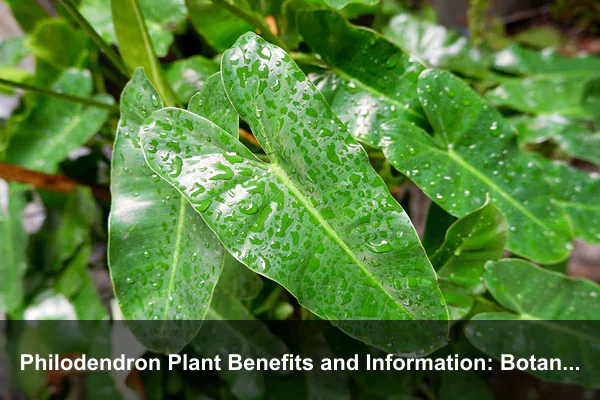
Philodendron plant benefits and information are often discussed in terms of attractive leaves, easy care, and indoor decoration, but there is another valuable angle: philodendrons can help people become more observant, responsible, and informed houseplant owners. Because this large group includes climbing, crawling, and self-heading forms, it teaches practical plant literacy in a way that is easy to see in everyday life.
For anyone interested in Manfaat Tanaman, or the useful value of plants, philodendrons offer more than green color in a room. They can support calming indoor routines, improve visual comfort, encourage careful observation, and help beginners understand how plants respond to light, water, soil, containers, pests, and human habits. This guide focuses on a unique, responsible approach to philodendron ownership: learning how the plant grows, buying it ethically, reading its signals, and building a healthier long-term indoor plant routine.
What Makes Philodendron Different from Ordinary Houseplants?
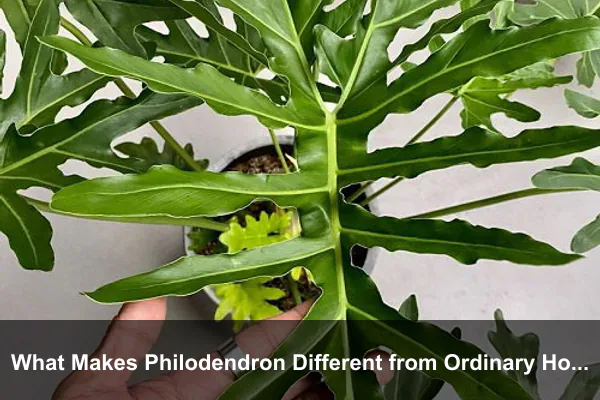
Philodendron is a large genus of tropical plants in the aroid family, Araceae. Many species are native to tropical regions of Central and South America, where they often grow under forest canopies, climb tree trunks, or spread along the forest floor. This natural background explains many common philodendron care needs indoors: filtered light, airy soil, moderate moisture, and room to grow.
The word Philodendron comes from Greek roots often interpreted as “tree-loving,” which fits the climbing habit of many species. However, not all philodendrons behave the same way. Some climb, some trail, some crawl horizontally, and others grow in a compact upright form. This variety makes philodendrons useful for learning how plant shape affects care.
Common Growth Types
Understanding the growth type is one of the most useful pieces of philodendron plant information. It helps you choose the right pot, support, and location.
- Climbing philodendrons: These produce longer stems and aerial roots that benefit from a moss pole, plank, or trellis.
- Trailing philodendrons: These can hang from shelves or baskets and are often used for soft indoor greenery.
- Crawling philodendrons: These grow horizontally and may need wide containers rather than tall narrow pots.
- Self-heading philodendrons: These grow in a fuller upright shape and often work well as floor or table plants.
Why Correct Identification Matters
Many houseplants are sold under broad or informal names. A plant labeled only as “philodendron” may need different care depending on its actual type. Correct identification helps you avoid overwatering, poor placement, unrealistic expectations, and unsuitable containers. It also prevents confusion with similar aroids such as pothos, monstera, and syngonium.
Key Philodendron Plant Benefits for Everyday Indoor Life
The benefits of philodendron plants are best understood realistically. They are not magic air purifiers or instant wellness tools, but they do provide meaningful everyday value when grown thoughtfully. Their strongest benefits come from visual softness, plant-care routines, adaptable design, and the learning they bring into the home.
Visual Calm and Green Texture
Philodendrons add green texture without needing flowers to look attractive. Their leaves may be heart-shaped, lobed, elongated, glossy, matte, ribbed, or deeply cut depending on the type. This variety makes them useful for softening hard indoor surfaces such as desks, shelves, cabinets, and empty corners.
Greenery can make a room feel more settled and lived-in. A well-placed philodendron can break up visual clutter, create a calmer corner, and make a small indoor space feel more connected to nature. This is one of the most practical benefits for apartments, home offices, and shared living rooms.
A Plant That Rewards Observation
Philodendrons are useful teacher plants because they respond visibly to care. Leaves may angle toward light, stems may stretch when light is too low, and new growth may become smaller if the plant lacks support or nutrition. This makes the plant helpful for beginners who want to develop better plant-care instincts.
Instead of following a rigid schedule, philodendron owners learn to observe soil moisture, leaf firmness, new growth, root activity, and seasonal changes. That habit is one of the most underrated benefits of indoor gardening.
Flexible Styling Without Heavy Maintenance
Philodendrons can fit many indoor styles. A small trailing type can sit on a bookshelf, while a mature climbing type can become a strong vertical feature. A compact self-heading variety can work on a plant stand or beside a sofa. This flexibility is useful for renters and homeowners who want greenery without redesigning the entire room.
Botanical Literacy: What Philodendrons Teach You
A unique advantage of philodendron ownership is that it builds botanical literacy. That means learning to notice plant structure, growth habits, and environmental responses. These skills help you care not only for philodendrons but also for many other indoor plants.
Leaves Tell a Story
Philodendron leaves can reveal age, light exposure, watering habits, and overall plant energy. New leaves are often softer and lighter in color before hardening. Older leaves may yellow naturally, especially near the base, but repeated yellowing across the plant may suggest watering or root issues.
Leaf size can also tell you something. If a climbing philodendron produces smaller and smaller leaves, it may need brighter indirect light or a better support structure. If leaves curl or feel limp, the plant may be too dry, too wet, too cold, or stressed after repotting.
Stems and Nodes Explain Propagation
Philodendrons teach an important plant concept: new growth usually depends on nodes. A node is the part of the stem where leaves, aerial roots, and new shoots can form. Understanding nodes prevents common propagation mistakes, such as placing a leaf without a node in water and expecting it to grow into a full plant.
This knowledge supports low-waste plant sharing. Instead of buying new plants constantly, owners can take responsible cuttings from healthy, established plants and share them with friends. However, cuttings should be pest-free, labeled clearly, and taken without weakening the parent plant.
Roots Show the Importance of Air
Many philodendrons dislike dense, waterlogged soil. Their roots need moisture and oxygen. This is why chunky, well-draining potting mixes often work better than heavy garden soil. When you understand this, watering becomes less about adding more water and more about balancing water, air, container size, and root health.
Ethical Buying and Responsible Collecting
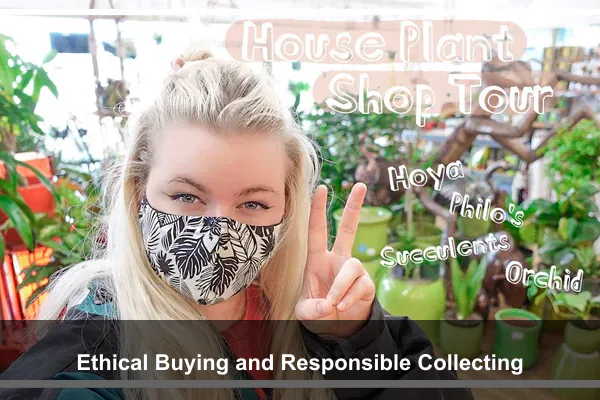
The popularity of rare and unusual philodendrons has created both excitement and problems. Some plants are responsibly propagated by growers, while others may be overpriced, mislabeled, poorly rooted, or sourced in ways that harm natural habitats. A responsible guide to philodendron plant benefits and information should include buying ethics.
Choose Healthy, Established Plants
When buying a philodendron, look beyond leaf beauty. A healthy plant should have firm stems, active growth points, clean leaves, and a root system that supports the plant. Avoid plants with mushy stems, strong sour smells from the soil, heavy pest presence, or roots that are black and collapsing.
For expensive varieties, ask whether the plant is fully rooted, recently imported, tissue-cultured, or freshly cut. A cheaper unrooted cutting may seem attractive, but it carries more risk. For beginners, a stable rooted plant is usually the smarter choice.
Avoid Hype-Based Purchases
Some philodendrons become expensive because of rarity, social media attention, or variegation. Variegated plants can be beautiful, but they may grow more slowly and need more careful light management because pale leaf sections contain less chlorophyll. If your main goal is easy indoor greenery, a common green variety may provide more reliable value.
Before buying, ask practical questions:
- Do I have the right light for this plant?
- Can I provide enough space as it matures?
- Is the plant safe to place away from pets and children?
- Is the price based on stable growth or temporary trend value?
- Can I care for this plant without creating unnecessary waste?
Support Transparent Sellers
Responsible sellers provide clear names, honest photos, basic care information, and realistic condition notes. They should not hide weak roots, recent imports, or pest problems. Buying from transparent growers supports better houseplant culture and helps reduce demand for irresponsible collecting.
Safe Placement in Homes with Children and Pets
Philodendrons are valued houseplants, but they are not edible plants. Like many aroids, they contain calcium oxalate crystals that can irritate the mouth, throat, and digestive tract if chewed or swallowed. This does not mean you must avoid them completely, but it does mean placement matters.
Practical Safety Habits
- Place philodendrons out of reach of curious pets and young children.
- Do not use fallen leaves as play material.
- Wash hands after pruning or handling sap-sensitive areas.
- Keep plant labels or notes so household members know the plant is ornamental.
- Call a qualified medical or veterinary professional if ingestion is suspected.
These safety habits are part of responsible indoor gardening. A plant can be beneficial and still require boundaries. For many households, hanging baskets, high shelves, plant cabinets, or dedicated plant rooms provide safer placement.
Care Basics That Support Long-Term Benefits
The benefits of philodendron plants last longer when the plant is healthy. A stressed plant with yellowing leaves, pests, and soggy soil will not bring the same visual or emotional value as a well-maintained one. Fortunately, most common philodendrons are manageable when their basic needs are understood.
Light
Most philodendrons prefer bright, indirect light. They can tolerate lower light better than some tropical plants, but low light often leads to slower growth, longer spaces between leaves, and smaller foliage. Direct harsh sun can scorch leaves, especially indoors near hot windows.
A good placement is near an east-facing window, a few feet from a bright south or west window, or under a quality grow light. Rotate the pot occasionally if the plant leans strongly toward one side.
Water
Watering should be based on soil condition rather than a fixed calendar. Many philodendrons prefer the top layer of soil to dry slightly before watering again. The exact timing depends on pot size, soil mix, season, humidity, light, and plant size.
Overwatering is one of the most common problems. It is not simply caused by giving too much water once; it often happens when the soil stays wet for too long. A pot with drainage holes and an airy mix helps prevent root stress.
Soil and Potting
A good philodendron mix should hold some moisture but still drain well. Many growers use a blend that includes potting mix, orchid bark, perlite, coco chips, or similar chunky materials. The goal is to create small air pockets around the roots.
Choose a pot that fits the root system. A pot that is much too large can hold excess moisture. A pot that is too small may dry out too quickly and restrict growth. Repot when roots circle heavily, water runs through too fast, or growth stalls despite good light and care.
Humidity and Air Movement
Philodendrons often appreciate moderate humidity, but many common varieties adapt well to normal indoor conditions. Instead of misting constantly, focus on stable care, clean leaves, and reasonable airflow. Very stagnant air combined with wet soil can increase fungal and pest problems.
Common Problems and What They Usually Mean
One reason philodendrons are valuable for beginners is that their problems are often readable. The plant may not tell you the exact cause immediately, but it gives clues that help you investigate.
Yellow Leaves
A single older yellow leaf can be normal. Many yellow leaves at once may point to overwatering, poor drainage, low light, sudden temperature change, or root stress. Check the soil moisture and root condition before adding fertilizer.
Brown Leaf Edges
Brown edges may come from inconsistent watering, mineral buildup, very dry air, fertilizer burn, or old damage. Trim only the dead tissue if needed, but focus on correcting the cause. If the plant is otherwise growing well, a few imperfect leaves are not a serious problem.
Leggy Growth
Long spaces between leaves usually mean the plant is reaching for more light. Move it gradually to brighter indirect light. For climbing types, adding support can also encourage stronger growth and larger leaves.
Pests
Philodendrons can attract common houseplant pests such as spider mites, mealybugs, thrips, scale, or fungus gnats. Inspect new plants before bringing them near your collection. Wipe leaves, isolate suspicious plants, and treat problems early using methods appropriate for the pest and your home environment.
How Philodendrons Support Low-Waste Plant Habits
Philodendrons fit well into a low-waste indoor gardening approach. They can live for years, recover from pruning, and often propagate from stem cuttings. This makes them better long-term purchases than short-lived decorative items.
Buy Fewer, Care Better
A healthy philodendron can become fuller and more impressive over time. Instead of buying many plants impulsively, choose one or two that fit your light and space. Learn their growth pattern, improve your care routine, and let the plants mature.
Reuse and Share Responsibly
Pruned stems can sometimes become new plants if they include nodes. Old nursery pots can be reused for cuttings or temporary quarantine. Plant stakes, clips, and supports can also be reused if cleaned properly. These small habits reduce waste and make indoor gardening more sustainable.
Keep Simple Plant Records
A basic plant record helps you notice patterns. You do not need a complicated system. A small notebook or phone note can track watering dates, repotting, pest treatments, light changes, and new growth. This is especially helpful if you own several philodendrons.
Best Philodendron Types for Different Goals
Because philodendrons vary widely, the best choice depends on your goal. The right plant for a shelf may not be the right plant for a floor display. The right plant for a beginner may not satisfy a collector who enjoys slow, unusual growth.
For Beginners
Common heartleaf types and other widely available green philodendrons are often the most forgiving. They tend to adapt well, grow steadily, and recover from minor care mistakes. They are ideal for people learning the basics of watering and light.
For Compact Spaces
Choose smaller trailing or compact self-heading types. These provide greenery without overwhelming desks, shelves, or narrow corners. Regular pruning can keep the plant balanced and encourage fuller growth.
For Statement Plants
Larger upright or climbing philodendrons can become strong visual features. These plants need more space, sturdier pots, and sometimes structural support. They are best for owners who are ready to manage long-term growth.
For Learning and Collecting
If you enjoy plant details, choose a philodendron with visible growth changes, interesting leaf development, or a clear climbing habit. Avoid buying purely because of rarity. A plant that teaches you something and grows well in your home is more valuable than one that constantly struggles.
Philodendron Myths to Understand Clearly
Philodendron plant benefits and information should be practical, not exaggerated. Houseplants can improve the feel of a room, but some claims online are too broad or poorly explained.
Myth: Philodendrons Purify All Indoor Air
Philodendrons, like many plants, interact with air through natural processes, but a few houseplants cannot replace ventilation, cleaning, or source control for indoor pollutants. Their real indoor value is better described as visual comfort, routine building, humidity awareness, and connection with living greenery.
Myth: More Water Means Faster Growth
Too much water can reduce oxygen around roots and lead to decline. Faster growth usually comes from the right balance of light, warmth, root health, nutrients, and time.
Myth: Rare Always Means Better
Rare plants are not automatically easier, healthier, or more beneficial. Some common philodendrons are better for everyday homes because they grow reliably and provide long-term greenery with less stress.
Conclusion
Philodendron plant benefits and information become most useful when the plant is treated as more than decoration. A philodendron can make a room feel greener, calmer, and more comfortable, but it can also teach observation, patience, plant structure, responsible buying, and low-waste care habits.
The best philodendron is not always the rarest or most expensive one. It is the plant that fits your light, space, safety needs, and care rhythm. When chosen thoughtfully and maintained with attention, a philodendron becomes a long-term indoor companion that brings beauty, learning, and practical plant value into everyday life.
