
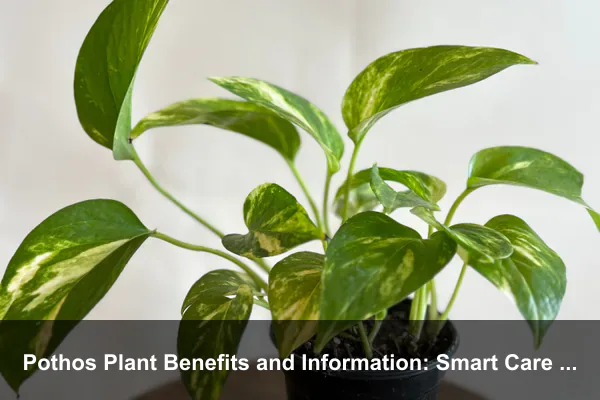
Pothos is often described as an easy houseplant, but its real value goes beyond being forgiving. When you organize it well, a pothos can become the center of a simple indoor plant-care system: one plant that helps you understand watering rhythm, light direction, propagation, pruning, pest checks, and safer placement in a practical way. This guide takes a fresh angle on Pothos plant benefits and information by focusing on how to use pothos as a smart care-station plant for a cleaner, calmer, and more organized indoor growing routine.
This approach is especially useful for beginners, busy households, renters, small-space gardeners, and anyone who wants plant benefits without turning the home into a cluttered collection of mismatched pots. Instead of treating pothos as just another trailing vine on a shelf, you can use it as a living indicator, design anchor, and habit-building plant that makes indoor greenery easier to manage.
Like many topics in the plant-benefits niche, the goal is to separate useful everyday value from exaggerated claims. Pothos can support visual comfort, nature connection, indoor styling, and gardening confidence, but it is not a medical treatment or a substitute for proper ventilation, cleaning, or safe home maintenance. With that clear foundation, the plant becomes more useful because expectations stay realistic.
Why Pothos Makes an Excellent Care-Station Plant
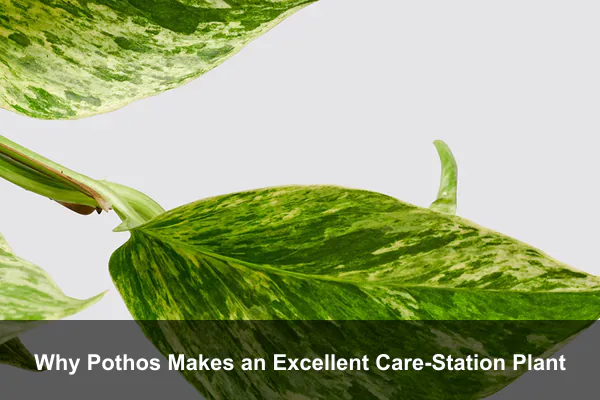
A care station is a small, organized area where plant tasks happen consistently. It may be a shelf near a bright window, a tray on a cabinet, a compact corner with hooks and a watering can, or a simple grouping of one mother plant, a few cuttings, labels, and basic tools. Pothos is ideal for this role because it grows visibly, responds quickly to care changes, and tolerates normal indoor conditions better than many more demanding houseplants.
It Gives Fast Visual Feedback
One major pothos plant benefit is that it communicates through growth habit and leaf condition. A plant stretching toward the window may need brighter indirect light. A pot that stays wet too long may show yellowing leaves or slower growth. A vine with long bare spaces between leaves may be telling you that light is too weak for compact growth. These signals make pothos useful for learning because the plant provides feedback without requiring complicated equipment.
It Supports Repeatable Habits
A good indoor plant routine is not about watering on a rigid calendar. It is about checking the plant, feeling the potting mix, observing light, and responding to actual conditions. Pothos works well in this system because it usually prefers the top layer of soil to dry before watering. That makes it a practical plant for building a weekly check-in habit instead of a daily worry habit.
It Fits Vertical and Horizontal Spaces
Pothos vines can trail from a shelf, climb a pole, wrap along a rail, or sit compactly after pruning. That flexibility allows one plant to solve several indoor design problems. In a small apartment, it can soften a high shelf. In a home office, it can bring green texture to a corner without taking over desk space. In a shared room, it can create a calm visual point while remaining easy to move and maintain.
Essential Pothos Plant Information Before You Set Up
Pothos is commonly sold under names such as golden pothos, marble queen pothos, neon pothos, jade pothos, and manjula pothos. Botanically, many common pothos plants are forms of Epipremnum aureum, a tropical aroid known for heart-shaped leaves, vining stems, and strong adaptability indoors. In ideal tropical conditions it can grow dramatically, but inside the home it usually stays manageable with pruning and container control.
Growth Habit and Indoor Behavior
Pothos grows from nodes along the vine. Each node can produce roots and new growth under the right conditions, which is why pothos propagation is so popular. Indoors, the plant typically grows faster in bright indirect light and slower in dimmer rooms. Variegated types need more light to keep their cream, yellow, or pale green patterns strong. Deep shade may keep the plant alive, but it often reduces fullness and color contrast.
Safety and Toxicity
An important part of pothos plant information is safety. Pothos contains calcium oxalate crystals, which can irritate the mouth, throat, and digestive system if chewed or swallowed by people or pets. This does not mean the plant is unsafe for every home, but it does mean placement matters. Keep vines out of reach of curious pets and young children, avoid letting cuttings sit where they might be handled carelessly, and wash hands after pruning or propagating if you have sensitive skin.
Realistic Indoor Benefits
Pothos is sometimes marketed as an air-purifying plant. While plants can interact with their immediate environment, a single pothos should not be treated as an air cleaner for a room. Its more dependable benefits are practical and sensory: it adds living color, helps create a softer indoor atmosphere, teaches plant-care observation, and provides a low-cost way to experiment with propagation and styling.
Build a Pothos Care Station That Prevents Guesswork
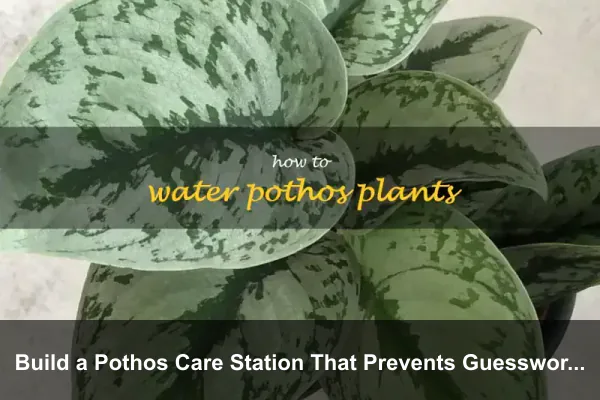
The smartest way to grow pothos is to reduce uncertainty. A care station does not need to be expensive or decorative. It simply needs to make the right action easy. The basic setup includes the plant, a drip tray, a small watering container, pruning scissors, plant labels, a cloth for wiping surfaces, and a place to inspect leaves under good light.
Create a Light Map
Before placing your pothos, watch the room for a few days. Notice where morning sun lands, where harsh afternoon sun hits, and which corners remain dim all day. Pothos usually performs best in bright indirect light, such as near an east-facing window, several feet back from a bright south-facing window, or beside a filtered window with a sheer curtain. Direct hot sun can scorch leaves, while very low light may cause weak, stretched growth.
Use a Watering Bay
A watering bay can be as simple as a tray where the plant can drain after watering. This prevents water from sitting under the pot and damaging furniture. Water thoroughly when the upper part of the potting mix feels dry, then let excess water drain away. A station-based routine helps you avoid two common mistakes: giving tiny sips that never reach the root zone, and leaving the plant in standing water.
Add Labels That Actually Help
Labels should do more than name the plant. A useful pothos label can include the variety, date purchased or propagated, last repot date, and preferred light zone. For cuttings, label the date they entered water or soil. This turns pothos into a learning tool because you can compare how different vines respond over time.
Keep a Simple Check Routine
A weekly care-station check can include a few repeatable actions:
- Lift the pot to feel whether it is heavy with moisture or light and dry.
- Touch the top layer of potting mix before watering.
- Look under leaves and around nodes for pests.
- Remove yellow, damaged, or dead leaves with clean scissors.
- Rotate the pot if growth is leaning strongly toward one side.
- Check that vines are not reaching outlets, food-prep areas, or pet-accessible surfaces.
Pothos Plant Benefits for Organized Homes
The strongest pothos benefits are often connected to daily living. A plant that survives quietly in the background is useful, but a plant that helps you create better routines is more valuable. Pothos can make indoor gardening feel less random because it responds well to observation-based care.
It Reduces Plant-Care Overload
Many indoor plant problems come from having too many plants with different needs. Pothos allows you to begin with one adaptable species and learn the basics before expanding. Because cuttings root easily, you can also create new plants from a healthy parent plant instead of constantly buying more. This supports a lower-waste, lower-cost approach to indoor greenery.
It Adds Greenery Without Visual Clutter
A pothos care station can look clean and intentional. Matching trays, simple pots, and controlled vine direction help the plant feel like part of the room rather than an accidental tangle. This matters in small spaces, where too many scattered pots can make a room feel crowded. A single healthy pothos with guided vines can create a stronger visual effect than several neglected plants.
It Helps Build Gardening Confidence
For beginners, pothos is a confidence-building plant because it gives many chances to succeed. You can root a cutting, watch a new leaf unfurl, train a vine, or revive a mildly wilted plant after adjusting water. These small wins create practical knowledge that transfers to other houseplants, especially other tropical foliage plants.
Best Pothos Setups by Goal
There is no single best way to display pothos. The right setup depends on your room, light, schedule, and safety needs. A care-station mindset helps you match the plant to the goal instead of copying a setup that may not work in your home.
Starter Shelf Setup
A starter shelf works well for beginners and renters. Place one pothos in a nursery pot inside a stable cover pot or tray. Keep pruning scissors, labels, and a small cloth nearby. Let a few vines trail, but trim them before they reach walkways or surfaces used for food. This setup keeps maintenance simple and makes it easy to inspect the plant from all sides.
Propagation Station Setup
A propagation station is useful if you want to share cuttings or create backup plants. Use clean jars with fresh water and place cuttings in bright indirect light. Each cutting should have at least one node below the water line. Change the water regularly and move rooted cuttings into soil once roots are several inches long. Avoid keeping too many cuttings indefinitely in water unless you are prepared to maintain them.
Home Office Setup
For a workspace, choose a compact pot or a trimmed pothos rather than very long vines. The goal is visual softness without distraction. Keep vines away from chargers, cables, keyboard areas, and vents. A pothos on a nearby shelf can add a natural focal point during screen breaks, but it should not block light, airflow, or work surfaces.
High Shelf Setup
A high shelf is excellent for trailing growth, especially in homes with pets. However, it must still be reachable for care. If a plant is too hard to water or inspect, it will eventually suffer. Use a stable pot, a secure drip tray, and a safe step stool if needed. Check that vines do not tempt pets to jump or climb.
Care Details That Keep a Pothos Station Healthy
Pothos is forgiving, but it is not indestructible. A healthy care station depends on consistent basics: light, drainage, soil structure, watering, feeding, and pruning. The advantage of the station system is that each task happens in the same place and follows the same logic.
Soil and Potting Mix
Pothos grows well in a light, well-draining potting mix. A general indoor potting mix can work, especially if it drains freely and does not compact into a heavy mass. If your home is humid or you tend to water generously, adding perlite or orchid bark can improve airflow around the roots. The pot should always have drainage holes because waterlogged roots are one of the easiest ways to damage pothos.
Watering Rhythm
The best pothos watering routine is based on soil moisture rather than a fixed number of days. In warmer months or brighter light, the plant may dry faster. In cooler rooms or lower light, it may stay moist longer. Check the mix with your finger, a wooden stick, or pot weight. Water deeply, drain fully, and wait until the upper layer dries again before the next watering.
Fertilizer and Growth Pace
Pothos does not need heavy feeding. During active growth, a balanced houseplant fertilizer used at a diluted rate can support fuller vines and better leaf color. Overfeeding can cause salt buildup and stressed roots, especially in small pots. If growth slows in winter, reduce or pause feeding until conditions improve.
Pruning for Shape and Health
Pruning keeps pothos manageable and encourages a fuller appearance. Cut just above a node with clean scissors. You can root healthy cuttings or discard weak sections. In a care-station system, pruning is not only about appearance; it also helps keep vines away from unsafe areas, reduces tangles, and gives you a chance to inspect the plant closely.
Propagation, Rotation, and Records
One of the most useful pothos plant benefits is easy propagation. However, propagation becomes more valuable when it is organized. Without a system, jars of cuttings can multiply quickly and become clutter. With a small record system, each cutting becomes part of a simple learning process.
How to Track Cuttings
Use a small label or notebook to record the parent plant, cutting date, rooting method, and transplant date. This helps you learn which season, light level, or cutting size works best in your home. If one jar roots faster than another, your notes can explain whether the difference came from light, water changes, cutting maturity, or temperature.
When to Rotate Plants
Rotation is useful when one side of the plant receives much more light. Turn the pot slightly every week or two to encourage balanced growth. Avoid moving the plant constantly between very different light conditions, because sudden changes can stress it. A care station should make the plant easy to rotate without forcing you to redesign the whole room.
When Not to Propagate
Do not take cuttings from a stressed, pest-infested, or recently repotted plant. Propagation should come from healthy vines with firm leaves and clean nodes. If the plant is struggling, focus first on light, watering, drainage, and pest control. A strong mother plant produces better cuttings and gives you fewer problems later.
Common Problems and Station-Based Fixes
Because pothos is adaptable, problems are usually connected to repeated small mistakes rather than one dramatic failure. A care station helps you identify patterns. If the same issue returns, look at the setup instead of only treating the symptom.
Yellow Leaves
Occasional older yellow leaves are normal, but frequent yellowing may point to overwatering, poor drainage, low light, or root stress. Check the potting mix before adding more water. Make sure the pot drains fully and that the plant is not sitting in a decorative container full of trapped water.
Brown Tips or Edges
Brown tips can come from inconsistent watering, dry air, fertilizer buildup, or physical damage. Trim damaged tips if needed, but fix the cause. Flush the soil occasionally if you fertilize regularly, and avoid placing pothos directly beside heaters, air conditioners, or strong drafts.
Leggy Vines
Long spaces between leaves usually mean the plant is reaching for more light. Move it closer to bright indirect light and prune back bare vines. You can root trimmed sections if they have healthy nodes. Training vines along a brighter wall or shelf edge may also improve appearance.
Pests
Pothos can attract common houseplant pests such as mealybugs, scale, spider mites, or fungus gnats. Inspect leaf undersides, stem nodes, and soil surfaces during your weekly check. Isolate affected plants, remove visible pests, and use appropriate houseplant-safe treatment based on the pest type. Good airflow, clean tools, and avoiding overwatering reduce recurring problems.
Buying Pothos With a Long-Term Plan
Buying a pothos is simple, but buying the right pothos for your care station takes more thought. A small, healthy plant often adapts better than a large neglected one. Look for firm leaves, clean stems, visible new growth, and a potting mix that is not sour-smelling or constantly soggy. Check under the leaves before bringing the plant home.
Choose Variety by Light and Style
Golden pothos is a reliable choice for many homes because it balances attractive variegation with strong growth. Jade pothos, with mostly green leaves, can handle lower light better than heavily variegated types. Marble queen and manjula pothos are beautiful but usually need brighter indirect light to maintain strong patterning. Neon pothos adds bold color but may look best when paired with neutral pots and simple backgrounds.
Start With One Strong Plant
A common beginner mistake is buying several pothos varieties before learning the care rhythm. Starting with one strong plant lets you understand your light, water habits, and room conditions. Once the care station works, you can add another variety or propagate cuttings from the original plant.
How Pothos Supports Small-Space Indoor Gardening
Small-space gardening depends on plants that offer strong value without taking too much floor area. Pothos fits this need because it can grow upward, downward, or along a narrow surface. It can live on shelves, plant stands, wall hooks, bookcases, and bright cabinet tops as long as care access remains practical.
Space-Saving Benefits
Pothos can turn unused vertical space into greenery. A trailing vine can soften a tall cabinet. A clipped, compact plant can sit on a work shelf. A climbing pothos on a pole can create height without spreading across the floor. This makes it useful for apartments, dorm rooms, rented homes, and shared living spaces.
Cleaner Visual Planning
For a polished look, repeat one or two pot colors, use trays that match the room, and keep tools hidden in a small box or basket. The plant should be the main visual feature, not a collection of random supplies. This is where a care station becomes both practical and attractive.
Frequently Asked Questions About Pothos Plant Benefits and Information
Is pothos good for beginners?
Yes, pothos is one of the better plants for beginners because it tolerates a range of indoor conditions and responds clearly to care changes. It is still important to provide drainage, avoid overwatering, and place it safely away from pets and children.
Can pothos grow in low light?
Pothos can survive in lower light, but survival is not the same as strong growth. For fuller vines and better color, bright indirect light is better. Variegated pothos types especially need enough light to maintain their patterns.
Does pothos clean indoor air?
Pothos can contribute to a greener indoor environment, but it should not be relied on as a room-scale air purifier. For healthier indoor air, combine plants with ventilation, dust control, reduced indoor pollutants, and regular cleaning.
How often should pothos be watered?
Water when the upper part of the soil feels dry, then allow excess water to drain. The exact timing changes with pot size, light, temperature, humidity, and season. Checking the plant is more accurate than following a fixed weekly rule.
Is pothos safe for pets?
Pothos is not considered pet-safe if chewed or eaten. Keep it out of reach of cats, dogs, and other pets that may bite leaves or vines. If a pet ingests the plant, contact a veterinarian for guidance.
Conclusion
Pothos plant benefits and information are most useful when they lead to better everyday decisions. Instead of viewing pothos only as a low-maintenance vine, treat it as a practical care-station plant that can organize your indoor gardening habits. It helps you learn light, watering, pruning, propagation, safety, and styling through one adaptable plant.
A well-planned pothos setup can make a home feel greener without adding unnecessary complexity. Choose a healthy plant, place it in bright indirect light, use a draining pot, check it consistently, and keep vines safely managed. With a simple station-based routine, pothos becomes more than decoration: it becomes a dependable, educational, and space-smart part of indoor living.
