
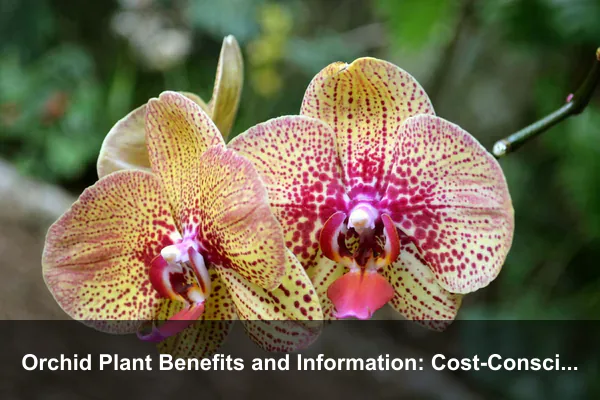
Orchids have a reputation for being luxurious, delicate, and expensive, but that reputation only tells part of the story. When chosen well, an orchid can be one of the most cost-effective flowering plants for indoor spaces because its blooms often last for weeks, the plant can live for years, and the care routine can stay simple once you understand what the plant actually needs.
This guide looks at Orchid plant benefits and information from a practical, budget-smart angle. Instead of treating orchids as short-term decorations, it explains how to get real value from them as long-lasting flowering houseplants, how to avoid unnecessary purchases, and how to care for them without turning a beautiful plant into an expensive project.
Budget-Smart Orchid Benefits for Modern Homes
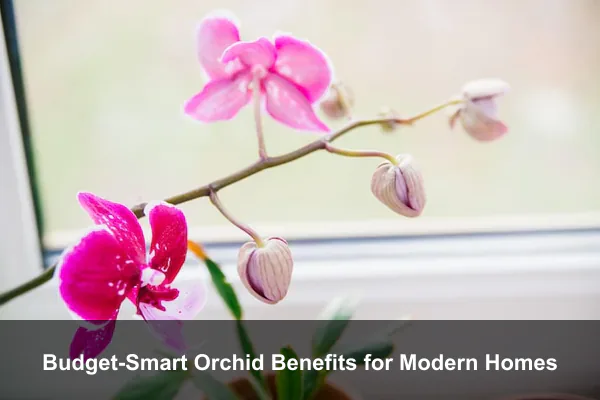
The biggest benefit of orchids is not only their beauty. It is the combination of long bloom time, compact size, low mess, and strong visual impact. A healthy moth orchid, or Phalaenopsis, can brighten a room for many weeks with very little daily effort. Compared with cut flowers that fade quickly, a living orchid can offer longer decorative value from a single purchase.
Long-Lasting Blooms Stretch Your Decor Budget
Orchid flowers are built to last. Many common indoor orchids hold blooms far longer than typical fresh bouquets. This makes them useful for dining areas, reception tables, home offices, small apartments, and gift displays where people want color without constant replacement.
For homeowners who enjoy fresh-looking interiors, this matters. One well-grown orchid can function like a living bouquet, but unlike cut flowers, it does not have to be discarded after a few days. With proper care, the same plant can produce new blooms in future seasons.
Compact Beauty for Small Spaces
Orchids are especially helpful in small homes because they provide height, color, and elegance without taking over shelves or floors. A single plant can fit on a windowsill, side table, kitchen counter, or office desk. This makes orchids valuable for renters, apartment dwellers, and anyone who wants ornamental plants without creating clutter.
Gentle Sensory Value
Many popular indoor orchids are admired for color and form rather than heavy fragrance. This makes them suitable for people who enjoy flowering plants but prefer a cleaner, lighter indoor atmosphere. Orchids can support a calmer room design, encourage small care routines, and create a sense of seasonal change inside the home.
Orchid Plant Information That Affects Real Value
To get the best value from an orchid, it helps to understand how the plant grows. Many orchids sold for homes are epiphytes, meaning they naturally grow attached to trees rather than buried in dense soil. This does not mean they are parasites. It means their roots are adapted to air, moisture, and fast drainage.
Why Orchids Usually Do Not Grow in Regular Soil
One common beginner mistake is treating an orchid like a typical potted foliage plant. Standard potting soil can hold too much water around orchid roots, leading to rot. Most indoor orchids do better in chunky orchid bark, sphagnum moss, or a blended orchid medium that allows air to move around the roots.
This information is important for cost control. Many orchid problems come from the wrong medium, not from a weak plant. Buying the correct potting mix is usually cheaper than replacing a plant that declined because its roots stayed wet for too long.
Common Indoor Orchid Types
Different orchids have different care needs, but a few groups are especially common in homes:
- Phalaenopsis orchids: Often the easiest choice for beginners, with long-lasting blooms and moderate indoor light needs.
- Dendrobium orchids: Attractive canes and bright flowers, often needing brighter light than Phalaenopsis.
- Oncidium orchids: Known for sprays of smaller flowers and often a more active growth habit.
- Cattleya orchids: Popular for showy flowers, usually best for growers who can provide brighter conditions.
- Cymbidium orchids: Striking bloom spikes, but many types prefer cooler periods and more space.
For most beginners who want a reliable indoor plant, Phalaenopsis is usually the most practical starting point. It is widely available, compact, and forgiving when given bright indirect light and a careful watering routine.
What to Buy: Spending, Size, and Quality Signals
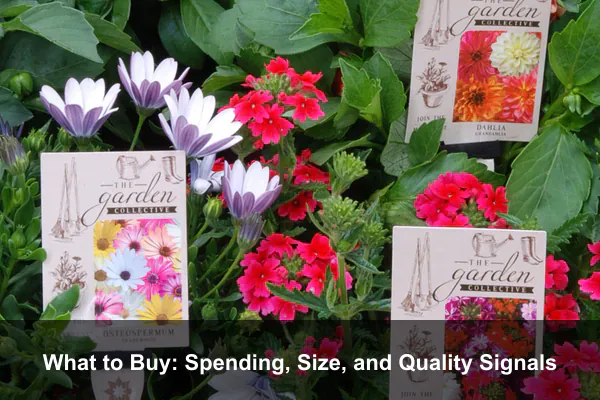
Buying the right orchid is one of the simplest ways to save money. A cheaper orchid can be a good deal if it is healthy, but a bargain plant with root rot, pests, or exhausted blooms may cost more in time and replacement supplies than a stronger plant from the start.
When a Lower-Cost Orchid Makes Sense
A lower-cost orchid is worth considering when the leaves are firm, the roots look plump, and at least some buds are still unopened. Unopened buds give you more time to enjoy the flowering display at home. A plant with one or two open flowers and several tight buds can be better value than a fully open plant that is already near the end of its display period.
When Paying More Is Practical
Paying more can make sense when the plant comes from a reliable grower, has a clear variety label, shows strong root growth, or offers an unusual color pattern you truly want. A slightly higher-quality orchid may also be worthwhile if it has been grown in a suitable potting medium and does not need immediate rescue care.
Quality Checklist Before You Buy
Before bringing an orchid home, inspect it carefully. Look for:
- Firm green leaves without large sunken spots.
- Plump roots that appear green, silver, or white depending on moisture level.
- No sour smell from the potting medium.
- No sticky residue, cottony patches, webbing, or crawling insects.
- A stable plant that does not wobble loosely in the pot.
- Several unopened buds if you want a longer flower display.
Avoid buying only for flower color. The blooms may be temporary, but the root and leaf condition determines whether the plant can continue living and blooming in future seasons.
Care Costs You Can Control
Orchid care does not need to be expensive. The most useful supplies are simple: suitable potting medium, a pot with drainage or airflow, diluted fertilizer, clean water, and a bright location away from harsh direct sun. Decorative containers, humidity gadgets, and complicated care kits are optional, not essential.
Potting Medium and Container Choices
Orchid bark is a practical choice for many indoor orchids because it drains quickly and supports airflow. Sphagnum moss holds more moisture, which can help in dry homes but can also stay wet too long if watering is heavy. Some growers use a mix of bark, perlite, charcoal, and moss to balance drainage and moisture.
Clear plastic orchid pots are useful because they let you see root color and moisture. They are not required, but they can help beginners avoid overwatering. If you use a decorative outer pot, make sure water does not collect at the bottom after watering.
Fertilizer Without Waste
Orchids benefit from light feeding during active growth, but more fertilizer does not mean more flowers. A weak, balanced orchid fertilizer used occasionally is usually enough for home care. Overfeeding can damage roots and waste money. It is better to feed lightly and consistently than to use strong fertilizer in hopes of forcing blooms.
Tools Worth Owning
You do not need a large plant-care setup for one orchid. Useful items include:
- Clean scissors or pruners for trimming dead spikes or roots.
- A small bag of orchid bark or suitable medium.
- A pot with drainage or side ventilation.
- A soft cloth for cleaning leaves.
- A simple label or note app to track watering and bloom dates.
The most valuable tool is observation. Noticing root color, leaf firmness, and pot weight will prevent more problems than buying extra accessories.
A Simple Orchid Care Routine That Protects Your Investment
A good orchid routine should be easy enough to repeat. Most orchid failures come from too much water, too little light, or neglect after the blooms fade. A simple weekly check can keep the plant healthy without making care feel complicated.
Weekly Check
Once a week, check the potting medium, roots, leaves, and flower spike. If the medium still feels damp, wait before watering. If roots are silvery and the pot feels light, watering may be needed. Wipe dusty leaves gently so they can receive light more effectively.
Watering Method
Water thoroughly, then let excess water drain away. Do not let the orchid sit in standing water. In many homes, orchids need less frequent watering than people expect, especially when grown in moss or placed in a cooler room. The goal is moist roots followed by airflow, not constant wetness.
After the Flowers Fade
When blooms drop, the orchid is not dead. It is moving into a different stage. Continue caring for the leaves and roots. If the flower spike turns brown and dry, trim it with clean scissors. If it remains green, some growers leave part of it in place, especially on Phalaenopsis, because it may branch or produce another small flush of flowers.
Room-by-Room Home Value
Orchids work well when placed where their beauty can be seen and their needs can be met. The best location is not always the most decorative one. Choose a spot with bright indirect light, stable temperature, and easy access for watering checks.
Living Rooms and Entry Tables
An orchid near an entry or living room creates an immediate sense of care and freshness. Because orchids are compact and tidy, they can make a space feel finished without needing large planters or frequent cleanup.
Home Offices
For work areas, orchids provide visual relief without strong fragrance or falling petals everywhere. A small orchid on a desk or shelf can add color while staying professional and low-mess.
Kitchens and Dining Areas
Orchids can look beautiful in kitchens and dining rooms if they are kept away from direct heat, fruit bowls, and greasy surfaces. Ethylene gas from ripening fruit can shorten flower life, so avoid placing blooming orchids right beside bananas, apples, or other ripening produce.
Benefits and Myths: What Orchids Can and Cannot Do
Orchids offer real benefits, but they should not be oversold. They are excellent ornamental plants, long-lasting living decor, and helpful plants for building gentle care habits. However, they are not a replacement for air purifiers, medical care, or healthy ventilation.
Air Quality Claims
Like other houseplants, orchids participate in natural plant processes, but one or two orchids will not dramatically clean indoor air. Their stronger value is visual comfort, beauty, and the satisfaction of caring for a living plant.
Allergy and Fragrance Considerations
Many common indoor orchids are relatively gentle compared with strongly scented flowers, but individual reactions vary. If someone in the home is sensitive to fragrance or pollen, choose lightly scented or unscented varieties and avoid placing flowering plants too close to beds or workstations.
Pet and Child Safety
Orchids are generally grown as ornamental plants, not food. Even when a plant is considered low-risk, chewing leaves, roots, or potting medium can still upset pets or children. Keep plants out of reach of curious hands and paws, especially if fertilizers or pest treatments have been used.
Troubleshooting Without Overspending
Not every orchid problem requires a new plant or a full set of supplies. Many issues can be corrected by adjusting watering, light, or placement. The key is to respond early.
Yellow Leaves
One old lower leaf turning yellow can be normal. Several yellow leaves at once may point to overwatering, root stress, sunburn, or sudden environmental change. Check the roots before adding fertilizer or changing too many things at once.
Wrinkled Leaves
Wrinkled leaves can mean the plant is not getting enough water, but the cause may be either underwatering or damaged roots that cannot absorb moisture. If the medium is wet and the leaves are wrinkled, inspect the roots for rot before watering more.
Bud Drop
Bud drop, sometimes called bud blast, can happen after sudden changes in temperature, light, watering, or air quality. Moving a plant from a store to a home is already a change, so give new orchids a stable spot and avoid frequent relocation.
Pests
Common orchid pests include mealybugs, scale, and spider mites. Isolate affected plants and remove visible pests early. A small problem is much cheaper to manage than a large infestation that spreads to other houseplants.
Low-Waste Orchid Habits
A cost-conscious orchid routine often becomes a low-waste routine. Instead of treating orchids as disposable decorations, keep the plant after flowering, refresh the medium when needed, and reuse suitable pots. This approach fits the broader idea of plant benefits by connecting beauty with longer plant life and more thoughtful consumption.
Low-waste habits include:
- Keeping the plant after blooms fade rather than discarding it.
- Repotting only when the medium breaks down or roots need space.
- Reusing clean orchid pots when appropriate.
- Choosing healthy plants instead of rescue plants you are not ready to manage.
- Sharing divisions or keikis only when the plant is strong enough.
These habits save money and help you become a better grower. They also make orchids feel less intimidating because the goal shifts from perfect flowers to steady plant health.
Conclusion
Orchid plant benefits and information become much more useful when viewed through long-term value. Orchids are not just elegant flowers for special occasions. They can be compact, long-lasting, low-mess houseplants that bring color, routine, and visual calm into everyday rooms.
The best results come from buying a healthy plant, understanding its root system, avoiding regular potting soil, watering with restraint, and continuing care after the flowers fade. With those basics in place, an orchid can offer beauty for weeks at a time and remain part of the home for years, making it a practical flowering plant as well as a decorative one.
