
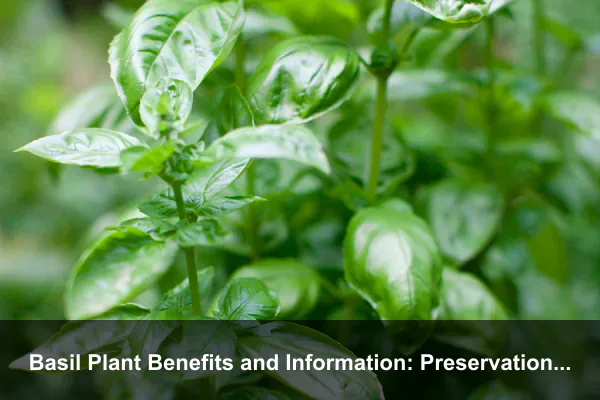
Basil plant benefits and information are often discussed in terms of fresh flavor, garden fragrance, and easy home growing. Yet one of basil’s most practical benefits is what happens after the plant becomes productive: a handful of leaves can become frozen cubes, dried herbs, infused vinegar, seasoning blends, or quick flavor bases that make everyday meals brighter with less waste.
This guide takes a preservation-first angle on basil. Instead of only asking how to grow a basil plant, it focuses on how to understand its growth cycle, harvest at the right time, protect its delicate aroma, and turn seasonal abundance into useful herbal staples. For readers interested in Manfaat Tanaman, or the practical benefits of plants, basil is a strong example of a small herb that supports food quality, household efficiency, sensory enjoyment, and beginner-friendly gardening.
Why Basil Is Worth Preserving
Basil is a tender annual herb best known for its soft leaves, warm aroma, and fast growth in bright conditions. A healthy plant can produce more leaves than one household can use fresh, especially during warm weather. Without a plan, those leaves often wilt, blacken, flower too soon, or end up unused. Preservation turns that short harvest window into lasting value.
The main reason basil deserves special handling is its aroma. The leaves contain volatile compounds that give basil its sweet, peppery, clove-like, and slightly minty character. These compounds are strongest when leaves are fresh and carefully harvested, but they can fade with heat, bruising, moisture, or long storage. Good preservation does not make basil identical to a fresh leaf, but it helps keep enough character to make the herb useful beyond the growing season.
A Short Botanical Snapshot
Most culinary basil is Ocimum basilicum, a member of the mint family. Like many mint-family plants, it has opposite leaves, square stems, and aromatic oils. The plant grows quickly, responds well to pinching, and naturally tries to flower when mature or stressed. Once flowering begins, leaf texture may toughen and the flavor can become sharper. This is not a failure; it is simply the plant’s life cycle.
The Low-Waste Benefit
The low-waste value of basil is simple: one plant can supply fresh herbs, preserved herbs, stems for flavoring stocks or vinegars, and flowers for mild herbal use when harvested responsibly. A preservation plan helps you avoid buying small plastic herb packs repeatedly while making better use of what you already grow.
Key Basil Plant Benefits for the Home
Basil offers more than a pleasant taste. Its value comes from how it fits into daily routines. It is compact enough for pots, productive enough for frequent harvests, and familiar enough for many types of cooking. When grown and stored well, basil supports healthier food habits by making simple meals more appealing without relying heavily on salt, sugar, or rich sauces.
Flavor Support for Everyday Meals
Fresh or preserved basil can brighten soups, eggs, rice bowls, beans, pasta, roasted vegetables, sandwiches, and sauces. This matters because flavor is part of sustainable eating. A bowl of simple vegetables or lentils is easier to enjoy when it smells fresh and tastes lively. Basil’s benefit is not that it magically changes nutrition; it helps make practical, plant-forward meals more enjoyable.
Sensory and Mood Value
The scent of basil can make a kitchen or balcony feel fresher. Many people associate basil with cooking, summer gardens, and clean herbal aromas. While basil should not be treated as a medical cure, its fragrance can support a pleasant home environment and a more mindful cooking routine. Harvesting leaves, rubbing a stem, or opening a jar of dried basil creates a small sensory pause in the day.
Beginner Gardening Confidence
Basil grows fast enough to teach useful gardening lessons quickly. You can see how light affects leaf size, how watering affects wilting, how pruning creates branching, and how heat or stress pushes the plant to flower. Because feedback is visible, basil is a good herb for beginners who want to understand plant care through direct observation.
Harvesting Basil for Strong Regrowth
Preservation quality begins before the leaves enter the kitchen. Basil harvested at the wrong time may bruise, wilt, or taste weak. Basil harvested with care will regrow better and store more reliably.
Best Time of Day to Harvest
Harvest basil in the morning after dew has dried but before strong midday heat. At this time, leaves are usually hydrated and aromatic. Avoid harvesting when the plant is wet from rain or watering because extra moisture can encourage spoilage during storage or drying.
Where to Cut the Plant
Cut just above a pair of leaves or a visible node. This encourages the plant to branch instead of growing as one tall stem. For a small plant, take only a few tips at a time. For a well-established plant, you can harvest more generously, but it is wise to leave enough leaves for the plant to keep growing.
How Much to Harvest at Once
For regular use, remove no more than one-third of the plant at a time. If you are preparing a preservation batch, harvest from several stems instead of stripping one stem bare. This spreads the stress and keeps the plant balanced. When flower buds appear, pinch them off if you want continued leaf production.
- For fresh use: pick tender tips and larger clean leaves.
- For freezing: choose vibrant leaves with strong aroma.
- For drying: select unblemished leaves and avoid very thick stems.
- For vinegar or sauces: include small tender stems if they smell fresh.
Best Ways to Preserve Basil Leaves
Different preservation methods create different results. Frozen basil is closer to fresh basil in aroma but softer in texture. Dried basil is convenient but more muted. Basil vinegar captures brightness for dressings and marinades. Herb pastes are useful for fast cooking, but they need correct storage.
Freezing Basil in Cubes
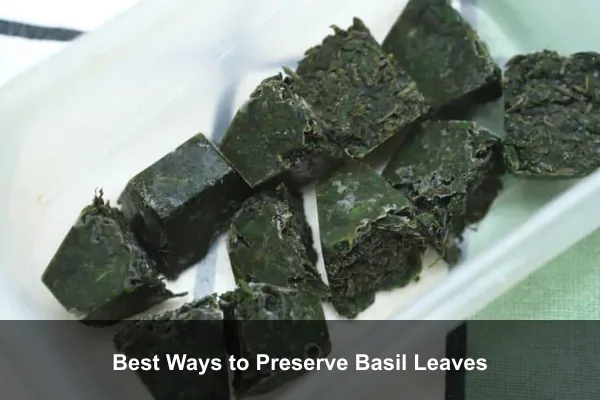
Freezing is one of the best methods for preserving basil’s green flavor. Wash the leaves only if needed, then dry them thoroughly. Chop the leaves and pack them into an ice cube tray with a small amount of water or olive oil. Freeze until solid, then move the cubes to a labeled freezer container.
Use frozen basil cubes in soups, stews, sauces, beans, and sauteed vegetables. The texture will not suit salads, but the flavor works well in cooked dishes. Label the container with the date, because even frozen herbs slowly lose aroma over time.
Drying Basil Gently
Dried basil is useful because it stores easily and takes little space. However, basil is delicate, so high heat can flatten its flavor. Air drying works in a warm, dry, well-ventilated room. You can tie small bundles or spread leaves in a single layer on a clean screen. A dehydrator set to a low herb setting can also work well.
The leaves are ready when they crumble easily. Store dried basil in an airtight jar away from light, heat, and moisture. Crush the leaves only when you use them, not before storage, because whole dried leaves hold aroma longer than powdery flakes.
Making Basil Vinegar
Basil vinegar is a practical way to capture herbal brightness. Place clean, dry basil leaves in a clean jar and cover them with vinegar. Let the mixture infuse in the refrigerator or another safe cool storage method, then strain when the flavor is strong enough. Use it in salad dressings, quick pickles, marinades, or grain bowls.
Vinegar is especially useful for leaves that are flavorful but not perfect enough for freezing as showy green cubes. Avoid moldy, slimy, or spoiled leaves. Preservation should extend quality, not hide deterioration.
Using Basil Salt
Basil salt is a simple seasoning made by blending dry basil leaves with coarse salt or mixing finely chopped basil with salt and drying the mixture thoroughly. It can be sprinkled on tomatoes, eggs, roasted potatoes, grilled vegetables, or popcorn. Because salt draws moisture, the mixture must be dried well before storage.
Important Note About Basil Oil
Fresh herbs stored in oil can create food safety risks if handled poorly, especially when kept at room temperature. If you make a basil oil or paste, keep it refrigerated and use it quickly, or freeze it in small portions. Do not store fresh basil, garlic, or other moist ingredients under oil on a counter. When in doubt, freezing is the safer long-term option.
Choosing the Right Method for Your Routine
The best preservation method depends on how you cook. A household that makes soup every week may benefit most from frozen cubes. Someone who cooks dry pantry meals may prefer dried basil. A salad lover may use basil vinegar more often than dried leaves. Matching the method to your real habits prevents preserved herbs from becoming another forgotten jar.
Quick Comparison Guide
- Freezing: best for cooked dishes, sauces, and strong green flavor.
- Drying: best for shelf-stable storage, spice blends, and simple pantry use.
- Vinegar: best for dressings, marinades, and bright acidic flavor.
- Basil salt: best for finishing savory dishes in small amounts.
- Refrigerated paste: best for short-term cooking, not long storage unless frozen.
How Much Basil to Preserve
Start small. Preserve one tray of frozen cubes, one small jar of dried leaves, or one bottle of basil vinegar before scaling up. This helps you learn which form you actually use. A large harvest is only beneficial if it becomes food you enjoy, not clutter in the freezer or pantry.
Growing Basil for Better Preservation Harvests
If preservation is your goal, grow basil a little differently. You want steady leaf production, clean foliage, and enough plants to harvest without weakening them. A single small pot can supply occasional fresh leaves, but two or three healthy plants make preservation easier.
Light and Placement
Basil needs bright light to grow flavorful leaves. Outdoors, it usually prefers full sun with some protection from harsh afternoon heat in very hot climates. Indoors, place it near the brightest window available or use a grow light. Weak light often produces thin stems, pale leaves, and less vigorous regrowth.
Soil and Water
Use well-draining potting mix in a container with drainage holes. Basil dislikes sitting in soggy soil, but it also wilts quickly when too dry. Water when the top layer begins to feel dry, then let excess water drain away. Consistent moisture supports tender growth, while repeated drought stress can push the plant toward flowering.
Feeding Without Overdoing It
A light, balanced feeding routine can support leaf growth, especially in containers. Too much fertilizer may create lush growth with weaker aroma, so moderate care is better than constant feeding. Compost-enriched potting mix or diluted organic fertilizer can be enough for many home growers.
Succession Planting
Basil is not a permanent woody herb. It grows, matures, flowers, and eventually declines. For a longer harvest season, sow or buy new basil plants every few weeks during warm months. This keeps young plants coming while older plants slow down. Succession planting is especially useful if you want enough leaves for freezing and drying.
Common Problems That Reduce Basil Quality
Preserved basil is only as good as the leaves you start with. Several common problems can reduce flavor, color, and storage life. Most are easier to prevent than fix.
Black or Brown Leaves
Basil leaves can darken from cold damage, bruising, disease, or rough handling. Avoid putting fresh basil in the coldest part of the refrigerator for long periods. Handle leaves gently and dry them well before storage. Discard slimy or foul-smelling leaves rather than trying to preserve them.
Early Flowering
Flowering often happens when basil is mature, root-bound, hot, dry, or under stress. Pinching tips regularly delays flowering and creates bushier plants. If the plant has already flowered, you can still use some leaves, but expect a stronger flavor. Flowering stems can be used in vinegar or as a mild aromatic garnish if they are clean and fresh.
Weak Aroma
Weak aroma may come from low light, overwatering, old leaves, or poor storage. Harvest younger leaves and tips before the plant becomes tired. Dry leaves quickly and store them away from heat. If dried basil smells like hay, it may be too old or was dried under poor conditions.
Pests on Leaves
Aphids, mites, and leaf-chewing insects can affect basil. Inspect undersides of leaves before harvest. For a small plant, hand removal and a gentle water rinse may be enough. Avoid using harsh sprays close to harvest, especially if you plan to preserve the leaves for food.
Practical Uses for Preserved Basil
Preserved basil is most useful when it has a clear job. Keep frozen cubes near other cooking ingredients, dried basil near spices, and basil vinegar near oils or salad items. Good placement encourages use.
Weeknight Cooking Ideas
Frozen basil cubes can be dropped into tomato sauce, vegetable soup, lentil stew, or pan sauces. Dried basil can be added early in cooking so it has time to soften and release flavor. Basil salt works well as a finishing touch, especially when a dish tastes flat but does not need more liquid.
- Add a frozen basil cube to a pot of tomato soup near the end of cooking.
- Stir dried basil into bean dishes, pasta sauce, or roasted vegetable seasoning.
- Use basil vinegar in a quick dressing with olive oil and mustard.
- Sprinkle basil salt over sliced tomatoes, boiled eggs, or grilled corn.
- Mix thawed basil into softened butter for a quick herb spread.
Simple Herbal Drinks
Basil can be used in refreshing drinks, especially when paired with citrus, cucumber, or berries. Use clean fresh leaves or a small amount of basil vinegar in shrubs and sparkling drinks. Keep the flavor subtle; basil can become overpowering when steeped too long.
Non-Food Household Uses
Dried basil leaves can be included in simple herbal sachets for drawers or kitchen shelves, although the scent will be gentle compared with lavender or rosemary. Basil stems can also be simmered briefly with citrus peels for a temporary kitchen aroma. Do not leave simmering pots unattended, and do not use basil preparations as a substitute for proper cleaning or pest control.
Safety and Quality Guidelines
Basil is widely used as a culinary herb, but responsible use still matters. The safest approach is to enjoy basil as food in normal amounts, preserve it cleanly, and avoid exaggerated health claims. Basil can be part of a balanced diet, but it is not a treatment for disease.
Food Safety Basics
- Wash hands, tools, jars, and cutting boards before handling basil.
- Use only healthy leaves with a fresh smell and normal texture.
- Dry leaves well before freezing, drying, or infusing.
- Keep fresh herb oils and pastes refrigerated and use them quickly, or freeze them.
- Label preserved basil with the date and method.
Who Should Be Cautious
Normal culinary use is suitable for many people, but concentrated basil products, extracts, or essential oils are different from food amounts. Pregnant people, people taking blood-thinning medication, people with allergies, and anyone managing a medical condition should ask a qualified health professional before using concentrated herbal preparations. For home kitchens, keep basil practical: leaves, food, flavor, and safe storage.
A Simple Basil Preservation Routine
A routine makes basil easier to manage. Instead of waiting until the plant is overgrown, schedule small harvests. This keeps the plant productive and keeps preservation work manageable.
Weekly Routine
- Monday or Tuesday: check soil moisture, remove yellow leaves, and pinch flower buds.
- Midweek: harvest small tips for fresh meals.
- Weekend: cut a larger batch if the plant is full and preserve it immediately.
- End of month: review frozen cubes, dried jars, or vinegar and use older batches first.
Batch Planning for Small Spaces
If you grow basil on a balcony, windowsill, or small patio, focus on compact batches. One pot can produce enough for a few frozen cubes at a time. Two or three pots can supply both fresh meals and occasional drying. The goal is not maximum production; it is steady usefulness.
Conclusion
Basil plant benefits and information become more valuable when you look beyond the fresh leaf. Basil is flavorful, fragrant, fast-growing, and beginner-friendly, but its real household strength is its ability to turn a small growing space into a steady source of useful herbal ingredients. With careful harvesting and smart preservation, basil can support low-waste cooking, better meal routines, and a more connected relationship with everyday plants.
For the best results, harvest basil before stress and flowering reduce leaf quality, choose preservation methods that match how you cook, and follow safe storage practices. Freeze cubes for cooked dishes, dry leaves gently for the pantry, make basil vinegar for bright flavor, and keep herb oils or pastes cold or frozen. Managed this way, basil is not just a seasonal garnish. It becomes a practical, aromatic, and efficient herb for year-round home use.
