
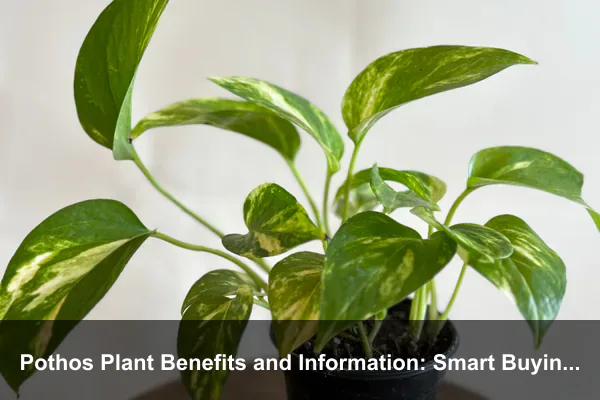
Pothos is one of the most common houseplants for a reason: it looks generous, grows in ordinary homes, and forgives small mistakes better than many decorative indoor plants. Still, the best results come from understanding what the plant actually offers, what it cannot do, and how to choose a healthy specimen before it becomes part of your space.
This guide takes a fresh angle on Pothos plant benefits and information by focusing on smart buying, plant labels, household fit, and long-term value. Instead of treating pothos as a magic air cleaner or a plant that thrives anywhere without attention, it explains how this vine can become a practical, attractive, and low-stress part of everyday indoor living.
A Practical Way to Understand Pothos Value
Pothos offers value because it combines visual impact with manageable care. A small pot can soften a desk, a medium hanging plant can bring green texture to a bare corner, and a larger mature plant can create a relaxed indoor look without needing the space or cost of an indoor tree. This is one reason pothos remains popular among beginners, renters, office workers, and people who want greenery without turning plant care into a demanding hobby.
The plant’s benefit is not only decorative. It also helps people build simple care routines. Checking the soil, noticing leaf posture, rotating the pot, and trimming damaged foliage are small habits that make indoor gardening more approachable. For many new growers, pothos becomes the plant that teaches observation before perfection.
In the broader idea of plant benefits, or manfaat tanaman, pothos is best understood as a useful indoor foliage plant rather than a medicinal or edible plant. Its value is in beauty, routine, space efficiency, and a calmer visual environment. Those benefits are real, but they should be framed realistically.
- Best strength: adaptable indoor foliage with strong decorative value.
- Best owner: beginners, busy households, renters, and office users.
- Best use: adding green texture to bright or moderate indoor spaces.
- Main caution: pothos is not edible and should be kept away from pets and small children.
What Pothos Is Before You Buy One
Pothos is commonly sold as a houseplant vine, but understanding its identity helps prevent confusion at the nursery or plant shop. The plant most people call pothos is usually Epipremnum aureum, a tropical aroid known for heart-shaped leaves, flexible stems, and aerial roots. In many stores it may be labeled as golden pothos, devil’s ivy, money plant, or simply pothos.
Common Names and Label Confusion
Plant labels can be inconsistent. Pothos is sometimes confused with philodendron because both can have heart-shaped leaves and trailing growth. However, pothos leaves are usually thicker, glossier, and slightly more textured than many heartleaf philodendron leaves. The leaf base, stem texture, and growth pattern can also differ. You do not need advanced botany to grow pothos well, but correct identification helps you follow the right care advice.
Some shops also use broad names such as money plant, especially in Asian markets. That name can refer to different plants depending on the region, so it is better to look for the scientific name or ask whether the plant is Epipremnum aureum.
Natural Growth Habit
Pothos is a climbing vine in its natural habitat. Indoors, it often trails from pots, hangs from baskets, or climbs a support. Its aerial roots help it attach to surfaces outdoors, while indoors they mostly show the plant’s natural growth strategy. When given bright indirect light and steady care, pothos can grow steadily through the year, although growth usually slows in cooler or darker seasons.
Leaf Appearance and Maturity
Young indoor pothos usually has small to medium leaves. In tropical outdoor conditions or greenhouse settings, mature plants can develop much larger leaves and stronger stems. Indoor growers should not expect giant leaves without warmth, humidity, strong light, and climbing support. A normal home pothos is still valuable even if it remains compact and modest.
Smart Buying: How to Choose a Healthy Pothos
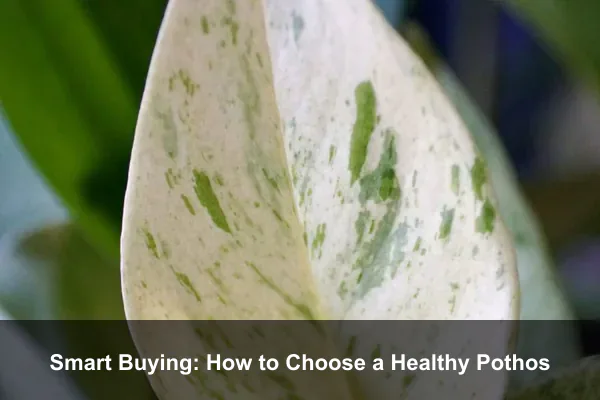
Choosing well at the start can save months of frustration. A discounted pothos with root rot, pests, or weak stems may cost less upfront but require more time and recovery work than a healthy plant. A good buying process is simple: inspect leaves, stems, soil, roots, and overall plant balance before you bring it home.
Check the Leaves First
Healthy pothos leaves should look firm, clear, and reasonably even in color for the type you are buying. A few older yellow leaves near the base are not always a problem, but many yellow leaves, mushy stems, or widespread brown patches suggest stress. Variegated pothos can naturally have cream, yellow, or white patterns, so learn the expected look of the plant before assuming every pale area is damage.
- Avoid plants with sticky residue, webbing, or clusters of tiny insects.
- Look under leaves, not only at the top surface.
- Choose plants with several active growing tips if you want a fuller look.
- Be cautious with leaves that look limp while the soil is wet.
Inspect the Soil and Pot
The soil should be lightly moist or slightly dry, not sour-smelling, swampy, or compacted into a hard block. If the nursery pot has drainage holes, lift it and check whether roots are coming out in a dense mat. Some visible roots are normal, but a tightly packed root mass may mean the plant needs repotting soon.
If possible, gently slide the plant partway from the pot. Healthy roots are usually light tan to white and firm. Dark, mushy, foul-smelling roots are a warning sign. You do not need perfect roots, but you do want a plant that is not already declining.
Match Size to Your Skill Level
A very large pothos can be impressive, but it is not always the best first purchase. Larger plants cost more, take longer to inspect, and may hide problems inside dense foliage. A small or medium plant is often easier to learn from. It lets you understand watering, light, and growth patterns without feeling like one mistake will ruin an expensive display.
Ask What Changed Recently
If buying from a local seller, ask whether the plant was recently repotted, moved from outdoors, treated for pests, or grown in water before being transferred to soil. Recent changes do not make a plant bad, but they can explain temporary leaf drop or slow growth after purchase. A transparent seller is often a better sign than a perfect-looking plant with no information.
Realistic Benefits of Pothos in the Home
The strongest pothos benefits are practical and visual. Pothos can make a room feel softer, more lived-in, and more connected to nature. Its vines add movement to spaces that otherwise feel flat, especially near bookshelves, cabinets, desks, and windows. Because pothos does not require daily watering or highly specialized conditions, it gives many people access to indoor greenery without a steep learning curve.
Visual Comfort and Biophilic Design
People often feel more comfortable in rooms with natural textures. Pothos contributes to this effect through glossy leaves, trailing lines, and gentle color variation. It can make hard surfaces such as metal shelves, white walls, and office desks feel less sterile. This is a design benefit rather than a medical claim, but it matters in real homes because people respond emotionally to their surroundings.
Beginner Confidence
Pothos is useful for learning because it gives visible feedback. Drooping leaves often suggest thirst, yellowing may point to watering imbalance, and pale stretched growth may indicate insufficient light. These signals help beginners understand cause and effect. Over time, the owner becomes more confident not because pothos is impossible to harm, but because it is easier to read than many sensitive plants.
Space Efficiency
A pothos does not need a wide floor area to make an impact. It can trail from a hanging pot, sit on a cabinet, or climb a narrow support. This makes it valuable in apartments, dorm rooms, small offices, and compact homes. Unlike large statement plants, pothos can adapt to vertical and elevated spaces.
Air Quality Expectations
Pothos is often promoted as an air-purifying plant. While plants can interact with indoor air in limited ways, a single pothos should not be treated as a replacement for ventilation, cleaning, moisture control, or a proper air purifier. Its realistic benefit is that it supports a greener indoor environment and may encourage better habits, such as opening windows when appropriate, dusting leaves, and paying attention to room conditions.
Matching Pothos to Your Home Conditions
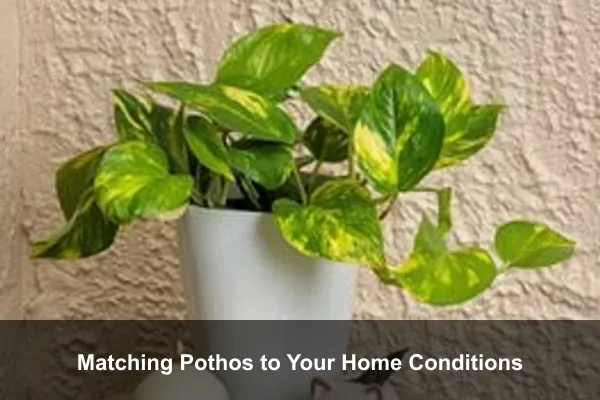
Pothos is adaptable, but adaptable does not mean condition-proof. The best placement is one that gives the plant enough light to maintain healthy leaves while avoiding harsh stress. Before choosing a location, think about light, watering access, household traffic, pets, and how easy it will be to inspect the plant.
Light Requirements
Bright indirect light is ideal for most pothos plants. This means the room is clearly bright during the day, but the leaves are not sitting in long hours of intense direct sun. A spot near an east-facing window, a few feet from a bright south or west window, or beside a filtered balcony door can work well.
Pothos can survive in lower light, but growth may slow and variegation may fade. If the plant becomes thin, stretched, or mostly green when it used to be variegated, light may be too low. Move it gradually rather than shocking it with sudden intense sun.
Watering Style
The safest watering method is to check the soil before watering. Let the top part of the potting mix dry, then water thoroughly until excess drains out. Do not let the plant sit in a saucer of stagnant water. Pothos roots need moisture, but they also need oxygen.
- Water more often in warm, bright conditions.
- Water less often in cool, dark, or humid conditions.
- Use a pot with drainage holes whenever possible.
- Check soil with a finger or moisture meter instead of watering by calendar alone.
Soil and Potting Mix
A good pothos mix should hold some moisture while draining freely. Many standard indoor potting mixes work if they are not too dense. If the mix stays wet for a long time, add chunky material such as perlite, orchid bark, or coco chips. The goal is not a fancy recipe; the goal is a root zone that dries gradually and does not suffocate.
Temperature and Humidity
Pothos prefers typical warm indoor temperatures. It dislikes cold drafts, sudden temperature drops, and placement directly beside air-conditioning vents. Average household humidity is usually acceptable, although very dry rooms may cause occasional brown tips. Instead of misting heavily, improve consistency with proper watering, stable placement, and occasional leaf cleaning.
A Simple First-Month Plan for New Owners
The first month after purchase is about observation, not constant adjustment. Many pothos problems begin when a new owner repots, fertilizes, moves, waters, and trims the plant all within the first few days. A calmer plan lets the plant adapt and gives you better information.
- Day 1: place the pothos in bright indirect light and keep it away from pets, heaters, and strong drafts.
- Days 2 to 7: inspect leaves and soil, but avoid unnecessary repotting unless the plant is waterlogged, pest-infested, or severely rootbound.
- Week 2: water only when the soil has partly dried. Remove damaged leaves with clean scissors.
- Week 3: rotate the pot if growth leans strongly toward the light.
- Week 4: decide whether the plant needs a better pot, a support, or a brighter location based on actual signs.
This patient approach is especially helpful for beginners. It separates old nursery stress from new home conditions. If one older leaf yellows during the first few weeks, it may simply be adjustment. If many leaves yellow quickly, the soil, roots, or watering routine need closer attention.
When to Repot
Repot if roots are circling tightly, the soil dries almost immediately after watering, or the potting mix smells bad and stays wet. Choose a pot only slightly larger than the current one. Oversized pots hold extra moisture and can increase the risk of root rot, especially in lower light.
When to Fertilize
Do not rush fertilizer. A newly purchased pothos may already have nutrients in the soil. Fertilize lightly during active growth, usually in warmer and brighter months, using a balanced houseplant fertilizer at a conservative strength. Too much fertilizer can burn roots and create weak, fast growth.
Common Problems and What They Usually Mean
Pothos is forgiving, but it is not immune to poor conditions. Problems are easier to solve when you connect symptoms to patterns rather than reacting to one leaf at a time. Always consider light, watering, pot size, drainage, and recent changes together.
Yellow Leaves
Yellow leaves can come from overwatering, underwatering, low light, root stress, age, or sudden change. One old yellow leaf is usually not serious. Several yellow leaves appearing quickly deserve attention. Check whether the soil is wet for too long, whether roots smell unhealthy, or whether the plant was recently moved to a darker area.
Brown Tips and Edges
Brown tips may come from inconsistent watering, dry air, fertilizer buildup, or mineral-heavy water. Trim only the damaged tissue if it bothers you, but focus on the cause. Flush the soil occasionally if you fertilize, and avoid letting the plant swing between bone-dry and soaking wet too often.
Thin, Leggy Growth
Long bare spaces between leaves usually suggest low light or growth that has not been managed. Move the plant to brighter indirect light and give it time. Avoid assuming fertilizer will fix leggy growth; without enough light, fertilizer often makes the plant weaker rather than fuller.
Pests
Pothos can attract common houseplant pests such as mealybugs, scale, spider mites, or fungus gnats. Quarantine new plants for a short period if you already own other houseplants. Wipe leaves, check stems, and treat early. A small pest issue is much easier to handle than a full collection-wide spread.
Safety, Pets, and Responsible Indoor Use
Pothos should be treated as an ornamental plant, not a food or herbal remedy. Like many aroids, it contains calcium oxalate crystals that can irritate the mouth, throat, and digestive system if chewed or swallowed. This matters for households with cats, dogs, toddlers, or curious children.
Responsible placement is simple. Keep pothos out of reach, avoid letting vines hang where pets can chew them, and clean up fallen leaves. If a pet or child eats part of the plant, contact a veterinarian, poison control service, or medical professional for guidance. Do not rely on home remedies.
- Place plants on secure shelves or hanging hooks.
- Trim long vines before they reach pet-accessible areas.
- Wash hands after handling sap or trimming stems, especially if you have sensitive skin.
- Do not use pothos leaves in tea, food, bathwater, or homemade wellness preparations.
This safety information does not make pothos a bad plant. It simply means the plant should be used appropriately. Many valuable ornamental plants require similar caution.
Long-Term Home Value Without Overcomplication
A pothos can live for years indoors when its basic needs are met. Long-term value comes from keeping the plant manageable, attractive, and suited to the home. That may mean occasional trimming, refreshing old soil, cleaning dusty leaves, or moving it as seasons change. None of these tasks need to be complicated.
Keep the Plant Easy to Inspect
A beautiful placement is less useful if you cannot reach the plant to water or inspect it. Before putting pothos high on a shelf or in a hanging basket, make sure you can safely access it. Plants that are inconvenient to reach are more likely to be neglected, overwatered, or forgotten until problems become obvious.
Refresh Rather Than Replace
If a pothos becomes tired-looking, the first answer is not always buying a new plant. Improve the light, remove damaged leaves, check the roots, refresh part of the soil, and adjust watering. Many struggling pothos plants recover when the underlying issue is corrected. This makes pothos a cost-effective plant for people who want lasting greenery.
Use Pothos as a Care Teacher
The best information a pothos gives you is local. Your room, window direction, air-conditioning pattern, watering habits, and potting mix all influence the plant. Over time, pothos teaches you how your home behaves. That knowledge can help you care for other indoor plants more successfully.
Conclusion
Pothos is popular because it delivers real indoor value without demanding expert-level care. Its benefits include attractive trailing foliage, flexible placement, beginner-friendly feedback, and long-term affordability. The key is to approach Pothos plant benefits and information with realistic expectations: buy a healthy plant, give it bright indirect light, water based on soil conditions, and use it safely around pets and children.
When chosen thoughtfully and cared for consistently, pothos becomes more than a common houseplant. It becomes a practical green companion that makes indoor spaces feel fresher, softer, and easier to enjoy.
