
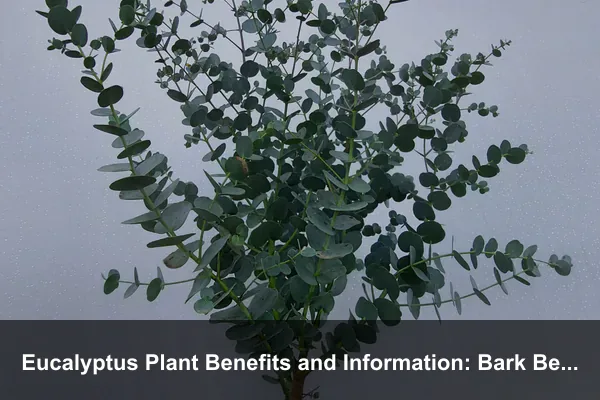
Eucalyptus plant benefits and information often begin with the familiar scent of the leaves, but this plant offers much more than aroma. In the right climate and setting, eucalyptus can bring year-round structure, silver-green foliage, distinctive bark, seasonal flowers, useful cut stems, and a strong sense of place to a garden. It is a plant that rewards observation because its leaves, bark, canopy shape, and growth rate all tell you something about how it is adapting to its environment.
This guide takes a different angle from the usual eucalyptus overview. Instead of focusing only on essential oil, basic uses, or simple care tips, it looks closely at bark character, canopy planning, wildlife value, and responsible placement. These details matter because eucalyptus can be either a beautiful long-term asset or an awkward garden problem depending on the species, site, and care approach. Understanding the plant before planting is the best way to enjoy its benefits safely and sustainably.
Eucalyptus at a Glance: A Plant Known for Leaves, Bark, and Structure
Eucalyptus belongs to the myrtle family, Myrtaceae, and most species are native to Australia, with some relatives and close species found in nearby regions. Many people casually call eucalyptus a gum tree, a name connected to the resin or gum that some species release when bark or stems are damaged. While the term eucalyptus is often used as if it describes one plant, the genus includes hundreds of species with different sizes, leaf colors, cold tolerance levels, bark textures, and landscape roles.
Some eucalyptus plants grow into towering trees suited only to wide landscapes, farms, parks, or shelterbelts. Others are smaller trees or shrubs that can work in gardens, courtyards, large containers, or cut-foliage plantings. The difference matters. A compact young eucalyptus in a pot may look delicate and ornamental at a nursery, but many species become vigorous woody plants with strong root systems and fast vertical growth once planted in open ground.
Why eucalyptus looks different from many garden plants
One of the most interesting pieces of eucalyptus plant information is that many species show different leaf forms as they mature. Juvenile leaves are often rounder, softer in appearance, and arranged in pairs. Mature leaves may become longer, narrower, and more pendulous. This change gives the plant a layered visual identity. Gardeners who want rounded silver foliage for arrangements often manage plants by pruning or coppicing so the plant keeps producing juvenile growth.
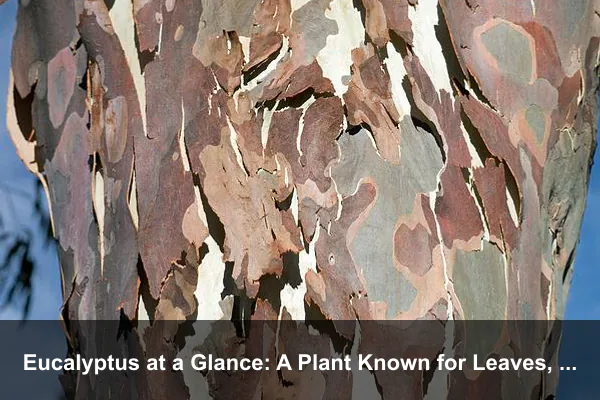
Bark is another defining feature. Some species have smooth bark that peels in ribbons or patches, revealing cream, gray, tan, pink, or greenish tones underneath. Others hold rough bark at the lower trunk while the upper trunk sheds more cleanly. This makes eucalyptus valuable as a structural plant even when it is not flowering. The trunk can become a living design element, especially in gardens that rely on texture, foliage, and seasonal light rather than constant floral color.
Basic facts for quick reference
- Plant type: Evergreen tree, shrub, or mallee depending on species.
- Best known features: Aromatic leaves, peeling bark, fast growth, and silvery or blue-green foliage.
- Common uses: Landscape structure, cut foliage, privacy, shade, wind filtering, wildlife support, and decorative stems.
- Light needs: Most species prefer full sun.
- Soil preference: Well-drained soil is usually more important than rich soil.
- Safety note: Eucalyptus essential oil is highly concentrated and should never be treated like a casual edible ingredient.
Key Eucalyptus Plant Benefits for Everyday Gardens
The benefits of eucalyptus are strongest when the plant is matched to a suitable space. It is not a universal houseplant, and it is not the right outdoor tree for every climate or small yard. However, where it fits well, eucalyptus can offer a combination of beauty, practical function, and sensory interest that few plants provide in the same way.
Year-round foliage and visual calm
Many eucalyptus species are evergreen, which means they can provide steady visual structure across the year. The foliage often has a muted tone rather than a bright green shine. Silver, blue, gray-green, and sage-colored leaves can soften strong garden colors and create a calm background for flowering plants. In hot or dry-looking landscapes, eucalyptus can give a cooling visual effect without needing the lush appearance of tropical plants.
This is one reason eucalyptus is popular in modern gardens, Mediterranean-style plantings, and low-water landscapes. The leaves combine well with lavender, rosemary, ornamental grasses, salvias, olive trees, and other sun-loving plants. Even a single eucalyptus, if placed carefully, can act as a vertical anchor that makes a garden feel more established.
Aromatic foliage with practical limits
The scent of eucalyptus comes from natural compounds in the leaves, especially aromatic oils. This fragrance is one of the most recognized eucalyptus plant benefits, but it should be described realistically. The living plant may release a noticeable scent when leaves are brushed, warmed by the sun, pruned, or crushed. It usually does not perfume an entire outdoor space constantly.
That realistic expectation helps gardeners avoid disappointment. Eucalyptus is best understood as a plant with interactive fragrance: you notice it when you handle the leaves, walk near the plant in warm weather, or bring cut stems indoors. It is not the same as planting a strongly scented jasmine or gardenia beside a seating area.
Useful stems for arrangements and seasonal decor
Fresh eucalyptus stems are widely used in floral design because they last well, add shape, and pair easily with both flowers and dried materials. The leaves can be round, narrow, coin-shaped, or lance-like depending on species and growth stage. This gives gardeners a renewable source of greenery if the plant is grown and pruned correctly.
For home use, cut only modest amounts at a time and avoid stripping a young plant too heavily. Mature, healthy plants can usually handle selective harvesting better than small stressed plants. Stems should be cut with clean pruners, placed in water quickly, and kept away from pets and small children who may chew leaves.
Bark Beauty and Canopy Planning: The Detail Many Growers Miss
When people search for eucalyptus plant benefits and information, they often focus on leaves. Yet bark and canopy shape are just as important for long-term success. A eucalyptus is not only a scented foliage plant. It is a woody structure that changes the way light, shade, movement, and maintenance work in a garden.
Peeling bark as natural ornament
Peeling bark can make eucalyptus valuable in gardens that need texture through every season. On some species, bark sheds in thin curls. On others, it falls away in larger plates or reveals smooth mottled surfaces. This natural shedding is not usually a disease problem. It is part of how many eucalyptus species renew the outer trunk surface.
For design, this means the trunk deserves visibility. Planting eucalyptus where the lower trunk can be seen from a path, window, terrace, or seating area increases its ornamental value. If the tree is hidden in a crowded border, one of its best features may be wasted. A simple underplanting of low grasses, gravel, groundcovers, or drought-tolerant perennials can keep attention on the bark without making the area look bare.
Canopy density and garden comfort
Eucalyptus canopies vary from open and airy to denser and more shade-casting. Many have leaves that hang vertically, allowing filtered light rather than deep shade. This can be useful in warm climates where harsh sun needs softening but the garden still needs brightness. A well-placed eucalyptus can make a seating area, path, or exposed corner more comfortable without creating a dark, damp pocket.
However, canopy planning must include mature size. A tree that looks charming at three feet tall may grow rapidly after establishment. Before planting, ask three practical questions:
- How tall and wide can this species become in my climate?
- Will the canopy eventually touch roofs, wires, fences, or neighboring property?
- Can fallen bark, leaves, and small twigs be managed in this location?
These questions prevent most eucalyptus regrets. They also help the plant deliver benefits without becoming a maintenance burden.
Leaf and bark litter as part of the plant’s rhythm
Eucalyptus drops leaves, bark strips, seed capsules, and small twigs as part of normal growth. This material can look beautiful in a naturalistic garden, but it may be inconvenient around pools, gutters, narrow paved courtyards, or high-traffic entrances. The plant is not messy in a careless sense; it simply has a natural shedding cycle that should be respected.
In informal beds, fallen material can contribute to surface mulch, though thick accumulations may need thinning so smaller plants are not smothered. In formal landscapes, regular sweeping or seasonal cleanup is part of responsible care. If low maintenance is a priority, site selection matters more than any pruning trick.
Wildlife-Aware Benefits and Responsible Landscape Fit
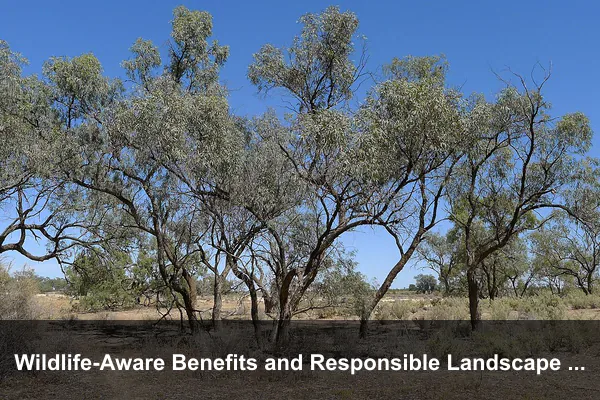
Eucalyptus can support wildlife in certain regions, especially when flowers provide nectar and pollen. The blossoms are not shaped like classic petals. Instead, they often look like clusters of fluffy stamens in cream, white, pink, red, or yellow tones. Bees and other nectar-feeding insects may visit the flowers when conditions are right. Birds may also use mature trees for shelter, perching, or feeding opportunities.
When eucalyptus helps garden ecology
In suitable landscapes, eucalyptus can add ecological value by providing vertical habitat, evergreen cover, and seasonal flowers. It may help connect planted areas with surrounding trees and shrubs, creating more layered space for small animals and insects. The canopy can also moderate wind and sunlight, making nearby areas more comfortable for certain plants and people.
For habitat-minded gardeners, eucalyptus works best as part of a mixed planting rather than as a single-species block. Diversity is important. Combine eucalyptus with locally appropriate flowering shrubs, native grasses, herbs, and groundcovers so the garden offers food and shelter across more seasons. This approach keeps eucalyptus from dominating the ecological story of the yard.
Regional responsibility matters
Eucalyptus is beneficial in some settings and problematic in others. In regions where certain species self-seed aggressively, dry out sensitive habitats, or contribute to fuel load in fire-prone areas, planting decisions require extra care. A responsible gardener should check local guidance before planting, especially near wildlands, conservation areas, or dry slopes.
This does not mean eucalyptus is automatically bad. It means the right plant must be chosen for the right place. In some urban gardens, a carefully selected species may be manageable and beautiful. In other locations, a different evergreen, native tree, or smaller aromatic shrub may be a better choice. The best plant benefits come from fit, not from forcing a fashionable plant into the wrong site.
How to make eucalyptus more habitat-friendly
- Choose a species with a mature size that fits the available space.
- Avoid planting invasive or locally discouraged species.
- Use mixed plantings rather than eucalyptus-only screens.
- Keep trees away from structures, roofs, and narrow utility zones.
- Prune for stable form when young instead of making harsh cuts later.
- Manage dry litter in fire-risk regions according to local recommendations.
Practical Eucalyptus Care Without Overcomplicating It
Eucalyptus care is often simpler than people expect, but simple does not mean careless. Most problems come from poor placement, unsuitable species choice, waterlogged soil, or trying to keep a naturally large tree permanently tiny. Good care starts before planting.
Light and warmth
Most eucalyptus plants want full sun. A sunny position supports strong growth, better leaf color, and a healthier canopy. In too much shade, growth may become weak, stretched, or sparse. Young plants also appreciate some protection from extreme wind until they establish a firm root system, especially in open gardens.
Cold tolerance varies widely. Some species handle light frost or cool temperate climates, while others are suited only to warm regions. If you live where winters are cold, choose a hardy species and avoid planting late in the season. Young eucalyptus plants are usually more vulnerable to cold damage than established specimens.
Soil and drainage
Well-drained soil is one of the most important eucalyptus care requirements. Many species dislike sitting in heavy, waterlogged ground. If the site holds water after rain, improve drainage or choose a different plant. Raised planting areas can help, but they must be designed properly so water does not collect below the root zone.
Eucalyptus generally does not need overly rich soil. Too much fertilizer can push fast, soft growth that may be less resilient. A moderate approach is better: plant into prepared soil, water during establishment, mulch around the root area without piling mulch against the trunk, and observe growth before feeding.
Watering young and established plants
Newly planted eucalyptus needs consistent watering while roots spread into the surrounding soil. This establishment period is important even for species that become drought tolerant later. Water deeply rather than lightly sprinkling the surface. Deep watering encourages roots to move downward and outward.
Once established, many eucalyptus species can tolerate drier periods, but drought tolerance depends on species, soil, climate, and plant age. Container-grown eucalyptus dries out faster than in-ground trees and may need closer attention. Potted plants should never sit in stagnant water, but they also should not be allowed to become bone dry for long periods during hot weather.
Pruning for form, foliage, and safety
Pruning should have a purpose. Young trees may need formative pruning to create a stable structure. Cut-foliage plants may be pruned harder to encourage juvenile leaves. Garden trees may need light canopy management to remove crossing, damaged, or poorly placed branches.
Avoid random topping, which can create weak regrowth and spoil the natural shape. For large trees, hire a qualified arborist rather than making risky cuts. Eucalyptus can respond strongly to pruning, so every cut should consider future growth, not just the immediate appearance.
Safe Home Uses of Eucalyptus Leaves Without Overstating Claims
Eucalyptus has a long association with freshness, clear scent, and home comfort. The leaves are used in wreaths, shower bundles, dried arrangements, potpourri, and seasonal decorations. These uses can be enjoyable, but it is important to separate pleasant household use from medical claims.
Fresh scent in the home
Cut eucalyptus stems can bring a clean herbal scent indoors, especially when leaves are handled or exposed to humidity. Some people hang a small bundle in the shower area where steam can release fragrance. If you do this, keep the bundle out of direct water flow, replace it before it becomes moldy, and make sure leaves do not clog drains.
People with asthma, scent sensitivity, migraines, or respiratory irritation may not enjoy eucalyptus indoors. Natural does not automatically mean gentle for everyone. Start with a small amount and remove it if the scent feels too strong.
Essential oil safety
Eucalyptus essential oil is far more concentrated than a fresh leaf. It should not be swallowed, applied undiluted to skin, used around infants, or used casually around pets. Cats, dogs, and other animals can be sensitive to concentrated essential oils. Anyone who is pregnant, managing a health condition, or using eucalyptus products for wellness reasons should seek qualified medical guidance.
For an SEO article about plant benefits, this point is worth stating clearly: the plant can be useful and enjoyable without being treated as a cure. Eucalyptus scent may feel refreshing, but it should not replace medical care for breathing problems, infections, allergies, or other health concerns.
Low-waste uses for pruned material
Healthy pruned stems can be used in simple, low-waste ways. They can be arranged fresh in a vase, dried for craft projects, added to wreaths, or used as natural texture in seasonal displays. Woody branches that are too large for arrangements may be chipped or disposed of according to local green-waste rules. In fire-prone areas, do not leave dry eucalyptus material piled near buildings.
Choosing the Right Eucalyptus for Your Space
Choosing eucalyptus is less about finding the prettiest young plant and more about matching species to purpose. A plant grown for cut foliage may be managed differently from a tree grown for shade, privacy, or bark display. The best choice depends on climate, space, maintenance style, and local rules.
For small gardens and containers
If space is limited, look for smaller-growing species or plants that tolerate regular pruning. Eucalyptus gunnii is often sold for ornamental foliage in cooler climates, though it can still become large if planted in the ground and left alone. Eucalyptus cinerea, sometimes associated with coin-shaped juvenile leaves, is popular for cut stems but also needs space and management.
Containers can slow growth, but they do not make a large species naturally small forever. A potted eucalyptus needs a stable container, drainage holes, careful watering, and periodic root checks. It may eventually need repotting, root pruning by an experienced grower, or replacement if it outgrows the container.
For larger landscapes
In larger spaces, eucalyptus can serve as a specimen tree, screen, wind filter, or canopy element. This is where bark and branch structure become major benefits. A larger landscape also makes it easier to keep the tree away from roofs, walls, drains, and paved areas where roots or litter could cause trouble.
Even in a large garden, do not plant eucalyptus thoughtlessly. Consider the mature canopy spread, the direction of prevailing winds, where leaf litter will fall, and how the tree will affect neighboring plants. A good eucalyptus placement looks better after ten years, not just on planting day.
Questions to ask before buying
- What is the botanical name of this eucalyptus?
- How tall and wide does it grow locally?
- Is it recommended or discouraged in my region?
- Is it being grown for cut foliage, bark, shade, or screening?
- Can I provide full sun and well-drained soil?
- Will I be able to manage pruning and cleanup safely?
Common Mistakes to Avoid With Eucalyptus
Eucalyptus is not difficult when the conditions are right, but mistakes can become large because the plant itself can become large. Avoiding a few common errors will make the benefits easier to enjoy.
Planting too close to buildings
The most serious mistake is planting a vigorous eucalyptus too close to a house, wall, driveway, underground service, or neighbor’s boundary. Even if root damage is not guaranteed, the combination of canopy size, pruning access, dropped material, and wind movement can become inconvenient. Give the plant room to become itself.
Buying for the juvenile leaves only
Many buyers fall in love with round juvenile leaves and are surprised when the plant matures into a different shape. This is normal for many eucalyptus species. If juvenile foliage is the main goal, learn how that species responds to pruning and whether it is commonly grown as a cut-foliage plant.
Overwatering established plants
Young eucalyptus needs water to establish, but established plants in suitable climates often prefer a more restrained approach. Constant wet soil can weaken roots and invite problems. Check soil moisture before watering, especially in containers or heavy soils.
Ignoring local fire and invasive plant guidance
In some regions, eucalyptus can create concerns related to dry leaf and bark litter, self-seeding, or fire behavior. Local advice matters more than generic online care tips. If authorities, extension services, or conservation groups discourage a species in your area, choose a safer alternative.
How Eucalyptus Compares With Other Useful Garden Plants
Understanding eucalyptus plant benefits and information becomes easier when you compare it with other aromatic and structural plants. Rosemary, lavender, bay laurel, olive, tea tree, and some acacias may offer overlapping qualities such as fragrance, evergreen foliage, drought tolerance, or wildlife value. Eucalyptus stands out because of its combination of fast growth, tall structure, aromatic leaves, and ornamental bark.
That strength is also its caution. Lavender can be replaced in a season. Rosemary can be pruned into a shrub. A large eucalyptus becomes a long-term landscape decision. This does not make it less valuable; it simply means the decision should be made with more care.
For small spaces, herbs and compact shrubs may deliver easier everyday benefits. For large sunny gardens, a well-chosen eucalyptus can add height, movement, and bark interest that smaller plants cannot provide. The best garden often uses both: lower aromatic herbs for close contact and larger woody plants for structure.
Conclusion: Eucalyptus Benefits Are Best When the Plant Fits the Place
Eucalyptus plant benefits and information should always be discussed with context. The plant can offer aromatic foliage, beautiful bark, year-round structure, useful cut stems, filtered shade, and habitat value. It can also outgrow tight spaces, drop natural litter, create safety concerns if mismanaged, or become unsuitable in regions where certain species are invasive or risky.
The most successful approach is simple: choose the right species, give it enough sun and drainage, respect its mature size, prune with purpose, and use the leaves responsibly. When planted with that level of care, eucalyptus becomes more than a trendy scented plant. It becomes a living feature with texture, movement, and practical value across many seasons.
