
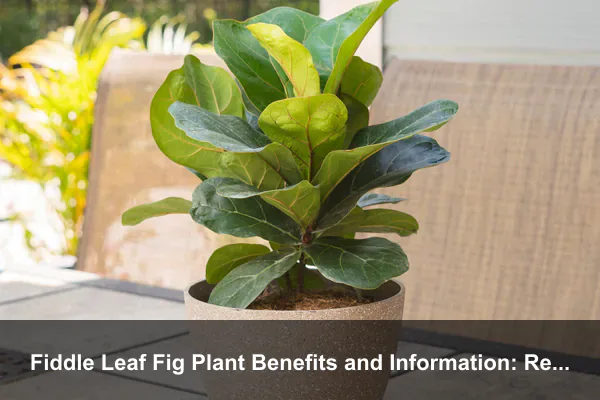
The Fiddle Leaf Fig is one of the most recognizable indoor trees in modern homes, but its popularity is not only about looks. With large violin-shaped leaves, upright growth, and strong architectural presence, Fiddle Leaf Fig plant benefits and information are especially useful for anyone who wants a living focal point rather than another small tabletop plant.
This guide takes a realistic angle: what the plant can add to your home, what it cannot promise, how much attention it needs, and how to decide whether it fits your room, routine, budget, and climate. The Fiddle Leaf Fig can be rewarding, but it performs best when treated as a small indoor tree with specific environmental needs.
What a Fiddle Leaf Fig Actually Is
The Fiddle Leaf Fig, botanically known as Ficus lyrata, is a tropical broadleaf plant native to parts of western Africa. In nature, it can become a large tree. Indoors, it is grown as a container plant and usually reaches anywhere from three to ten feet depending on age, light, pruning, pot size, and care consistency.
Botanical Profile
The name comes from the leaf shape, which resembles a fiddle or violin. The leaves are thick, glossy, and deeply veined, giving the plant a sculptural look even when it has only one main stem. Unlike flowering houseplants, its value indoors comes from foliage, height, and form rather than blooms.
Indoor Growth Habit
A young Fiddle Leaf Fig may look like a leafy column, while mature plants can develop woody trunks and branching crowns. This tree-like habit is why it feels different from trailing plants such as pothos or compact plants such as ZZ plants. It occupies vertical space, changes the visual balance of a room, and can make empty corners feel intentional.
Why the Fiddle Leaf Fig Is Valuable Indoors

The strongest Fiddle Leaf Fig plant benefits are visual, emotional, and spatial. It is not a miracle air purifier or a medicinal plant, but it can improve how a room feels and functions when placed well.
It Creates a Strong Design Anchor
Many indoor plants soften shelves or desks, but the Fiddle Leaf Fig can define an entire corner. Its broad leaves create contrast against walls, windows, bookshelves, neutral furniture, and clean modern interiors. Because it grows upright, it offers height without needing a wide footprint.
It Supports a Calmer Home Atmosphere
Greenery can make indoor spaces feel less hard and more settled. A Fiddle Leaf Fig adds a natural shape to rooms dominated by screens, straight furniture lines, and artificial lighting. For people who enjoy daily plant observation, it can also create a small routine of checking leaves, rotating the pot, and noticing changes in light and moisture.
- Decor value: It acts like living furniture in bright rooms.
- Space value: It fills vertical corners without needing a large plant collection.
- Routine value: It encourages simple observation-based care habits.
- Low-scent presence: It adds greenery without strong fragrance, useful for scent-sensitive homes.
- Long-term value: With stable care, it can stay attractive for years.
The Realistic Benefits: What It Can and Cannot Do
A helpful article about Fiddle Leaf Fig plant benefits and information should separate proven everyday value from exaggerated claims. This plant can improve the feeling of a room, but it should not be treated as a substitute for ventilation, cleaning, medical care, or humidity control.
Air Quality Expectations
Like many living plants, Fiddle Leaf Figs participate in basic plant processes such as photosynthesis and transpiration. However, one houseplant will not dramatically clean the air in a normal home. For better indoor air, use practical habits first: open windows when outdoor conditions are safe, maintain HVAC filters, reduce dust, and avoid excessive indoor pollutants.
Humidity and Comfort
Large leaves can release small amounts of moisture through transpiration, but the effect is modest. The plant may contribute to a fresher feeling in a plant-filled room, yet it will not replace a humidifier in a very dry space. In fact, extremely dry air can stress the plant, especially near heaters or air-conditioning vents.
Wellness Without Overclaiming
The real wellness benefit is often behavioral. Caring for a Fiddle Leaf Fig encourages slower observation: Is the topsoil dry? Are leaves dusty? Is one side stretching toward light? These quiet checks can become part of a calmer household rhythm. That is a meaningful benefit, even without making unrealistic health claims.
Climate Fit Before You Buy
Before bringing home a Fiddle Leaf Fig, evaluate the room as if you are choosing a place for a small indoor tree. The most common failures happen because the plant is bought for a beautiful corner that does not actually match its needs.
Light Needs
Fiddle Leaf Figs prefer bright, indirect light and can tolerate some gentle direct morning light. A room with a large east-facing window or a bright south or west exposure filtered by sheer curtains often works well. A dark hallway, windowless office, or dim bedroom is usually not a good fit unless you add a quality grow light.
One practical test is to read a book comfortably in the room during the day without turning on a lamp. If the space feels dim to you, it may be dim for the plant too. The leaves need enough light to support their size and maintain steady growth.
Temperature and Drafts
This plant prefers stable indoor temperatures, usually similar to what people find comfortable. Sudden cold drafts, hot blasts from heaters, or direct air-conditioning can lead to stress. Place it away from exterior doors, frequently opened windows in cold weather, and vents that blow directly onto the leaves.
Space Planning
A Fiddle Leaf Fig needs more planning than a small potted herb. Leave room above the plant for growth and enough space around the pot so leaves are not constantly brushed by people, pets, curtains, or doors. Repeated contact can damage leaves and make the plant look worn.
- Choose a bright, stable location before buying the plant.
- Avoid placing it where furniture, doors, or traffic will hit the leaves.
- Use a heavy pot or stable cachepot for taller specimens.
- Check whether the mature height will still suit the room in two or three years.
Care Basics for a Stable Indoor Tree
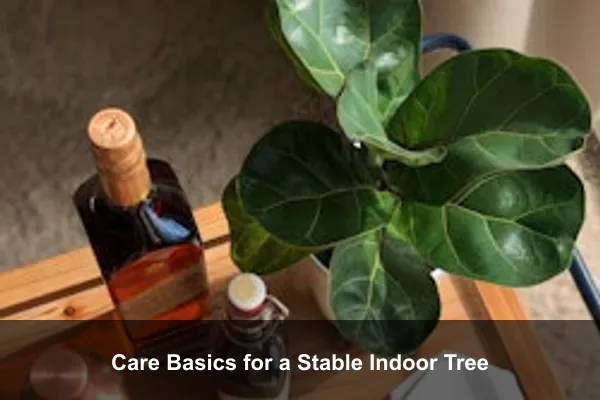
Good Fiddle Leaf Fig care is less about complicated tricks and more about consistency. The plant dislikes extremes: soggy soil, bone-dry roots, sudden relocation, harsh sun after low light, and constant handling.
Watering by Soil Moisture
Water when the upper part of the soil has dried, then water thoroughly until excess drains out. Do not let the pot sit in standing water. A fixed weekly schedule can be risky because soil dries faster in warm bright months and slower in cool dim months.
Use your finger, a wooden skewer, or a moisture meter as a guide. If the top two inches feel dry and the pot feels lighter than usual, it may be time to water. If the soil still feels damp and heavy, wait.
Soil and Drainage
A chunky, well-draining indoor potting mix is important. The roots need moisture but also air. A mix designed for indoor tropical plants, often improved with perlite, bark, or coarse material, helps reduce the chance of root suffocation. Always use a pot with drainage holes inside any decorative outer container.
Leaf Cleaning
Large leaves collect dust. Dust blocks light and reduces the polished appearance that makes the plant valuable indoors. Wipe leaves gently with a soft damp cloth, supporting each leaf from underneath. Avoid heavy oils or shine products because they can clog leaf surfaces and attract residue.
Feeding
During active growth, a balanced houseplant fertilizer can support new leaves. Use a diluted product according to label directions rather than overfeeding. More fertilizer will not fix poor light, soggy soil, or root damage. In low-light seasons, reduce or pause feeding because the plant is not using nutrients as quickly.
- Check light first because growth depends on it.
- Check soil moisture before watering.
- Water deeply only when the plant is ready.
- Empty saucers or cachepots after drainage.
- Rotate the pot slightly every few weeks for balanced growth.
Buying, Budget, and Ownership Costs
One unique part of Fiddle Leaf Fig plant benefits and information is cost awareness. This is often a higher-priced houseplant, especially when sold as a large tree. Buying wisely can prevent disappointment and wasted money.
Small Plant or Large Tree?
A small Fiddle Leaf Fig is cheaper, easier to move, and often adapts better to a new home. The tradeoff is patience: it may take years to develop the dramatic indoor-tree look. A large specimen gives instant impact but costs more and can react strongly to changes in light, humidity, and watering.
What to Inspect at the Store
Look for firm leaves, strong stems, and soil that does not smell sour. Some lower leaf loss is normal, but widespread spotting, mushy stems, pests, or a loose plant that wobbles in the pot can signal deeper problems. Check the undersides of leaves and the joints where leaves meet stems.
Useful Accessories
You do not need expensive products, but a few basics help. A pot with drainage, a saucer, a soft cloth, a simple moisture meter if you prefer tools, and a stable plant stand or caster tray for large pots can make care easier. Avoid buying accessories that solve imaginary problems while ignoring the essentials of light, water, and drainage.
- Worth buying: well-draining pot, saucer, quality potting mix, pruning shears, soft cleaning cloth.
- Optional: grow light, moisture meter, plant caddy, humidifier for very dry homes.
- Usually unnecessary: leaf shine sprays, decorative pots with no drainage plan, excessive fertilizer sets.
Common Problems and Better Decisions
Fiddle Leaf Figs have a reputation for being dramatic, but many problems are predictable. The key is to diagnose slowly instead of changing everything at once.
Leaf Drop
Leaf drop can happen after moving the plant, changing light levels, underwatering, overwatering, or exposing it to drafts. If a newly purchased plant drops a few leaves in the first weeks, do not panic. Keep conditions stable and avoid repotting, fertilizing, and relocating repeatedly unless there is a clear reason.
Brown Spots
Brown spots can come from several causes. Soft dark spots may suggest excess moisture or root trouble. Crispy brown edges may point toward dryness, inconsistent watering, low humidity, or harsh sun. Because symptoms can overlap, check the soil, roots, light exposure, and watering pattern before choosing a fix.
Leaning Growth
A leaning plant usually wants more balanced light or needs rotation. Turn the pot gradually so all sides receive exposure. If the trunk is weak, improve light and consider staking temporarily while the plant strengthens. Long-term, strong light and measured pruning are better than relying on a stake forever.
- Identify the newest change in the plant’s environment.
- Check soil moisture and drainage before adding water.
- Inspect leaves and stems for pests.
- Review light exposure throughout the day.
- Make one correction, then observe for two to four weeks.
Safety, Sustainability, and Home Fit
A Fiddle Leaf Fig is beautiful, but it must fit the household. The sap of many ficus plants can irritate skin, and the plant is not considered edible. Keep it away from pets or children who chew leaves. If you prune or remove damaged leaves, wash your hands afterward and avoid touching your eyes.
Pet and Child Considerations
In homes with curious cats, dogs, or toddlers, placement matters. A heavy pot can tip if climbed on, and damaged leaves can leak irritating sap. Choose a stable container, avoid narrow stands for large plants, and consider a room where the plant can be admired without being disturbed.
Low-Waste Ownership
Sustainable care means keeping the plant healthy long enough that it does not become disposable decor. Buy the right size, reuse a decorative outer pot when possible, refresh soil only when needed, and propagate healthy cuttings if pruning creates suitable material. A well-kept plant has more value than repeatedly replacing stressed specimens.
Best Rooms for a Fiddle Leaf Fig
The best room is bright, stable, and spacious enough for growth. Living rooms with large windows are often ideal. Dining rooms can work if the plant has room away from chairs and traffic. Home offices can benefit from the plant’s strong visual presence, especially near a window where it softens the screen-heavy environment.
Rooms to Avoid
A bathroom may be humid, but it is not suitable if it lacks strong natural light. A dark bedroom may look good in photos but can weaken the plant over time. Entryways can be risky if doors create temperature swings. The right location is not the most decorative corner; it is the corner where beauty and plant health can coexist.
Conclusion: Is a Fiddle Leaf Fig Worth It?
The Fiddle Leaf Fig is worth growing if you have bright light, stable indoor conditions, enough vertical space, and a willingness to observe rather than overcorrect. Its benefits are strongest as a living design feature, a calming green presence, and a long-term indoor tree that makes a room feel more complete.
For readers searching for Fiddle Leaf Fig plant benefits and information, the most important lesson is balance. Enjoy the beauty, respect the plant’s limits, and make decisions based on your actual home environment. When the match is right, a Fiddle Leaf Fig can become one of the most memorable and rewarding houseplants in the room.
