
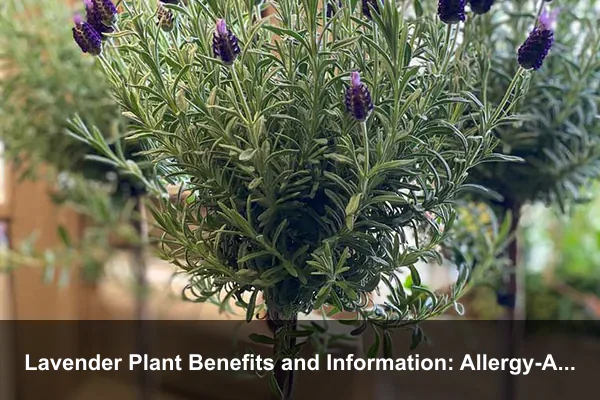
Lavender is often introduced as a calming purple flower, but its real value is broader than fragrance alone. This Mediterranean herb offers beauty, practical household uses, wildlife support, and a disciplined approach to low-input gardening when it is grown in the right place. A good guide to Lavender plant benefits and information should also explain the limits of the plant, because scent, essential oils, and herbal products are not equally comfortable for everyone.
This article looks at lavender through a slightly different lens: allergy-aware, fragrance-smart growing. Instead of repeating only the usual claims about sleep, dried flowers, or garden color, it explains how to use lavender thoughtfully around homes, patios, walkways, and small gardens. You will learn what makes lavender useful, where it belongs, how to care for it, and how to enjoy its benefits without turning a pleasant herb into an overpowering presence.
What Makes Lavender Different from Other Herbal Plants
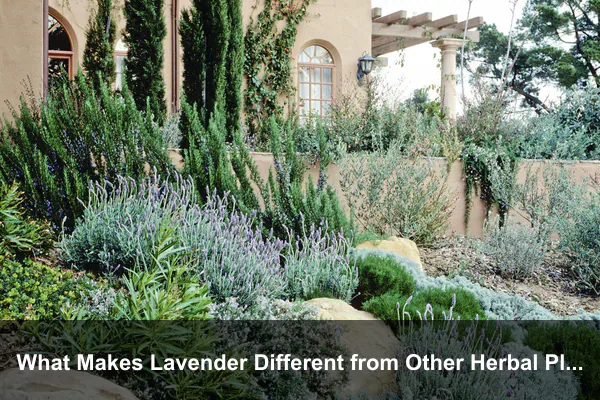
Lavender belongs to the mint family, Lamiaceae, but it behaves differently from soft culinary herbs such as basil, mint, or cilantro. Most lavender types develop woody stems, narrow gray-green leaves, and flower spikes filled with aromatic oil glands. These traits help the plant survive dry, sunny, open conditions, especially in climates with lean soil and good air movement.
The best-known lavenders are from the Lavandula genus. English lavender, lavandin, French lavender, and Spanish lavender are often sold in garden centers, but they are not identical. Some are better for compact borders, some tolerate heat more easily, and some have a stronger camphor-like scent. This matters when choosing lavender for a family garden, a shared patio, or a fragrance-sensitive home.
A Mediterranean Plant With a Practical Personality
Lavender is naturally adapted to bright light, drainage, and modest fertility. It usually struggles more from kindness than neglect: too much water, rich compost, heavy mulch, and damp shade can weaken the roots. For gardeners who want a plant that rewards restraint, lavender can be a good teacher. It encourages better observation of sun, soil texture, airflow, and seasonal pruning.
Why the Leaves Matter as Much as the Flowers
Many people focus only on lavender blooms, but the foliage is part of the plant’s value. The narrow leaves stay attractive before and after flowering, add silvery contrast to green planting schemes, and release scent when brushed gently. In an allergy-aware garden, this also means placement matters. A lavender hedge beside a path may be delightful for one person and too intense for another, especially on hot days when aromatic oils become more noticeable.
Lavender Plant Benefits for Allergy-Aware Spaces
One of the most useful lavender plant benefits is that it can add fragrance and seasonal flowers without behaving like a wind-pollinated grass or tree. Lavender flowers are mainly visited by insects, which means the pollen is not typically released into the air in the same way as many common allergy triggers. That does not make lavender allergy-proof, but it can make it a smarter choice than some highly wind-pollinated plants for outdoor areas where people want color and scent.
Low Airborne Pollen Potential, With a Clear Caveat
Lavender is often considered a lower-pollen concern because bees and other insects move much of its pollen. However, people can still react to plant material, fragrance compounds, dust on dried stems, or essential oil products. The best approach is not to label lavender as universally safe. Instead, grow it where it can be enjoyed with choice and distance, especially in homes where children, older adults, pets, or scent-sensitive visitors spend time.
Fragrance That Can Be Designed, Not Just Added
Fragrance-smart design means using lavender in measured zones. A few plants near a sunny seating edge can create a pleasant herbal note. A dense mass beside every doorway may become too strong. Place lavender where air can carry the scent away rather than trapping it in narrow entries, enclosed balconies, or poorly ventilated courtyards.
- Best for gentle scent: sunny garden edges, open patios, gravel borders, and raised beds.
- Use carefully: bedroom windows, compact balconies, enclosed porches, and narrow entry paths.
- Avoid for sensitive users: heavy dried bunches in small rooms, concentrated essential oils, and constant direct skin contact.
Visual Calm Without Heavy Maintenance
Lavender also benefits a space visually. Its rounded shape, upright flower stems, and muted foliage create rhythm without needing complex design. In gardens inspired by the broader idea of plant benefits, or manfaat tanaman, lavender offers both function and beauty: it softens hard surfaces, attracts beneficial insects, and provides harvestable stems while remaining relatively simple to manage once established.
Smart Household Uses That Keep Lavender Comfortable
Lavender can be useful indoors, but moderation is important. The safest everyday uses rely on the plant’s natural fragrance rather than concentrated products. Dried stems, small sachets, and occasional decorative bundles are usually easier to control than diffusers or strong essential oil blends.
Dried Stems for Linen Closets and Storage
Dried lavender can be placed in breathable fabric sachets and used in closets, drawers, or storage boxes. This gives a light herbal scent without exposing the whole room. Replace sachets when they become dusty or lose fragrance, and keep them away from pets that may chew them. If someone in the home notices headaches, sneezing, skin irritation, or throat discomfort, remove the sachets and ventilate the space.
Fresh Bouquets With Better Airflow
Fresh lavender stems can be displayed in small bunches, especially in kitchens, work corners, or sunny shelves where air circulates. Avoid overcrowding vases with too many fragrant stems. Lavender does not need to dominate a room to be useful; a small arrangement can provide color, texture, and a mild scent.
Gentle Culinary Use, Only From Edible Sources
Some lavender varieties are used in food, but culinary use should be cautious and selective. Use only lavender that is clearly grown and sold as edible, free from pesticides not meant for food crops, and used in very small amounts. Lavender essential oil should not be treated as a casual food ingredient unless a qualified professional product label specifically supports that use. For most households, dried culinary buds in tea blends, sugar, or baked goods are easier to control than oil.
Where to Plant Lavender for Comfort and Healthy Growth
Lavender performs best when its location supports both the plant and the people around it. A healthy lavender plant needs full sun, quick drainage, and space around the stems. A comfortable lavender garden also needs thoughtful distance from high-traffic areas, windows, and seating used by fragrance-sensitive people.
Outdoor Placement That Works
Choose a site with at least six hours of direct sun. South-facing or west-facing beds often work well in cooler regions, while very hot climates may benefit from morning sun and some afternoon relief. Lavender is well suited to gravel gardens, raised beds, rock edges, and slopes where water drains quickly.
For allergy-aware design, keep lavender slightly offset from the most used path rather than brushing against every passerby. This still allows people to see and smell the plant, but it reduces constant contact with foliage and flowers. Around patios, place lavender near outer edges instead of directly beside dining chairs or frequently opened doors.
Container Growing for Flexible Placement
Lavender can grow in containers if the pot has excellent drainage and receives strong sunlight. Terracotta pots are helpful because they dry more quickly than plastic. Container lavender is also practical when a household wants to test fragrance tolerance before planting a larger bed. If the scent feels too strong, the pot can be moved farther from seating areas.
Indoor Lavender Is Usually Temporary
Lavender is not the easiest long-term indoor plant. It needs more sun and airflow than many homes provide. A bright windowsill may keep it alive for a while, but weak light often leads to stretching, root stress, and poor flowering. If you want lavender indoors, treat it as a temporary seasonal herb or move it outdoors when conditions allow.
Soil, Water, and Light Information for Strong Lavender
Good lavender care starts below the surface. The plant dislikes heavy, wet soil because its roots need oxygen. If garden soil is clay-rich or compacted, raised beds and gritty amendments can help. The goal is not rich, damp soil; the goal is lean, open soil that drains after rain.
Soil Texture and Drainage
Lavender often prefers neutral to slightly alkaline soil, though exact needs vary by type and region. More important than chasing a perfect pH is preventing soggy roots. Avoid planting lavender in low spots where rainwater collects. If the soil stays wet for days, the plant may yellow, decline, or develop root rot.
- Use a container mix that drains quickly for potted lavender.
- Avoid heavy layers of bark mulch pressed against the crown.
- Do not overfeed with nitrogen-rich fertilizer, which can cause soft growth and weaker fragrance.
- Improve airflow by spacing plants according to their mature width.
Watering Without Weakening the Plant
New lavender plants need regular water while roots establish. After that, water deeply but less often. Let the upper soil dry between watering sessions, especially in containers. Frequent shallow watering encourages weak surface roots and can keep the crown too damp.
Pruning for Shape, Airflow, and Longevity
Pruning is one of the most important pieces of lavender plant information for beginners. After flowering, trim back spent stems and lightly shape the plant. Avoid cutting hard into old leafless wood, because lavender may not regrow strongly from bare stems. Annual light pruning keeps the plant compact, improves airflow, and reduces the woody, open center that develops when lavender is ignored for years.
Harvesting Lavender Without Increasing Irritation or Waste
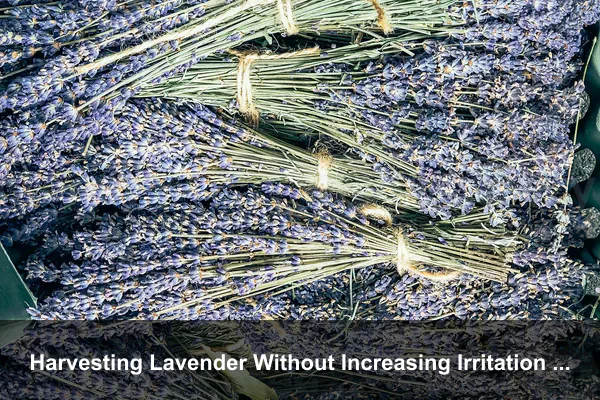
Harvesting lavender is simple, but timing and handling affect both quality and comfort. Cut stems when many buds have formed and some flowers are just beginning to open. This stage gives good fragrance and color for drying. Use clean scissors or pruners, and harvest on a dry morning after dew has evaporated.
Drying Lavender the Practical Way
Bundle small groups of stems and hang them upside down in a dry, shaded, ventilated area. Smaller bundles dry more evenly and are less likely to trap moisture. Direct sun can fade color and reduce fragrance quality. Once dry, store the buds or stems in paper bags, jars, or breathable sachets away from heat and humidity.
Keeping Dried Lavender Manageable
Dried lavender can collect dust, and crushed buds release stronger scent. For fragrance-sensitive homes, avoid large exposed bundles in small rooms. Use small amounts, label containers clearly, and keep dried material out of reach of curious pets or young children. Compost old stems when they lose fragrance or become dusty.
Low-Waste Uses for Stems and Trimmings
Not every harvested piece needs to become decor. Clean, unsprayed stems can be used as aromatic fire starters where safe and legal, added sparingly to outdoor compost, or bundled for short-term drawer scent. Avoid spreading strongly scented plant waste where pets rest or where sensitive family members may handle it unknowingly.
Lavender Safety: Skin, Pets, Oils, and Sensitive Users
Lavender is natural, but natural does not automatically mean harmless. This is especially true for essential oil, which is much more concentrated than fresh or dried plant material. A balanced guide to Lavender plant benefits and information should make the safety side clear.
Essential Oil Is Not the Same as the Plant
Lavender essential oil can irritate skin, eyes, airways, or sensitive individuals when used incorrectly. It should be diluted properly for topical use, kept away from eyes and mucous membranes, and stored safely. People who are pregnant, nursing, managing medical conditions, or using medications should ask a qualified health professional before using lavender products for wellness purposes.
Pet Considerations
Cats and dogs may be sensitive to concentrated oils, and pets should not be encouraged to chew lavender. Fresh plants in the garden are usually less concerning than essential oils, but supervision is still sensible. Avoid diffusing lavender oil in enclosed rooms where pets cannot leave freely.
Signs That Lavender Is Not a Good Fit
Remove or reduce lavender exposure if someone experiences headaches, nausea, coughing, rash, itchy eyes, sneezing, or breathing discomfort around the plant or its products. A plant is only beneficial when it fits the people and animals who share the space.
A Beginner-Friendly Lavender Plan
If you are new to lavender, start small and observe. One healthy plant in the right position teaches more than a large row planted in unsuitable soil. A small beginning also helps you test fragrance level, watering habits, and seasonal care without committing too much space.
- Choose the right type: Select a variety suited to your climate, available sunlight, and intended use.
- Pick an open sunny spot: Prioritize drainage, airflow, and distance from enclosed living spaces.
- Plant slightly high: Keep the crown from sitting in a wet depression.
- Water to establish: Provide steady moisture at first, then reduce watering as roots strengthen.
- Harvest lightly: Take a few stems in the first season and let the plant build structure.
- Prune after bloom: Shape gently to keep the plant dense and healthy.
Good Companion Ideas
Pair lavender with plants that enjoy similar drainage and sun. Thyme, sage, oregano, yarrow, and ornamental grasses can work in many gardens, depending on climate. Avoid placing lavender next to water-loving plants that need frequent irrigation, because their care needs conflict.
Common Mistakes to Avoid
- Planting lavender in shade and expecting heavy blooms.
- Using rich, wet soil because it looks fertile.
- Watering established plants too often.
- Cutting into old bare wood during pruning.
- Assuming lavender products are safe for every person and pet.
Conclusion
Lavender is valuable because it combines beauty, fragrance, herbal usefulness, and resilient garden character. Its flowers support beneficial insects, its foliage adds soft color, and its dried stems can bring a controlled herbal scent into the home. The strongest lavender plant benefits appear when the plant is grown in sun, given drainage, harvested thoughtfully, and used with respect for individual sensitivity.
For gardeners who want practical Lavender plant benefits and information, the best approach is simple: choose a suitable variety, start with a modest planting, keep the soil lean and well drained, and use fragrance intentionally. Lavender does not need to overwhelm a garden or home to be useful. When placed carefully, it becomes a calm, durable, and meaningful herb that supports both outdoor beauty and everyday comfort.
