
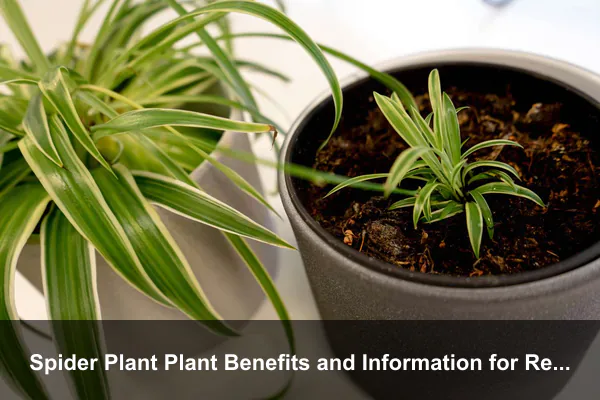
Spider plants are often recommended as beginner houseplants, but their real strength is not just that they are easy to grow. They are flexible. A healthy spider plant can live on a shelf, sit near a bright window, hang from a removable hook, move between apartments, and recover from the kind of imperfect care that happens in real homes. That makes Spider Plant plant benefits and information especially useful for renters, students, busy families, and anyone who wants greenery without building a complicated indoor garden.
Also known botanically as Chlorophytum comosum, the spider plant has arching striped leaves and produces small plantlets on long stems when mature. Those baby plants are charming, but they also make this plant practical: one purchase can become several plants over time. In this guide, the focus is a unique angle: how spider plants support flexible indoor living, from portable decor and low-pressure care to realistic wellness value, safe placement, propagation, and moving-day survival.
Why Spider Plants Work So Well in Flexible Homes
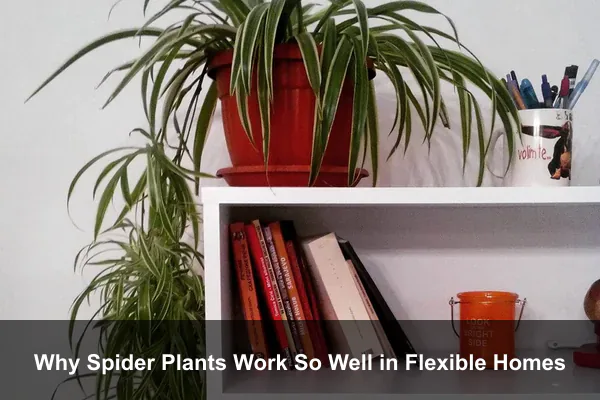
Many houseplants look beautiful in ideal photos but become demanding when life changes. Spider plants are different because they do not require a permanent garden bed, heavy planter, strict humidity cabinet, or perfect window. Their benefits come from adaptability. They can grow in compact pots, tolerate a range of indoor light conditions, and bounce back from short periods of missed watering better than many delicate foliage plants.
Portable greenery without permanent changes
For renters, one of the biggest advantages of a spider plant is that it can create a lush indoor look without damaging walls or floors. You can place it on a plant stand, windowsill, bookcase, bathroom shelf, or freestanding rack. If you like hanging foliage, use tension rods, over-door hooks, or ceiling-safe removable systems only where appropriate. The plant itself is light enough that you do not need a massive container to make it look full.
A forgiving plant for changing routines
Spider plants are not indestructible, but they are forgiving. If your schedule changes, if you travel for a few days, or if your apartment light shifts with the seasons, the plant often gives visible signals before it declines severely. Pale leaves, floppy growth, dry tips, or fewer plantlets can tell you what needs adjustment. This makes the spider plant a practical companion for people who are still learning indoor plant care.
Core Spider Plant Benefits Without the Hype
When discussing Spider Plant plant benefits and information, it is important to separate realistic value from exaggerated claims. Spider plants can improve the feeling of a room, soften hard interior lines, and encourage calmer daily routines. They are often discussed in relation to indoor air quality, but a single plant will not replace ventilation, cleaning, or good building maintenance.
The most useful spider plant benefits include:
- Visual softness: The arching leaves add movement and texture without overwhelming a small room.
- Beginner-friendly care: The plant tolerates normal indoor conditions and does not require rare supplies.
- Space efficiency: It grows well in hanging baskets, shelves, and compact containers.
- Propagation value: Mature plants produce plantlets that can be rooted and shared.
- Pet-aware placement: Spider plants are generally considered non-toxic to cats and dogs, though chewing can still cause mild stomach upset.
- Routine support: Simple watering and inspection habits can make indoor plant care feel manageable.
Realistic air quality value
Spider plants became popular in part because of research on plants and indoor air pollutants. That history is interesting, but real homes are more complex than sealed test chambers. The practical takeaway is balanced: spider plants contribute to a fresher, more natural indoor environment, but they should be part of a wider healthy-home routine that includes airflow, dust control, moisture management, and safe cleaning habits.
Emotional and design value
The strongest everyday benefit may be visual and emotional. A spider plant brings a living rhythm into a room. New leaves, runners, and plantlets make growth visible. For people who spend long hours indoors, that small sign of life can make a desk, kitchen corner, or bedroom shelf feel less static.
Essential Spider Plant Information at a Glance
The spider plant is a clump-forming perennial grown mostly as an indoor ornamental plant. Its long, narrow leaves may be green or variegated with white, cream, or pale yellow striping. Mature plants can send out long stems with small white flowers followed by baby plantlets. These plantlets are one reason the plant is associated with abundance, sharing, and easy propagation.
Key spider plant information includes:
- Botanical name: Chlorophytum comosum.
- Common names: Spider plant, airplane plant, ribbon plant.
- Best light: Bright, indirect light, with tolerance for moderate indoor light.
- Watering style: Water when the upper layer of potting mix begins to dry.
- Soil preference: Loose, well-draining indoor potting mix.
- Growth habit: Arching foliage with runners and plantlets on mature plants.
- Difficulty level: Beginner-friendly, especially when overwatering is avoided.
Popular spider plant varieties
Many indoor growers choose variegated forms because the striped leaves brighten shelves and corners. Common types include green spider plants, plants with white centers and green edges, and plants with green centers and pale margins. Curly spider plants are also popular because their twisted leaves create a fuller, more sculptural look in small containers.
Setting Up a Portable Spider Plant Care System
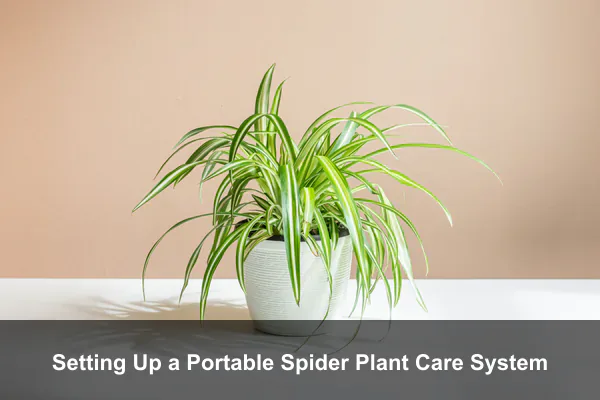
A flexible home needs a flexible plant setup. Instead of thinking only about where the spider plant looks good today, think about how easy it will be to water, rotate, clean, repot, and move. A lightweight, practical setup often keeps the plant healthier than a beautiful but awkward display.
Choose the right container
Use a pot with drainage holes whenever possible. Spider plants dislike sitting in soggy soil, and drainage makes watering less risky. If you need to use a decorative cover pot, keep the nursery pot inside it and empty extra water after watering. For renters, lightweight resin, plastic, fiberstone, or simple ceramic pots are easier to lift and safer for shelves than oversized heavy planters.
Build a simple soil mix
A standard indoor potting mix works well if it drains freely. If the mix stays wet for too long, add perlite, pumice, or orchid bark to improve airflow around the roots. You do not need a rare specialty mix. The goal is simple: moisture should be available, but the root zone should not remain waterlogged.
Create a care station
Keep basic supplies together so care does not become a chore. A small watering can, pruning scissors, a saucer, and a microfiber cloth are enough for most homes. If your tap water is high in minerals, letting water sit overnight or using filtered water occasionally may help reduce leaf-tip stress, especially in sensitive variegated plants.
Light, Water, and Feeding for Everyday Success
Spider plant care is easiest when you avoid extremes. Bright indirect light encourages strong variegation and plantlet production, while harsh direct sun can scorch leaves. Very low light may keep the plant alive but can reduce growth, weaken striping, and slow the production of runners.
How to water a spider plant
Check the top inch or two of potting mix before watering. If it feels dry, water thoroughly until excess drains out, then empty the saucer. If it still feels damp, wait. This simple check prevents the most common problem: watering on a calendar when the plant does not need it.
A practical watering rhythm looks like this:
- Touch the potting mix before watering.
- Water deeply when the upper layer is dry.
- Allow extra water to drain away.
- Reduce watering slightly in cooler, darker months.
- Increase checks during warm weather or strong growth.
Feeding without forcing growth
Spider plants do not need heavy feeding. During active growth, a diluted balanced houseplant fertilizer once a month can support healthy leaves and plantlets. Avoid overfertilizing because salt buildup can stress the roots and cause leaf issues. In winter or low-light conditions, feed less often or pause until growth resumes.
Smart Placement Ideas That Do Not Damage Walls
One reason spider plants are useful in flexible homes is that they offer many display options. Their leaves naturally spill outward, so they can make a plain shelf look intentional without needing large furniture or permanent fixtures. In small spaces, this matters because the plant gives visual impact while using vertical or edge space.
Consider these placement ideas:
- Bookshelf edge: Let the leaves arch forward while keeping the pot stable.
- Plant stand near a window: Raise the plant into brighter light without drilling into walls.
- Kitchen counter corner: Use the plant to soften hard surfaces, away from heat and grease.
- Bathroom shelf: Place it where there is enough light and good airflow after showers.
- Desk side table: Add greenery without crowding the work surface.
- Freestanding garment rack: Use a hanging basket only if the rack is stable and weight-safe.
Rotate for even growth
Spider plants lean toward light. Rotate the pot every week or two so the foliage stays balanced. This is especially helpful in apartments where light comes strongly from one side. Regular rotation also lets you inspect the plant for dry soil, pests, or leaves that need trimming.
Propagation and Sharing in a Low-Pressure Way
Plantlets are one of the most recognizable spider plant features. They appear on long stems after the plant is mature and comfortable. While many people immediately cut and root them, you do not have to propagate every baby plant. Sometimes the best design choice is to leave plantlets attached for a cascading look.
How to root spider plant babies
Choose a plantlet with small root nubs or visible roots. Cut it from the runner with clean scissors, then place it in moist potting mix. Keep the mix lightly moist while roots establish. You can also root plantlets in water for visibility, but move them into soil before the water roots become too long and fragile.
For a simple propagation routine:
- Select a healthy plantlet with visible root points.
- Cut it cleanly from the stem.
- Place it in a small pot with moist, airy mix.
- Keep it in bright indirect light.
- Water lightly until new growth confirms establishment.
Sharing without creating clutter
Because spider plants multiply easily, they can become part of a thoughtful plant-sharing habit. Share rooted plantlets with friends, neighbors, or coworkers, but include basic care notes. A small plant in a lightweight pot with instructions is more useful than an unrooted cutting handed over without context.
Moving With a Spider Plant
Many indoor plants struggle when moved, but spider plants usually handle relocation well if protected from physical damage and temperature shock. This makes them especially valuable for people in temporary housing, dorms, rentals, or jobs that require relocation.
Before the move
Water the plant a day or two before moving if the soil is dry, but avoid soaking it right before transport. Remove dead leaves and secure long runners loosely so they do not snap. If the plant is in a breakable pot, consider placing the nursery pot inside a lighter temporary container during the move.
During and after transport
Keep the plant upright and away from extreme heat or cold. After arrival, place it in bright indirect light and give it a week or two to adjust before fertilizing, repotting, or making major changes. A few stressed leaves after a move are normal. Focus on stable light, careful watering, and patience.
Common Problems and What They Tell You
Spider plants are good signal plants because their appearance often points toward the issue. Instead of treating every symptom as a crisis, read the plant as feedback about light, water, container size, or mineral buildup.
- Pale, weak leaves: The plant may need brighter indirect light.
- Limp foliage: Check soil moisture. The plant may be too dry or too wet.
- Yellowing leaves: Overwatering, poor drainage, or old lower leaves may be involved.
- Dry brown tips: Mineral buildup, inconsistent watering, dry air, or fertilizer excess can contribute.
- No plantlets: The plant may be young, underlit, overfed with nitrogen, or not yet settled.
- Crowded roots: Growth may slow if the plant is extremely root-bound, though spider plants can tolerate snug pots for a while.
When to repot
Repot when roots circle tightly, water runs straight through without soaking the mix, or growth stalls despite good care. Choose a pot only slightly larger than the current one. Oversized pots hold extra moisture and can make root problems more likely.
Safety, Pets, and Practical Household Use
Spider plants are widely valued because they fit homes with children and pets better than many ornamental plants. They are generally listed as non-toxic to cats and dogs, which is helpful for pet owners. However, non-toxic does not mean edible. Cats in particular may chew the leaves, and too much nibbling can cause vomiting or digestive upset.
Use practical placement if pets are curious. Put the plant on a higher shelf, offer pet grass as an alternative for cats, and clean up fallen leaves or plantlets. If a pet eats a large amount or shows unusual symptoms, contact a veterinarian.
Clean leaves, cleaner presentation
Dust can collect on spider plant leaves, especially near windows or busy rooms. Wipe leaves gently with a damp cloth or rinse the plant occasionally in a sink or shower, allowing the pot to drain afterward. Clean leaves look better and receive light more efficiently.
Buying Tips for a Strong Starter Plant
A healthy spider plant should have firm leaves, balanced color, and no sour smell from the soil. Avoid plants with soggy potting mix, mushy crowns, heavy pest presence, or severe yellowing. A few dry tips are common and not always a deal breaker, but widespread collapse is a warning sign.
When choosing a plant, look for:
- Firm foliage with good color and no mushy center.
- Drainage holes in the nursery pot.
- No sticky residue, webbing, or clusters of pests under leaves.
- Roots that are present but not bursting dramatically from every opening.
- A size that matches your shelf, stand, or window area.
If you are buying for a small apartment, choose a compact plant and let it grow into the space. If you want immediate impact, choose a fuller hanging basket, but make sure you have a stable place to display it.
How Spider Plants Support a More Livable Indoor Routine
The best Spider Plant plant benefits and information are not only botanical. They are practical. This plant helps people build a relationship with indoor greenery that is simple enough to maintain. It rewards attention but does not punish every mistake. It can be styled without permanent installation, propagated without special equipment, and moved without elaborate planning.
For people interested in plant benefits, or manfaat tanaman, the spider plant is a clear example of how an ornamental plant can serve everyday life. Its value is not limited to decoration. It can make a rented room feel settled, help a desk feel less sterile, teach basic plant care through visible signals, and turn one plant into many through plantlets.
Conclusion
Spider plants remain popular because they solve real indoor living problems. They are attractive, adaptable, easy to propagate, and suitable for many flexible spaces. They offer realistic wellness and design benefits without requiring expert-level care or permanent home changes.
If you want a houseplant that can move with you, forgive imperfect routines, brighten shelves, and provide a satisfying introduction to propagation, the spider plant is a strong choice. Understanding Spider Plant plant benefits and information helps you use this familiar plant more intentionally: not as a trendy accessory, but as dependable living greenery for real homes.
