
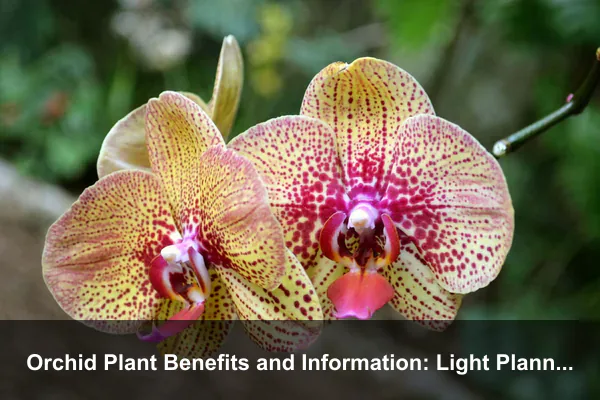
Orchids are often treated like luxury plants, but they can be surprisingly practical when you understand how they grow. A healthy orchid can bring months of color from a small pot, fit easily on a bright shelf or windowsill, and turn ordinary indoor light into a more elegant living detail. For readers searching for Orchid plant benefits and information, the most useful answer is not only that orchids are beautiful. Their real value comes from long-lasting blooms, compact growth, observation-based care, and the way they help people build calmer indoor routines.
This guide takes a distinct angle: choosing and using orchids by light, bloom timing, and room function. Many orchid care guides focus heavily on potting mixes, root health, reblooming tricks, symbolism, or buying ethics. Those topics matter, but this article centers on how orchids can serve a home throughout the year. You will learn what benefits are realistic, which orchid types suit different light levels, how bloom seasons work, and how to keep orchids useful and attractive without turning them into a complicated project.
Why Orchids Are Valuable Indoor Flowering Plants
The first benefit of orchids is simple: they offer long-lasting flowers without needing a large garden bed, frequent cutting, or constant replacement. A common Phalaenopsis orchid can hold its blooms for several weeks or even months when conditions are steady. Compared with many cut flowers that fade within days, a potted orchid gives a longer period of color from one small plant. That makes orchids especially useful for apartments, desks, dining areas, bedrooms, and narrow windowsills.
Another benefit is that orchids create a strong visual effect without taking over a room. Their leaves are usually low and tidy, while the flower spike rises above the pot. This vertical shape gives height and elegance without requiring the floor space of a palm, fiddle leaf fig, or large foliage plant. For small-space plant lovers, this is one of the most practical orchid plant benefits and information points to remember.
Long Bloom Value With a Small Footprint
Many popular houseplants are grown for foliage, but orchids add a flowering cycle to indoor plant collections. Their blooms can soften work areas, brighten low-decor corners, and add seasonal interest to rooms that otherwise stay visually unchanged. Because one orchid can flower for a long period, it can reduce the habit of buying disposable floral arrangements for every occasion.
Low Airborne Pollen for Many Homes
Orchids are not allergy-proof, and sensitive people should still pay attention to personal reactions. However, many common indoor orchids have pollen held in sticky structures rather than loose, wind-blown dust. This means they often release less airborne pollen than some open, pollen-heavy flowers. For homes where fragrance and pollen are concerns, non-fragrant orchid varieties may be a better decorative choice than strongly scented bouquets.
A Plant That Rewards Observation
Orchids are excellent teachers because they respond visibly to light, temperature, watering, and airflow. Leaves may darken when light is too weak, turn yellow-green when light is high, or wrinkle when water uptake is poor. Flower spikes and new leaves show seasonal progress. This makes orchids useful for people who want to become more attentive plant owners without needing a large garden.
Choosing Orchids by Light and Living Space
The best orchid for your home is not always the one with the biggest flowers. The best orchid is the one that matches the light you can provide. This is where many beginners struggle. They buy a plant in bloom, place it in a dark corner for decoration, and then wonder why it never performs well again. Orchids need to be styled around their growing needs, not treated as temporary ornaments.
When comparing orchid plant benefits and information, start by asking where the plant will live after the flowers fade. If the answer is a bright east-facing window, a filtered south-facing window, or a well-lit shelf near glass, you have more choices. If the answer is a dim hallway or a room far from any window, an orchid may not be the right long-term plant unless you use a grow light.
Phalaenopsis for Bright, Gentle Indoor Light
Phalaenopsis, often called the moth orchid, is the most common beginner orchid because it accepts typical indoor conditions better than many other types. It prefers bright, indirect light rather than harsh midday sun. A windowsill with morning light, a sheer curtain, or a bright room near a window can work well. Its broad leaves and long-lasting flowers make it ideal for coffee tables, office shelves, and calm bedroom corners as long as it receives enough light during the day.
Oncidium and Cattleya for Brighter Rooms
Oncidium and Cattleya orchids usually want stronger light than Phalaenopsis. They can be good choices for bright rooms where foliage plants thrive but where direct summer sun can be softened with a curtain. These orchids often reward better light with more energetic growth and more dramatic flowering. They are not difficult once the light is right, but they are less forgiving in dark rooms.
Paphiopedilum for Moderate Indoor Conditions
Paphiopedilum, commonly known as slipper orchid, can suit plant owners who like unusual flowers and do not have extremely bright windows. Many types prefer moderate light and steady moisture, making them attractive for people who already pay close attention to plant routines. Their flowers are sculptural rather than showy in the same way as supermarket orchids, so they bring a more collector-style look to small displays.
How Light Shapes Orchid Health and Benefits
Light is the engine behind orchid value. Without enough light, the plant may survive but fail to produce strong growth or future flowers. Too much direct light can scorch leaves and shorten bloom quality. The goal is to give enough brightness for energy while protecting the plant from heat stress.
A practical way to judge light is to watch the plant over several weeks. Healthy orchid leaves are usually firm and medium green, though color varies by type. Very dark green leaves can suggest insufficient light, especially if the plant grows leaves but never flowers. Yellow patches, dry brown spots, or hot leaves can suggest too much direct sun. A slight reddish tint on some orchids may mean higher light exposure, but it should not come with burning or dehydration.
Window Direction Basics
- East-facing windows: Often excellent for Phalaenopsis because they provide bright morning light without strong afternoon heat.
- South-facing windows: Useful for brighter orchid types, but many plants need a sheer curtain or distance from the glass.
- West-facing windows: Can be strong and hot in the afternoon, so watch for leaf burn and dry media.
- North-facing windows: May be too dim in many homes, although bright unobstructed northern exposure can support some low to moderate light orchids.
When a Grow Light Makes Sense
A grow light is useful when the room is beautiful for people but too dark for orchids. Choose a full-spectrum light and place it at a sensible distance so leaves are bright but not heated. A timer can give consistent day length, especially in apartments or offices where natural light is limited. This approach turns orchids into realistic long-term houseplants rather than temporary decorative purchases.
Planning for Bloom Seasons Instead of Chasing Flowers
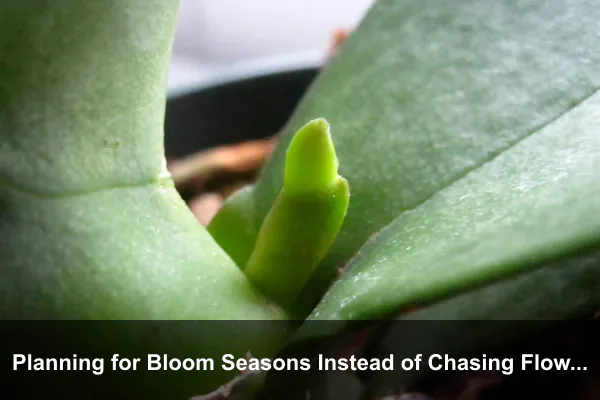
One of the most overlooked orchid benefits is seasonal rhythm. Orchids are not meant to bloom every day of the year. They grow, rest, prepare, spike, flower, and recover. Understanding this rhythm prevents disappointment and helps you design indoor displays that feel intentional rather than accidental.
Commercial orchids are often sold in bloom because that is when they look most attractive. After purchase, the flowers eventually fade, and many owners assume the plant has failed. In reality, the plant may simply be entering a growth phase. During this time, leaves, roots, and stored energy matter more than flowers. The next bloom depends on how well the plant rebuilds strength.
What Happens After Flowers Drop
After flowers fall, keep the orchid in good light and continue basic care. Do not hide it in a dark corner just because it is no longer blooming. The non-blooming stage is when the plant prepares for future value. A tidy orchid with healthy leaves can still look attractive in a plant grouping, especially if the pot is clean and the plant is placed with other greenery.
Cooler Nights Can Help Some Orchids
Many orchids respond to a small difference between day and night temperatures. For example, Phalaenopsis often initiates flower spikes when nights become slightly cooler while days remain bright. This does not mean chilling the plant or placing it in a draft. It means allowing normal seasonal indoor variation, such as a bright room that cools gently at night.
Build a Rotating Bloom Display
If you love orchids as decor, consider owning a small group with different bloom tendencies instead of expecting one plant to carry the whole year. A windowsill with two or three healthy orchids can provide changing interest: one in bloom, one producing new leaves, and one preparing a spike. This is a more realistic and satisfying way to enjoy orchids over time.
Practical Orchid Benefits for Modern Homes
Orchids are not miracle plants, but they do offer practical benefits that support a healthier home environment in ordinary ways. Their value is strongest when they are used as living design elements, learning plants, and gentle routine builders.
Visual Calm Without Clutter
An orchid can make a room feel more finished without adding heavy decor. Its clean lines and concentrated blooms work well in minimalist rooms, small apartments, rental homes, and workspaces. Because the plant is compact, it can sit on a shelf, side table, or plant stand without blocking movement. This makes it useful for people who want the benefits of plants but cannot manage large containers.
A Better Alternative to Short-Lived Flowers
For birthdays, housewarmings, or personal treats, orchids can be more lasting than many cut flower arrangements. A healthy potted orchid continues living after the event, and with proper care it may flower again in future seasons. This gives the gift a practical sustainability angle, as long as the recipient has enough light and interest to care for it.
Useful for Mindful Indoor Routines
Caring for an orchid encourages slow observation. Instead of watering automatically, you check leaf firmness, media dryness, root color, and light exposure. This can become a grounding household habit. It should not be presented as medical treatment for stress or anxiety, but many plant owners find that caring for living things creates a calmer daily rhythm.
Educational Value for Families and Beginners
Orchids are excellent for learning plant biology. They show how flowering plants adapt to different habitats, how roots can absorb moisture and air, and how light affects growth. Children and beginner gardeners can observe buds swelling, flowers opening, and new leaves emerging. This turns a decorative plant into a small indoor science lesson.
Care Habits That Protect Orchid Benefits
The benefits of orchids last only when the plant stays healthy. Fortunately, orchid care does not have to be complicated. The most important habits are consistent light, careful watering, good drainage, mild feeding, and enough airflow to keep leaves and roots from staying wet for too long.
Water by Condition, Not by Calendar
Orchids should not be watered just because a certain number of days has passed. Temperature, pot size, light, humidity, and growing medium all change how quickly the plant dries. A plant in a warm bright room may dry faster than one in a cooler shaded area. Check the pot before watering. If the medium is still very wet, wait. If it is approaching dryness, water thoroughly and let excess water drain away.
For many common orchids, standing water around the base of the plant is a bigger problem than brief dryness. Water should move through the pot, not sit at the bottom. If a decorative outer pot has no drainage, remove the inner nursery pot for watering, let it drain well, and then return it to the display pot.
Protect the Crown and Leaves
With Phalaenopsis, avoid leaving water pooled in the crown where leaves meet. Water trapped there can encourage rot, especially in cool rooms with poor airflow. If water splashes into the crown, blot it gently with tissue. This small habit helps protect the plant and keeps the display looking clean.
Feed Lightly During Active Growth
Orchids do not need heavy fertilizer. A diluted orchid fertilizer during active growth can support leaves and future flowers. Overfeeding can damage roots or create salt buildup, so gentle feeding is better than aggressive feeding. Flush the pot occasionally with plain water to reduce residue, especially if you fertilize regularly.
Use Humidity and Airflow Together
Many orchids appreciate moderate humidity, but humidity without airflow can invite fungal problems. In a typical home, aim for steady conditions rather than extremes. A humidity tray, grouped plants, or a room humidifier can help dry homes, but leaves should not remain wet for long periods. Air should feel fresh, not stagnant.
Common Orchid Myths to Avoid
Good orchid plant benefits and information should include realistic limits. Orchids are valuable, but they are often surrounded by exaggerated claims. Knowing what not to believe helps you care for them with confidence.
Myth: Orchids Clean Indoor Air Enough to Replace Ventilation
Plants can contribute to a pleasant indoor atmosphere, but a few orchids will not replace fresh air, cleaning, humidity control, or proper ventilation. Their strongest indoor benefits are visual, emotional, educational, and decorative. Treat air-purifying claims carefully, especially when they sound absolute.
Myth: Orchids Are Always Difficult
Some orchids are demanding, but many common indoor types are manageable when the light is right. The problem is often mismatch, not difficulty. A beginner-friendly orchid in a bright, stable location is much easier than a light-hungry orchid placed in a dim corner.
Myth: All Orchids Need the Same Care
The orchid family is huge, and care differs by type. Phalaenopsis, Cattleya, Dendrobium, Oncidium, and Paphiopedilum do not all want the same light, moisture, or rest period. Always identify the orchid before applying advice. General care tips are helpful, but specific plant identity gives better results.
Myth: Orchids Are Edible or Medicinal Houseplants
Some orchid species have traditional or culinary uses in specific cultures, but common decorative orchids should not be treated as edible or medicinal plants. Store-bought plants may have been grown with ornamental treatments, fertilizers, or pesticides. Keep orchids as decorative plants unless you have reliable species-specific guidance from a qualified source.
Room-by-Room Orchid Display Ideas
Orchids work best when their display location supports their biology. A beautiful placement that slowly weakens the plant is not a good design choice. Use the room ideas below as a practical starting point.
- Living room: Place orchids near bright windows where they can be seen often but protected from harsh direct sun.
- Home office: Use one compact orchid on a side shelf or desk-adjacent stand to add color without crowding work space.
- Bedroom: Choose a non-fragrant or lightly fragrant orchid if scent bothers you, and keep it where morning light is available.
- Kitchen: A bright kitchen window can work if the plant is away from heat, steam blasts, and fruit bowls that release ripening gases.
- Bathroom: Humidity can help, but only if the room has enough light and airflow. A dark bathroom is usually not suitable.
Simple Orchid Buying Checklist
Buying the right plant makes care easier from the beginning. Use this checklist when selecting an orchid for your home:
- Check the leaves: Choose firm leaves without large yellow patches, mushy areas, or severe wrinkles.
- Look at the flowers: Pick a plant with some open flowers and some buds if you want a longer display.
- Inspect the base: Avoid plants with a sour smell, collapsed crowns, or signs of rot.
- Match the light: Buy the orchid type that suits your actual window conditions, not an ideal location you do not have.
- Plan the after-bloom spot: Decide where the plant will live once flowers fade so it can rebuild energy.
Conclusion
Orchids are more than elegant flowers. When understood correctly, they are compact, long-lasting, educational, and highly useful indoor plants. The most important lesson from this guide to Orchid plant benefits and information is that orchids give their best value when matched to the right light and respected as seasonal living plants. They are not permanent flower machines, but they can return beauty year after year when their growth cycle is supported.
For the most reliable results, choose an orchid that fits your room, keep it in bright suitable light, water according to plant condition, and accept the quiet stages between blooms. That balanced approach turns orchids from short-term decorations into meaningful flowering companions for small spaces, modern homes, and anyone who wants indoor plants with both beauty and purpose.
