
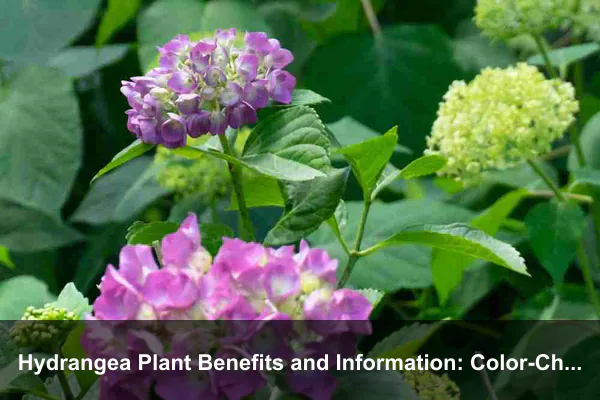
Hydrangeas are among the most expressive flowering shrubs in home gardens, known for their generous bloom clusters, soft cottage-garden character, and fascinating relationship with soil chemistry. A single plant can become a seasonal focal point, a living border, a cut-flower source, and a practical lesson in how plants respond to their environment. For gardeners who want beauty with substance, Hydrangea plant benefits and information go far beyond the idea of a pretty blue or pink flower.
This guide takes a distinct, practical angle: hydrangeas as long-season ornamental shrubs that can improve garden structure, support thoughtful landscaping, and teach soil awareness without requiring the grower to become a plant scientist. You will learn what hydrangeas are, their most useful benefits, how bloom color works, which types suit different spaces, and how to care for them safely and sustainably.
What Makes Hydrangeas Special?
Hydrangea is a genus of flowering shrubs and climbers grown widely in temperate gardens. The plants are loved for large flower heads that may appear rounded, cone-shaped, flat-topped, or lace-like, depending on the species and cultivar. While many people think first of blue mophead hydrangeas, the group is much broader. Some hydrangeas bloom on old wood, some on new wood, some tolerate more sun, and others prefer filtered shade with consistently moist soil.
The most familiar garden hydrangeas include Hydrangea macrophylla, often called bigleaf hydrangea; Hydrangea paniculata, known for cone-shaped panicles; Hydrangea arborescens, including smooth hydrangeas such as Annabelle types; Hydrangea quercifolia, or oakleaf hydrangea; and Hydrangea petiolaris, the climbing hydrangea. Each brings a different benefit to the garden, from bold summer color to autumn foliage, privacy, erosion control, or vertical greenery.
Hydrangeas are especially valuable because they create impact without needing constant replanting. Unlike annual flowers that must be replaced every season, a well-sited hydrangea can return year after year, becoming stronger and more attractive as its root system matures. This makes the plant useful for gardeners who want beauty, rhythm, and long-term value in one shrub.
Key Benefits of Growing Hydrangeas
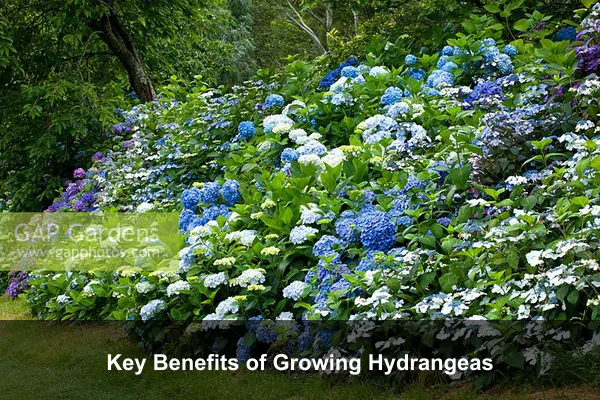
The benefits of hydrangea plants are mainly ornamental, ecological, educational, and practical. They are not a plant to grow for edible leaves or casual herbal use, but they offer many advantages in a landscape or container garden when selected and cared for correctly.
Long-Season Visual Interest
Hydrangeas provide a strong visual display from late spring through summer, and many varieties hold their flower heads into fall. Even after peak color fades, the drying blooms can remain attractive in muted shades of green, cream, tan, rose, or burgundy. This extended display gives gardeners more value from each plant compared with short-blooming shrubs.
Oakleaf hydrangeas add another layer of interest through foliage. Their lobed leaves can turn red, purple, or bronze in autumn, making them useful even after flowering ends. Panicle hydrangeas often shift from white to pink or deeper rose tones as the season progresses, creating a natural color transition without changing the planting design.
Garden Structure and Soft Privacy
A mature hydrangea can act like a living architectural element. It can soften a fence, frame a porch, fill a shaded corner, or create a layered border between lawn and garden bed. Larger cultivars can also provide gentle screening without the heavy, formal look of dense evergreen hedges.
For small homes and urban gardens, compact hydrangea varieties can create a feeling of abundance in limited space. A single container hydrangea near a doorway can provide seasonal color, while a row of smaller shrubs can define a pathway or patio edge. Their rounded growth habit makes them useful in designs where the garden needs volume, not just height.
Cut Flowers and Dried Arrangements
Hydrangea blooms are excellent for fresh arrangements and dried floral displays. Large flower heads can fill a vase quickly, reducing the need to cut many stems. When harvested at the right maturity, especially after the blooms feel slightly papery, they can dry beautifully and last for months indoors.
This benefit is especially useful for low-waste decorating. Instead of buying short-lived imported flowers, gardeners can use their own hydrangea stems for seasonal arrangements. Dried hydrangeas can be used in simple vases, wreaths, table displays, or craft projects, adding home value without constant consumption.
Soil Awareness and Garden Learning
One of the most unique hydrangea benefits is educational. Bigleaf hydrangeas can show visible changes based on soil chemistry, especially pH and aluminum availability. This makes the plant a living demonstration of how soil conditions affect plant appearance. For families, schools, and beginner gardeners, hydrangeas can turn soil testing from an abstract idea into something visible and memorable.
This does not mean every hydrangea will change color. White hydrangeas usually stay white, and panicle or smooth hydrangeas do not respond to soil pH in the same way as bigleaf types. Still, the famous blue-to-pink behavior of certain hydrangeas makes them one of the best ornamental plants for learning about soil.
Hydrangea Types and Their Best Uses
Choosing the right hydrangea matters more than forcing the wrong one to fit your garden. Many common problems, including poor blooming, burned leaves, or oversized growth, begin with a mismatch between plant type and site conditions.
Bigleaf Hydrangea
Bigleaf hydrangea is the classic type associated with blue, pink, purple, and sometimes red mophead or lacecap flowers. It prefers morning sun, afternoon shade, rich soil, and steady moisture. Many traditional varieties bloom on old wood, meaning flower buds form on stems from the previous season. If those stems are damaged by winter cold or cut back too hard, flowering may be reduced.
Bigleaf hydrangeas are best for sheltered garden beds, partial shade borders, and containers where moisture can be monitored. They are also the main choice for gardeners interested in bloom color changes through soil pH management.
Panicle Hydrangea
Panicle hydrangeas are among the most sun-tolerant and cold-hardy hydrangeas. They produce cone-shaped flower clusters that usually begin white or lime-green and then mature to pink, rose, or tan tones. They bloom on new wood, so pruning is simpler and winter bud damage is less of a concern.
This type is ideal for sunny borders, foundation plantings, mixed shrub beds, and beginner-friendly landscapes. Many modern cultivars come in compact sizes, making them easier to fit into smaller gardens than older, very large forms.
Smooth Hydrangea
Smooth hydrangeas, including Annabelle-style varieties, are valued for large rounded white or pink flower heads and reliable new-wood blooming. They often perform well in partial shade and can tolerate colder climates. Their soft look works beautifully in informal gardens, woodland edges, and cottage-style borders.
Because heavy flower heads may flop after rain, smooth hydrangeas benefit from supportive neighboring plants or light staking. Newer cultivars may have stronger stems, but placement still matters.
Oakleaf Hydrangea
Oakleaf hydrangea offers four-season value: cone-shaped flowers, bold textured leaves, attractive fall color, and peeling bark on mature stems. It prefers well-drained soil and can handle more shade than many flowering shrubs. Once established, it may be more drought-tolerant than bigleaf hydrangea, though young plants still need regular watering.
This is an excellent choice for naturalistic borders, woodland gardens, and landscapes where foliage texture matters as much as flowers. It also has a more relaxed shape, so it suits informal designs better than tight formal hedges.
Climbing Hydrangea
Climbing hydrangea is a slow-starting but impressive plant for walls, fences, arbors, and large trees. It attaches with aerial rootlets and produces white lacecap-style flowers when mature. It is not the fastest solution for coverage, but it can become dramatic and long-lived in the right location.
Because it can become large and heavy, climbing hydrangea should be planted where its support structure is strong. It is best for patient gardeners who want vertical interest and are willing to let the plant establish gradually.
How Soil pH Changes Hydrangea Bloom Color
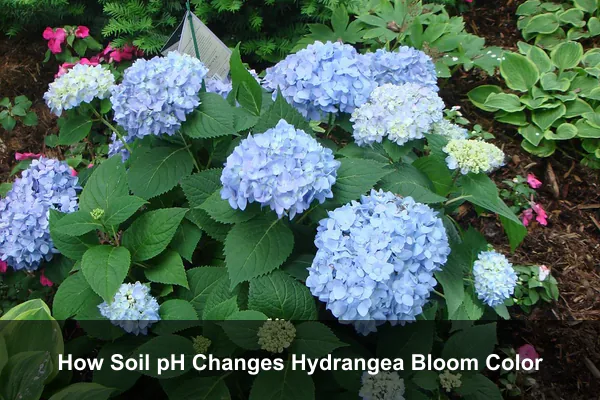
The color-changing ability of some hydrangeas is one of the most searched parts of Hydrangea plant benefits and information. The short version is this: in certain bigleaf hydrangeas, acidic soil can make blooms blue, while more alkaline soil can encourage pink tones. The full explanation is more specific and helps prevent disappointment.
The Role of Aluminum
Blue hydrangea flowers are linked not only to acidic soil but also to available aluminum in the soil. In acidic conditions, aluminum becomes more available to the plant, and the flowers may turn blue or violet-blue. In less acidic to alkaline soil, aluminum is less available, and the flowers tend to become pink or rose.
A rough guide is that a soil pH around 5.2 to 5.5 may support blue tones in responsive cultivars, while a pH closer to 6.0 to 6.5 may encourage pink tones. However, the exact result depends on the cultivar, soil composition, water quality, and existing nutrient balance.
What Color Control Cannot Do
Soil changes cannot turn every hydrangea blue or pink. White hydrangeas generally remain white, though they may age to green, cream, blush, or tan. Panicle, smooth, oakleaf, and climbing hydrangeas do not change color in the same pH-driven way as bigleaf hydrangeas. If color control is your main goal, choose a bigleaf cultivar known for pH-responsive flowers.
It is also important to change soil gradually. Adding large amounts of amendments in one season can stress plants, damage roots, or disrupt soil life. A soil test is the best starting point. From there, gardeners can use sulfur-based products to lower pH or lime to raise pH, following label instructions carefully.
Practical Color Tips
- For blue blooms: grow responsive bigleaf hydrangeas in acidic soil and maintain even moisture.
- For pink blooms: reduce aluminum availability by keeping soil less acidic, usually with careful lime use.
- For purple tones: slightly mixed soil conditions may produce flowers between blue and pink.
- For containers: color adjustment is often easier because potting mix is more controllable than garden soil.
- For white varieties: enjoy their natural color instead of trying to force a change.
Hydrangea Care Guide for Healthy Plants
Hydrangeas are not difficult plants, but they are sensitive to placement, water, and pruning timing. Good care begins before planting, with a realistic understanding of your climate, light exposure, soil texture, and available space.
Light Requirements
Most hydrangeas prefer bright light with protection from harsh afternoon sun, especially in hot climates. Morning sun and afternoon shade is a reliable formula for bigleaf and smooth hydrangeas. Panicle hydrangeas can often handle more sun, particularly in cooler regions, but they still need enough moisture to avoid stress.
Too much shade may produce lush leaves but fewer flowers. Too much intense sun may cause wilting, scorched leaves, and faded blooms. If the plant wilts briefly in afternoon heat but recovers by evening, it may simply be responding to heat. If it remains wilted after sunset, the soil may be too dry or the roots may be stressed.
Watering and Mulching
Hydrangeas need consistent moisture, especially during establishment and bloom development. Their name hints at their water-loving nature, but they do not like soggy, airless soil. The goal is evenly moist, well-drained soil.
Water deeply rather than giving frequent shallow splashes. A layer of organic mulch helps keep roots cool, reduce evaporation, and protect soil structure. Keep mulch a few inches away from the main stems to reduce the risk of rot.
Soil and Feeding
The best soil for hydrangeas is fertile, moisture-retentive, and well-drained. Compost can improve both sandy and clay soils by supporting microbial life and better structure. Heavy clay may need raised planting areas or careful amendment to prevent waterlogging.
Fertilizer should be used moderately. Too much nitrogen can encourage leafy growth at the expense of flowers. A balanced slow-release fertilizer in spring is often enough for established plants, but soil testing is more accurate than guessing. Avoid fertilizing late in the season, because tender new growth may be more vulnerable to cold damage.
Pruning Without Losing Blooms
Pruning is where many hydrangea mistakes happen. The key question is whether your hydrangea blooms on old wood, new wood, or both. Bigleaf and oakleaf hydrangeas often bloom on old wood, so heavy pruning in fall or early spring can remove flower buds. Panicle and smooth hydrangeas bloom on new wood, so they can usually be pruned in late winter or early spring.
- Identify the hydrangea type before pruning.
- Remove dead, damaged, or weak stems first.
- For old-wood bloomers, prune lightly after flowering if shaping is needed.
- For new-wood bloomers, prune before new spring growth begins.
- Avoid cutting every hydrangea to the ground unless the specific type tolerates it.
Safety, Pets, and Responsible Use
Hydrangeas are beautiful, but they are not edible garden plants. Leaves, flowers, and buds contain compounds that can be harmful if eaten in significant amounts. For this reason, hydrangeas should be kept away from curious pets, small children, and anyone who might confuse ornamental flowers with edible blossoms.
Some traditional wellness discussions mention hydrangea root, but home gardeners should not treat hydrangea as a casual herbal remedy. Internal use can be risky, and preparation requires professional knowledge. In a home garden context, the safest and most accurate way to discuss hydrangea benefits is to focus on ornamental value, landscape function, flower arranging, education, and outdoor enjoyment.
Safe Handling Tips
- Wear gloves if you have sensitive skin or are pruning for a long period.
- Do not use hydrangea flowers as cake decorations unless they are clearly separated from food contact.
- Place cut stems where pets cannot chew them.
- Dispose of pruned material responsibly instead of leaving it where animals graze.
- Teach children that hydrangeas are for looking at, not tasting.
Smart Design Ideas for Hydrangeas
Hydrangeas work best when their size, color, and seasonal changes are planned into the design. Instead of buying a plant only because it is blooming at the nursery, think about where it will fit in three to five years.
Foundation Plantings
Compact panicle or bigleaf hydrangeas can soften the base of a house, especially near porches, windows, and shaded walls. Leave enough space between the shrub and the building for airflow and maintenance. Avoid planting large cultivars directly under low windows where they will require constant cutting.
Shade Borders
Bigleaf, smooth, and oakleaf hydrangeas can brighten areas that receive morning light or dappled shade. Pair them with foliage plants that enjoy similar moisture, such as hostas, ferns, heucheras, or shade-tolerant ornamental grasses. The mix of large hydrangea blooms and textured leaves creates depth without relying on too many flower colors.
Containers and Small Spaces
Dwarf hydrangeas can grow well in large containers if watering is consistent. Containers are especially useful for patios, balconies, rented homes, or gardens with poor native soil. Choose a pot with drainage holes, use quality potting mix, and expect container plants to need more frequent watering than hydrangeas in the ground.
In cold climates, container hydrangeas may need winter protection because roots are more exposed to freezing temperatures. Moving pots to a sheltered location or insulating the container can improve survival.
Cut-Flower Corners
If you enjoy floral arrangements, plant hydrangeas where cutting a few stems will not leave an obvious gap. A side bed, back border, or mixed cutting garden can provide flowers for the home while keeping the front landscape full. Harvest in the morning, use clean tools, and place stems in water quickly.
Common Hydrangea Problems and Simple Fixes
Many hydrangea problems are signals rather than mysteries. The plant often tells you when light, water, pruning, or soil conditions are off balance.
No Flowers
Lack of blooms may come from pruning at the wrong time, winter bud damage, too much shade, excess nitrogen, or an immature plant. First identify whether the hydrangea blooms on old or new wood. Then review pruning habits and winter exposure. If the plant is healthy but young, patience may be the solution.
Wilting Leaves
Hydrangeas may wilt during hot afternoons, especially when flowering. If leaves recover later, the plant may not be in serious trouble. Persistent wilting points to dry soil, root damage, poor drainage, or transplant shock. Deep watering and mulch often help, but soggy soil requires drainage improvement.
Brown Leaf Edges
Brown edges can result from sun scorch, inconsistent watering, fertilizer burn, or salty irrigation water. Check soil moisture before adding more fertilizer. If the plant sits in harsh afternoon sun, consider transplanting in the dormant season or adding nearby plants that provide filtered shade.
Flopping Stems
Large flower heads can bend after heavy rain. This is common in some smooth hydrangeas. Planting them near supportive perennials, using discreet stakes, or choosing stronger-stemmed cultivars can reduce the problem. Avoid over-fertilizing, because fast soft growth is more likely to flop.
Buying and Planting Hydrangeas Wisely
The best hydrangea is not always the one with the biggest flowers at the garden center. Look for strong stems, healthy leaves, moist but not soggy soil, and a size that fits your garden. Read the plant tag carefully for mature height, width, sun needs, and pruning type.
When planting, dig a hole as deep as the root ball and two to three times wider. Place the plant so the top of the root ball sits level with the surrounding soil. Backfill with native soil improved with compost if needed, water deeply, and mulch around the root zone. During the first year, focus on root establishment rather than forcing heavy bloom production.
Quick Buying Checklist
- Choose the hydrangea type that matches your light conditions.
- Check mature size before planting near walls, paths, or windows.
- Pick lacecap varieties if pollinator value is a priority.
- Select panicle or smooth hydrangeas for easier new-wood pruning.
- Use compact cultivars for containers and small spaces.
Conclusion
Hydrangeas offer a rare combination of beauty, structure, seasonal change, and practical garden learning. Their benefits include dramatic flowers, long-lasting landscape value, useful cut stems, soft privacy, and a visible connection between soil conditions and plant expression. With the right type in the right place, they can become one of the most rewarding flowering shrubs in a home garden.
The most important hydrangea information is simple: choose carefully, water consistently, prune according to bloom type, and treat the plant as ornamental rather than edible. Whether you grow a blue bigleaf hydrangea in partial shade, a sun-tolerant panicle hydrangea near a walkway, or an oakleaf hydrangea in a natural border, this plant can bring lasting value to a thoughtful garden design.
