
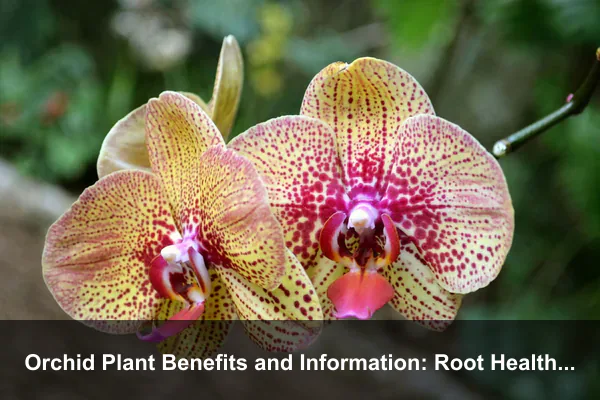
Orchids are often treated like luxury flowers, but they are also practical, long-lasting houseplants with a fascinating growth style. When you understand how their roots, leaves, potting media, and bloom cycles work, an orchid becomes more than a decorative plant. It becomes a living guide to light, moisture, air movement, and patient indoor gardening.
This guide explores Orchid plant benefits and information from a unique angle: root health, potting choices, and everyday indoor value. Instead of focusing only on flower color or symbolism, it explains why orchids are useful for small homes, calm routines, plant education, and low-waste growing. Whether you keep a common Phalaenopsis on a windowsill or want to understand orchid care before buying your first plant, the goal is to help you enjoy healthier blooms for longer.
Why Orchids Are Different From Many Houseplants
Most beginner houseplants grow in dense potting soil and draw moisture from the ground. Many popular indoor orchids, especially Phalaenopsis, grow differently. In nature, they often attach themselves to tree branches, using their roots to grip surfaces, absorb moisture from the air, and take in oxygen. This does not mean they are parasites; they do not feed from the tree. They simply use the tree as support.
This epiphytic habit is the reason orchids need a different approach from plants such as pothos, peace lily, or herbs. Their roots want both moisture and air. If the roots stay packed in wet, heavy soil, they can suffocate and rot. If they dry completely for too long, the plant weakens and the leaves become limp. Understanding this balance is the foundation of successful orchid care.
The Role of Velamen
Orchid roots are covered with a spongy outer layer called velamen. This layer helps absorb water quickly and protects the root inside. When orchid roots are dry, they often look silvery or pale green. After watering, healthy roots usually turn green because the velamen has absorbed moisture. This visible change makes orchids excellent plants for learning how roots respond to watering.
Why Clear Pots Are Useful
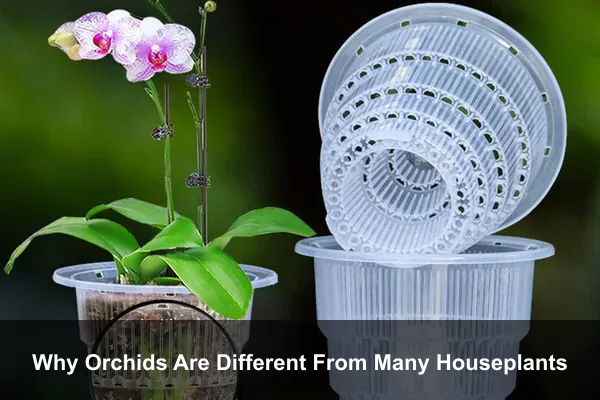
Clear plastic nursery pots may look plain, but they are practical for orchids. They allow you to inspect root color, moisture level, and root density without disturbing the plant. For beginners, a clear pot can prevent overwatering because the roots and potting media show whether the plant still has moisture available.
If you prefer a more decorative display, place the clear orchid pot inside a slightly larger outer pot. Remove the inner pot when watering so excess water can drain fully before returning it to the display container.
Key Benefits of Growing Orchids Indoors
Orchids are best known for their flowers, but their benefits go beyond beauty. In the broader context of manfaat tanaman, or plant benefits, orchids support home comfort, visual calm, mindful routines, and botanical learning. They are not medicinal plants in the same way as aloe vera or mint, yet they offer real value as ornamental, emotional, and educational plants.
Long-Lasting Blooms Without Constant Replacement
A healthy orchid can bloom for weeks or even months, depending on the species and growing conditions. This makes it a more sustainable alternative to repeatedly buying cut flowers. A bouquet may fade within days, while a potted orchid can continue living, growing leaves, producing roots, and reblooming with proper care.
This long display period is one of the strongest orchid benefits for indoor spaces. A single plant can bring seasonal beauty to a desk, kitchen counter, bedroom shelf, or reception area without needing daily rearrangement.
A Calm Visual Presence
Orchid flowers have a clean, structured look that suits many interior styles. Their upright flower spikes, arching stems, glossy leaves, and exposed roots create a quiet focal point. For people who prefer uncluttered interiors, orchids offer color and softness without taking up much floor space.
The plant also encourages slower observation. Watching roots change color after watering, waiting for buds to open, and noticing a new leaf can become a small routine that supports a calmer home atmosphere.
Good Value for Small Spaces
Many orchids fit easily on narrow shelves, windowsills, side tables, and office desks. Unlike large foliage plants, they do not need a big corner or heavy pot. This makes them useful for apartments, rented rooms, studios, and compact homes.
Because the flowers grow upward on spikes, orchids offer vertical interest without spreading widely. A well-placed orchid can brighten a small area while keeping the room functional.
Educational Value for Plant Lovers
Orchids teach lessons that many other plants hide. You can see root condition, monitor watering response, observe aerial roots, and learn how light affects flowering. For families, students, or beginner gardeners, orchids provide a clear example of adaptation. Their roots, leaves, and blooms show how plants can survive in habitats far different from ordinary garden soil.
Orchid Information Every Grower Should Know
There are thousands of orchid species and many more hybrids, but most indoor growers begin with a few common types. Understanding the basic differences helps you choose an orchid that matches your home rather than forcing the plant into unsuitable conditions.
Phalaenopsis Orchids
Phalaenopsis, often called moth orchid, is the most common orchid sold for indoor growing. It has broad leaves, elegant arching flower spikes, and long-lasting blooms. It prefers bright indirect light, moderate indoor temperatures, and a chunky potting mix that drains well.
This type is usually the best choice for beginners because it adapts well to typical homes. It also reblooms reliably when given proper light and a healthy rest period after flowering.
Dendrobium Orchids
Dendrobium orchids are diverse. Some have cane-like stems and clusters of flowers, while others have a more compact shape. They often need brighter light than Phalaenopsis and may have seasonal rest periods. Before buying one, check the specific care needs because different Dendrobium hybrids can behave differently.
Cattleya Orchids
Cattleya orchids are famous for large, showy flowers. They usually need brighter light and stronger air movement than beginner orchids. They are rewarding for growers who can provide a sunny window, warm conditions, and careful watering.
Oncidium Orchids
Oncidium orchids, sometimes called dancing lady orchids, often produce sprays of smaller flowers. Many have pseudobulbs that store water, so they should not be treated exactly like Phalaenopsis. They like moisture but still need excellent drainage and good air around the roots.
Choosing the Right Potting Media for Orchid Health
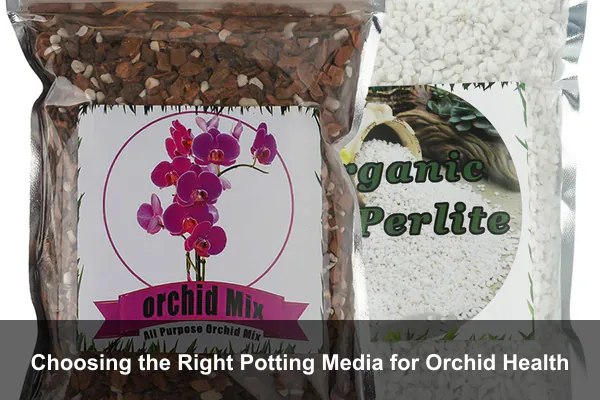
Potting media is one of the most important parts of orchid success. The right medium supports the plant, holds some moisture, and leaves enough open spaces for air. The wrong medium stays wet too long, collapses around the roots, and creates conditions for rot.
Bark Mix
Bark is a common orchid medium because it drains quickly and provides air pockets. Medium-grade bark works well for many Phalaenopsis orchids. Smaller bark holds more moisture, while larger bark dries faster. If your home is very dry, you may need a mix that retains slightly more moisture. If your home is humid, a chunkier mix may be safer.
Sphagnum Moss
Sphagnum moss holds more water than bark. It can be helpful in dry climates or for small orchids that dry too quickly. However, tightly packed moss can stay wet for too long and suffocate roots. If you use moss, keep it airy and avoid compressing it around the root system.
Perlite, Charcoal, and Coconut Chips
Many orchid mixes include perlite for aeration, charcoal for structure, or coconut chips for moisture retention. These ingredients can be useful when balanced properly. The goal is not to create a rich garden soil but to build a breathable root environment.
When to Repot an Orchid
Orchids do not need frequent repotting, but old media eventually breaks down. As bark decomposes, it becomes dense and holds too much moisture. Repotting is usually helpful when:
- The potting mix smells sour or stays wet for many days.
- Roots are mushy, brown, or collapsing.
- The orchid has outgrown the pot and roots are tightly crowded.
- The plant is unstable because the media has broken down.
- You bought an orchid packed in dense moss and cannot judge the moisture level.
The best time to repot most orchids is after flowering, when the plant is beginning active root or leaf growth. Avoid repotting only for appearance if the plant is in bloom and otherwise healthy.
Watering Orchids Without Guesswork
Watering is where many orchid problems begin. The plant is often either watered too often because the owner is anxious, or ignored too long because it is assumed to be difficult. A better method is to read the plant and potting media.
Use Root Color as a Guide
For Phalaenopsis orchids in clear pots, root color is one of the simplest guides. Silvery roots usually mean the plant is ready for water. Green roots usually mean it still has moisture. This is not perfect in every situation, but it is more reliable than watering on a fixed calendar.
Water Thoroughly, Then Drain Fully
When watering, take the orchid to a sink and run room-temperature water through the potting media. Let the water drain completely. Never leave the pot sitting in standing water unless the orchid type specifically requires unusual conditions, which most common indoor orchids do not.
Avoid Ice Cube Watering
Ice cube watering is often marketed as convenient, but orchids are tropical or subtropical plants and generally respond better to room-temperature water. Ice can chill roots and does not always wet the potting media evenly. A thorough soak and drain method is more natural and easier to evaluate.
Adjust for Season and Home Conditions
An orchid near a bright warm window may dry faster than one in a cool room. Air conditioning, heating, humidity, pot size, and media type all affect watering frequency. Instead of asking how many days should pass between watering, ask whether the roots and media are ready.
Light, Temperature, and Air Movement
Orchids need enough light to grow and rebloom, but many common indoor orchids dislike harsh direct sun. The right placement gives bright indirect light, stable temperature, and gentle air movement.
Best Light for Common Indoor Orchids
Phalaenopsis orchids usually do well in bright indirect light near an east-facing window or a slightly filtered south or west exposure. Leaves can tell you a lot. Very dark green leaves may mean light is too low. Yellowish leaves or scorched patches may mean the light is too intense.
If your orchid grows leaves but never reblooms, insufficient light is a common reason. Move it gradually to a brighter position rather than placing it suddenly in hot sun.
Temperature for Better Growth
Most common orchids are comfortable in normal indoor temperatures. A slight difference between day and night temperature can help encourage blooming in some types. Avoid placing orchids near cold drafts, heating vents, or appliances that create sudden temperature swings.
Why Air Movement Matters
Good air movement helps potting media dry evenly and reduces fungal problems. This does not mean the orchid needs strong wind. Gentle room circulation is enough. In humid rooms, a small fan placed indirectly can help, especially if several plants are grouped together.
Practical Orchid Care Routine for Busy Homes
An orchid does not need constant attention. It needs consistent observation. A simple weekly routine is better than daily fussing. The following routine works well for many indoor Phalaenopsis orchids, with adjustments for climate and potting media.
- Check root color. Look through the clear pot. If roots are green and the mix looks moist, wait.
- Feel the pot weight. A dry orchid pot often feels much lighter than a freshly watered one.
- Inspect leaves. Firm leaves are a good sign. Wrinkled or limp leaves may indicate root stress, underwatering, or root rot.
- Water thoroughly when needed. Soak the media evenly and drain completely.
- Remove old flowers. Spent blooms can be removed gently to keep the plant tidy.
- Watch for pests. Check under leaves and around flower spikes for scale, mealybugs, or sticky residue.
After the Flowers Fade
When orchid flowers drop, the plant is not dead. It is entering a growth and recovery phase. Continue caring for the leaves and roots. If the flower spike remains green, some growers trim it above a node to encourage a side spike. If the spike turns brown and dry, cut it near the base with clean scissors.
This stage is where many owners accidentally discard a healthy plant. Keeping the orchid after bloom is one of the most important low-waste benefits of growing it as a living houseplant rather than treating it like a temporary decoration.
Feeding Orchids Lightly
Orchids need nutrients, but more fertilizer is not better. Use a balanced orchid fertilizer at a diluted strength during active growth. Flush the potting media with plain water occasionally to prevent mineral buildup. If your water is very hard, consider using filtered or rainwater when available and safe.
Common Orchid Problems and What They Mean
Orchid problems are usually signals from the growing environment. Instead of reacting with random changes, identify the likely cause and adjust one factor at a time.
Yellow Leaves
One yellow lower leaf can be normal aging. Several yellow leaves may indicate overwatering, root damage, strong sun, cold stress, or nutrient imbalance. Check the roots first because root health affects the entire plant.
Wrinkled Leaves
Wrinkled leaves can mean the plant is not getting enough water, but the cause may be rotten roots rather than dry media. If roots are dead, they cannot deliver water even if the pot is wet. Inspect root condition before increasing watering.
No Blooms
If an orchid looks healthy but does not bloom, light is often the missing factor. The plant may survive in low light but lack the energy to flower. A mild nighttime temperature drop can also help some orchids set buds.
Bud Blast
Bud blast happens when developing buds dry, yellow, or fall before opening. Causes can include sudden temperature change, dry air, underwatering, overwatering, ethylene gas from ripening fruit, or relocation stress. Keep budding orchids away from fruit bowls, vents, and unstable conditions.
Mushy Roots
Mushy roots are a serious warning sign. They usually result from media that stays wet too long or a pot with poor drainage. Remove the plant from the pot, trim dead roots with sterile tools, and repot into fresh airy media if enough healthy roots remain.
Orchids as Low-Waste Decorative Plants
One of the most overlooked orchid benefits is their role in low-waste home decorating. Many people buy orchids when they are in bloom and throw them away after the flowers fade. With basic care, that same plant can continue for years. This reduces plant waste, packaging waste, and the need to buy repeated floral arrangements.
To make orchids part of a more sustainable home routine, choose plants with healthy roots, avoid impulse buying severely stressed plants, and keep reusable outer pots. Repot only when needed, reuse clean stakes and clips, and compost old plant material when appropriate.
Smart Buying Tips
- Choose an orchid with several unopened buds if you want a longer display period.
- Look for firm green or silvery roots, not mostly brown mushy roots.
- Avoid plants with sticky leaves, cottony white pests, or black soft spots.
- Check that the pot has drainage holes.
- Buy from sellers who label orchid type clearly when possible.
Using Orchids in Different Rooms
Orchids can work in many parts of the home if the conditions are right. A bright kitchen window can be excellent, as long as the plant is not placed near hot appliances or ripening fruit. A bathroom with good light may offer useful humidity. A bedroom can suit an orchid if it has bright indirect light and stable temperature.
The main rule is to place the plant for health first and decoration second. A beautiful dark corner may look good for one day, but it will not support long-term growth or reblooming.
Safety and Realistic Expectations
Orchids are generally grown for ornamental benefits, not as food or medicine. Some orchid species are used in traditional practices or food products in specific cultures, but that does not mean every household orchid is edible or therapeutic. For ordinary indoor growing, treat orchids as decorative living plants.
Pet and Child Considerations
Common Phalaenopsis orchids are widely considered non-toxic to cats and dogs, but chewing any houseplant can still cause mild stomach upset or damage the plant. Keep orchids away from curious pets and small children, especially because stakes, clips, bark pieces, and fertilizer products can be hazards.
Allergies and Fragrance
Many Phalaenopsis orchids have little to no fragrance, making them suitable for people who dislike strong floral scents. However, some orchid types can be fragrant. If scent sensitivity is a concern, smell the plant before buying or choose a known low-fragrance variety.
Do Orchids Purify Air?
Orchids, like other plants, participate in natural gas exchange, but they should not be promoted as a complete air-purification solution for indoor pollution. Their real indoor value is more practical and reliable: beauty, routine, humidity awareness, root observation, and long-lasting living decoration.
Simple Orchid Care Checklist
For quick reference, use this checklist to keep your orchid care steady and realistic:
- Place the orchid in bright indirect light.
- Use a pot with excellent drainage.
- Choose airy orchid media such as bark or a balanced orchid mix.
- Water when roots look silvery and the media is nearly dry.
- Drain fully after watering.
- Avoid heavy garden soil.
- Keep leaves dry when possible, especially in cool rooms.
- Feed lightly during active growth.
- Repot when the media breaks down or roots are unhealthy.
- Keep caring for the plant after flowers fade.
Conclusion
Orchids offer much more than elegant flowers. They are compact, long-lasting, educational, and surprisingly practical when you understand their root system and potting needs. Their benefits include visual calm, small-space beauty, low-waste decorating, and a useful daily reminder to observe plants before reacting.
The most important orchid information is simple: healthy roots need both moisture and air. With bright indirect light, breathable potting media, careful watering, and patience after blooming, an orchid can become a lasting part of your indoor plant collection. For anyone exploring Orchid plant benefits and information, the real reward is not just the first flower spike but the confidence that comes from helping the plant grow, rest, and bloom again.
