
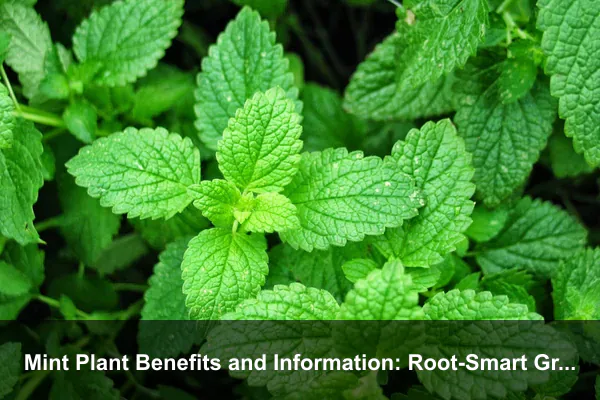
Mint is one of the most useful herbs for home gardens, but the best way to understand it is not only through its fresh scent or familiar flavor. The real story begins below the soil, where mint grows through energetic runners, resilient roots, and a natural habit of renewal. This root-focused guide to Mint plant benefits and information gives you a different angle: how mint behaves as a living herb system, how to manage its spread, and how to use its strengths without letting it take over your garden.
In many home gardening traditions, including the broader idea of manfaat tanaman, a plant is valued not just for what people can take from it, but also for how it supports daily routines, small spaces, soil cover, sensory comfort, and practical household use. Mint fits that idea well. It is easy to propagate, generous after cutting, useful in teas and foods, and adaptable to pots, raised beds, and controlled garden corners when planned correctly.
This article focuses on a unique and practical question: how can you grow mint as a sustainable, controlled, long-term herb patch? Instead of repeating general mint care advice, this guide explains roots, soil, seasonal rhythm, harvesting for regrowth, and responsible use so that your mint plant remains productive, attractive, and easy to manage.
Why Mint Deserves a Root-Smart Growing Plan
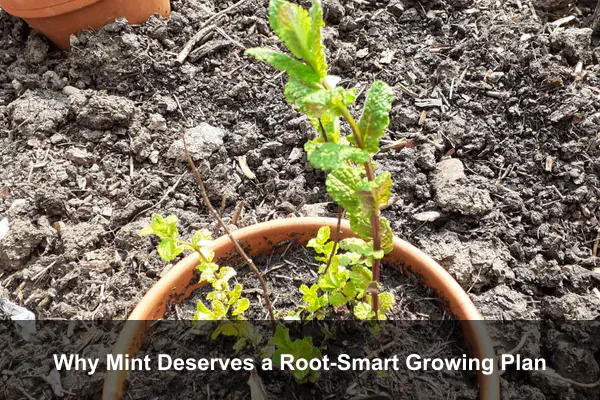
Mint looks delicate above the soil, with soft leaves and square stems, but it is a vigorous perennial herb with a strong survival strategy. Most common culinary mints belong to the Mentha genus, a group known for aromatic leaves, quick regrowth, and spreading stems. This is why mint can be both a blessing and a problem. A small plant can become a steady source of leaves, but an unmanaged patch can move into spaces where it is not wanted.
A root-smart growing plan means working with mint’s natural behavior instead of fighting it. The plant wants consistent moisture, room for underground movement, and regular cutting. When you give it boundaries, fertile soil, and a harvest routine, mint becomes one of the most reliable herbs in a home garden.
The main benefits of growing mint with a structured plan include:
- Reliable fresh harvests: Mint grows back quickly when harvested correctly, making it useful for repeated small cuttings.
- Low-waste propagation: Stem cuttings and divided roots can create new plants without buying more seedlings.
- Ground-level greenery: In controlled beds, mint can soften bare soil and add a lush look to herb areas.
- Sensory value: The leaves release a clean, cool aroma when touched, making the plant pleasant near paths or outdoor seating.
- Practical learning: Mint is easy for beginners to observe because its growth, stress signals, and recovery are visible.
Basic Mint Plant Information
Mint is a hardy herbaceous perennial in many climates, although it may behave like a seasonal herb in very hot, dry, or cold conditions. Its stems are usually square, a common feature of the mint family. Leaves are arranged opposite each other, and the plant may produce small flower spikes when allowed to mature. Peppermint and spearmint are among the best-known types, but there are many cultivated forms with different aromas and leaf shapes.
The important point for gardeners is that most mint types prefer bright light, moisture-retentive soil, and regular trimming. They do not need luxury care, but they do need boundaries. Without boundaries, their underground runners can travel surprisingly far.
The Hidden Engine: Mint Roots, Runners, and Regrowth
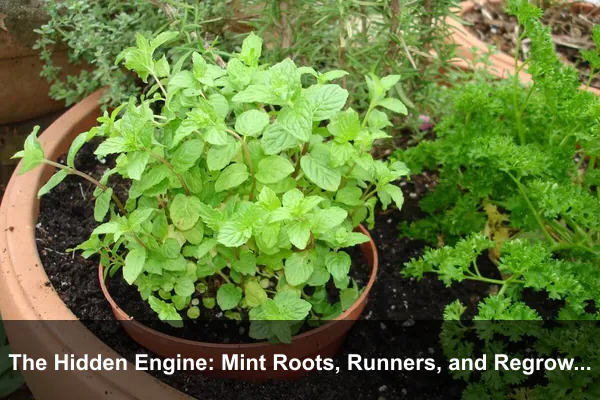
The most important part of Mint plant benefits and information is understanding how the plant spreads. Mint does not rely only on upright stems. It also produces horizontal runners, often called rhizomes or stolons depending on where they travel. These runners create new shoots, allowing the plant to expand and recover after cutting.
This underground and surface-level growth is the reason mint is so forgiving. If the top growth is cut back, healthy roots and runners can push new stems. If one section dries slightly, another part of the plant may survive. If a stem touches moist soil, it can often root at the nodes. For a beginner gardener, this resilience is helpful. For a small garden bed, it can become a management issue.
How Mint Spreads
Mint spreads in three main ways. First, it sends runners outward from the original plant. Second, it roots from stem nodes when stems rest against damp soil. Third, it can be divided by clumps, meaning even a small root section may become a new plant if conditions are favorable.
This growth habit explains why mint is often better in containers, lined beds, or dedicated herb zones. A pot does not weaken the plant; it simply gives its energy a practical boundary. A raised bed with root barriers can also work, especially if the gardener checks edges regularly.
What Healthy Mint Roots Tell You
Healthy mint roots are usually pale to light tan, firm, and active. They should not smell sour or rotten. If roots are dark, mushy, or trapped in soggy soil, the plant may be suffering from poor drainage. If the roots are dry, brittle, and sparse, the plant may have gone through repeated drought stress.
Above-ground signs also reveal root health. Strong roots usually support upright stems, full leaves, and quick recovery after cutting. Weak roots may lead to yellowing leaves, limp stems, small new growth, or a patch that looks thin despite regular watering.
Mint Plant Benefits in a Sustainable Herb Patch
Mint is often described as useful for tea, flavor, and fragrance, but its benefits go further when it is grown as a planned herb patch. A sustainable patch is one that produces regularly, stays within its assigned space, and remains healthy without constant replacement.
A Dependable Everyday Herb
One of the strongest mint plant benefits is convenience. A living plant gives you fresh leaves on demand. Instead of buying packaged herbs that may wilt quickly, you can harvest only what you need. This reduces waste and keeps the herb fresher at the moment of use.
Fresh mint leaves can support simple daily routines. They can be used in herbal tea, infused water, salads, sauces, fruit dishes, and homemade drinks. The goal is not to treat mint as a miracle plant, but as a practical herb that makes ordinary food and drink feel fresher.
Natural Aroma and Sensory Comfort
Mint leaves contain aromatic compounds that create a cool, refreshing scent. Many people enjoy this aroma near garden seating, kitchen doors, or small outdoor work areas. The scent is strongest when leaves are brushed, crushed, or freshly cut. This makes mint especially appealing in places where people pass by and interact with plants.
For a home garden, this sensory value matters. A useful plant does not have to be rare or expensive. Sometimes the benefit is as simple as having a green, fragrant patch that encourages people to step outside, water mindfully, and notice seasonal growth.
Regenerative Growth After Harvest
Mint is valuable because it responds well to cutting. Many herbs slow down when overharvested, but mint often becomes bushier when trimmed correctly. Each cut can encourage side shoots, creating a fuller plant. This makes mint suitable for gardeners who want regular harvests from a small space.
The key is moderation. Cutting all stems down too often can exhaust the plant, especially in poor soil or extreme weather. A better approach is to harvest in rotation, leaving enough foliage for photosynthesis and recovery.
Soil and Potting Information for Strong Mint Growth
Mint is easy to grow, but easy does not mean soil does not matter. The plant performs best in soil that holds moisture while still draining well. This balance is important because mint dislikes becoming bone dry, yet its roots can suffer if constantly waterlogged.
Best Soil Texture
A good mint soil mix feels loose, crumbly, and slightly moisture-retentive. In a pot, a standard quality potting mix can work well if it includes organic matter and drainage materials. In a garden bed, compost can improve both fertility and structure. Heavy clay may need loosening with compost, while very sandy soil may need organic matter to hold moisture longer.
For container mint, avoid using dense garden soil alone. It may compact inside the pot, reducing oxygen around the roots. Compacted soil leads to poor drainage, slow growth, and weak stems.
Moisture Without Waterlogging
Mint appreciates consistent moisture. This is why it often grows well near damp edges, partial shade areas, or irrigated herb gardens. However, roots still need oxygen. A container with no drainage hole is a common mistake. Even if the leaves look fresh for a while, the root system may slowly decline in stagnant water.
A practical watering method is to check the top layer of soil. If the top feels dry but the deeper soil still feels slightly cool and moist, watering can wait. If the pot feels light and the leaves begin to soften, water thoroughly until excess water drains out.
Feeding Mint Without Weakening Aroma
Mint does not need heavy feeding. Too much fertilizer can create fast, soft growth with milder aroma. Compost, worm castings, or a gentle balanced fertilizer used sparingly is usually enough. The goal is steady growth, not oversized leaves with weak flavor.
For a long-term patch, refresh the soil once or twice a year with compost. In containers, repotting or dividing the plant every year or two helps prevent crowding and nutrient exhaustion.
How to Design a Controlled Mint Patch
A controlled mint patch is the best compromise between abundance and order. The design should match your available space, climate, and willingness to maintain boundaries. The more open the ground, the more important containment becomes.
Option 1: Large Container Growing
A wide container is one of the simplest ways to grow mint responsibly. Choose a pot that is broad enough for spreading roots and deep enough to resist drying out too quickly. Drainage holes are essential. A container also makes it easier to move mint away from harsh sun or protect it during extreme weather.
Container mint is especially useful for patios, kitchen gardens, small yards, and rented homes. It keeps the plant accessible while preventing runners from entering surrounding beds.
Option 2: Raised Bed With Barriers
If you want mint in the ground, consider a raised bed or contained section with physical root barriers. Barriers should extend deep enough to slow runners. Even then, inspect edges regularly because mint can sometimes climb over or root from stems that spill beyond the boundary.
This method works well when you want a larger harvest but still need structure. It also allows you to improve the soil more easily than in an open garden area.
Option 3: Dedicated Harvest Lane
A harvest lane is a narrow strip where mint is intentionally allowed to fill a specific line along a path, fence, or herb border. The advantage is access. You can trim from both sides, monitor spreading, and keep the patch productive through repeated cutting.
This design is best for gardeners who enjoy regular maintenance. It is not ideal beside delicate ornamentals or vegetable beds where mint roots could compete too aggressively.
Where Not to Plant Mint
Avoid planting mint directly into mixed beds with slow-growing herbs, young vegetables, or small ornamental plants. It can outcompete them for moisture and space. Also avoid areas where you cannot easily dig, divide, or remove runners. Mint is easier to guide from the beginning than to remove after several seasons of unchecked growth.
Seasonal Care for Mint Plants
Mint changes through the year, and your care routine should change with it. Seasonal attention keeps the plant productive and prevents the patch from becoming woody, crowded, or weak.
Spring Renewal
Spring is the best time to refresh mint. Cut back old stems, remove dead material, and add compost around the base. If the plant is crowded in a pot, divide it and replant the healthiest sections. New shoots are often tender and aromatic, making spring one of the most rewarding times for harvest.
Summer Maintenance
In warm weather, mint grows quickly but may also dry out faster. Water consistently and harvest regularly to prevent the plant from becoming tall and leggy. If intense sun causes wilting or scorched leaves, move potted mint to a spot with morning sun and afternoon shade.
Autumn Reset
As growth slows, reduce heavy harvesting and allow the plant to store energy. Remove diseased or weak stems. In mild climates, mint may keep producing leaves, but it usually grows less vigorously than in spring and early summer.
Winter Rest
In colder regions, mint may die back above ground and return from the roots when temperatures improve. Protect potted mint from severe freezing if needed. In warm climates, winter may simply be a slower growth period. Avoid overwatering during cool weather because the plant uses less moisture.
Harvesting Mint for Better Regrowth
Good harvesting is one of the most important parts of mint care. Instead of pulling individual leaves randomly, cut stems just above a pair of leaves. This encourages branching and helps the plant become fuller. Use clean scissors or garden snips to avoid crushing stems unnecessarily.
For a healthy patch, follow these harvesting principles:
- Harvest in rotation: Cut from different sections each time so one area can recover while another is used.
- Leave enough leaves: Do not remove all foliage unless you are doing a planned seasonal reset on a strong plant.
- Cut before flowering for tender leaves: Leaves are often softer and more aromatic before the plant puts energy into flowers.
- Use the top growth first: Younger tips are usually better for fresh uses, while older stems can be pruned to renew the plant.
- Refresh crowded clumps: If stems become thin and tangled, divide or cut back the patch to stimulate new growth.
Harvesting with regrowth in mind turns mint from a short-term garnish into a long-term herb resource. It also keeps the patch tidy, which is important for both appearance and airflow.
Practical Home Uses That Fit Mint’s Strengths
Mint is best used in ways that respect its freshness, aroma, and gentle herbal character. It is not a replacement for medical treatment, but it can be a useful part of everyday food, drink, and home routines.
Simple Food and Drink Uses
Fresh mint can be added to hot tea, cold infusions, fruit bowls, yogurt, grain salads, chutneys, sauces, and desserts. Spearmint is often mild and sweet, while peppermint has a sharper cooling quality. Choosing the type based on the intended use improves the final result.
Aromatic Household Value
Freshly cut mint stems can be placed briefly in water on a kitchen counter for scent and quick access. Leaves can also be used in homemade rinse water for a fresh aroma in non-medical, non-toxic cleaning routines. Keep expectations realistic: mint smells pleasant, but it should not be treated as a guaranteed pest control or disinfectant.
Garden Interaction and Mindful Care
Mint is a good plant for building gardening habits. It responds quickly to watering, pruning, and soil changes, which helps gardeners learn plant signals. Children and beginners can observe how cut stems branch, how roots form from nodes, and how plants recover after stress.
Safety and Responsible Use
Mint is widely used as a culinary herb, but responsible use still matters. People with reflux, allergies, certain medical conditions, or medication concerns should be cautious with concentrated mint products. Essential oils are much stronger than fresh leaves and should not be used casually. Fresh culinary mint and mint oil are not the same level of exposure.
It is also important to identify the plant correctly. Pennyroyal, a mint relative, is not the same as common culinary mint and can be dangerous. Gardeners should buy edible mint from reliable sources and label plants clearly, especially in gardens with multiple herbs.
For pets, children, and sensitive individuals, keep use moderate and avoid concentrated preparations unless guided by a qualified professional. In a home garden context, the safest approach is to treat mint mainly as a fresh culinary and sensory herb.
Common Mint Problems and How to Fix Them
Mint is resilient, but it still shows stress when conditions are wrong. Reading the symptoms early prevents small problems from weakening the whole patch.
Yellow Leaves
Yellow leaves can come from overwatering, poor drainage, nutrient deficiency, or old growth. Check the soil first. If it smells sour or stays wet for days, improve drainage and reduce watering. If the plant is crowded in a pot, divide it and refresh the mix.
Weak Aroma
Weak aroma may happen when mint grows too fast from excess fertilizer, receives too little light, or becomes old and woody. Give the plant bright indirect light or morning sun, avoid heavy feeding, and prune regularly to encourage fresh growth.
Leggy Stems
Long, thin stems usually mean the plant is stretching for light or has not been harvested enough. Move potted mint to brighter conditions and cut stems back above leaf pairs. New side shoots should create a denser shape.
Escaping Runners
If mint is spreading beyond its area, act quickly. Pull or dig runners while they are young, trim stems that touch nearby soil, and strengthen the boundary. For severe spreading, move the healthiest section into a container and remove the rest carefully over time.
Pests and Leaf Damage
Mint can attract aphids, spider mites, or fungal issues, especially when airflow is poor. Rinse pests from leaves, prune crowded stems, and avoid overhead watering late in the day. Healthy, well-spaced mint is usually easier to manage than a dense, neglected patch.
Conclusion
Mint is more than a quick-growing herb with a pleasant scent. When viewed through its roots, runners, soil needs, and regrowth cycle, it becomes a practical example of how plant benefits depend on smart care. The best Mint plant benefits and information are found in this balance: generous harvests, refreshing aroma, easy propagation, and reliable home value, all guided by clear boundaries.
If you grow mint in a container, raised bed, or dedicated harvest lane, you can enjoy its strengths without creating unnecessary garden problems. Give it moisture, drainage, light, compost, and regular pruning, and mint can become one of the most dependable herbal plants in your home growing system.
