
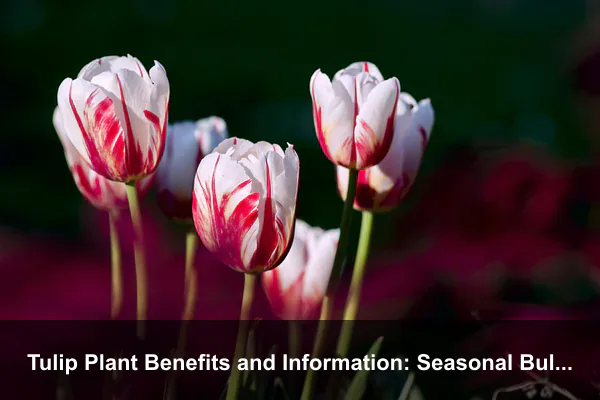
Tulip plant benefits and information are often summarized as simple spring beauty, but tulips offer much more than a short burst of color. As flowering bulb plants, they bring structure, rhythm, and seasonal anticipation to gardens, patios, balconies, and cut flower arrangements. Their value is different from leafy houseplants or everyday herbs: tulips teach timing, reward planning, and create a memorable display at a time when many landscapes are still waking up.
This guide focuses on a unique angle: tulips as seasonal ornamental bulbs with practical garden, design, emotional, and educational benefits. In the context of plant benefits, or manfaat tanaman, tulips are best understood as plants that support beauty, mood, outdoor engagement, and thoughtful garden planning rather than as medicinal or edible plants. You will learn what tulips are, why they matter, how to grow them successfully, how to use them in home landscapes, and how to handle their safety needs responsibly.
What Makes Tulips Different From Typical Garden Flowers
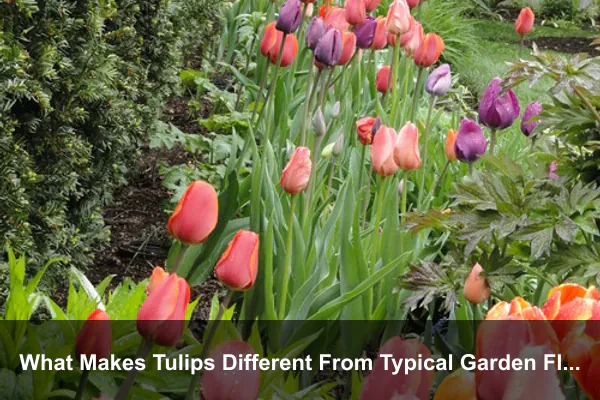
Tulips are not grown from ordinary seed packets in the way many annual flowers are. They grow from bulbs, which are compact storage organs that already contain the energy needed for a future stem, leaves, and flower. This is why a high-quality tulip bulb can produce such a polished bloom after a quiet winter period underground.
That bulb-based growth habit makes tulips especially useful for gardeners who like seasonal planning. You plant them months before you see the reward, usually in autumn in cold and temperate climates. When spring arrives, the first pointed shoots emerge from the soil and quickly develop into upright flowers with clean lines, strong color, and a refined shape.
Basic Botanical Information
Tulips belong to the genus Tulipa and are part of the lily family, Liliaceae. Most garden tulips are hybrids selected for flower color, stem strength, bloom size, and timing. They are famous in the Netherlands, but their deeper botanical and cultural history is linked to regions across Central Asia, Turkey, and surrounding areas where wild tulip species naturally occur.
A typical tulip plant has a bulb, a short root system, strap-like leaves, a single upright stem, and one main flower. Some varieties may produce multiple flowers per stem, but the classic tulip form is simple and architectural. This clean silhouette is one reason tulips work so well in formal beds, modern containers, cottage gardens, and seasonal bouquets.
The Seasonal Life Cycle
The tulip life cycle has four main stages. First, the bulb develops roots in cool soil. Second, the shoot emerges when temperatures rise. Third, the plant flowers for a limited but visually powerful period. Fourth, the leaves continue photosynthesizing after the bloom fades so the bulb can store energy for the future.
This cycle is important because many tulip problems come from misunderstanding dormancy. After flowering, the plant should not be treated like a spent disposable decoration unless you are intentionally growing tulips as annuals. The foliage needs time to yellow naturally. Cutting it too early can weaken the bulb and reduce the chance of future flowers.
Common Tulip Groups
Tulips come in many types, and each group has a slightly different benefit in the garden. Knowing the groups helps you choose tulips for your climate, style, and maintenance level.
- Darwin hybrid tulips: Strong stems, large blooms, and better chances of returning in future years than many modern tulips.
- Triumph tulips: Reliable mid-season bloomers with classic shapes and a wide color range.
- Species tulips: Smaller, more natural-looking tulips that often perennialize better and can support early-season garden ecology.
- Parrot tulips: Dramatic ruffled petals with bold color patterns, best for statement planting and arrangements.
- Fringed tulips: Petals with decorative edges that add texture to flower beds and bouquets.
- Double tulips: Peony-like flowers with many petals, useful for lush spring displays but sometimes more vulnerable to heavy rain.
Tulip Plant Benefits for Gardens, Homes, and Well-Being
The benefits of tulips are primarily ornamental, emotional, educational, and ecological when chosen carefully. They are not a herbal remedy and should not be promoted as edible or medicinal plants. Their real value comes from the way they improve seasonal spaces, encourage outdoor routines, and help people connect with nature through visible change.
Early Spring Color When Gardens Need It Most
One of the clearest tulip plant benefits is early spring color. After winter, many gardens look bare or flat. Tulips appear at a time when color can feel especially meaningful. Their reds, yellows, pinks, whites, purples, oranges, and bi-color patterns can instantly brighten a path, entryway, patio, or front border.
This early impact is useful for home gardeners, landscape designers, and property owners who want a welcoming seasonal display. Tulips can be planted in groups for dramatic blocks of color or mixed with other spring bulbs for a longer bloom sequence. When used well, they create a planned look with relatively little day-to-day effort during the blooming season.
Mood, Mindfulness, and Seasonal Awareness
Flowers do not need to make medical claims to have everyday wellness value. Tulips can support a calmer, more attentive relationship with the seasons. Watching bulbs emerge, grow, bloom, and fade reminds gardeners that beauty can be temporary and still worthwhile. This seasonal rhythm can make a garden feel more alive than a space filled only with permanent greenery.
For many people, tulips also create emotional associations with renewal, celebration, and fresh beginnings. A pot of tulips near a doorway or a vase of freshly cut stems on a table can change the atmosphere of a room. Their simple form keeps them from feeling visually noisy, while their color provides a clear focal point.
Educational Value for Beginner Gardeners
Tulips are excellent teaching plants because their growth process is easy to observe. Children, new gardeners, and school garden groups can learn about bulbs, roots, cold periods, soil drainage, dormancy, and plant energy storage through tulips. Unlike some plants that require constant pruning or complex feeding, tulips demonstrate the importance of timing and patience.
A simple tulip project can teach several gardening lessons:
- Planning ahead: Tulips planted in fall usually bloom in spring, so results depend on preparation.
- Soil drainage: Bulbs rot when the soil stays wet for too long.
- Sun exposure: Strong spring light helps stems grow upright and supports bulb energy.
- Natural decline: Leaves must yellow before removal if the bulb is expected to return.
- Variety selection: Different tulip types bloom at different times and behave differently in the garden.
Pollinator and Garden Ecology Considerations
Tulips are not the strongest pollinator plants compared with many native wildflowers, herbs, or open-faced annuals. However, some species tulips and single-flowered forms can offer early pollen access when few other flowers are available. For gardeners who care about ecology, tulips work best as part of a broader spring planting rather than the only food source for insects.
Pairing tulips with crocus, grape hyacinth, alliums, native spring ephemerals, and early-blooming shrubs can create a more useful garden. This approach keeps tulips as the visual highlight while supporting a wider range of beneficial insects. It also helps extend bloom time beyond the short tulip window.
Tulip Meaning, Symbolism, and Practical Gift Value
Tulips have long been associated with affection, elegance, prosperity, and seasonal renewal. Their meaning changes depending on color and context, which makes them especially useful for gifting, events, and meaningful garden design. While symbolism is not a scientific benefit, it is part of why people value ornamental plants.
Color Meanings
Color symbolism can vary by culture, but common tulip meanings include:
- Red tulips: Love, passion, and sincere affection.
- Yellow tulips: Cheerfulness, friendship, and bright energy.
- White tulips: Peace, respect, apology, or simple elegance.
- Purple tulips: Luxury, admiration, and dignity.
- Pink tulips: Warmth, care, and gentle appreciation.
- Orange tulips: Energy, enthusiasm, and confidence.
These meanings make tulips flexible for birthdays, spring gatherings, housewarming gifts, and simple gestures of appreciation. They also allow gardeners to design flower beds with emotional tone in mind. A white and green tulip planting feels calm and formal, while a mix of orange, pink, and yellow feels cheerful and energetic.
Tulips as Gifts
Tulips are practical gifts because they are beautiful without being overly complicated. Cut tulips continue to grow slightly in the vase, often bending toward light and changing shape over several days. This movement gives arrangements a living quality that many people find charming.
For longer-lasting value, potted tulips can be given with simple care instructions. The recipient should place them in bright indirect light or cool morning sun, water when the potting mix begins to dry, and avoid letting the pot sit in standing water. Once flowers fade, the bulbs may be planted outdoors in suitable climates, although reblooming is not always guaranteed.
How To Grow Tulip Bulbs Successfully
Good tulip care begins before the first shoot appears. The most important decisions are bulb quality, planting time, depth, drainage, and climate suitability. Tulips are forgiving in some ways, but they strongly dislike heat, waterlogged soil, and shallow planting.
Best Planting Time
In cold and temperate regions, tulip bulbs are usually planted in autumn after the soil has cooled but before it freezes deeply. This timing allows roots to establish while preventing premature top growth. A common guideline is to plant when nighttime temperatures are consistently cool and the soil temperature is around 55 degrees Fahrenheit or 13 degrees Celsius.
In warm climates, including many tropical and subtropical areas, tulips often need pre-chilled bulbs because they require a cool period to bloom properly. Gardeners in these regions may grow tulips as seasonal container plants rather than long-term perennial garden bulbs. Bulbs can be chilled in a refrigerator away from fruit, especially apples, because ethylene gas can damage developing flowers.
Light Requirements
Tulips grow best in full sun during their active spring season. In deciduous landscapes, this is often easier than expected because trees may not have fully leafed out when tulips are blooming. A location that receives at least six hours of spring sun usually supports stronger stems and better flowering.
In hotter regions, morning sun with some afternoon protection may help flowers last longer. Heat can shorten bloom time, so a slightly cooler exposure can be useful if the climate warms quickly in spring.
Soil and Drainage
Drainage is one of the most important parts of tulip plant benefits and information because healthy bulbs depend on oxygen around the roots. Heavy, wet soil increases the risk of bulb rot. If your soil is clay-heavy, improve the planting area with compost and consider raised beds or containers.
A good tulip soil should be:
- Loose: Roots should be able to spread without sitting in compacted ground.
- Well-drained: Water should move through the soil rather than collecting around bulbs.
- Moderately fertile: Too much nitrogen can encourage leaves at the expense of flowers.
- Neutral to slightly acidic: Most tulips perform well in ordinary garden soil if drainage is good.
Planting Depth and Spacing
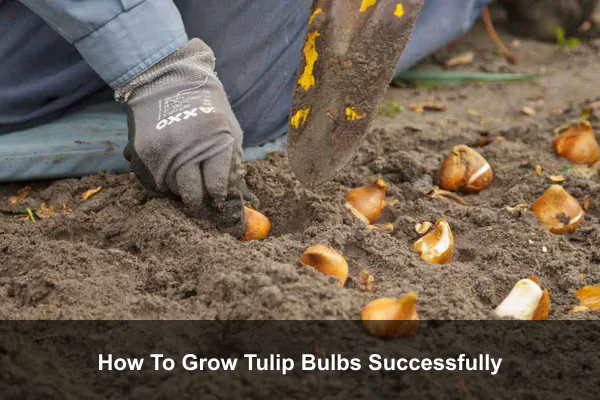
Plant tulip bulbs about two to three times as deep as the bulb is tall. In many gardens, this means roughly 6 to 8 inches deep from the base of the bulb, though smaller species tulips may be planted a little shallower. The pointed end should face upward and the flatter basal plate should face downward.
Spacing depends on the desired look. For a full display, plant bulbs 4 to 6 inches apart. For naturalized species tulips, wider spacing may look more relaxed. Avoid planting one tulip alone unless it is in a small pot, because tulips look most impressive in clusters, ribbons, or repeated groups.
Seasonal Tulip Care From Shoots to Dormancy
Once tulips are planted correctly, their active care is fairly simple. The goal is to support healthy growth during the cool season, enjoy the flowers, and then allow the foliage to recharge the bulb after bloom.
Watering Tulips
After planting, water the bulbs well to settle the soil and encourage root growth. In many climates, winter rainfall or snow provides enough moisture until spring. During active growth, tulips need evenly moist but not soggy soil. Containers may dry out faster than garden beds, so check them more often.
Overwatering is more dangerous than slight dryness. If the soil stays wet and cold for long periods, bulbs can rot. This is especially important in pots without drainage holes, which should be avoided for tulips unless the plant is inside a removable nursery pot.
Fertilizing
Tulips do not need heavy feeding. A balanced bulb fertilizer or compost worked into the soil at planting time is usually enough. If you want to support returning bulbs, you can apply a low-nitrogen bulb fertilizer when shoots emerge in spring. Avoid excessive nitrogen because it can encourage soft, leafy growth.
After Bloom Care
When tulip flowers fade, remove the spent flower head if you do not want the plant to put energy into seed production. Leave the stem and leaves until they naturally yellow and collapse. This period may not look as tidy, but it is essential if you want the bulb to store energy.
To hide fading foliage, plant tulips among perennials that emerge later in spring. Hostas, daylilies, hardy geraniums, ornamental grasses, and other expanding plants can cover yellowing tulip leaves while the bulbs finish their work underground.
Do Tulips Come Back Every Year?
Some tulips return for several years, while others are best treated as annuals. Many large modern hybrids produce a spectacular first-year display but decline in later seasons. Darwin hybrids and species tulips are more likely to perennialize when planted deeply in well-drained soil and given a dry summer rest.
If you want tulips that return, choose varieties known for perennial performance and avoid watering the bed heavily during summer dormancy. If you want a guaranteed formal display every spring, plant fresh bulbs each autumn.
Design Uses for Tulips in Gardens, Containers, and Bouquets
Tulips are design plants as much as garden plants. Their upright stems, clear colors, and predictable bloom window make them useful for creating structure in spring landscapes. They can look formal, romantic, playful, or natural depending on variety choice and planting style.
Garden Beds and Borders
In garden beds, tulips work best when planted in repeated groups rather than scattered singly. A drift of one color creates a clean, modern effect. A blend of related colors, such as coral, apricot, and cream, feels softer and more painterly. Strong contrasts, such as purple with yellow or red with white, create a bold display that can be seen from a distance.
For a longer spring season, combine early, mid-season, and late tulip varieties. You can also layer tulips with other bulbs. For example, crocus may bloom first, followed by daffodils and early tulips, then mid-season tulips and alliums. This type of succession planting makes a small area feel more productive.
Container Planting
Tulips grow beautifully in containers if the pot is deep enough and drains well. Container tulips are especially useful for renters, balcony gardeners, and people who want seasonal color near a doorway. A simple pot filled with one tulip variety can look more elegant than a complicated mix.
For container success, use a quality potting mix, plant bulbs close together without touching, water after planting, and keep the pot cool during the chilling period. In cold climates, protect containers from extreme freeze-thaw cycles because bulbs in pots are more exposed than bulbs in the ground.
Cut Flower Arrangements
Tulips are among the most loved cut flowers because they keep moving after harvest. Their stems may bend, stretch, and lean toward light, giving arrangements a natural sense of motion. Cut them when buds show color but are not fully open for the longest vase life.
To keep cut tulips fresh, use a clean vase, cool water, and a location away from direct heat. Recut the stems slightly before arranging. Because tulips continue growing in water, leave enough space in the arrangement for them to shift naturally.
Safety, Toxicity, and Common Tulip Problems
No guide to tulip plant benefits and information is complete without safety. Tulips are ornamental plants, not food plants. The bulbs are especially toxic if eaten, and they should be kept away from pets, children, and anyone who might mistake them for edible bulbs such as onions.
Pet and Child Safety
Tulips contain compounds that can irritate the mouth and digestive system if ingested. Cats, dogs, and curious children are most at risk if bulbs are left exposed during planting. Store bulbs in labeled containers and plant them promptly. If a pet or child eats part of a tulip, contact a veterinarian or medical professional for guidance.
Gardeners with sensitive skin may also experience irritation after handling tulip bulbs, sometimes called tulip fingers. Wearing gloves while planting, lifting, or sorting bulbs is a simple precaution.
Bulb Rot and Poor Flowering
Bulb rot usually comes from wet soil, poor drainage, or damaged bulbs. To reduce the risk, inspect bulbs before planting and discard any that are soft, moldy, or badly bruised. Plant in well-drained soil and avoid overwatering during dormancy.
Poor flowering can happen when bulbs did not receive enough cold, were planted too shallowly, lost foliage too early the previous year, or were grown in too much shade. In warm regions, insufficient chilling is one of the most common reasons tulips produce leaves without good flowers.
Pests and Wildlife
Squirrels, voles, mice, and deer may damage tulips. Deer often eat flowers and foliage, while rodents may dig up bulbs. If wildlife pressure is high, consider planting bulbs under wire mesh, using containers with protection, or mixing tulips with less attractive bulbs such as daffodils. Daffodils are toxic to many animals and are often avoided, but they should still be handled safely.
Buying Quality Tulips and Choosing the Right Varieties
Quality bulbs are the foundation of a strong display. Choose bulbs that feel firm, heavy for their size, and free from soft spots. A loose outer skin is normal, but mold, deep cuts, or mushy texture are warning signs. Larger bulbs often produce larger flowers, although species tulips are naturally smaller.
Choose by Climate and Purpose
If you garden in a cold or temperate climate and want tulips to return, look for Darwin hybrids, botanical tulips, and species tulips. If you want a one-season show for a formal bed, Triumph, parrot, double, and fringed tulips may be worth replanting annually. In warm climates, buy pre-chilled bulbs or plan to chill them properly before planting.
Choose by Bloom Time
Tulips are often labeled as early, mid-season, or late. Using all three groups helps extend the display. Early tulips are valuable after winter, mid-season tulips create the classic spring peak, and late tulips bridge the gap before summer perennials take over.
Choose by Design Style
For a minimalist garden, use one color in a strong block. For a cottage look, blend several soft colors and flower forms. For a dramatic entryway, choose tall tulips in saturated shades. For naturalistic plantings, use species tulips in smaller clusters among grasses, groundcovers, or low perennials.
Simple Tulip Care Checklist
If you want the main points in one place, use this tulip care checklist before and after planting:
- Buy firm, healthy bulbs from a reliable source.
- Plant in autumn in cold climates, or use pre-chilled bulbs in warm climates.
- Choose a sunny location with well-drained soil.
- Plant bulbs about two to three times as deep as their height.
- Water after planting, then avoid soggy conditions.
- Group bulbs for stronger visual impact.
- Remove faded flowers but keep leaves until they yellow naturally.
- Wear gloves when handling bulbs if you have sensitive skin.
- Keep bulbs and plant parts away from pets and children.
- Replant annually for guaranteed displays, or choose perennializing varieties for lower waste.
Conclusion
Tulip plant benefits and information are best understood through the plant’s seasonal character. Tulips bring early color, elegant form, symbolic meaning, and valuable garden lessons in timing, patience, and care. They are not all-purpose indoor plants or edible herbs, but they are excellent ornamental bulbs for people who want a memorable spring display.
With the right bulbs, cool conditions, well-drained soil, and thoughtful after-bloom care, tulips can become one of the most rewarding flowers in a home garden. Whether you grow them in a border, a balcony container, or a vase on the table, tulips offer a clear reminder that short-lived blooms can still create lasting value.
