

Roses are often introduced as romantic flowers, but their value goes far beyond beauty. A well-grown rose plant can become part of a healthier garden system, supporting seasonal color, beneficial insects, soil awareness, and more thoughtful outdoor design. For home gardeners interested in Rose plant benefits and information, the most useful angle is not only how roses look, but how they can help shape a more resilient and enjoyable growing space.
This guide focuses on a distinct, practical approach: using roses as climate-smart flowering plants in home landscapes. Instead of repeating basic rose symbolism or edible rose uses, it explains how roses fit into biodiversity, soil care, water-wise planning, pest balance, and long-term garden health. Whether you grow one potted rose or a mixed border, these insights can help you enjoy roses with less waste and better results.
Why Roses Deserve a Place in a Functional Garden
Roses are among the most recognized ornamental plants in the world, but they are not just decorative. Their long blooming season, varied growth habits, and strong visual presence make them useful anchor plants in many gardens. Depending on the variety, roses can work as shrubs, climbers, border plants, container specimens, or informal hedges.
One of the main benefits of roses is their ability to create structure. A rose plant can soften fences, define pathways, add height to planting beds, or bring repeated flowering to spaces that otherwise feel static. In the context of Manfaat Tanaman, roses offer both aesthetic and environmental value when placed with intention.
Key practical benefits of rose plants
- Seasonal beauty: Many rose varieties bloom repeatedly, bringing color through warm months.
- Garden structure: Shrub and climbing roses can organize outdoor spaces naturally.
- Pollinator interest: Single and semi-double roses may provide easier access for bees and other insects.
- Cut flower value: Healthy roses can provide fresh flowers for simple home arrangements.
- Mindful gardening: Roses teach observation because leaves, buds, and stems quickly show changes in care conditions.
Rose Plant Information for Better Variety Selection
Choosing the right rose is more important than buying the most dramatic bloom. Roses vary widely in size, disease resistance, fragrance, flower shape, thorniness, and growth habit. A plant that looks perfect in a nursery pot may become difficult if it is poorly matched to the site.
Common rose types for home gardens
- Shrub roses: Versatile, often hardy, and useful for mixed borders.
- Climbing roses: Best for arches, walls, fences, and vertical garden features.
- Floribunda roses: Known for clusters of blooms and strong landscape impact.
- Hybrid tea roses: Popular for large, classic flowers on long stems.
- Miniature roses: Suitable for containers, balconies, and compact spaces.
- Groundcover roses: Helpful for low borders and slope planting when space allows.
For beginners, disease-resistant shrub roses are often the most practical choice. They usually demand less spraying, recover better from weather stress, and fit naturally into a mixed planting plan. In humid or rainy climates, resistance to black spot and mildew should be a top priority.
Climate-Smart Rose Planting and Placement
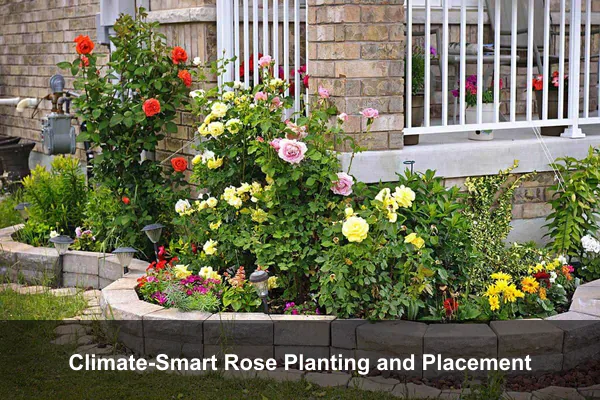
Roses perform best when their location supports healthy growth from the beginning. Most roses need at least six hours of direct sun each day. Morning sun is especially valuable because it helps dry moisture from leaves, reducing the conditions that encourage fungal problems.
Good airflow also matters. A rose tucked tightly between walls or dense shrubs may look protected, but still air can trap humidity around the leaves. Instead, place roses where they receive sun, air movement, and enough space for mature growth.
Smart placement tips
- Choose a sunny position before focusing on flower color.
- Leave enough spacing between plants to reduce disease pressure.
- Avoid low spots where water collects after rain.
- Use roses as part of mixed beds rather than isolated high-maintenance displays.
- Place thorny varieties away from narrow walkways and children’s play areas.
In hot regions, roses may benefit from protection against harsh afternoon heat, especially in containers. In cooler areas, a warm wall or sunny border can improve flowering. Climate-smart rose growing means adapting the plant to local conditions instead of forcing a one-size-fits-all routine.
Soil Health Benefits and Rose Root Performance
Healthy roses begin below the surface. Rose roots need soil that holds moisture but still drains well. Heavy clay can stay too wet, while sandy soil may dry too quickly. The best approach is to improve soil gradually with compost, leaf mold, aged manure, or other organic matter.
Organic matter supports microbial life, improves soil texture, and helps roots access nutrients more steadily. This is one reason roses are useful teacher plants: they respond clearly to soil quality. Pale leaves, weak stems, poor flowering, and slow growth often point to soil or nutrient imbalance.
Soil preparation checklist
- Loosen the planting area wider than the root ball.
- Mix compost into the native soil without making an overly rich pocket.
- Use mulch to protect soil moisture and reduce temperature swings.
- Keep mulch slightly away from the rose crown or main stems.
- Refresh organic matter seasonally rather than overfeeding all at once.
A balanced rose fertilizer can help during active growth, but more fertilizer is not always better. Excess nitrogen may create lush leaves with fewer blooms and softer growth that attracts pests. For long-term results, combine moderate feeding with soil improvement.
Water-Wise Rose Care Without Waste
Roses need consistent moisture, especially when newly planted, but they dislike waterlogged soil. Deep watering is usually better than frequent shallow watering because it encourages roots to grow downward. A deeper root system helps the plant tolerate short dry periods more effectively.
Watering at the base of the plant is preferable to wetting the leaves. Wet foliage, especially in the evening, can increase fungal risk. Drip irrigation, soaker hoses, or careful hand watering are useful options for home gardeners who want healthier roses with less waste.
Simple watering guidance
- Water deeply when the top layer of soil begins to dry.
- Increase attention during heat waves, flowering periods, and the first growing season.
- Reduce watering during cool, rainy, or dormant periods.
- Use mulch to slow evaporation and protect roots.
- Check container roses more often because pots dry faster than garden beds.
In many gardens, inconsistent watering causes more problems than slight underfeeding. A rose that swings between drought stress and heavy watering may drop buds, yellow leaves, or become more vulnerable to pests.
Rose Plants and Garden Biodiversity
Not all roses are equally useful for wildlife, but the right choices can improve garden biodiversity. Open-centered flowers are easier for pollinators to access than very dense, highly doubled blooms. Growing roses alongside herbs, native flowers, grasses, and nectar-rich companion plants can create a more balanced habitat.
Companion planting also helps reduce the visual and biological pressure of a rose-only bed. Mixed planting encourages insect diversity, covers bare soil, and makes the garden more resilient. This does not mean companion plants magically prevent every pest, but they can support a healthier ecosystem.
Helpful companion plant ideas
- Lavender: Good for sunny, well-drained edges where climates allow.
- Salvia: Attracts pollinators and adds vertical flower spikes.
- Catmint: Softens rose borders and brings long seasonal bloom.
- Marigold: Adds color and can support beneficial insect activity.
- Chives: Provide flowers for pollinators and fit well in edible ornamental beds.
Avoid overcrowding roses with companions that compete heavily for root space or block airflow. The goal is a diverse planting community, not a crowded bed.
Common Rose Problems and Preventive Care
Roses have a reputation for being difficult, but many problems are easier to manage when caught early. Instead of relying only on sprays, observe the plant regularly. Look at new shoots, undersides of leaves, buds, stems, and soil moisture. Early observation is one of the most practical rose plant benefits for gardeners because it builds skill.
Common issues to watch
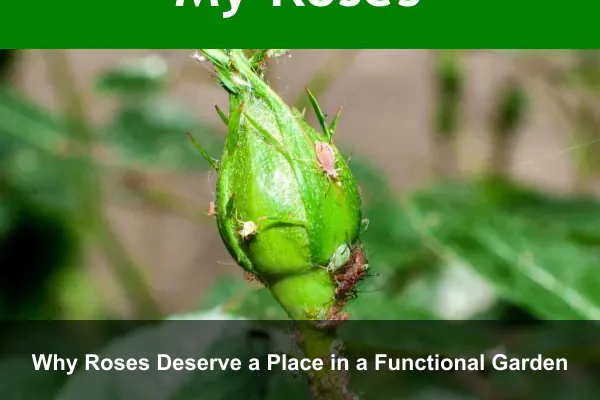
- Aphids: Often cluster on tender buds and new growth.
- Black spot: Appears as dark leaf spots followed by yellowing and leaf drop.
- Powdery mildew: Creates a pale, powdery coating on leaves and buds.
- Weak flowering: May result from low sunlight, poor pruning, or excess nitrogen.
- Yellow leaves: Can indicate watering stress, nutrient imbalance, or natural aging.
Preventive care includes choosing resistant varieties, pruning for airflow, removing diseased leaves, cleaning fallen debris, and watering at soil level. If treatment is needed, start with the least disruptive method suitable for the problem and follow product directions carefully.
Pruning Roses for Shape, Airflow, and Flowering
Pruning is not only about controlling size. It improves light penetration, removes dead or crossing stems, and encourages stronger flowering wood. The exact timing depends on local climate and rose type, but many roses are pruned in late winter or early spring before strong new growth begins.
Use clean, sharp pruners and make cuts just above outward-facing buds where possible. Remove dead, damaged, diseased, or inward-growing stems first. This simple order keeps pruning practical and reduces the risk of overcutting.
Basic pruning goals
- Open the center of the plant for airflow.
- Remove weak stems that cannot support strong blooms.
- Shape the rose to fit its space naturally.
- Encourage new growth without stripping the plant unnecessarily.
- Deadhead spent flowers to support repeat blooming when appropriate.
Climbing roses need a different approach from shrub roses. Their main canes should often be trained rather than heavily cut, while side shoots can be shortened to encourage flowering. Always identify the rose type before pruning aggressively.
Container Rose Benefits for Small Spaces
Roses can be grown in containers when the pot is large enough and drainage is reliable. This makes them useful for patios, balconies, sunny courtyards, and small homes with limited garden beds. Container roses also allow renters to enjoy flowering plants without permanent landscape changes.
Choose compact varieties, use a quality potting mix, and avoid tiny decorative pots that dry out quickly. A container rose needs more frequent watering than an in-ground rose, but it should never sit in stagnant water.
Container rose essentials
- A pot with drainage holes.
- Enough root space for the chosen variety.
- Sun exposure of at least six hours where possible.
- Regular moisture checks during hot weather.
- Seasonal feeding in moderate amounts.
For small-space gardeners, roses offer a high visual return from a limited footprint. A single healthy rose in a large container can create color, scent, and structure without requiring a full garden.
Conclusion
Rose plants remain popular because they combine beauty with practical garden value. When chosen and cared for wisely, they support structure, seasonal interest, soil awareness, pollinator activity, and more sustainable outdoor routines. The best way to understand Rose plant benefits and information is to see roses not as demanding luxury flowers, but as living parts of a balanced garden system.
For the strongest results, select disease-resistant varieties, plant them in sunny and airy locations, build healthy soil, water deeply, mulch well, and combine roses with suitable companion plants. With this climate-smart approach, roses can become more than ornamental blooms. They can help create a garden that is beautiful, resilient, and rewarding through many seasons.
