
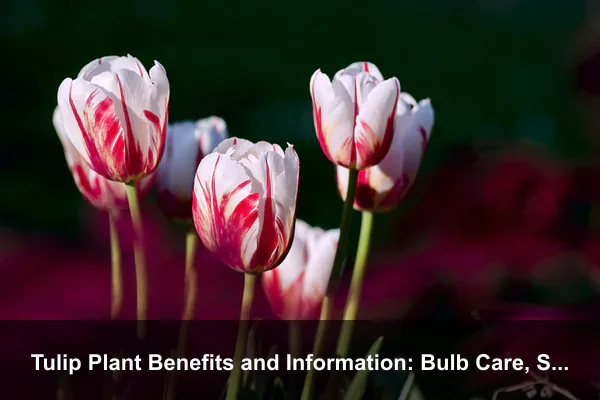
Tulips are among the most recognizable spring flowers, valued for their clean cup-shaped blooms, bold colors, and ability to make a garden feel fresh after winter. When people search for Tulip plant benefits and information, they usually want more than a pretty description. They want to know what tulips are good for, how to grow them, whether they are safe around families and pets, and how to enjoy them in gardens, containers, or cut-flower arrangements.
Unlike many leafy houseplants or culinary herbs, tulips are seasonal bulb plants. Their value comes from timing, color impact, symbolism, and garden structure. They are especially useful for people who want a high-reward flower that announces spring with very little daily maintenance once properly planted. This guide explains the practical benefits of tulips, essential care information, safety notes, and smart ways to use them without confusing them with edible or medicinal plants.
What Makes the Tulip Plant Special?
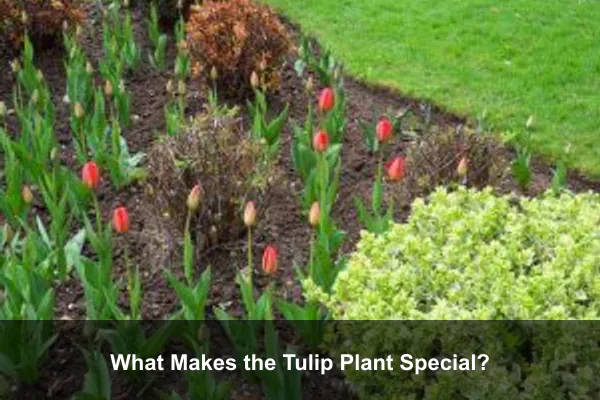
The tulip belongs to the genus Tulipa and grows from an underground bulb. That bulb stores energy during dormancy, sends up leaves and flowers in spring, then gradually retreats after bloom. This cycle makes tulips different from tropical foliage plants that stay visually active all year.
Tulips are loved because they provide strong seasonal display in a compact form. A single bed of tulips can create a formal border, a relaxed cottage-style planting, or a cheerful container near an entrance. Their flowers may be classic cups, fringed, double, lily-shaped, parrot-like, or multi-flowering, depending on the variety.
Basic Tulip Plant Information
- Plant type: Spring-flowering bulb
- Bloom season: Early, mid, or late spring, depending on variety
- Light: Full sun to light partial shade
- Soil: Loose, fertile, well-draining soil
- Common uses: Garden beds, borders, containers, cut flowers, seasonal displays
- Safety: Not recommended for eating; bulbs are toxic if ingested
Main Benefits of Tulip Plants
The benefits of tulips are mostly ornamental, emotional, ecological, and design-related. They should not be promoted as herbal medicine or food plants, but they still offer meaningful value in the home and garden.
1. Strong Seasonal Beauty
Tulips deliver concentrated color when many gardens are still waking up. Their reds, yellows, pinks, purples, whites, oranges, and bicolor patterns can brighten walkways, patios, and front yards. Because tulips bloom in a predictable season, they help mark the transition from winter to spring in a very visible way.
2. Easy Garden Planning
Tulips are useful for gardeners who like planned displays. You can plant bulbs in clusters, rows, drifts, or color blocks. Early, mid-season, and late tulip varieties can be combined to extend bloom time. This makes tulips especially helpful for creating a garden that looks intentional rather than random.
3. Cut-Flower Value
Tulips are excellent cut flowers. Their stems continue to grow slightly after cutting, giving arrangements a graceful, natural movement. A small planting bed can provide fresh flowers for vases without needing to buy imported bouquets during spring.
4. Symbolism and Emotional Appeal
Tulips carry strong symbolic meaning. Red tulips often represent deep love, yellow tulips are associated with cheerfulness, white tulips can suggest forgiveness or purity, and purple tulips are linked with elegance. This symbolic value makes tulips popular for gifts, remembrance gardens, and meaningful home landscapes.
How to Grow Tulips Successfully
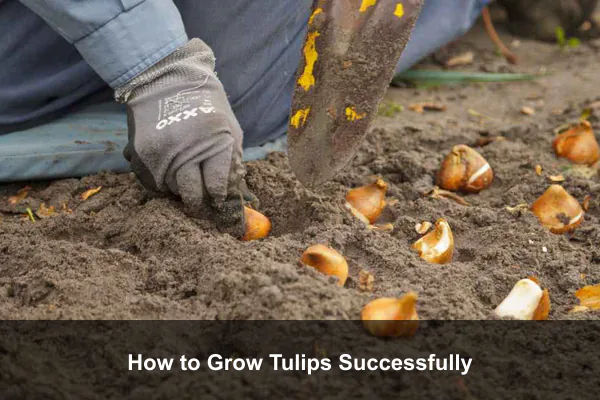
Growing tulips is straightforward when their natural cycle is respected. The most important rule is to give the bulbs a cool dormant period, good drainage, and enough sunlight during spring growth.
Best Planting Time
In cold and temperate climates, tulip bulbs are usually planted in autumn before the ground freezes. This gives the bulbs time to root before winter. In warm climates, pre-chilled bulbs may be needed because tulips require a cold period to bloom well.
Soil and Planting Depth
Tulips dislike soggy soil. Heavy clay should be improved with compost and drainage support, or bulbs should be grown in raised beds and containers. As a general guide, plant tulip bulbs about two to three times as deep as the bulb is tall, with the pointed end facing upward.
Watering Needs
Water after planting to settle the soil. During active spring growth, tulips need moderate moisture, but they should not sit in wet soil. After flowering and leaf yellowing, reduce watering because the bulb is entering dormancy.
Tulip Care After Blooming
Many tulip problems begin after the flowers fade. People often cut the entire plant too early, which weakens the bulb. The flower stem can be removed after blooming, but the leaves should remain until they naturally yellow.
The leaves are not just leftover greenery. They collect sunlight and send energy back into the bulb. If the foliage is removed while still green, the plant may fail to bloom strongly the next year.
Should Tulips Be Treated as Annuals or Perennials?
Some tulips return for several years, especially species tulips and certain perennial-type hybrids. However, many large modern tulips perform best in the first year and may produce smaller flowers later. For reliable formal displays, gardeners often replant fresh bulbs each autumn. For a more natural, low-waste approach, choose tulip types known for perennial performance and allow foliage to mature fully.
Safety Information: Are Tulips Toxic?
Tulips are beautiful, but they are not edible garden herbs. The bulbs contain compounds that can cause poisoning if eaten, and bulbs are the most concentrated part of the plant. Pets, especially dogs and cats that dig or chew bulbs, should be kept away from stored or newly planted bulbs.
Some people may also experience skin irritation from handling tulip bulbs for long periods. Wearing gloves during planting is a simple precaution, especially for gardeners with sensitive skin.
Safe Use Tips
- Do not use tulips as food, tea, or herbal remedies.
- Store bulbs away from children and pets.
- Wear gloves when planting many bulbs.
- Place cut tulips where pets will not chew leaves or petals.
- Dispose of damaged bulbs safely rather than leaving them exposed.
Design Ideas for Tulips in Gardens and Containers
Tulips work best when planted with intention. A few scattered bulbs may look thin, while groups of five, seven, ten, or more create a stronger visual effect. For a clean modern look, use one color in a repeated pattern. For a softer garden style, mix tulips with plants that bloom before or after them.
Good Companion Planting Ideas
Tulips pair well with spring bulbs such as daffodils, hyacinths, grape hyacinths, and alliums. They also look attractive with low-growing perennials that can hide fading tulip foliage later in the season. This helps the garden stay attractive even after tulip flowers are finished.
Container Tulips
Container tulips are ideal for patios, balconies, and small entrances. Use a pot with drainage holes and a loose potting mix. Plant bulbs close together but not touching. In cold regions, containers may need winter protection because pots freeze faster than ground soil.
Choosing the Right Tulip Variety
There are many tulip groups, and choosing the right one depends on your goal. For early color, choose early single or double tulips. For dramatic shapes, parrot tulips and fringed tulips stand out. For longer-lasting garden performance, species tulips and Darwin hybrid tulips are often better choices.
- For beginners: Darwin hybrids, single early tulips, and species tulips.
- For cut flowers: Triumph tulips and Darwin hybrids with strong stems.
- For containers: Shorter varieties that resist wind and flopping.
- For natural-style gardens: Species tulips that may return more reliably.
Common Tulip Problems and Simple Fixes
If tulips fail to bloom, the cause is often warm winter conditions, poor bulb quality, shallow planting, wet soil, or early removal of leaves. Weak stems may come from low light or weather stress. Bulb rot is usually linked to poor drainage.
Animal damage can also be a challenge. Squirrels, rodents, and deer may disturb or eat tulips. Planting bulbs deeper, using protective mesh, or mixing tulips with less appealing bulbs such as daffodils can reduce losses.
Conclusion
Tulips offer beauty, structure, symbolism, and seasonal joy without requiring complicated daily care. Their biggest benefits are visual impact, reliable spring timing, cut-flower usefulness, and the ability to transform small or large spaces with color. They are not edible wellness plants, and their bulbs should be handled with care, but as ornamental flowering plants they are among the most rewarding choices for spring gardens.
For anyone looking for practical Tulip plant benefits and information, the key is simple: choose healthy bulbs, plant them in well-draining soil, give them enough sun, protect them from pests, and allow the leaves to finish their natural cycle. With those basics in place, tulips can become one of the most memorable highlights of the gardening year.
